



Understanding Savings Trends in Japan: Insights from LENDEX's Recent Survey
In a recent survey conducted by LENDEX, a crowdfunding platform based in Shibuya, Tokyo, insights into the current savings habits of Japanese individuals aged 20 to 60 have been revealed. With a pool of 300 respondents, the survey highlights critical trends and disparities in savings behavior amidst rising living costs and economic uncertainty.
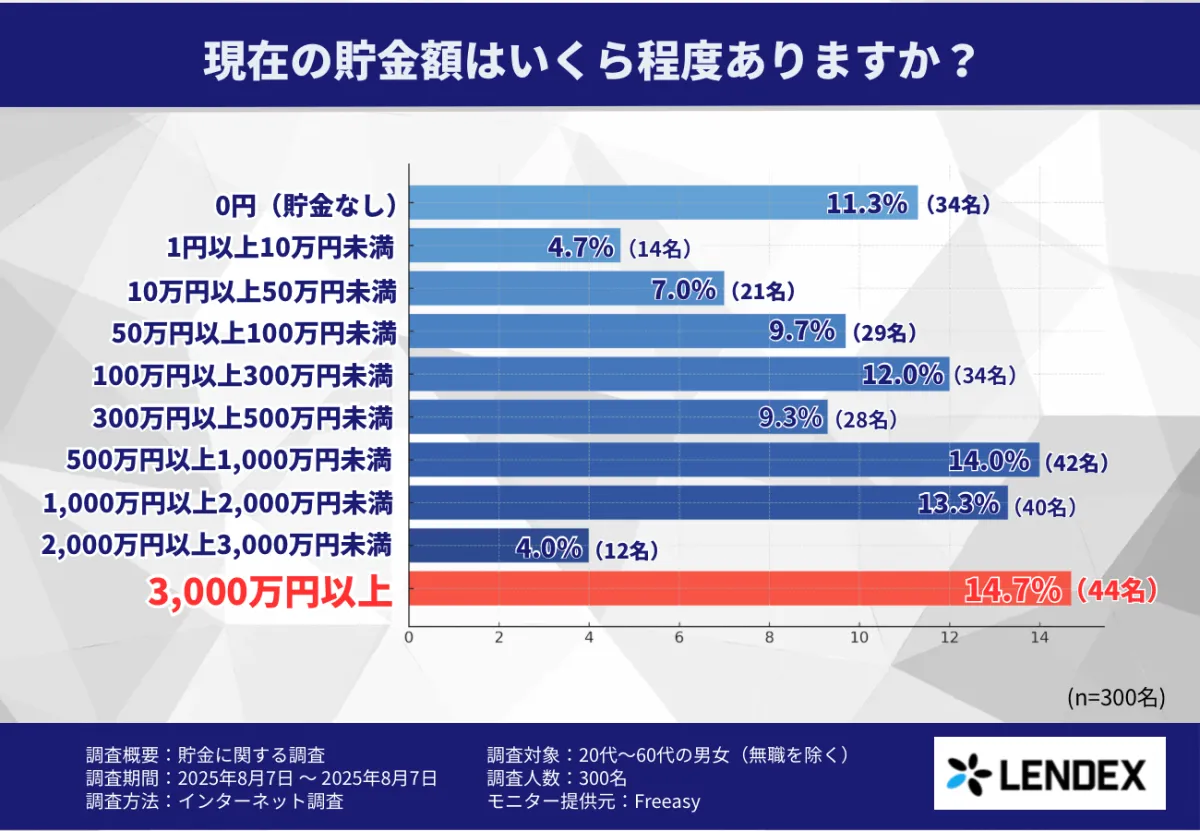
The survey indicates that 11.3% of individuals currently have no savings at all, while 14.7% report savings exceeding ¥30 million. The results emphasize a significant disparity in savings across different demographics, depending on factors such as household type and income levels. The most common savings range for respondents falls between ¥5 to ¥10 million, indicating that while some are well-prepared, others struggle to secure their financial futures.
Interestingly, the primary motivation for savings was noted to be retirement funds, with 46.6% of respondents prioritizing this goal. This statistic reflects a growing apprehension regarding future financial security and the possibility of utilizing public pension systems. Furthermore, 25.6% of respondents highlighted the need for emergency funds to protect against unforeseen circumstances such as illness or job loss. Additionally, 14.3% of respondents indicated they save without any specific purpose, suggesting a strong inclination towards building a savings habit regardless of defined goals.
When asked about actions they'd like to take to enhance their savings within the next year, 58.7% stated they plan to review their expenses and adopt more frugal habits. This widespread sentiment underscores the need to address rising costs and manage household finances meticulously. Meanwhile, 26.0% of respondents expressed an interest in engaging in asset management, indicating a proactive mindset towards wealth growth. Reviewing fixed expenses, such as utility bills and insurance, was also noted by 22.0% of participants, suggesting a shift towards optimizing financial commitments.
Yet, it's worth noting that 25.7% of respondents have no plans to take any action, illustrating a compelling divide between those actively seeking improvement and those remaining stagnant in their financial approaches.
The findings of this survey paint a vivid picture of savings behavior in Japan. With 11.3% of individuals without any savings and another 14.7% holding substantial amounts, it's clear that socio-economic dynamics heavily influence financial security. The emphasis on retirement and emergency funds as primary savings goals shows how individuals are prioritizing their financial health amid uncertainty.
Moreover, the prevalent desire to minimize expenditures reveals a significant trend towards budgeting and cost management among the populace, mandating a shift in financial literacy and strategic planning. As people look to balance savings and investments effectively, leveraging small amounts for investments through platforms like LENDEX could be pivotal for long-term financial stability and growth. Thus, merging traditional saving methods with proactive investment strategies may offer a more comprehensive approach to ensuring a secure financial future for many Japanese citizens.
For more details on the complete survey findings, including monthly savings amounts and income ratios, visit the LENDEX column at LENDEX Column.
LENDEX is a crowdfunding service that specializes in providing loans for diverse projects. As investments can begin with as little as ¥20,000, the platform allows individuals to participate in asset management and investment without requiring substantial capital. Average expected returns range from 6% to 10% (before taxes), thereby offering competitive returns compared to traditional markets. To explore investment opportunities, check out LENDEX.
Overview of Savings Trends
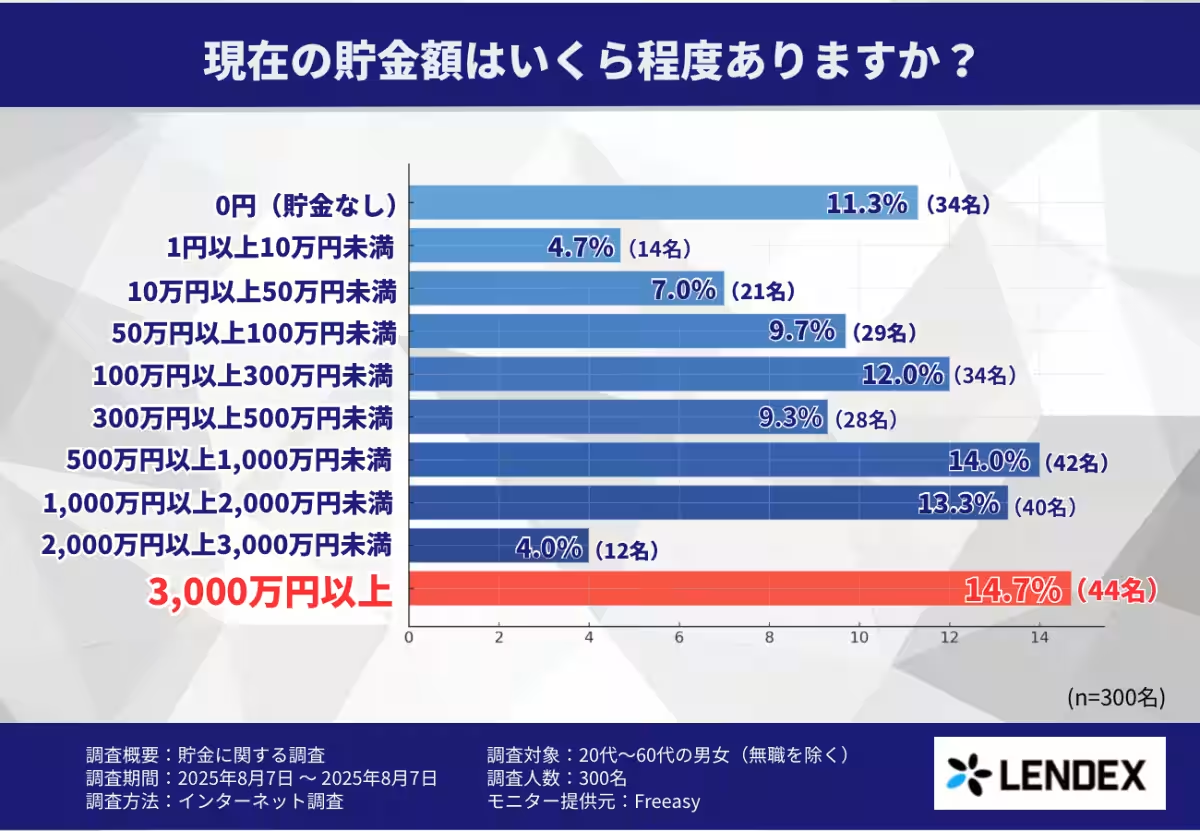
The survey indicates that 11.3% of individuals currently have no savings at all, while 14.7% report savings exceeding ¥30 million. The results emphasize a significant disparity in savings across different demographics, depending on factors such as household type and income levels. The most common savings range for respondents falls between ¥5 to ¥10 million, indicating that while some are well-prepared, others struggle to secure their financial futures.
Motivations Behind Saving
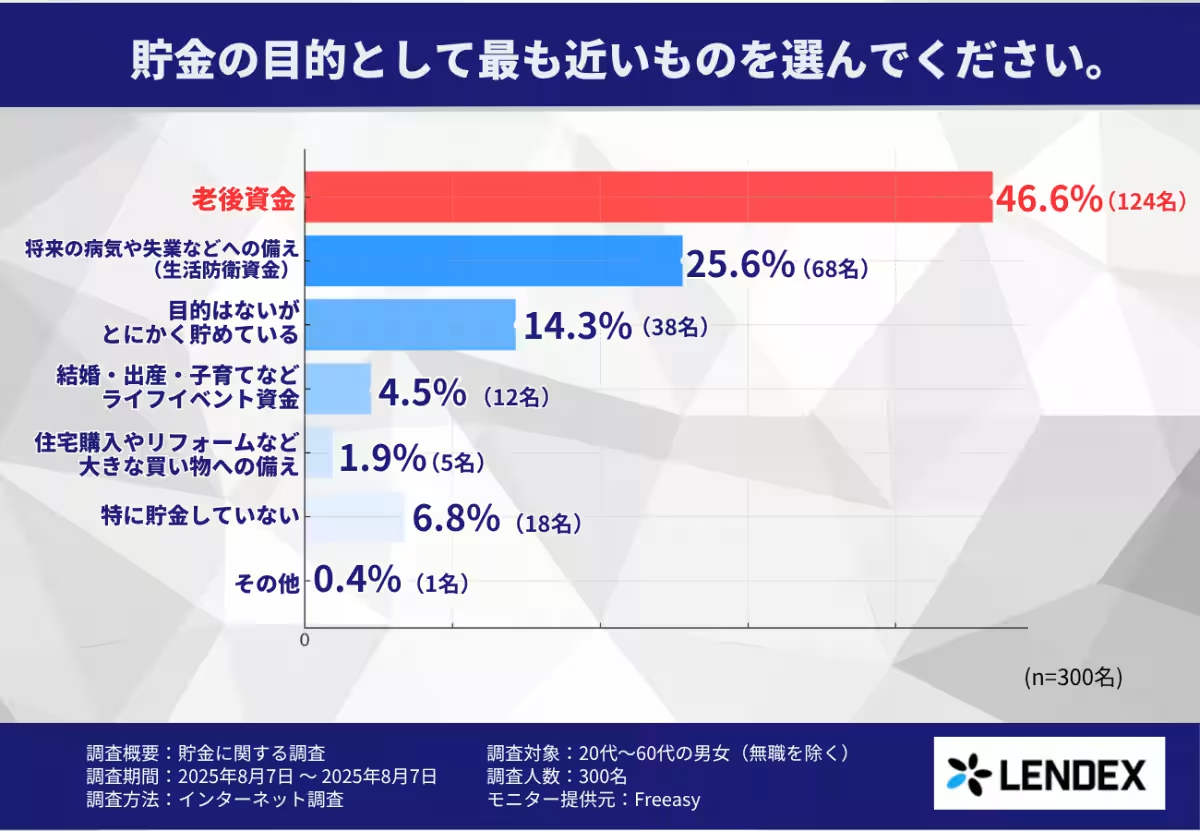
Interestingly, the primary motivation for savings was noted to be retirement funds, with 46.6% of respondents prioritizing this goal. This statistic reflects a growing apprehension regarding future financial security and the possibility of utilizing public pension systems. Furthermore, 25.6% of respondents highlighted the need for emergency funds to protect against unforeseen circumstances such as illness or job loss. Additionally, 14.3% of respondents indicated they save without any specific purpose, suggesting a strong inclination towards building a savings habit regardless of defined goals.
Future Actions for Increasing Savings
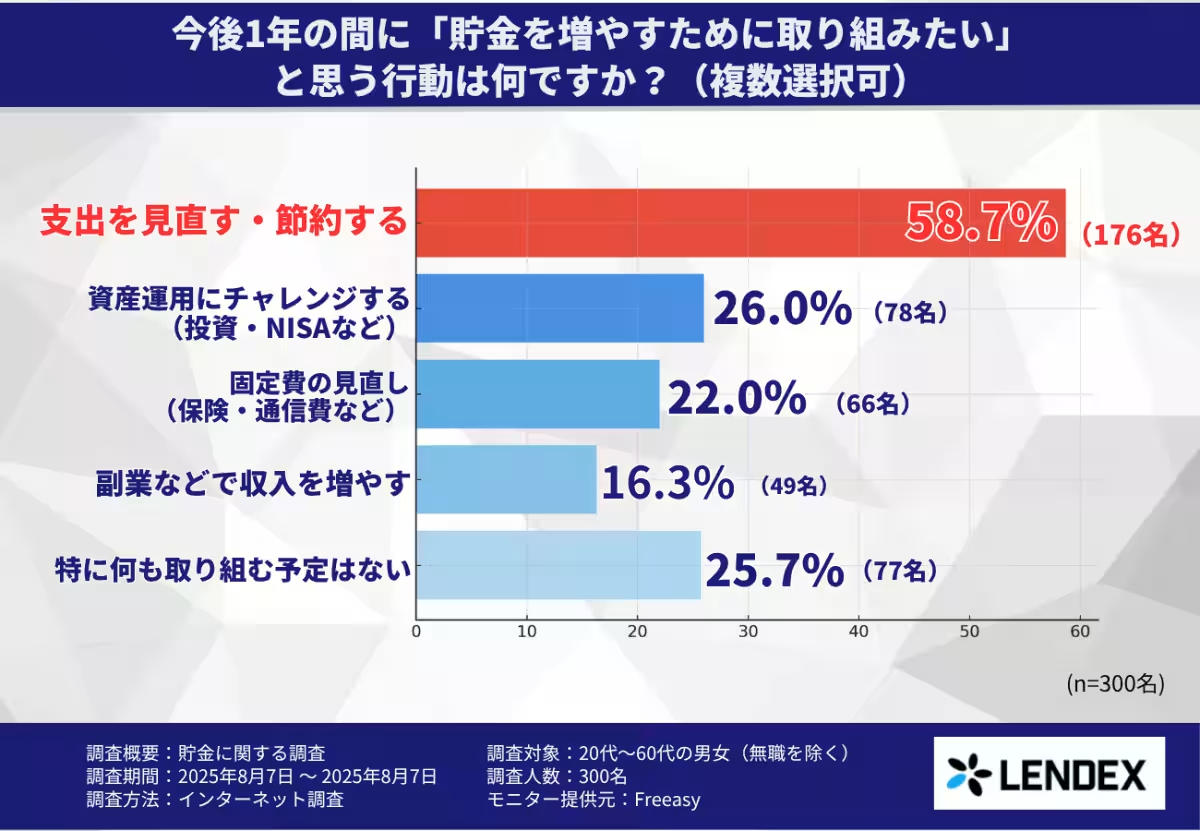
When asked about actions they'd like to take to enhance their savings within the next year, 58.7% stated they plan to review their expenses and adopt more frugal habits. This widespread sentiment underscores the need to address rising costs and manage household finances meticulously. Meanwhile, 26.0% of respondents expressed an interest in engaging in asset management, indicating a proactive mindset towards wealth growth. Reviewing fixed expenses, such as utility bills and insurance, was also noted by 22.0% of participants, suggesting a shift towards optimizing financial commitments.
Yet, it's worth noting that 25.7% of respondents have no plans to take any action, illustrating a compelling divide between those actively seeking improvement and those remaining stagnant in their financial approaches.
Conclusion
The findings of this survey paint a vivid picture of savings behavior in Japan. With 11.3% of individuals without any savings and another 14.7% holding substantial amounts, it's clear that socio-economic dynamics heavily influence financial security. The emphasis on retirement and emergency funds as primary savings goals shows how individuals are prioritizing their financial health amid uncertainty.
Moreover, the prevalent desire to minimize expenditures reveals a significant trend towards budgeting and cost management among the populace, mandating a shift in financial literacy and strategic planning. As people look to balance savings and investments effectively, leveraging small amounts for investments through platforms like LENDEX could be pivotal for long-term financial stability and growth. Thus, merging traditional saving methods with proactive investment strategies may offer a more comprehensive approach to ensuring a secure financial future for many Japanese citizens.
For more details on the complete survey findings, including monthly savings amounts and income ratios, visit the LENDEX column at LENDEX Column.
About LENDEX
LENDEX is a crowdfunding service that specializes in providing loans for diverse projects. As investments can begin with as little as ¥20,000, the platform allows individuals to participate in asset management and investment without requiring substantial capital. Average expected returns range from 6% to 10% (before taxes), thereby offering competitive returns compared to traditional markets. To explore investment opportunities, check out LENDEX.
Topics Financial Services & Investing)
【About Using Articles】
You can freely use the title and article content by linking to the page where the article is posted.
※ Images cannot be used.
【About Links】
Links are free to use.