



Exploring How Generative AI Skills Are Boosting Side Income in the Gig Economy
How Generative AI Skills Are Shaping the Gig Economy
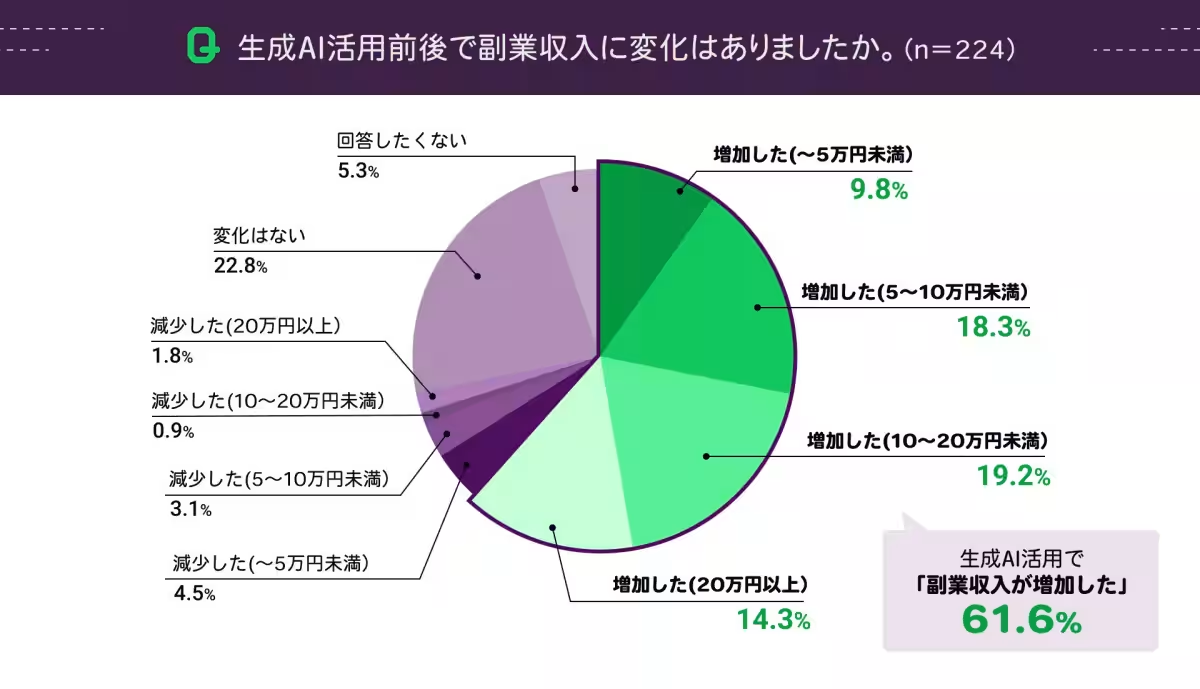
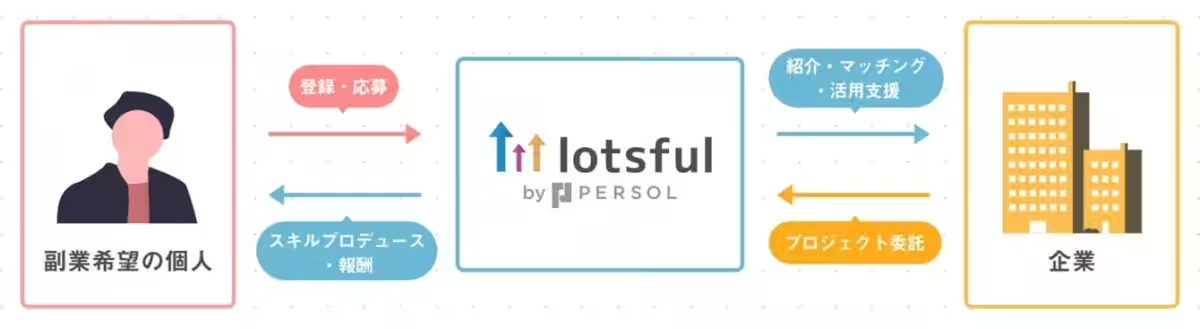
In today’s fast-paced world, the rise of generative AI is becoming increasingly influential, especially among side workers. A recent survey conducted by lotsful Company, a service by Persol Innovation, which specializes in matching skilled talent with side job opportunities, reveals striking insights into how generative AI is transforming the gig economy. With over 60% of respondents affirming a boost in their side income, it is evident that harnessing these skills can significantly enhance earning potentials.
AI's Impact on Side Job Tasks
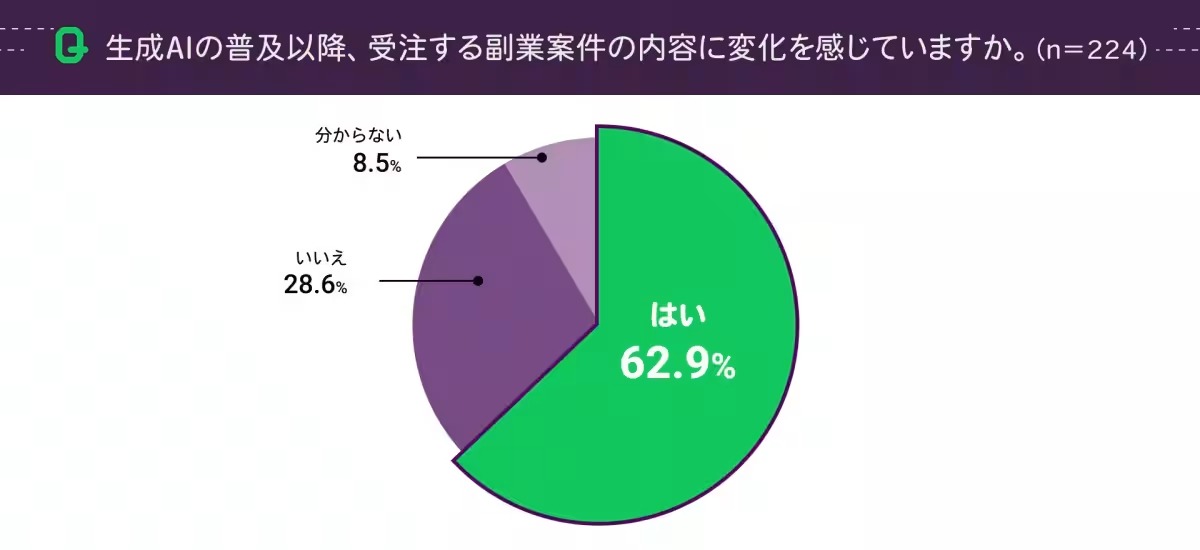
The survey discovered that 62.9% of participants recognized a shift in the nature of tasks they receive since the introduction of generative AI into their workflows. This trend mirrors disruptions occurring in full-time employment, highlighting the widespread integration of AI technologies across all work sectors. People are adapting not only to new tools but also to a redefined set of skills that are necessary for meeting the evolving demands of their side engagements.
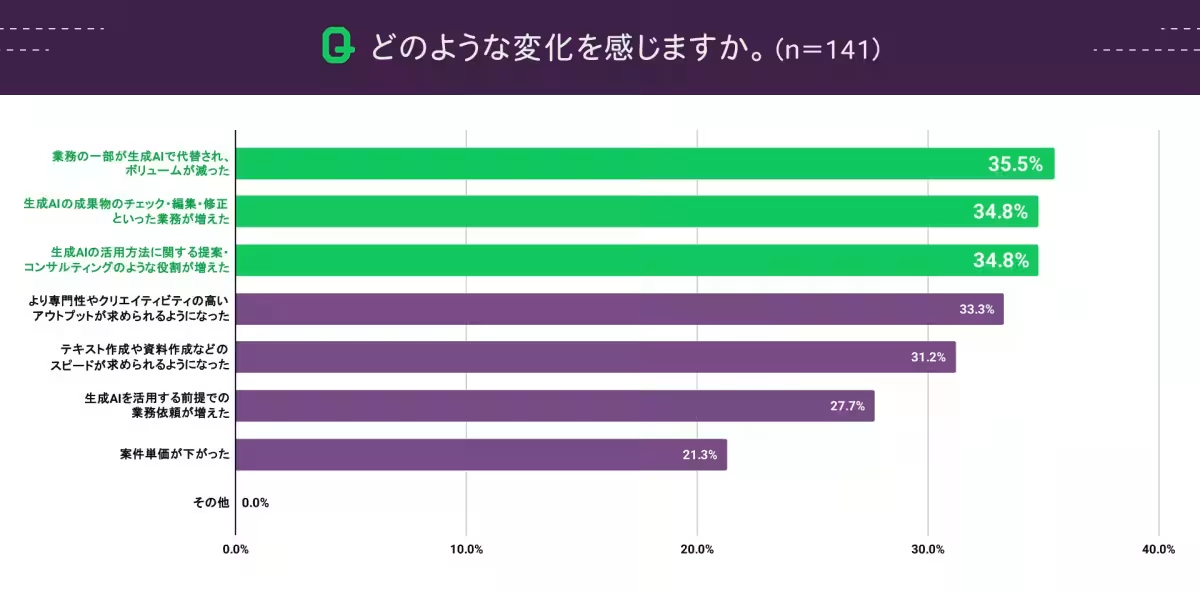
When asked about specific changes in job tasks, 35.5% reported that certain elements of their workload had been replaced by generative AI, leading to a decrease in the overall volume of work. Simultaneously, tasks such as checking, editing, and consulting on AI-generated content have become necessary, with 34.8% noting this increase. As a result, the human role is transitioning towards providing value in areas like judgment, editing, and developing new ideas, shifting the paradigm of what is considered important work.
Boosting Income Through AI Proficiency
The financial impact of learning generative AI skills is notable, as 61.6% of surveyed workers stated that their side income has increased since utilizing these technologies. In contrast, only 22.8% reported no changes at all, indicating a pronounced trend where many observe a positive correlation between AI skills and income growth. This reflects a broader appreciation of the value that AI can deliver, not merely through efficiency but also through generating tangible results that enhance one’s marketability in the side job landscape.
The Division Created by AI Skills
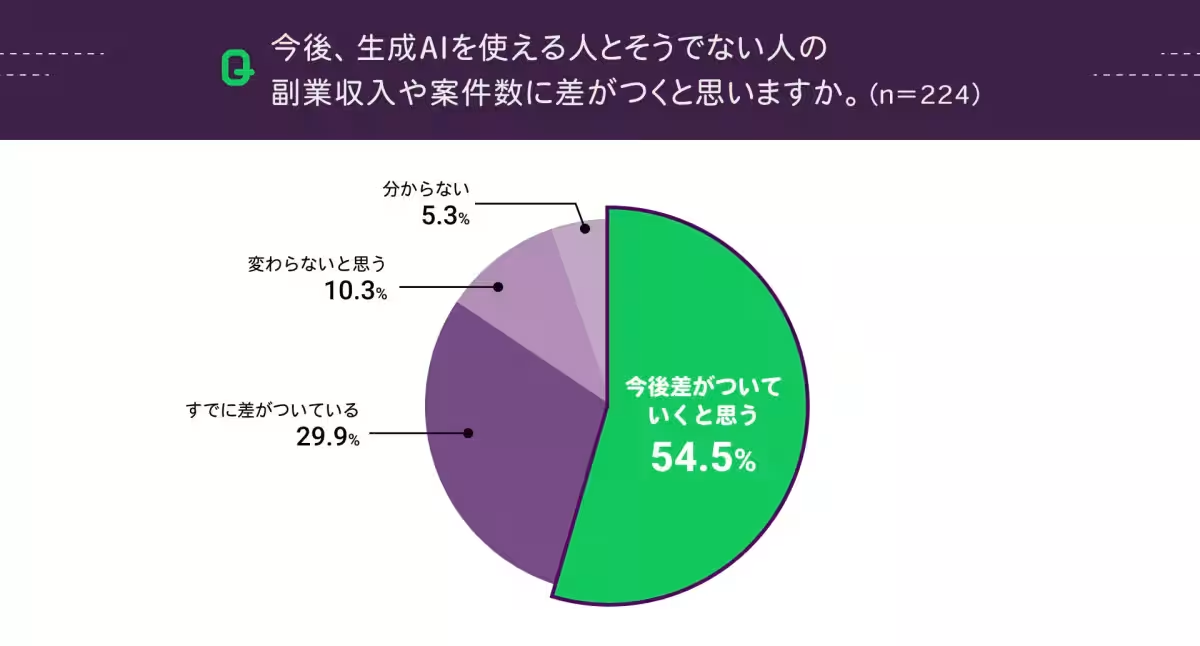
Further exploring the future implications of generative AI in the workforce, a staggering 84.4% of participants believe there will be income disparities between those skilled in AI and those who are not. Around 29.9% felt these disparities already exist, while 54.5% expect them to widen moving forward. This perception underscores the necessity of AI fluency as a critical factor for anyone looking to succeed in the gig economy.
As more job opportunities become available, having the capability to leverage AI tools distinctly influences prospects and earnings. The message is clear: proficiency in generative AI will become a differentiator in the competitive marketplace of side jobs.
AI in Recruitment and Talent Assessment
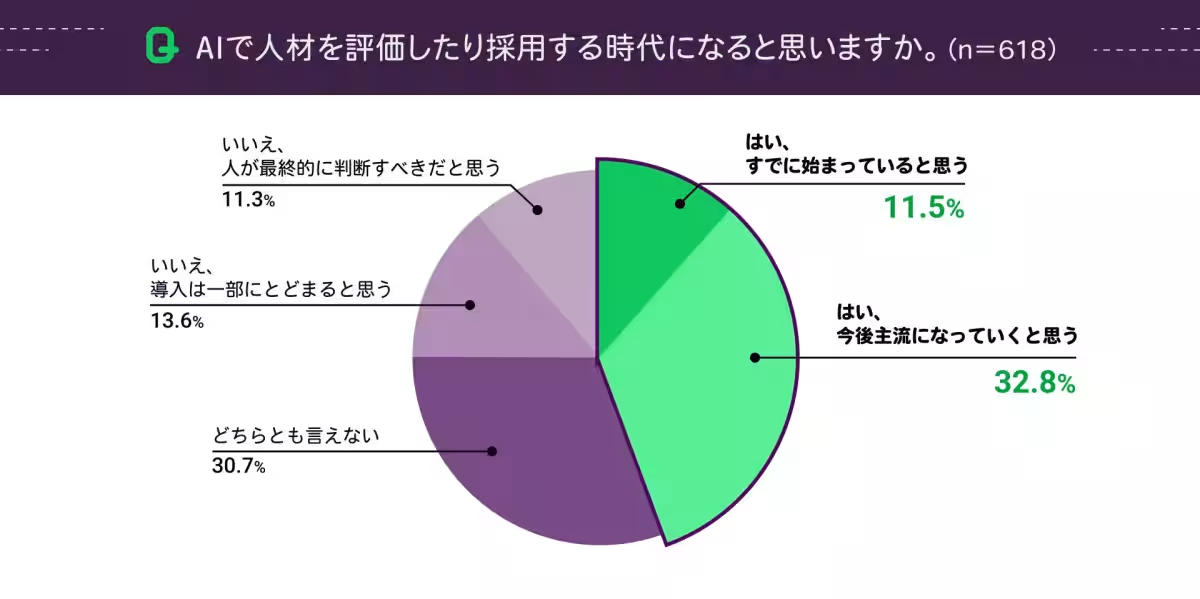
The survey also highlighted emerging trends in the hiring and assessment practices within companies. A significant portion of respondents (32.8%) anticipates a future where AI will play a central role in evaluating talent, marking a shift towards a more automated approach to recruitment. Businesses begin to incorporate AI in various stages of selection processes, aiming for efficiency, consistency, and enriched decision-making.
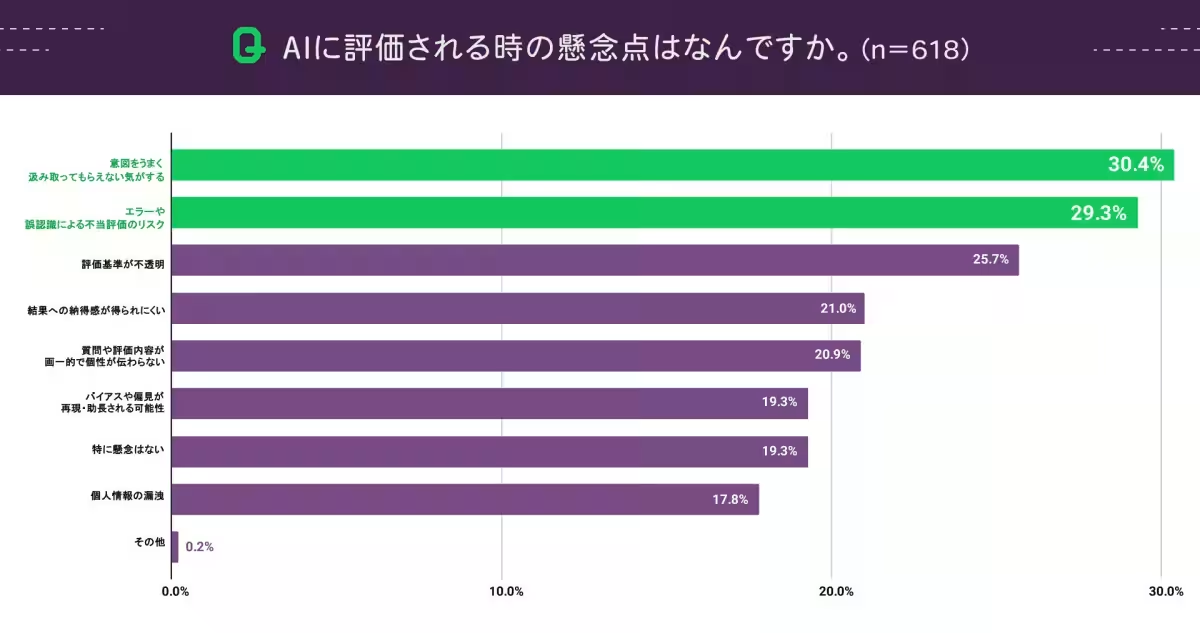
However, concerns remain around the human aspect of hiring processes, with individuals expressing worry that AI might overlook personal qualities that define human potential. Many expressed apprehension regarding the transparency and fairness of AI-generated assessments, which reveals a crucial area for improvement.
Building Trust in AI Assessments
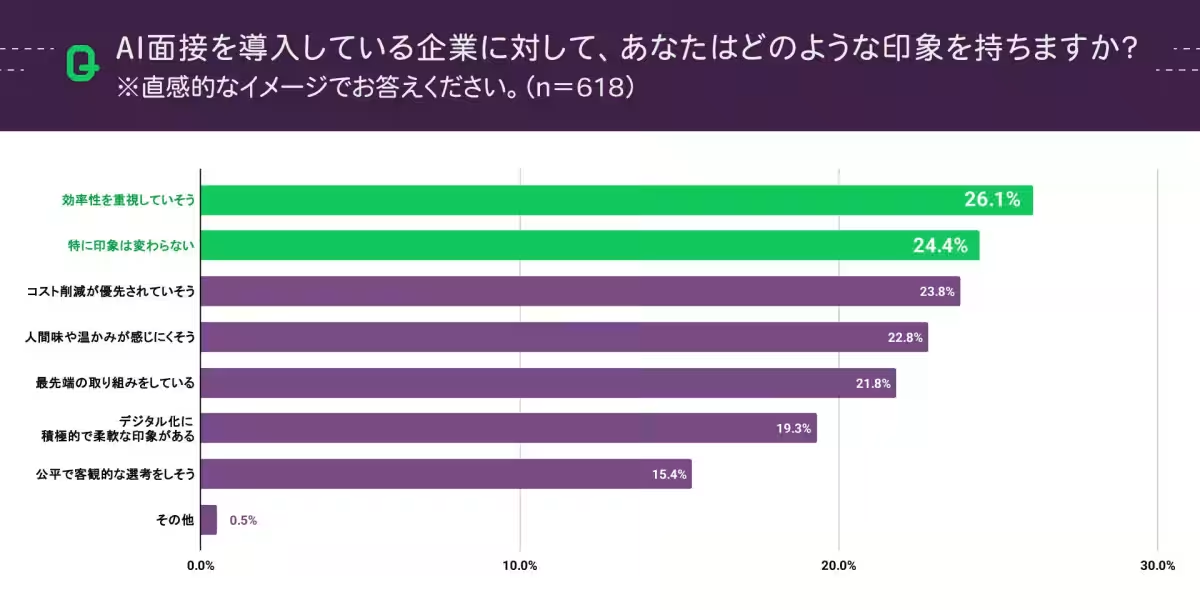
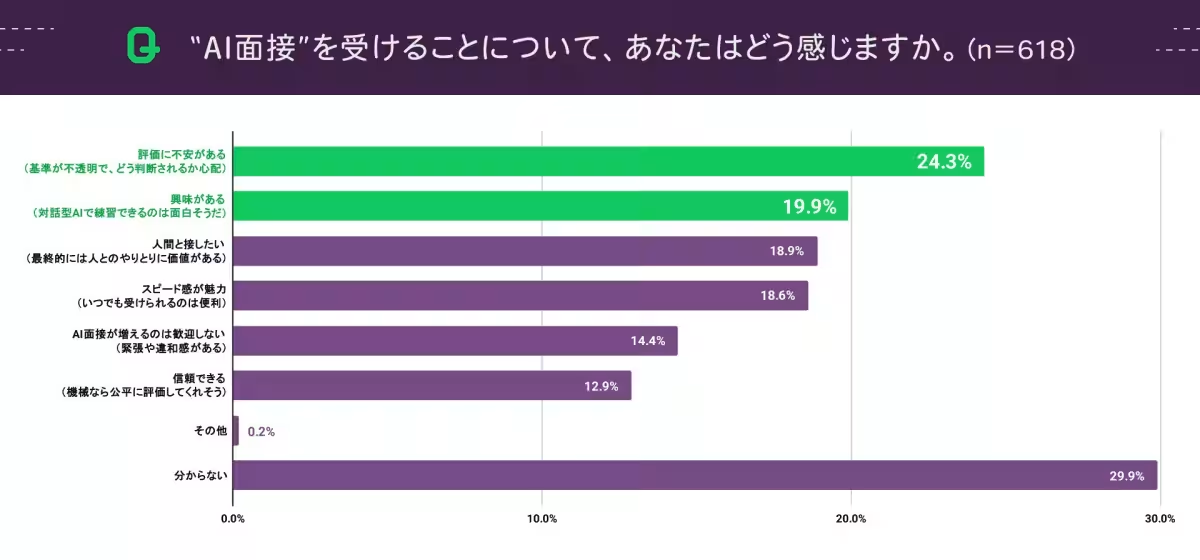
Regarding perspectives on AI-driven evaluations, 24.3% of those surveyed voiced that they harbor doubts about the technology’s ability to provide fair assessments, especially due to lack of transparency. Participants frequently mentioned fears of misinterpretation or technical errors leading to improper evaluations. This illustrates that enhancing trust in AI systems depends on establishing clear, transparent criteria and processes that resonate with users.
The balance between employing AI for efficiency and maintaining a human-centric approach will be vital as organizations adopt AI in talent management. The challenge lies in developing systems that candidates find comprehensible and trustworthy, thus fostering acceptance and reliance on AI technology in professional assessment.
Conclusion: The Future is Here Akin to Experience
The insights drawn from the lotsful survey illustrate generative AI's growing role in not only shaping how side jobs are performed but also redefining income potential and the overall working landscape. The need for retraining and education in AI skills is more pressing than ever, as individuals and organizations alike embrace this transformative technology.
As the journey into the era of generative AI continues, understanding how to effectively harness these tools could decide future success in the gig economy. The evolution of business norms mandates that both employers and employees adapt, ensuring a harmonious balance between AI innovation and the innate human qualities that drive occupational satisfaction and performance.
Through ongoing evolution and adaptation, the gig economy can become a thriving space for innovation and opportunity, reflecting the changing tides ushered in by generative AI capabilities.

Topics Other)
【About Using Articles】
You can freely use the title and article content by linking to the page where the article is posted.
※ Images cannot be used.
【About Links】
Links are free to use.