



Survey Reveals Awareness and Challenges Surrounding Revised Logistics Law Among SMEs
Understanding the Revised Logistics Law: Survey Insights
In April 2026, Freeway Japan, a Tokyo-based company, conducted a comprehensive survey involving 316 participants including employee representatives and sole proprietors to assess their understanding and preparedness for the revised logistics law. The findings unveil critical insights into the awareness level and anticipated impacts of upcoming legislative changes concerning logistics and transporters.
Survey Overview
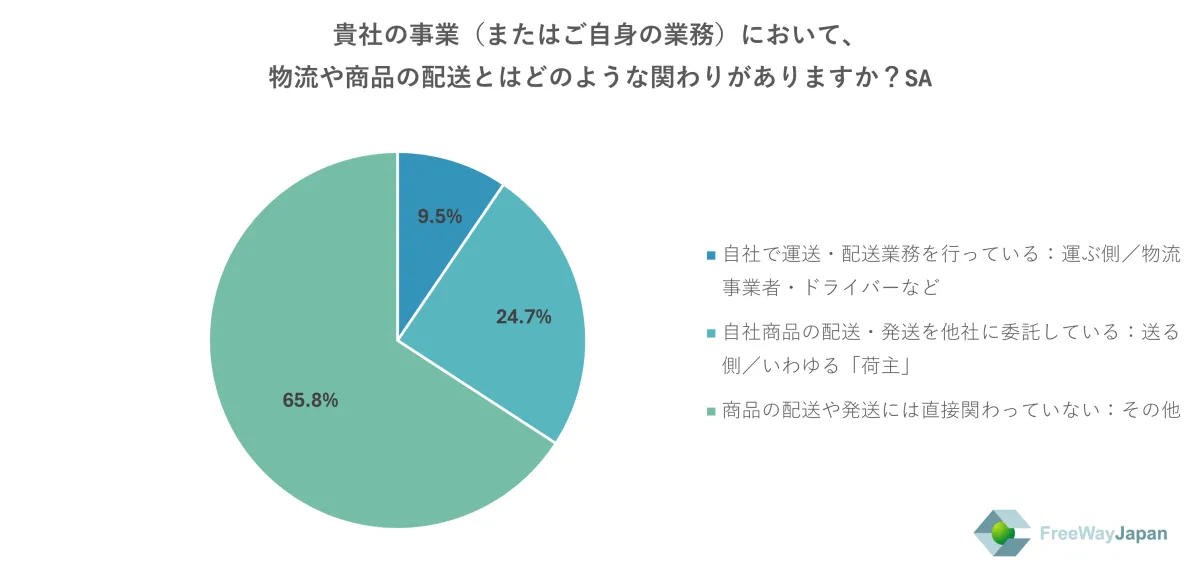
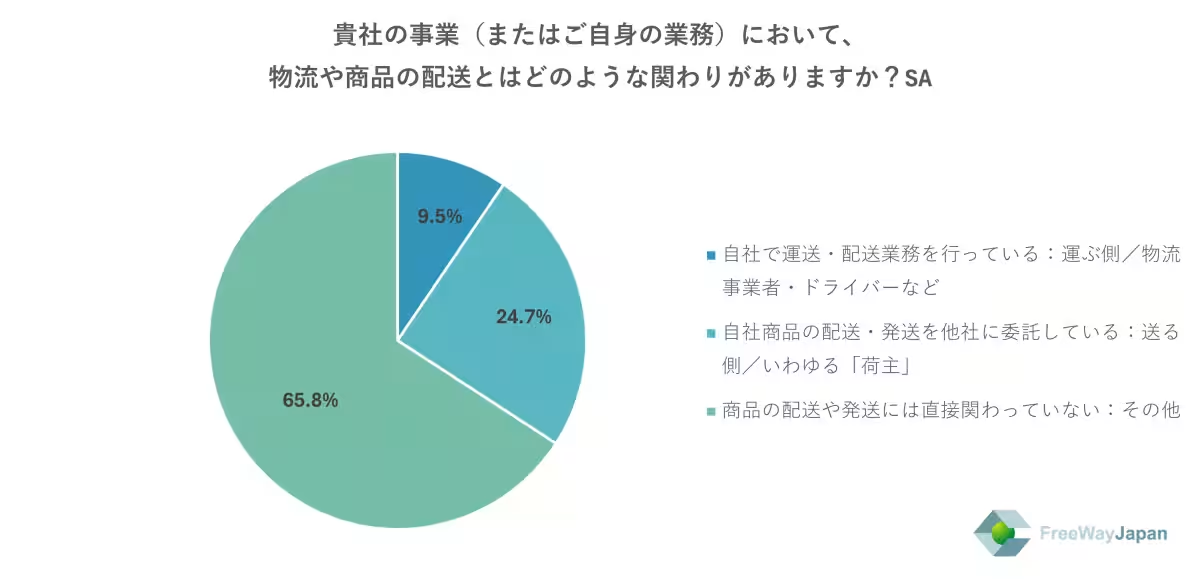
The survey, titled "Revised Logistics Law Awareness Survey," was conducted online from April 7 to April 13, 2026. It comprised responses from 316 individuals associated with small to medium-sized enterprises (SMEs). Notably, the survey sought to understand the awareness of the "Logistics 2026 Problem" and corresponding preparations among business owners.
Key Findings
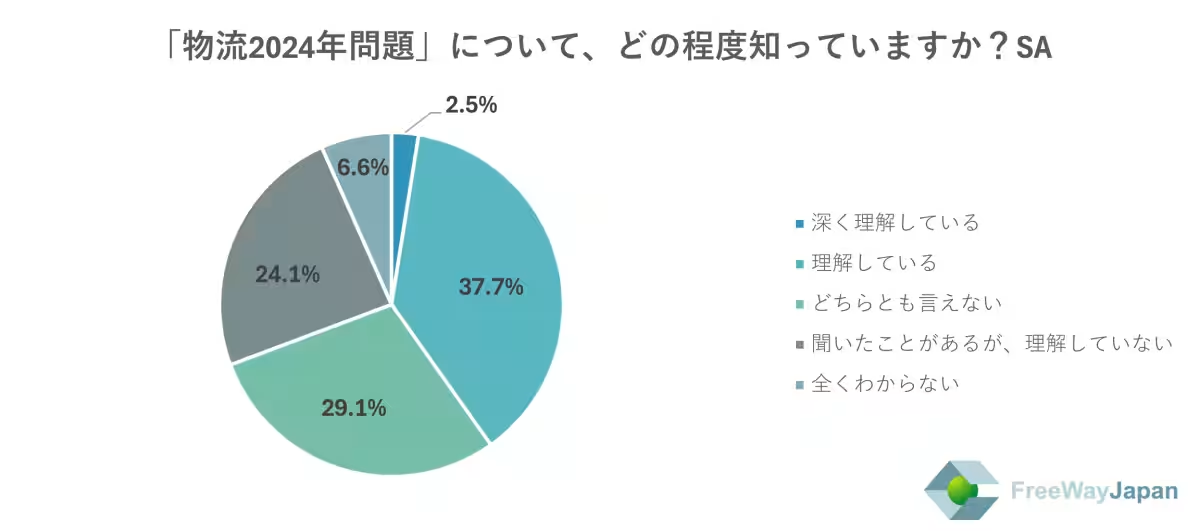
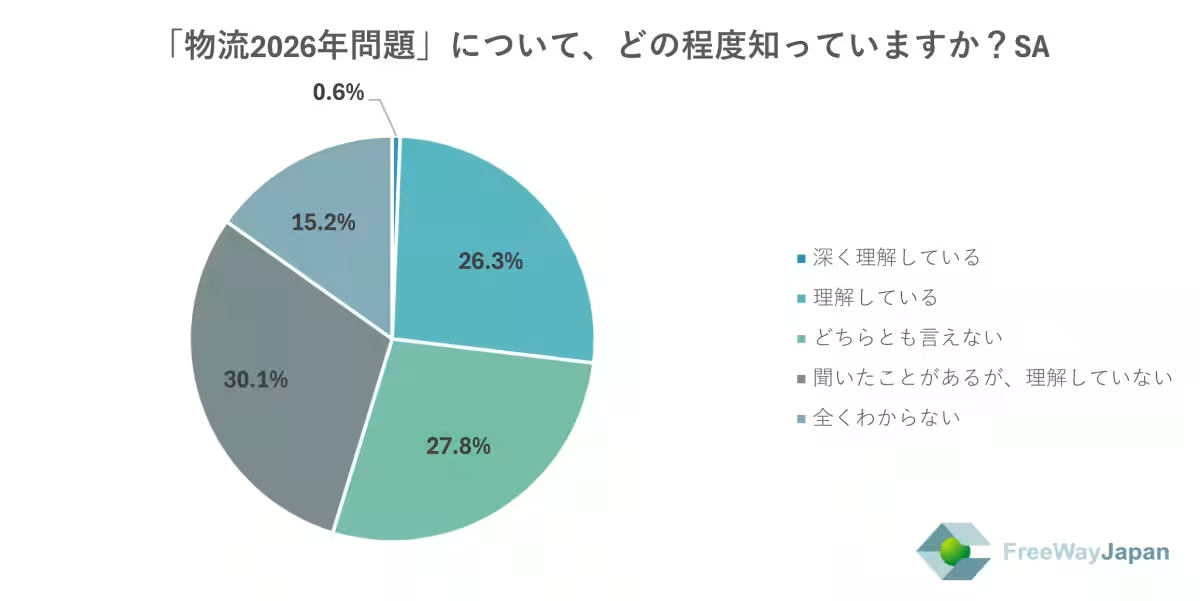
1. Awareness Levels: A disquieting 26.9% of respondents were aware of the "Logistics 2026 Problem," which is notably lower than the 37.7% recognition for the "Logistics 2024 Problem." This indicates a general lack of awareness regarding the forthcoming issues tied to the logistics industry.
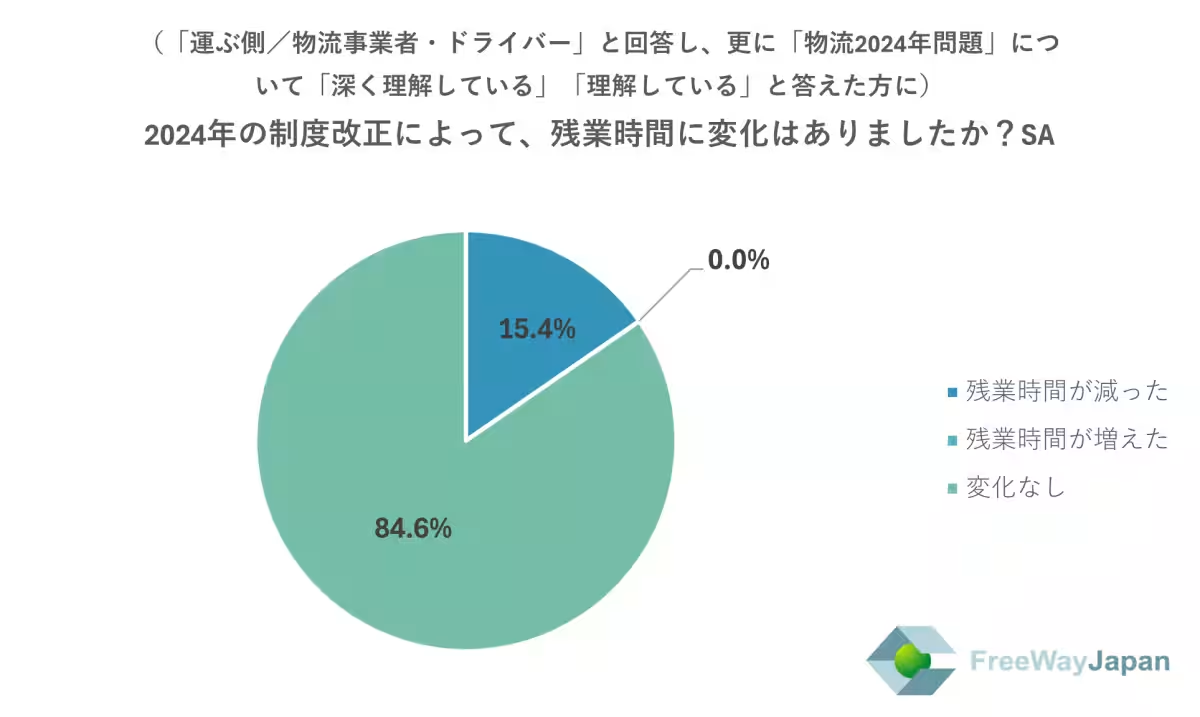
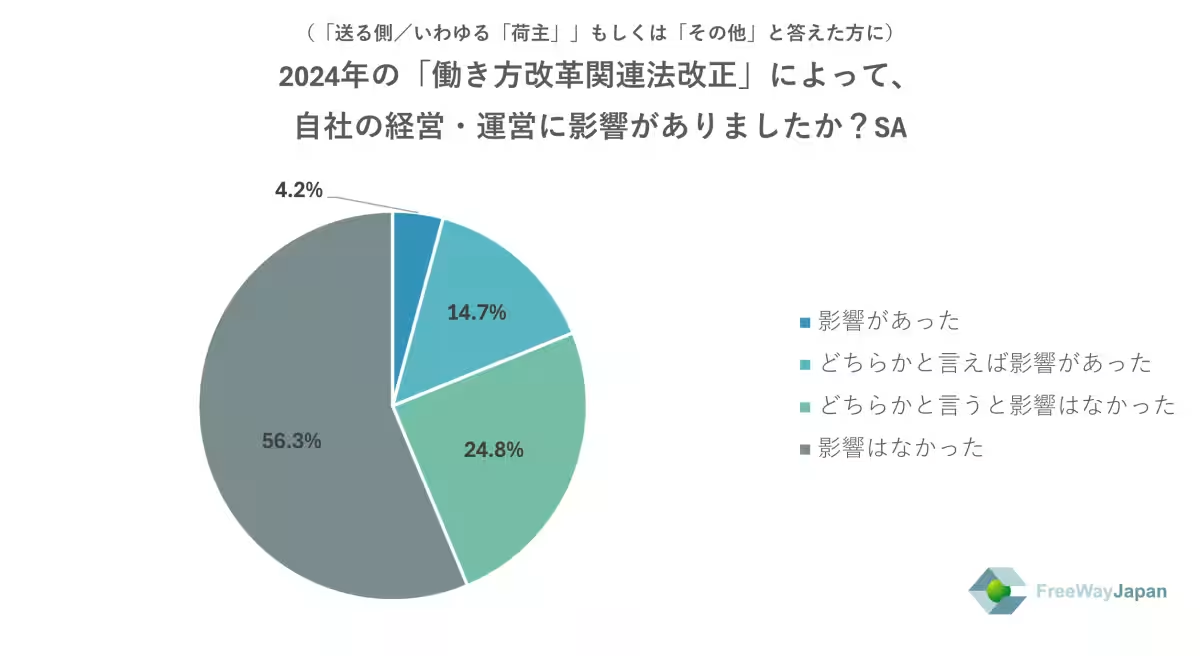
2. Impact on Operations: When asked if the revised logistics regulations would lead to changes in overtime hours for carriers and drivers, an overwhelming 84.6% responded with "no change." This suggests that the anticipated reforms may not yet be penetrating the practical operational realities that these businesses face.
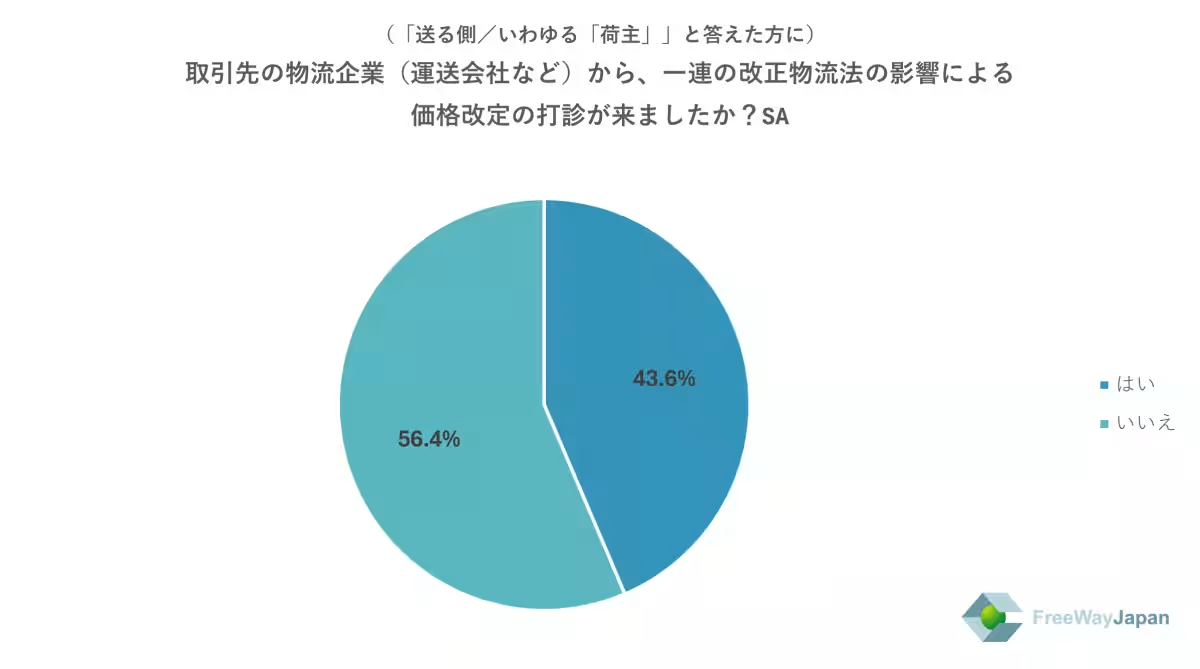
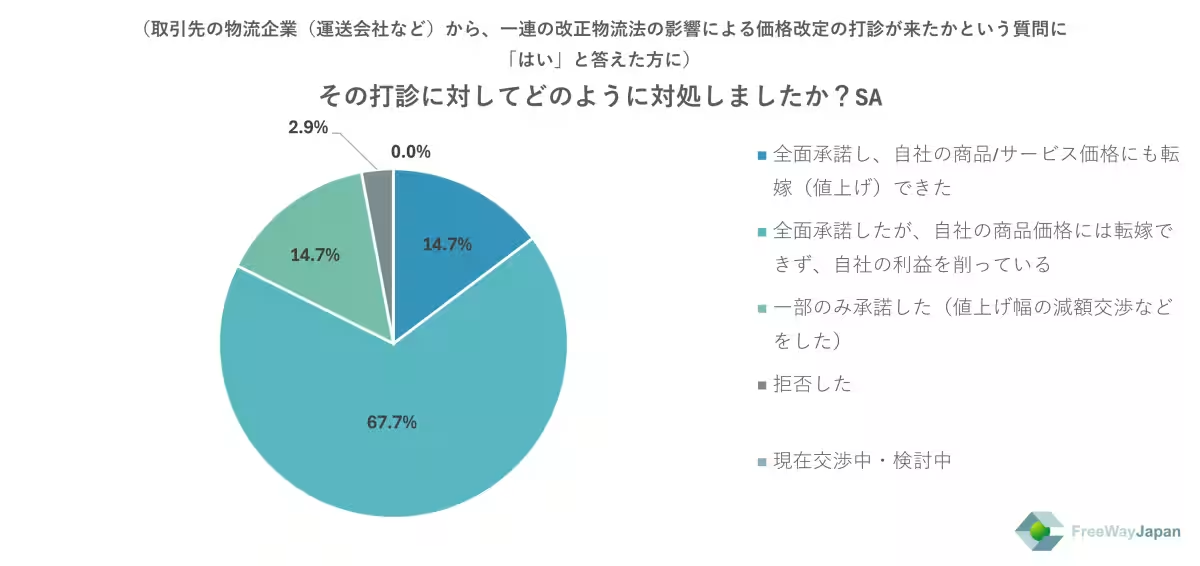
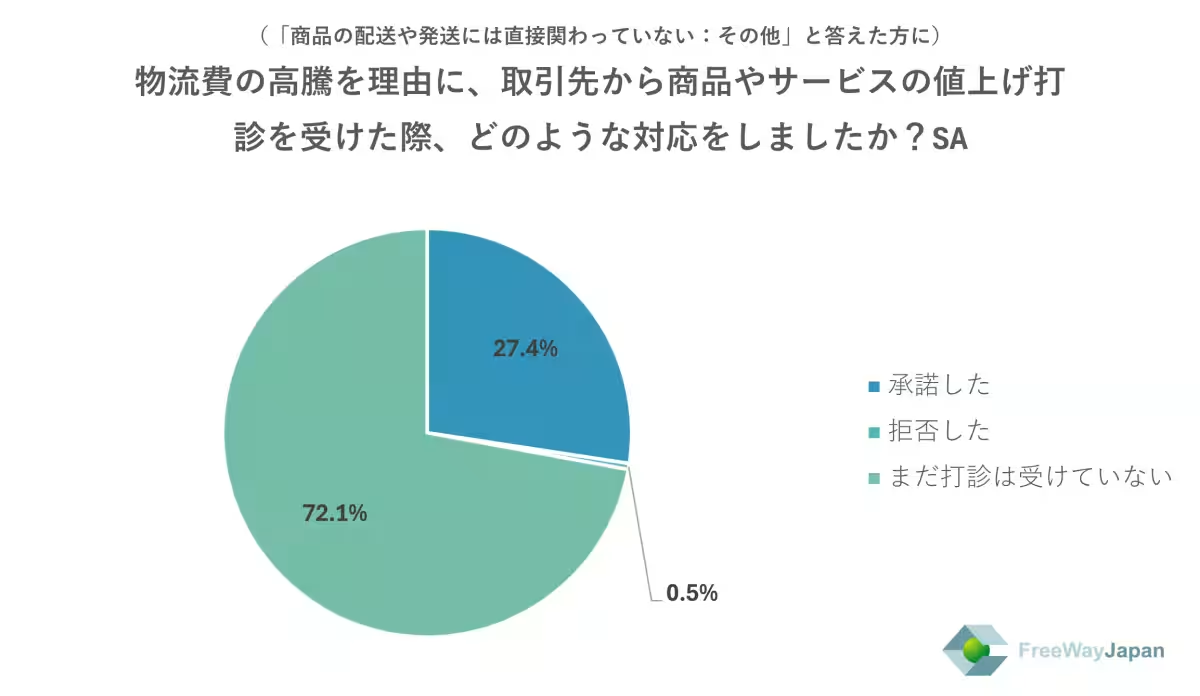
3. Price Adjustment Discussions: Approximately 43.6% reported having received inquiries from their logistics providers about necessary price adjustments due to the implications of the new logistics laws. Strikingly, 82.4% of those who encountered such inquiries agreed to the changes, despite similar pressures not being reflected in pricing adjustments for their own products, leading to diminished profit margins.
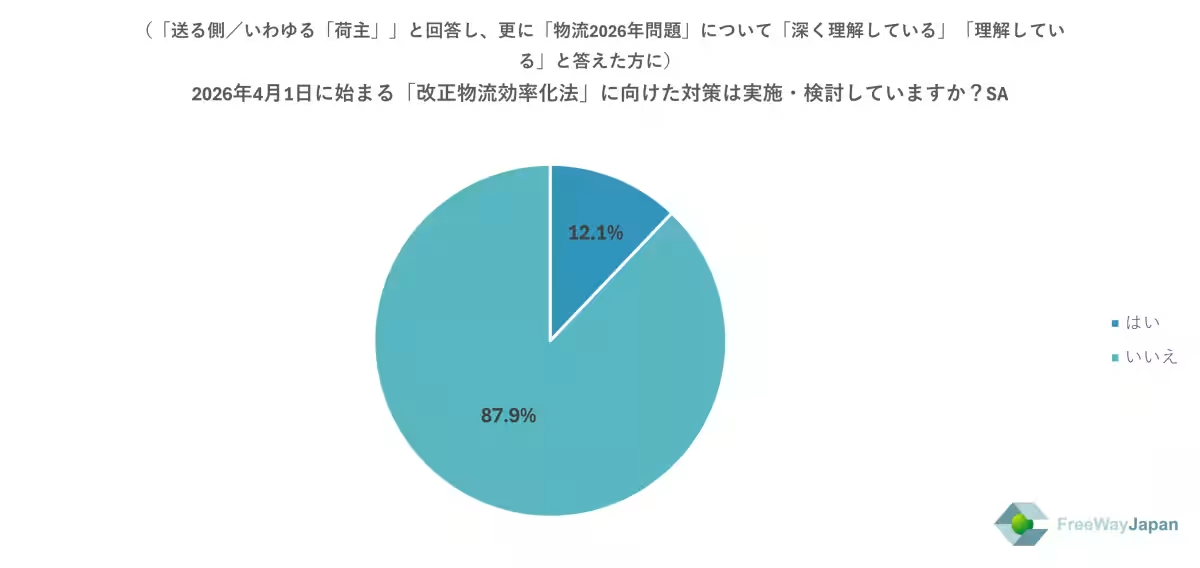
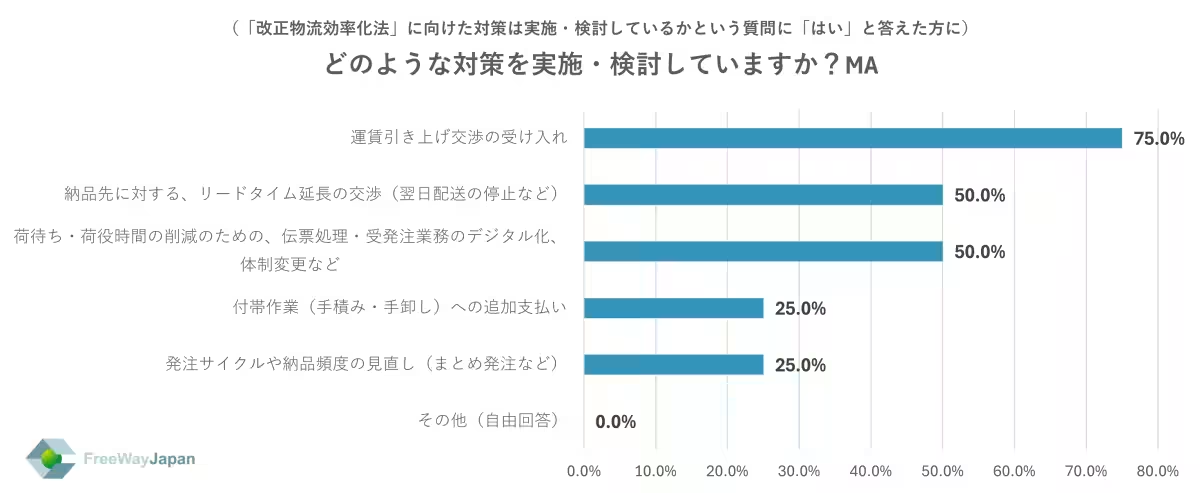
4. Operational Improvements: Around 12.1% of businesses reported initiating or considering measures to comply with the revised logistics efficiency law. Despite a modest showing of proactive responses, the low figures indicate a broader hesitancy among many SMEs to engage with the changes.
Anticipated Changes and Industry Challenges
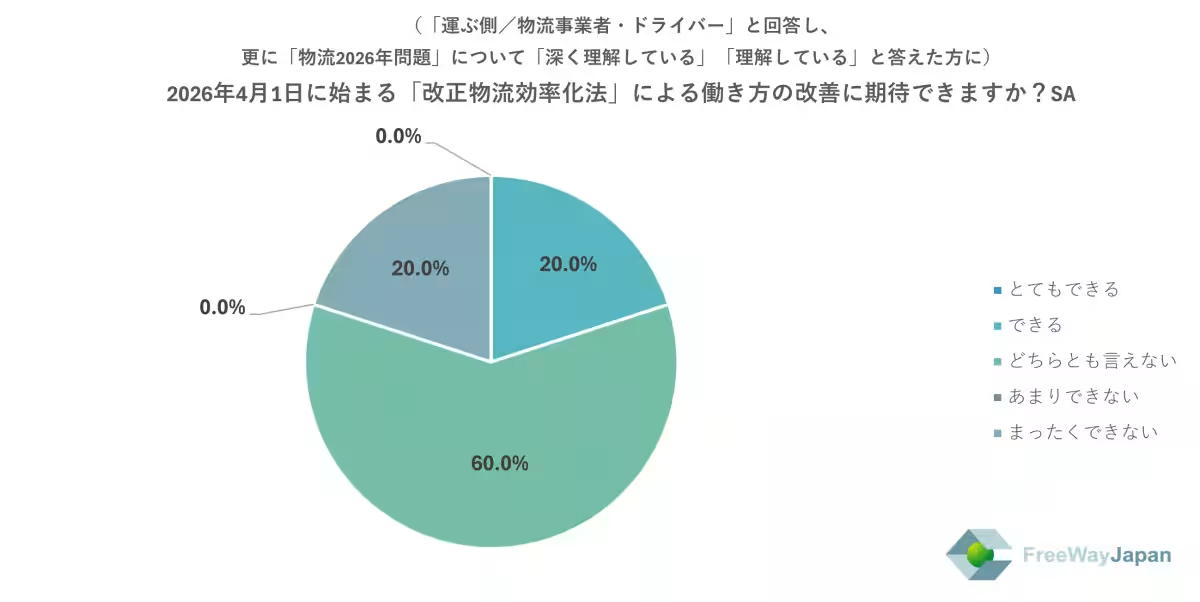
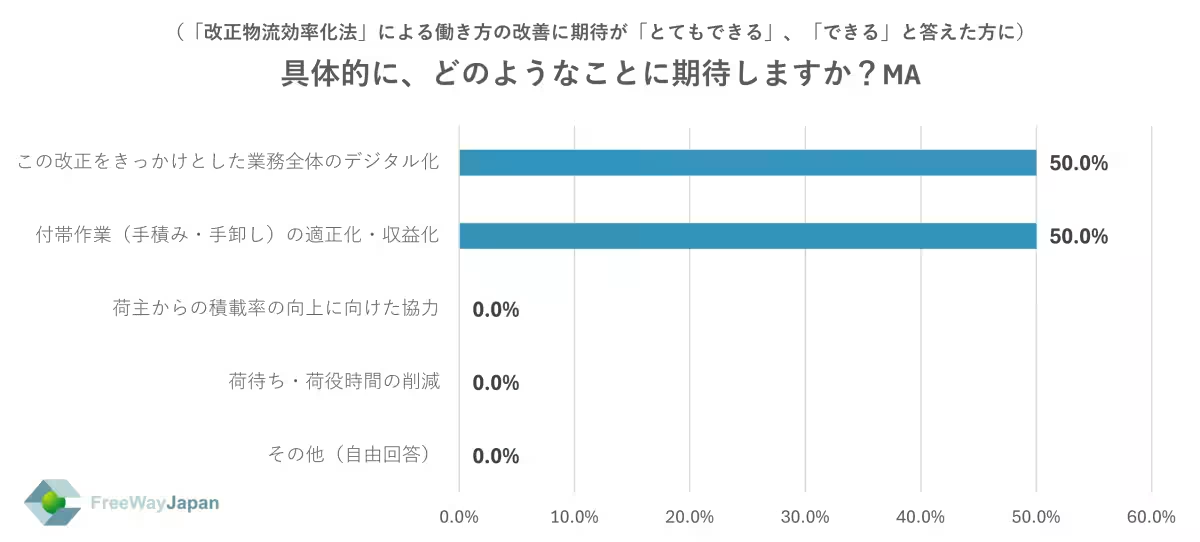
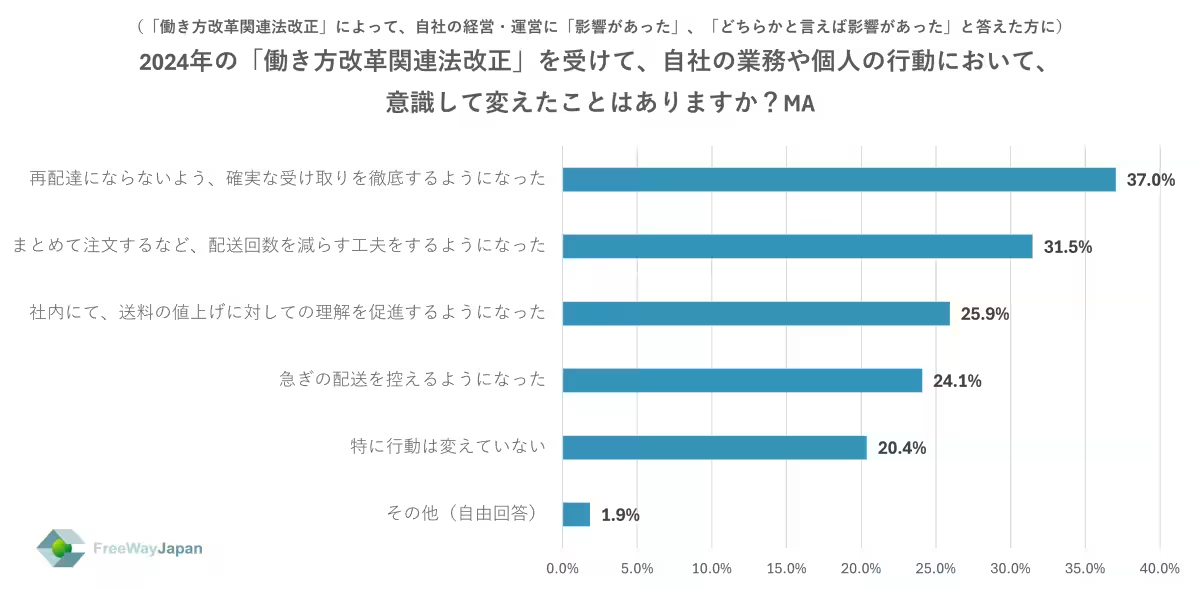
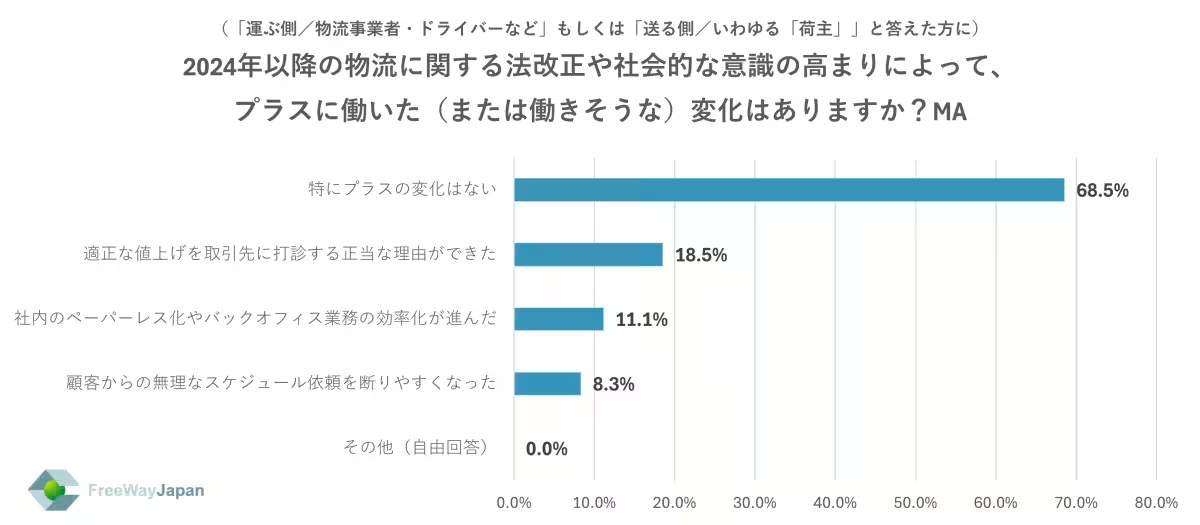
Looking towards the future, on the operational side, 20% of respondents still expressed optimism regarding improvements in work conditions due to the new laws, citing anticipated optimizations in processes and operational adjustments. However, the belief that the 2026 reforms would bring about tangible changes was met with significant skepticism by many.
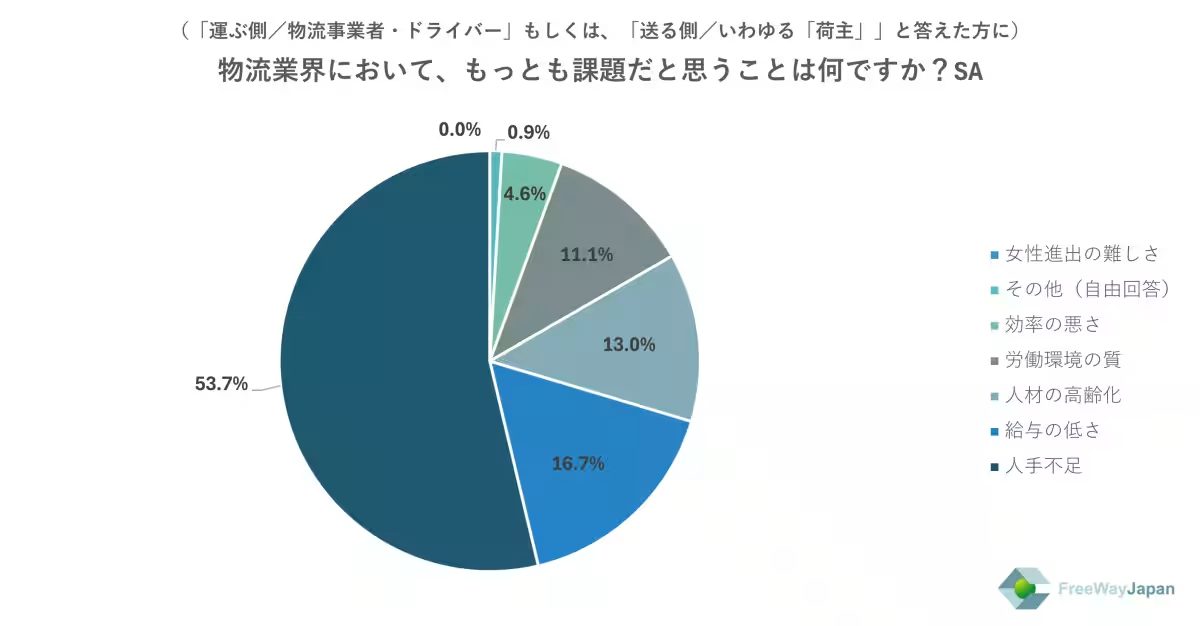
A persistent issue revealed by the survey was the overall shortage of workforce—a critical concern for 53.7% of respondents. Coupled with fears around compensation stagnation and an aging workforce, these insights underscore major hurdles that the logistics industry must surmount to thrive in a post-2026 landscape.
Endorsement of Reform
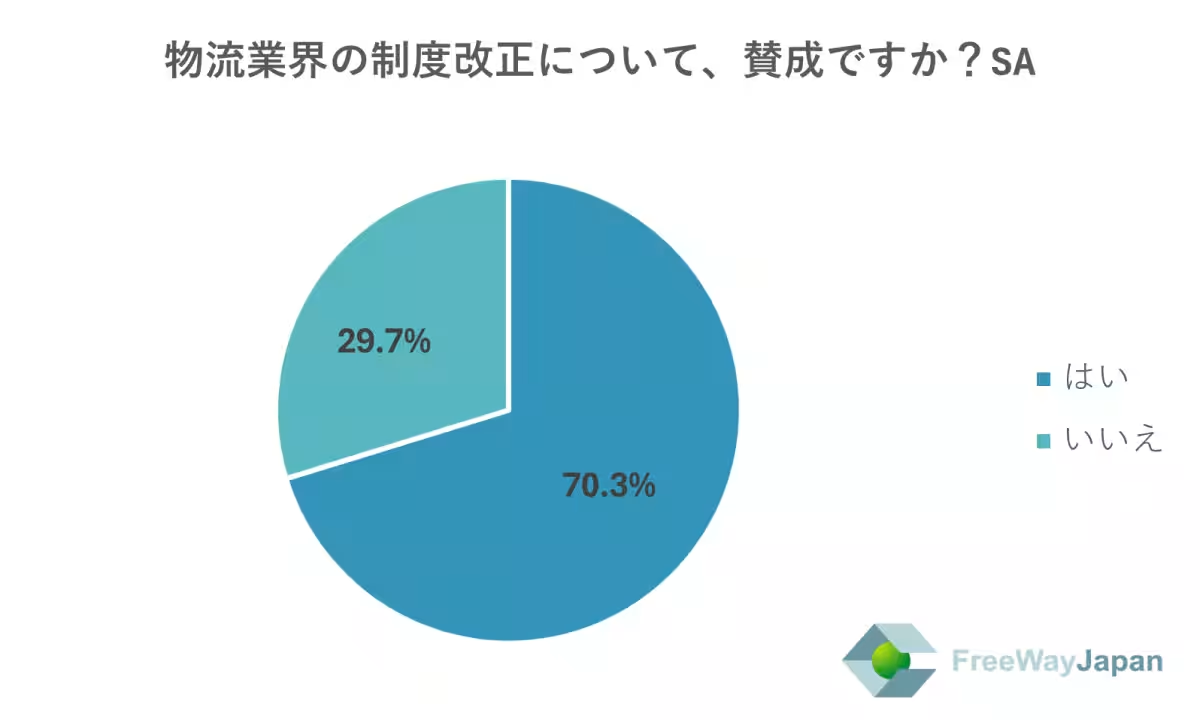
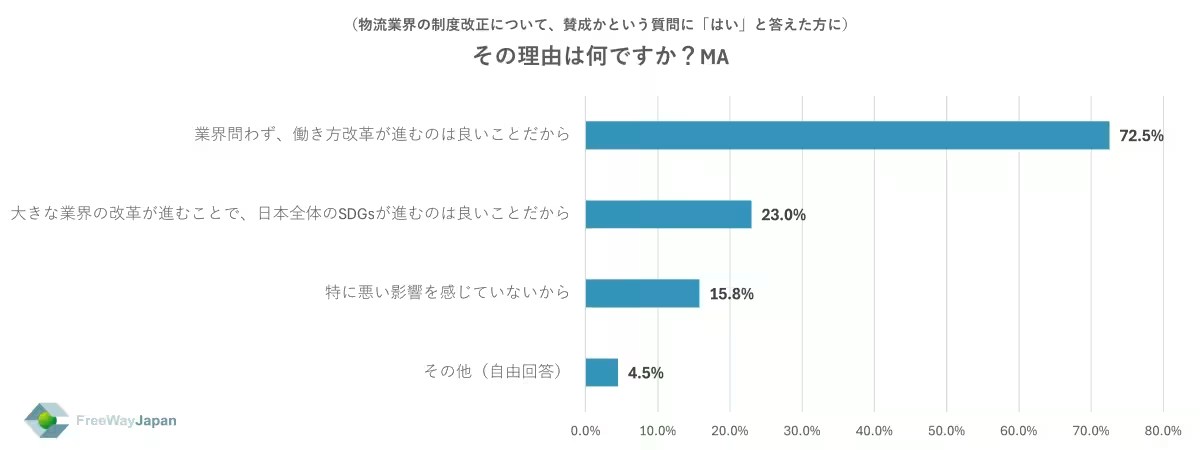
Despite the challenges, a commendable 70.3% of surveyed individuals expressed support for the ongoing reforms in the logistics sector. The motivations cited included the belief that reforms align with broader objectives of improving working conditions across industries and advancing the overall Sustainability Development Goals (SDGs) in Japan.
Conclusion
The survey by Freeway Japan highlights both the finite understanding and acknowledgment of the implications of the revised logistics law among SMEs. It further illustrates the necessity for sustained education and advocacy to alleviate uncertainties and encourage proactive adjustments that align with forthcoming regulatory changes.
As businesses gear up for what lies ahead, initiating deeper discussions surrounding logistics efficiency and compliance will be crucial for navigating the complex landscape of small to medium enterprise logistics management.
Topics Other)
【About Using Articles】
You can freely use the title and article content by linking to the page where the article is posted.
※ Images cannot be used.
【About Links】
Links are free to use.