



D-TRAX: A New Framework for Automotive Development in the SDV Era
Revolutionizing Automotive Development with D-TRAX
In an era defined by the rapid evolution of Software Defined Vehicles (SDV), Dentsu Soken, headquartered in Tokyo, Japan, has unveiled its innovative framework known as D-TRAX. This new approach is designed to transform automotive planning and development processes, effectively addressing the pressing challenges presented by the evolving automotive landscape. Starting June 9, 2026, Dentsu Soken will offer consulting services tailored to support companies in leveraging D-TRAX for their automotive development initiatives.
The Concept Behind D-TRAX
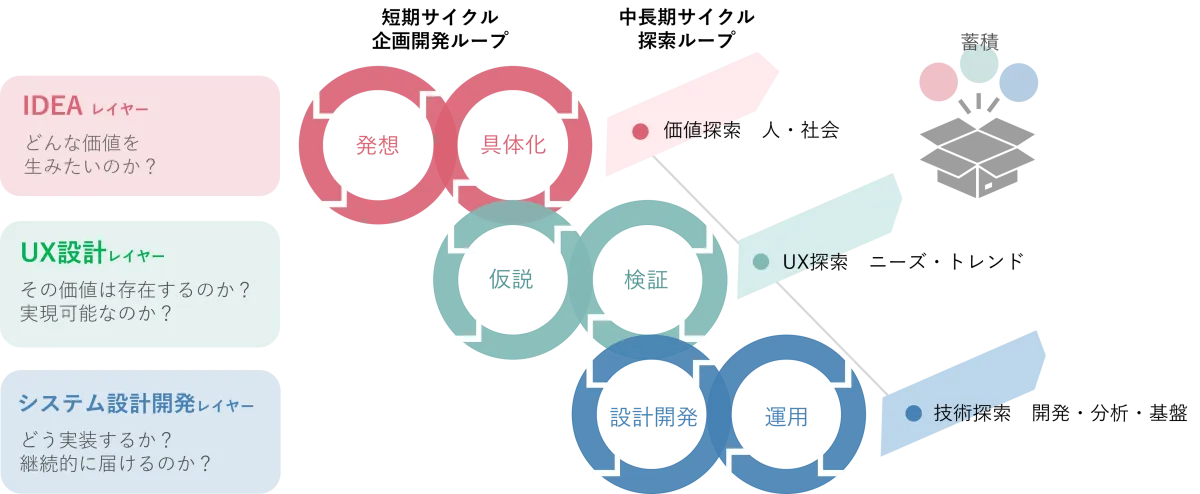
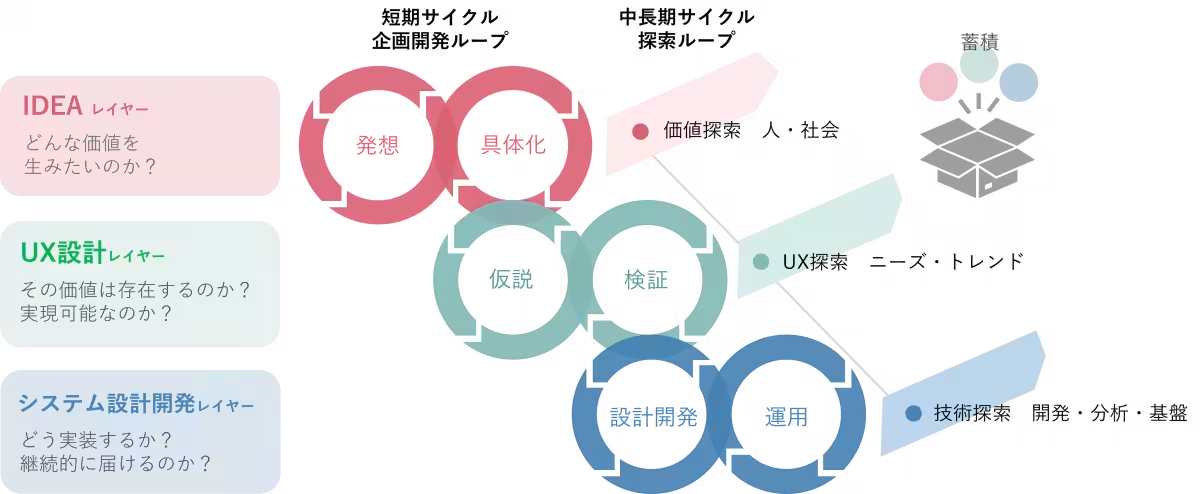
D-TRAX stands for "DENTSU SOKEN Dual-Track Architecture eXploration & eXperience Transformation." Its core concept revolves around a dual-track approach that distinguishes between short-term development cycles and long-term exploratory efforts. The framework enables companies to validate value hypotheses while advancing automotive design and development processes. As the automotive industry transitions from a hardware-centric model to one prioritizing software and customer experience, the necessity for continuous updates post-delivery increases. D-TRAX is tailored to facilitate this evolution.
Background of D-TRAX Development
The automotive sector is experiencing a paradigm shift, propelled by the acceleration of SDV adoption. Traditionally, focus has been placed on hardware-centered development methodologies that prioritize completion over adaptability. However, as technologies such as generative AI enhance the speed of planning, designing, and validating cycles, companies must adapt to swiftly changing market dynamics and customer values. Unfortunately, many organizations remain entrenched in a development culture that prioritizes safety and quality, leading to fragmented decision-making processes. In such environments, the introduction of agile methodologies and technological tools often falls short, stifling innovation and creative thinking.
D-TRAX seeks to resolve these challenges by establishing a structure that promotes the continuous testing of small value hypotheses and facilitates a common language around value and validation across the organization.
Two Distinct Timelines in D-TRAX
D-TRAX intentionally divides the planning and development process into two distinct timelines:
1. Short-Term Loop (1 to 3 months): This phase emphasizes building learning assets rather than focusing solely on outcomes. It looks to clarify decision-making based on hypothesis verification history. By fostering psychological safety, organizations are encouraged to embrace early failures as learning opportunities.
2. Medium to Long-Term Loop (6 months to several years): This phase is about continually exploring changes in people, society, technology, and services, systematically capturing future value signals. It establishes a framework to maintain long-term exploratory activities that may otherwise be sidelined in daily operations.
Key Features of D-TRAX
- - Transitioning to planning and design approaches that treat value definitions as hypotheses, accumulating validation results as decision-making inputs.
- - Operating short-term development activities and long-term exploratory efforts along parallel tracks, each assessed on its merits without conflating the two.
- - Standardizing the accumulation of hypothesis and validation histories as organizational knowledge, emphasizing understanding what hypotheses were tested and what insights were gained rather than simply cataloging successes and failures.
D-TRAX Support Themes
Some examples of supporting themes include:
- - Assisting in SDV service planning and facilitating loops for new value development in IVI and UX domains.
- - Prototyping support aimed at validating value hypotheses.
- - Creating frameworks to accumulate and utilize planning and development insights effectively.
Future Prospects
Dentsu Soken is committed to supporting organizations in continuous value creation even after product or service delivery through frameworks like D-TRAX. The company aims to foster dialogues and validations with client companies, thereby advancing the planning and development structures essential for the SDV era. By promoting cross-innovation transcending industries and societal borders, Dentsu Soken is poised to reshape the future of automotive development, paving the way for a continuously evolving societal landscape.
For more information on Dentsu Soken and its initiatives, visit Dentsu Soken.
Topics Consumer Technology)
【About Using Articles】
You can freely use the title and article content by linking to the page where the article is posted.
※ Images cannot be used.
【About Links】
Links are free to use.