



Understanding Adult Insect Bites: Prevention and Care for Skin Aftermath
Understanding Adult Insect Bites: Insights and Care
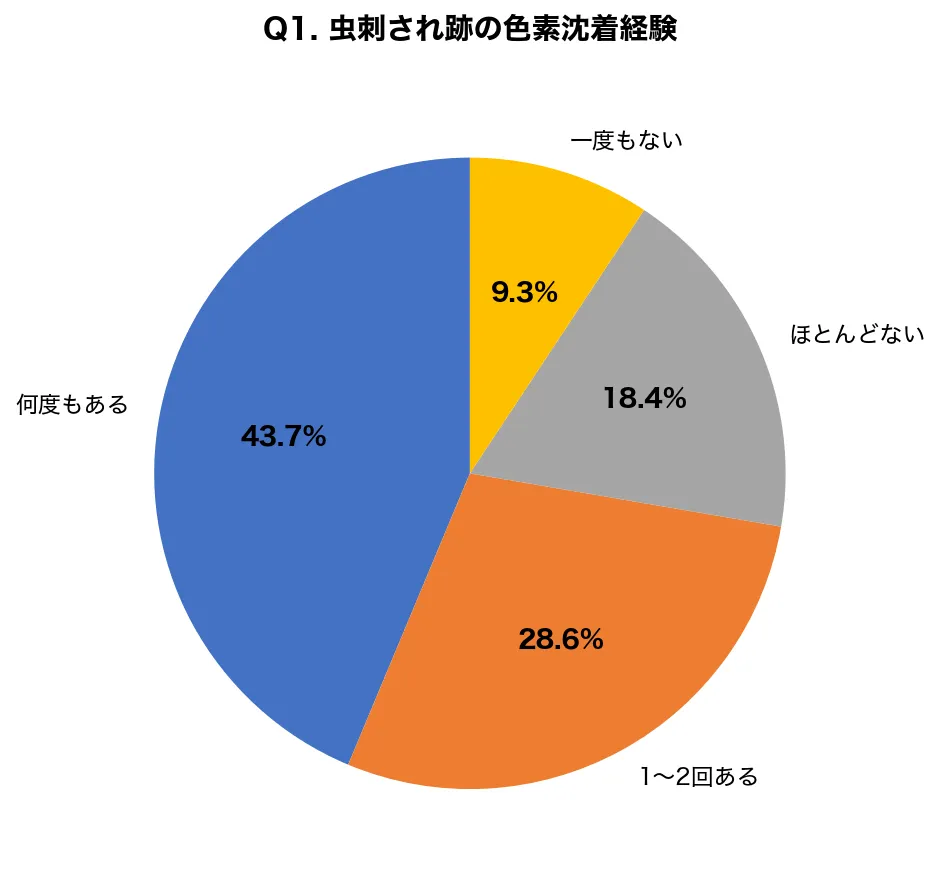
As summer approaches, incidents of insect bites rise, particularly among adults. Recent research conducted by I.C. Clinic has unveiled significant statistics related to how many adults experience lasting marks from insect bites. An alarming 72.3% of respondents reported having darkened spots left behind, primarily due to post-inflammatory hyperpigmentation (PIH), particularly exacerbated when individuals scratch the affected area. In this article, we explore the findings of this survey and discuss effective care options to help prevent and treat these unwanted skin marks.
Key Findings from the Survey
The survey aimed to understand the experiences of adults aged 20-50 who had encountered insect bites in the past year. Conducted between June 15 and June 24, 2026, it revealed that:
- - A whopping 72.3% of participants experienced dark spots after insect bites.
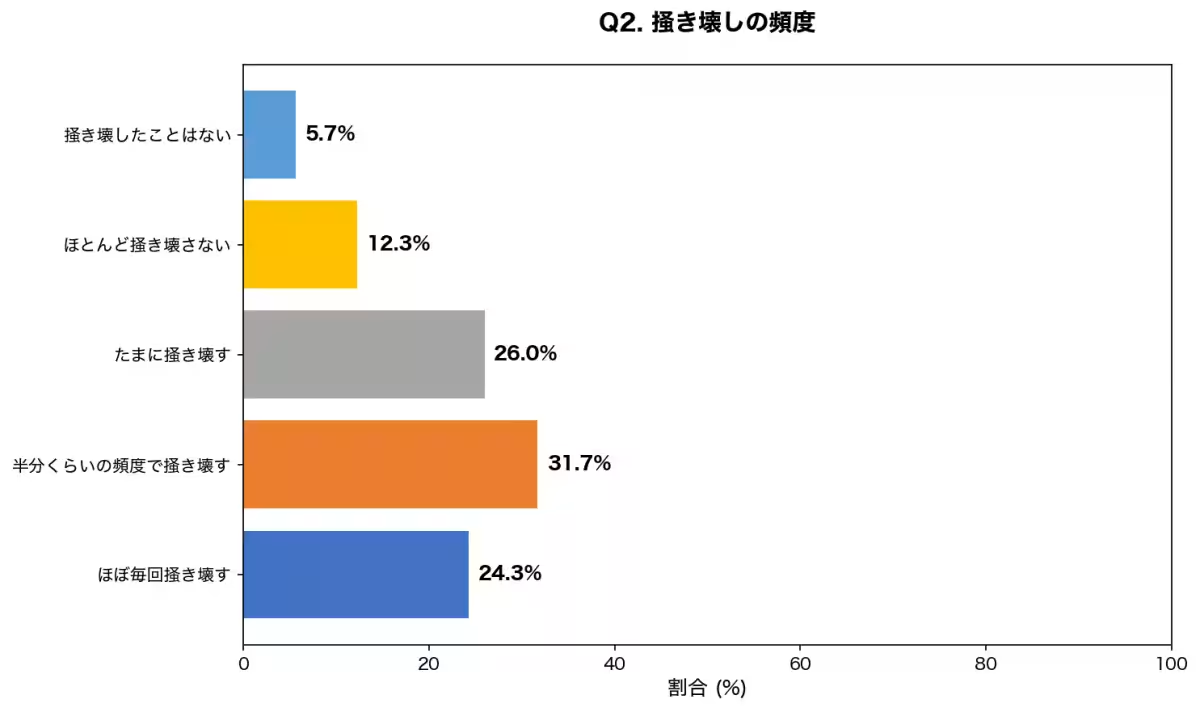
- - Among those who scratched the bites, 58.7% reported also struggling with discoloration.
- - Notably, 83.6% of those who followed appropriate initial care measures found they had fewer remaining marks.
These figures highlight a concerning trend: many adults are not only frequently affected by insect bites, but most are also prone to scratching them, which leads to longer inflammation periods and higher risks of discoloration.
Understanding Post-Inflammatory Hyperpigmentation (PIH)
Post-inflammatory hyperpigmentation occurs when the skin darkens after an inflammatory event, such as an insect bite. Inflammation triggers the activation of melanocytes, leading to the overproduction of melanin. Research indicates that Asian skin, including Japanese skin, is more susceptible to this condition compared to Caucasian skin, making it an issue many individuals need to be aware of.
The Importance of Proper Response
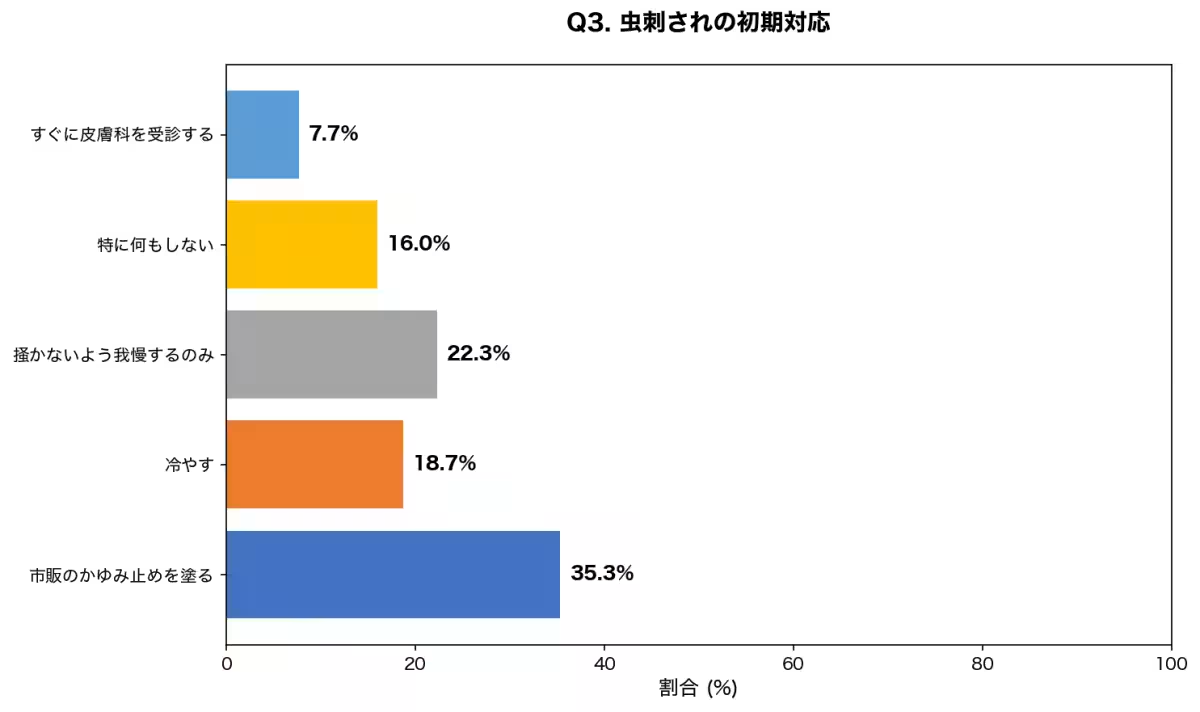
Scratch-induced inflammation can prolong healing, resulting in unsightly marks that affect self-esteem and quality of life. During the summer, when insect bites are common, it is critical to handle these incidents correctly. The survey revealed that only 54.0% of respondents usually applied proper initial treatments, such as topical steroids or ice packs, whereas a significant portion of participants simply refrained from taking action or attempted to endure the pain.
The risk of persistent marks is substantially lower for individuals who swiftly address the inflammation. The data showed that those adhering to initial care protocols experienced fewer residual marks than those who scratched the itchy areas.
Effective Care Techniques for Insect Bites
1. Cool the Area Immediately: Apply ice packs to the affected area to reduce inflammation and itching right after being bitten.
2. Use Steroid Creams: Early application of hydrocortisone cream can significantly help in decreasing inflammation and preventing further skin damage.
3. Prevent Scratching: To avoid severe scratching during sleep, consider covering the area. By doing so, you reduce the chances of worsening inflammation and potential discoloration.
4. Post-Inflammation Care: Once the immediate inflammation subsides, implementing a diligent skincare routine involving hydration and sun protection becomes crucial. This can minimize discoloration opportunities.
Importance of UV Protection
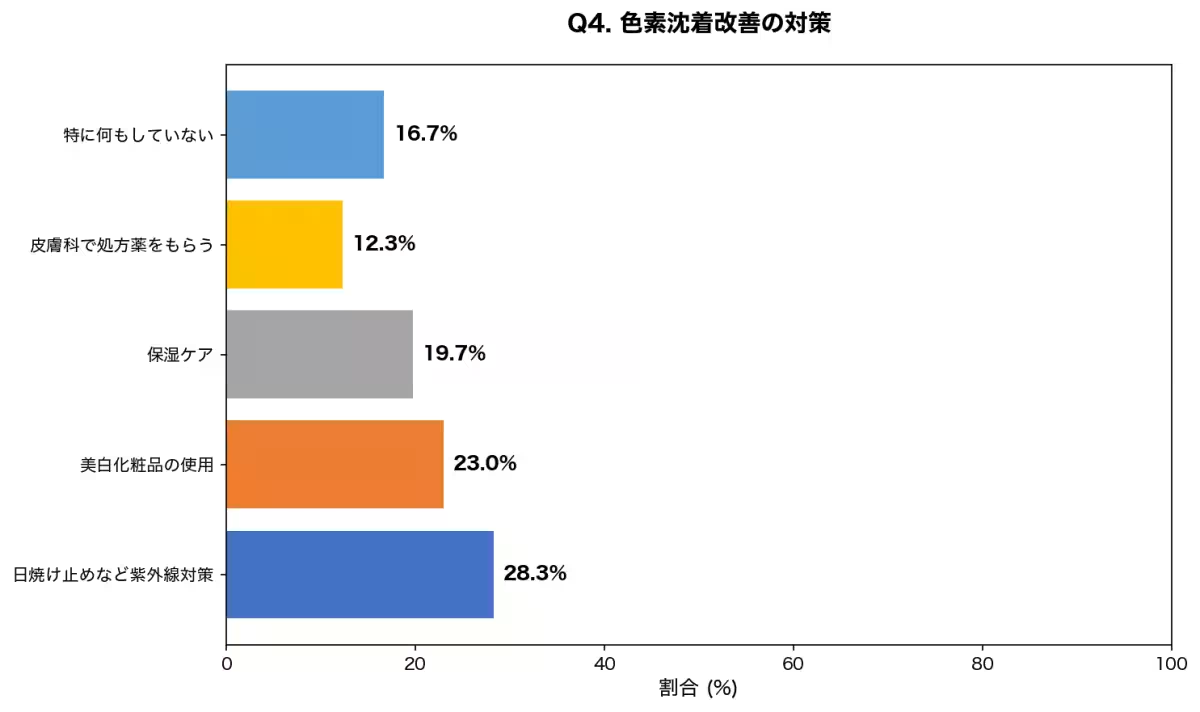
UV exposure can lead to further skin damage, worsening any existing discoloration. Interestingly, survey respondents rated UV protection as the most effective measure for preventing marks caused by insect bites, higher than any other treatment option. Maintaining skin coverage with sunscreen can help lighten pre-existing marks and shield the affected areas from future harm.
Conclusion
The survey results starkly illuminate the challenges faced by individuals regarding insect bites and subsequent skin issues. With a proactive approach, adults can significantly mitigate the risks associated with insect bites. Recognizing the importance of immediate care, along with continuous management, can help prevent devastating skin implications such as long-lasting discoloration. With appropriate action post-insect bites, individuals have a greater chance of keeping their skin clear and healthy, diminishing the worry that comes with blemished skin.
By adhering to expert advice, such as that provided by Dr. Kōta Takakuwa from I.C. Clinic — with his vast clinical experience in dermatology — adults can stand up to the summer season without fear of permanent marks from pesky insects. Let's embrace effective strategies and enhance the quality of our skin this summer.
For any persistent skin issues or if discoloration does not improve over time, it is advisable to seek clinical assistance, especially if you observe signs of infection or extended inflammation.
Topics Health)
【About Using Articles】
You can freely use the title and article content by linking to the page where the article is posted.
※ Images cannot be used.
【About Links】
Links are free to use.