



Exploring the Fundamental Issues of Japan's New Voting Rules for Constitutional Amendments
Celebrating 80 Years of Japan's Constitution: A Closer Look
On August 6, 2023, the Pal System Federation in Shinjuku, Tokyo, held an enlightening online event marking the 80th anniversary of Japan's Constitution. This event gathered approximately 220 participants, all of whom engaged in discussions about the significance of the constitution and the challenges surrounding the national referendum system for constitutional amendments.
The Current State of Constitutional Reform Debate
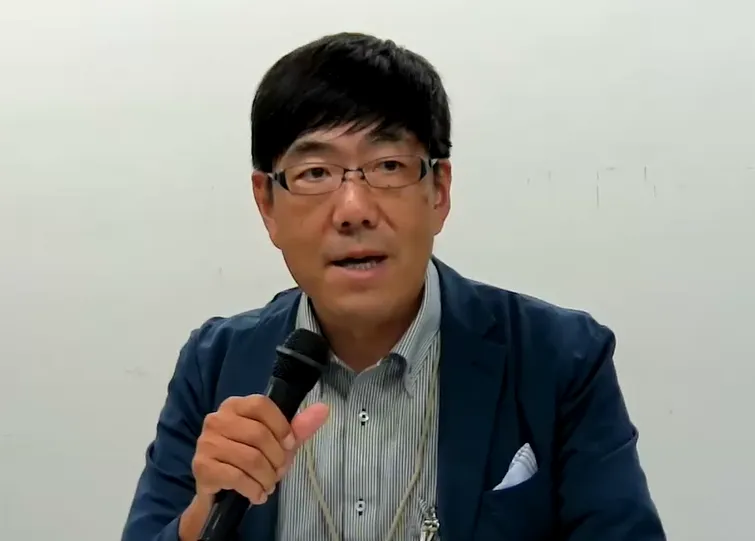
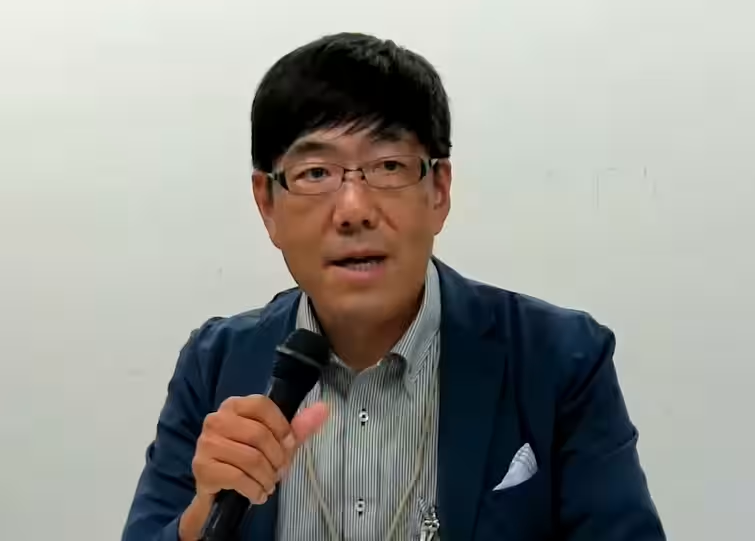
The event featured insights from Yoshinori Nanbu, head of the National Referendum Research Institute, who shared his extensive knowledge of constitutional matters. Nanbu, a seasoned political aide and lecturer at Keio University, emphasized the importance of understanding the foundation of Japan's Constitution and the ongoing debates regarding its amendment, including discussions around Article 9 and emergency provisions. He questioned whether the rules governing the national referendum are truly fair and just, especially with the aim of presenting an amendment proposal by the fiscal year 2026.
The Essence of the Constitution: Protecting Individual Rights
Nanbu articulated that the constitution serves as a mechanism for safeguarding individual rights and freedoms. He pointed out the crucial role of Article 13, which highlights individual dignity and the right to pursue happiness. Furthermore, he stressed that fundamental human rights are acknowledged as unassailable rights under Articles 11 and 97.
He categorized these rights into three main types:
- - Civil Rights (liberty rights ensuring mental, physical, and economic freedoms),
- - Social Rights (ensuring the right to live and receive education), and
- - Equality Rights (ensuring equality before the law).
He also included the electoral rights and claims to reinforce the concept of participatory rights that enable citizens to express their will during constitutional referendums.
Limitations of Constitutional Amendments and Referendum Procedures
As outlined in Article 96, amending the constitution requires a two-thirds majority approval in both houses of the National Diet, followed by a majority vote in a national referendum. However, amendments cannot simply dismantle the principles of popular sovereignty or fundamental human rights laid out within the constitution. Nanbu urged that citizens must remain vigilant and act as the 'guardians of the constitution' to ensure these limitations are not breached.
With political dynamics within the Diet changing, various parties have indeed shown intentions to propose constitutional amendments by 2026. However, Nanbu acknowledges that significant disagreements exist within and between parties, making genuine consensus challenging.
Are National Referendum Laws Truly Fair?
Looking ahead to actual national referendums, Nanbu observed that the period for campaigning could range from 60 to 180 days. Even though voters enjoy greater freedom during this time compared to standard elections, significant vulnerabilities exist within the current framework. He pointed out that the lack of funding regulations and financial disclosure for campaign organizations could inadvertently favor wealthier factions.
To foster a genuinely equitable referendum process, Nanbu urged the need for robust legislative reforms. This includes registering campaign organizations, clarifying funding sources, and setting financial caps alongside transparency through public reporting. Additionally, he proposed a prohibition against digital advertising starting two weeks before the vote date and ensuring fairness in presentation settings by digital platforms.
As misinformation, particularly through emerging technologies like AI, poses a serious threat to the democratic process, he emphasized the importance of active engagement from citizens and the Media in counteracting false narratives.
In conclusion, Nanbu predicted that national referendums will largely revolve around digital platforms and called for continuous monitoring of these entities so that reliable information can reach the electorate right up to the vote.
The Pal System will continue to consider local issues alongside its members and strive towards fostering communities where everyone’s value is recognized.
About Pal System Federation
Located at 2-2-6, Okubo, Shinjuku, Tokyo, under the leadership of Chairman Yoshiyuki Shibusawa, the Pal System Cooperative Federation represents various members across several prefectures in Japan. As of March 2026, it serves around 1.77 million members and has a total business performance of 268.96 billion yen. Engaging with issues that matter in daily life, Pal System aims to build a community that respects and cherishes every individual.
For more information, visit Pal System's official website.
Topics Policy & Public Interest)
【About Using Articles】
You can freely use the title and article content by linking to the page where the article is posted.
※ Images cannot be used.
【About Links】
Links are free to use.