



Phishing Risks Rise: Study Reveals User Misunderstanding of Legitimate Emails
Understanding the Rise of Email Phishing Misidentification
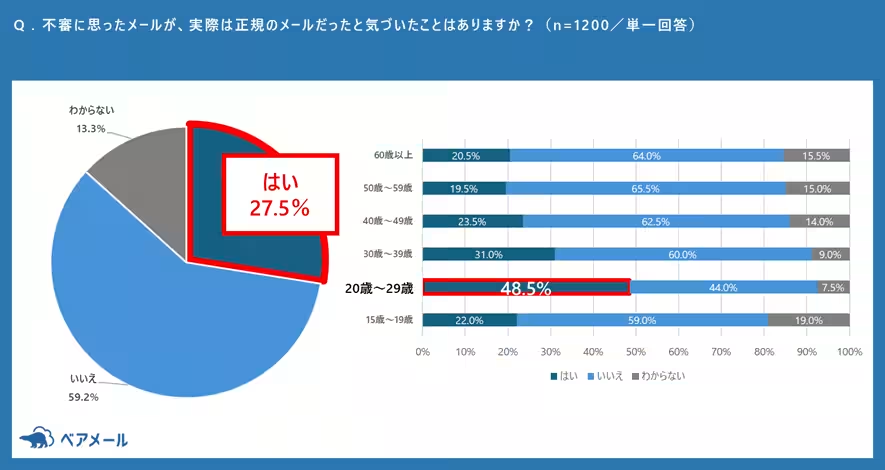
A recent study conducted by Link Co., Ltd., based in Minato, Tokyo, Japan, has brought to light a troubling phenomenon termed the "Email Misidentification Issue". This issue refers to the alarming trend where legitimate corporate emails are mistaken for phishing attempts, creating significant communication barriers between companies and their customers. The study surveyed 1,200 individuals aged between 10 and 60 and revealed that nearly one-third of the users had experienced a situation where a suspicious email they received was actually a legitimate message.
Summary of the Study Findings
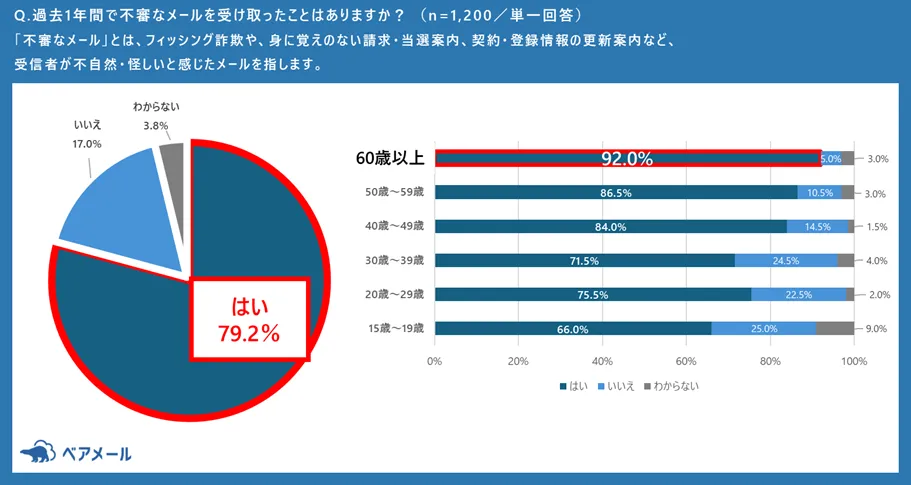
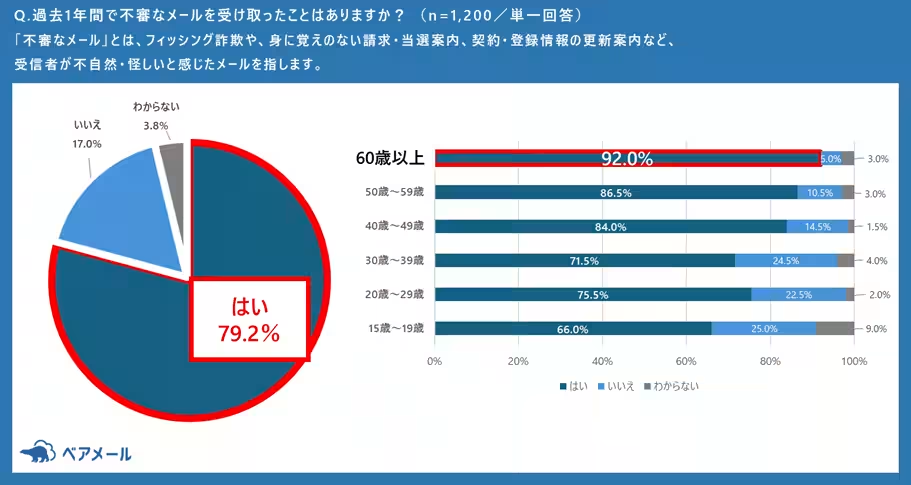
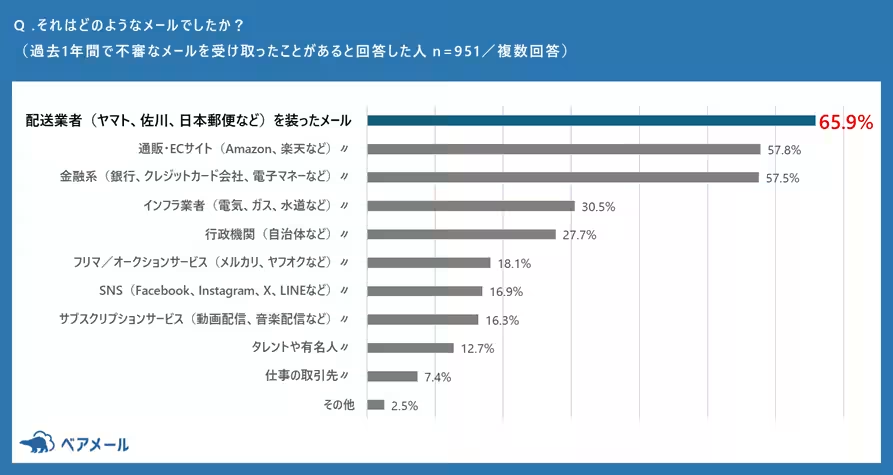
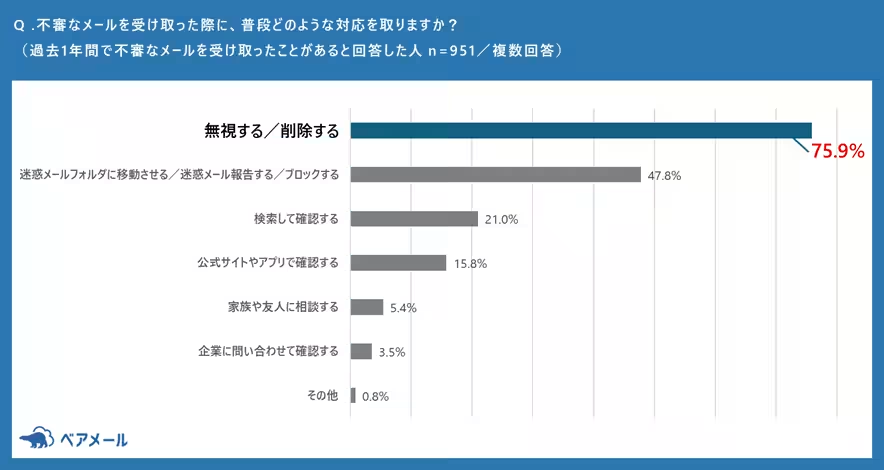
The study indicated that an overwhelming majority of respondents, about 79.2%, admitted to having received suspicious emails within the past year, and of those, 75.9% chose to ignore or delete them. This growing caution among users towards unsolicited emails is not without reason; phishing attempts disguised as emails from delivery companies, online retailers, or financial institutions are increasingly prevalent. Specifically, 65.9% of respondents highlighted receiving emails posing as delivery service notifications, followed closely by deceptive emails from e-commerce platforms (57.8%) and financial institutions (57.5%). This alarming trend points to a heightened sophistication in phishing tactics, making it difficult for users to distinguish between genuine communications and fraudulent attempts.
Key Factors for Identifying Suspicious Emails
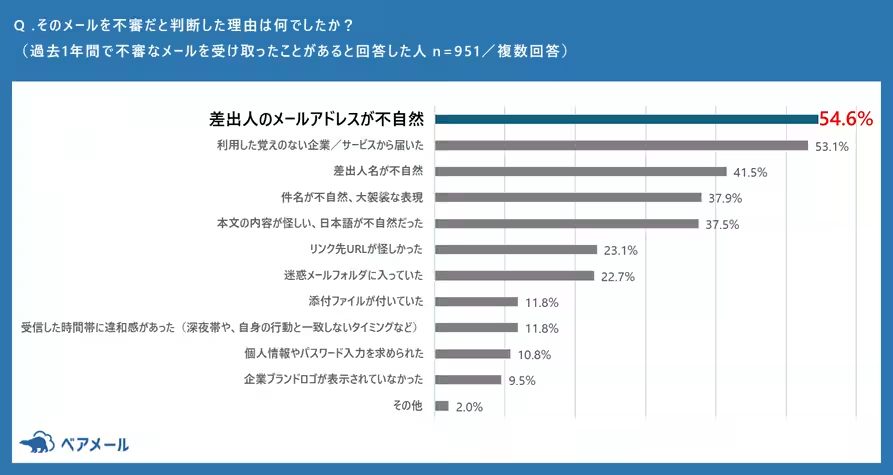
When probing deeper into what constitutes a suspicious email, individuals pointed to several indicators that raised their alarms. An excessive 54.6% cited an unnatural sender email address as a red flag, while 53.1% identified emails coming from companies they did not recognize as suspicious. This points to a growing reliance on sender information as a primary metric for determining a message's authenticity. Furthermore, users reportedly prioritize signal aspects like sender names and email addresses over content-related cues, suggesting a potential weakness in identifying sophisticated messaging designed to mimic legitimate communications.
User Responses and Organizational Implications
The user responses also underscored a significant gap in verification actions taken when encountering dubious emails. While 75.9% reacted by ignoring or deleting these emails, only 21.0% attempted to confirm the email's legitimacy through additional research. Alarmingly, 27.5% of users acknowledged that they had experienced cases where an email they initially deemed suspicious was later discovered to be legitimate. This statistic reveals a critical vulnerability within email communications that organizations cannot afford to overlook.
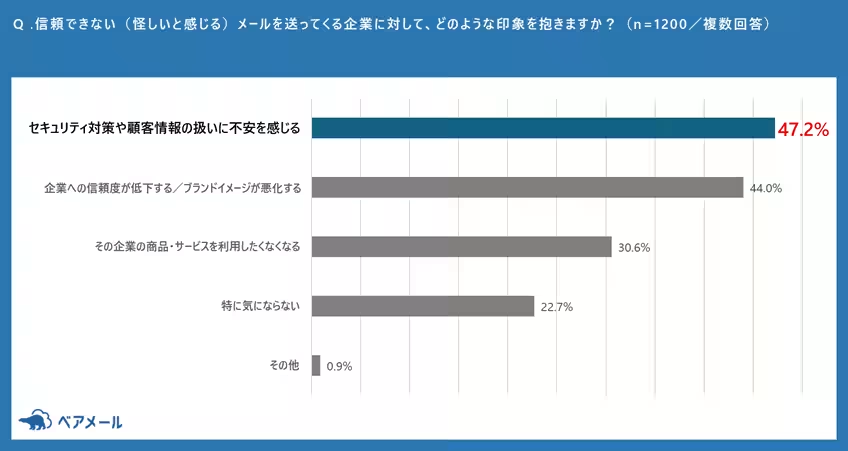
Furthermore, the repercussions of misidentified emails extend beyond user inconvenience, affecting organisational reputations as well. The study revealed that 47.2% of respondents felt insecure regarding the handling of their data from companies that send dubious emails. This perception poses severe risks, as a loss of trust can significantly impact a brand's image, with many individuals reconsidering their use of products or services from companies perceived as unreliable due to email security issues.
Recommendations for Enhanced Email Security
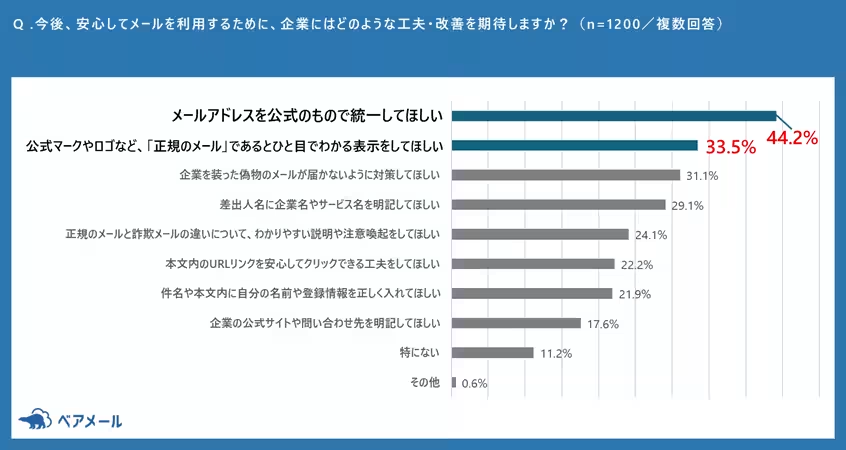
In response to the findings, the study calls for urgent action from companies to improve email communication trust. Key recommendations include the need for unification of email addresses to official domains (44.2% of users), the implementation of clearly identifiable marks or logos (33.5%), and enhanced fraud prevention measures against fake emails impersonating the organization (31%). Such practices are pivotal in establishing a more secure communication framework that protects users while simultaneously reinforcing brand integrity.
The Role of DMARC and BIMI
Link Co., Ltd. advocates for leveraging technologies such as DMARC (Domain-based Message Authentication, Reporting & Conformance) and BIMI (Brand Indicators for Message Identification) to address the rising issue of phishing through effective sender verification. DMARC helps organizations authenticate their disposition, thereby mitigating the risks associated with email spoofing. BIMI enhances visibility by allowing companies to display their registered logos next to their emails, helping recipients quickly identify legitimate messages.
As the use of DMARC and BIMI becomes more common, we predict a significant reduction in misidentification incidents and a restoration of confidence in email communications. This rendering not only safeguards client engagement but also bolsters the organizations’ reputational capital that can otherwise be easily compromised in today’s digital landscape.
Conclusion
With phishing threats escalating and user identification skills faltering, it is more essential than ever for organizations to take robust measures in email identification and delivery. Improved protocols and the deft deployment of technologies such as DMARC and BIMI could usher in a new era of secure communication, benefiting both companies and users alike. As Link Co., Ltd. continues to innovate solutions to improve email delivery and security, it’s crucial that businesses adopt these measures to protect their clients and maintain operational efficacy.
- ---

Topics Consumer Technology)
【About Using Articles】
You can freely use the title and article content by linking to the page where the article is posted.
※ Images cannot be used.
【About Links】
Links are free to use.