



Innovative Heat Stroke Measures for Aquatic Life at Sunshine Aquarium
Innovative Heat Stroke Measures at Sunshine Aquarium
Located in Tokyo's Ikebukuro district, Sunshine Aquarium has been proactive in implementing measures to protect its residents, including penguins, sea lions, and pelicans, from heat stroke during increasingly hot summers. With recent weather patterns producing temperatures exceeding 40°C, the Japan Meteorological Agency has recognized days above this threshold as “extreme heat days” since April 2026. In light of these developments and the new labor safety regulations enacted in 2025, the aquarium has intensified its efforts regarding heat management, focusing not only on the animals but also on the well-being of the staff who work outdoors.
Importance of Heat Stroke Awareness in Aquatic Animals
Just like humans, aquatic animals can suffer from heat stroke. Symptoms such as lethargy, loss of appetite, dull coloration, and dehydration can indicate heat-related health issues. The staff at Sunshine Aquarium meticulously monitor these slight changes in behavior and health, tailoring specific heat stress prevention strategies for each species.
Cape Penguins
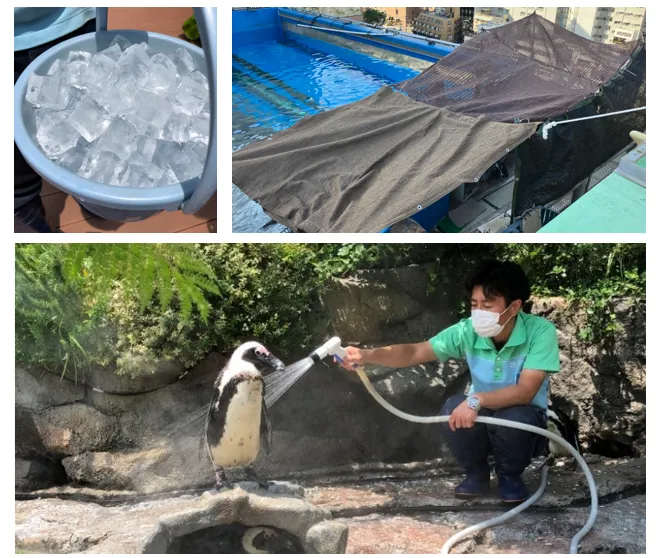
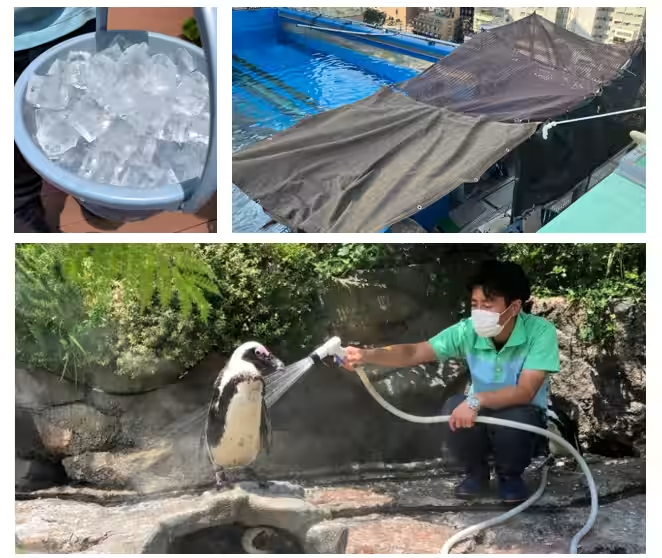
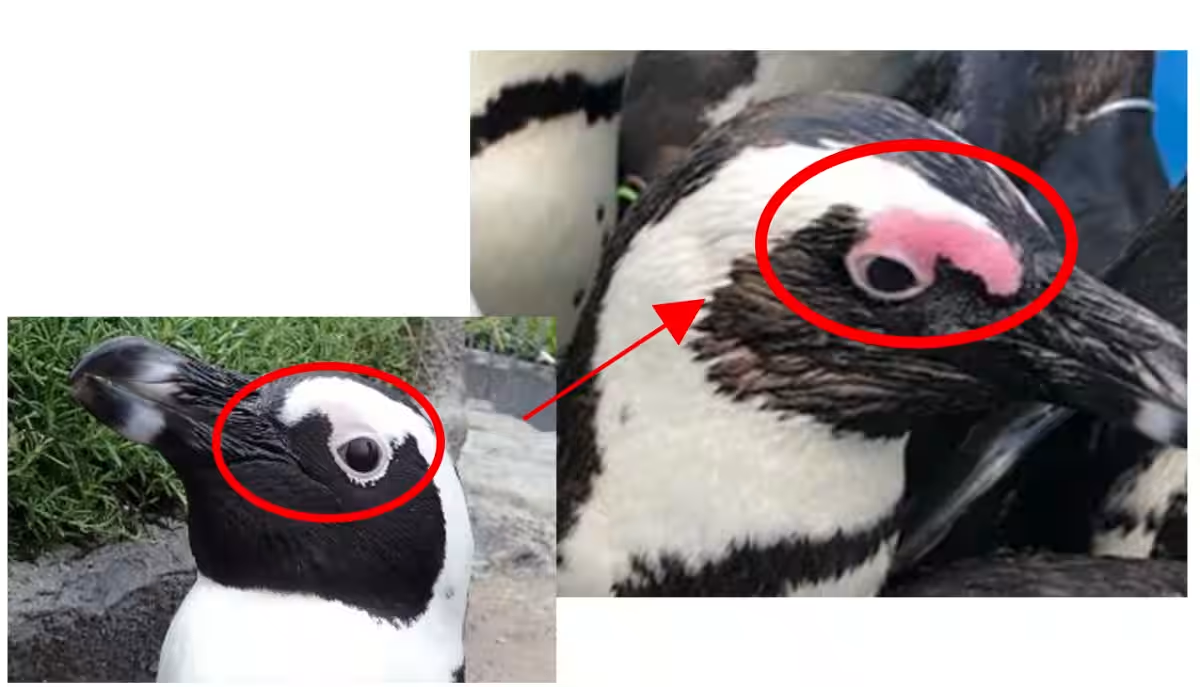
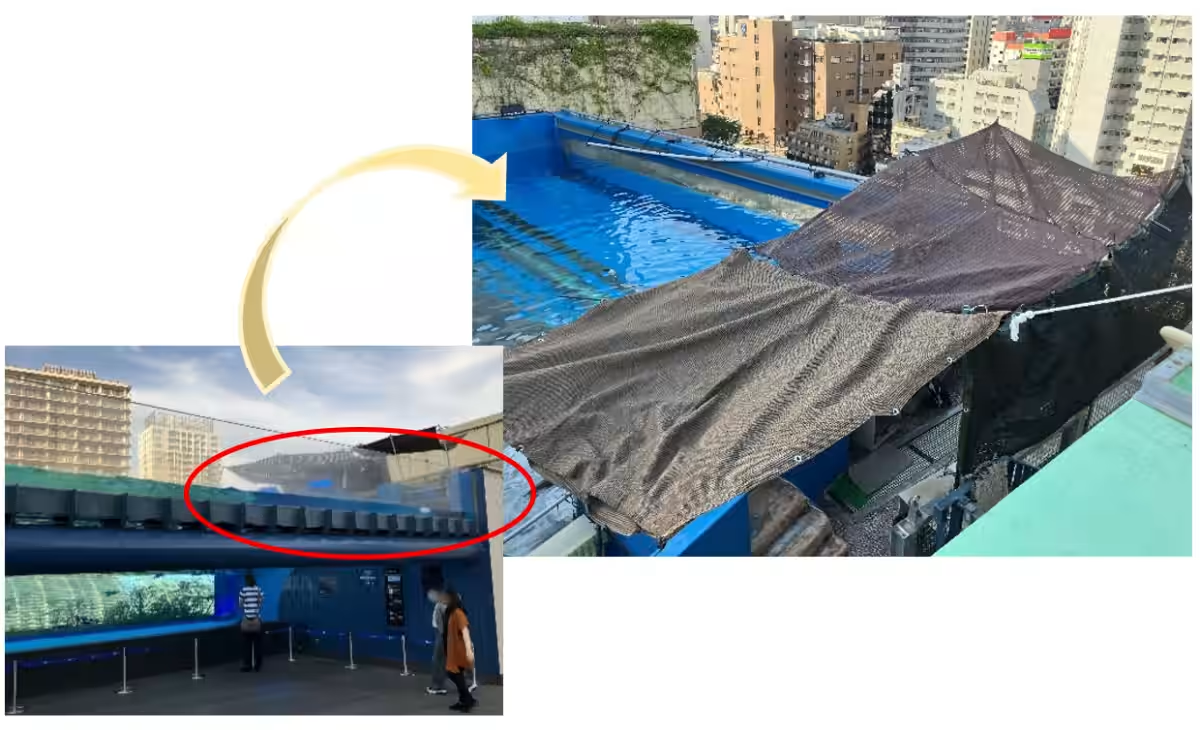
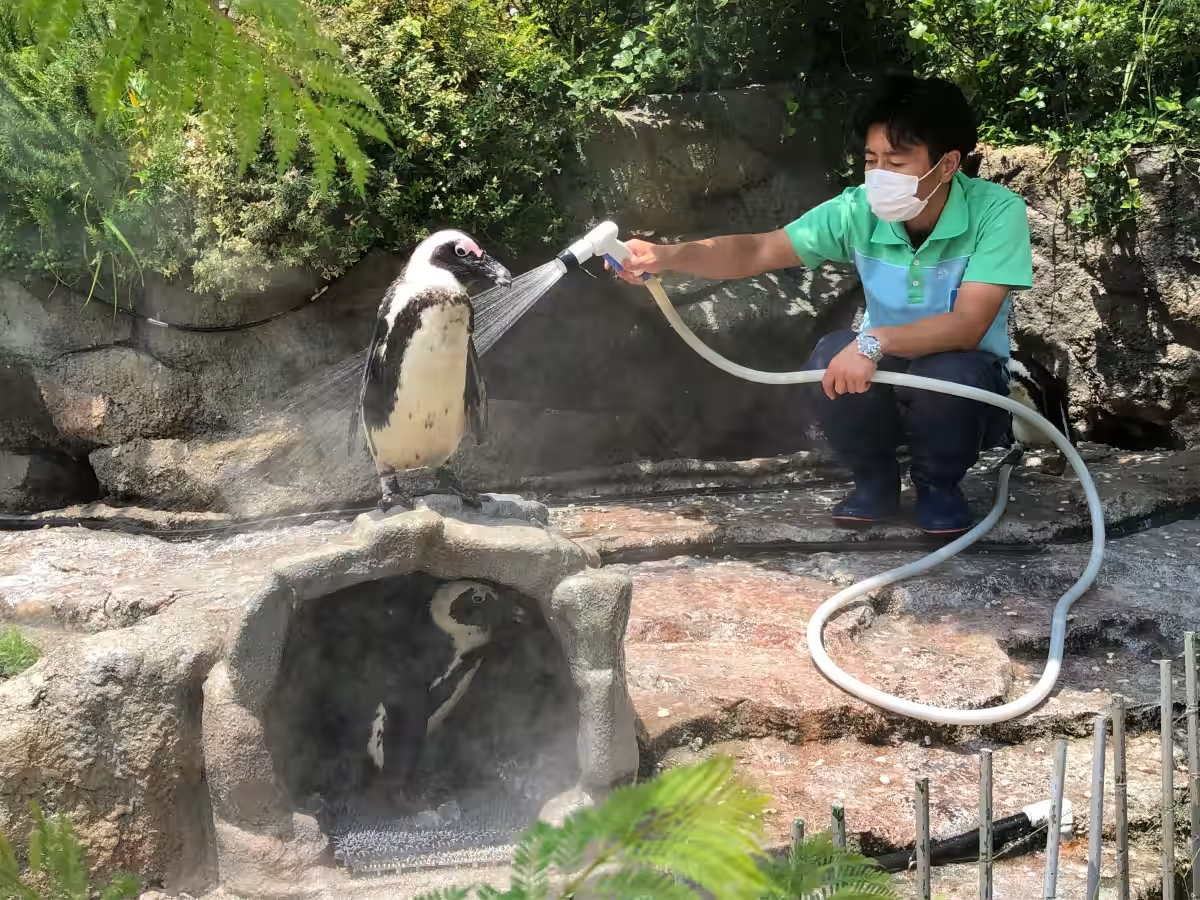
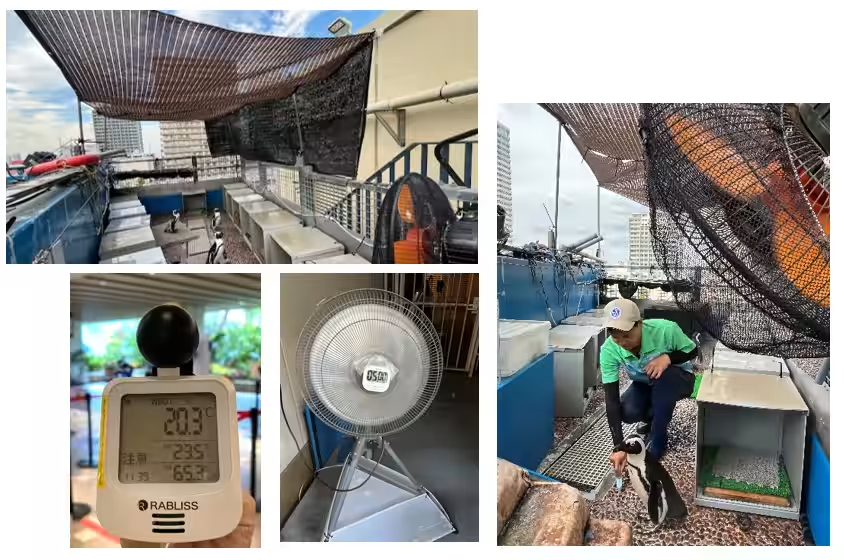
Cape penguins, who primarily obtain moisture and salt from their fish diet, require special attention when temperatures rise. Notably, if a penguin's characteristic pink area above the eyes changes to red or if it breathes heavily with its mouth open, it signals distress. Starting in early May this year, the aquarium has enhanced shading structures in the Marine Garden’s “Sky Penguins” exhibit. These additions include various cooling measures such as fans for both penguins and the caretakers, alongside expanding shaded areas.
- - Cooling Techniques for Cape Penguins:
- Installing artificial turf
- Utilizing misting systems
- Implementing aquarium chillers to regulate water temperatures
- Sprinkling water on the grounds frequently to reduce surface temperatures
- Employing ice in living quarters to cool down internal temperatures
- Operating a shower from the water piping directly onto the penguins on hot days
California Sea Lions
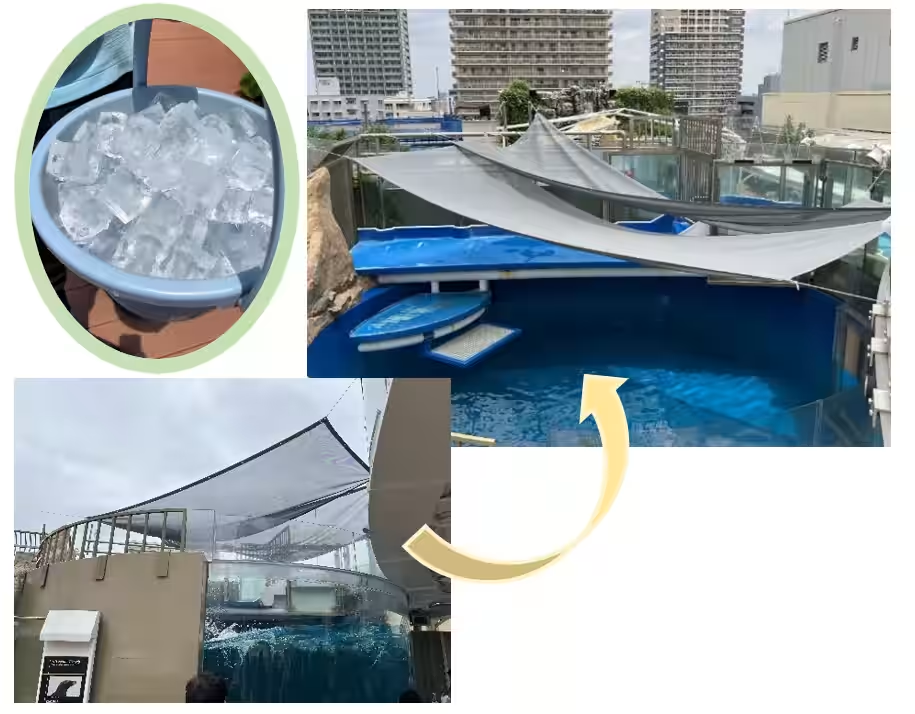
Sea lions predominantly hydrate through their diet, yet they are fond of ice. Incorporating ice into their training not only serves as hydration but also as enrichment. While sea lions can tolerate heat relatively well, the aquarium still places an emphasis on creating a comfortable environment through shade and mist systems.
- - Cooling Techniques for California Sea Lions:
- Implementing misting systems
- Installing chillers to maintain appropriate water temperatures
- Familiarizing them with ice as a soothing treat
Pink-Backed Pelicans
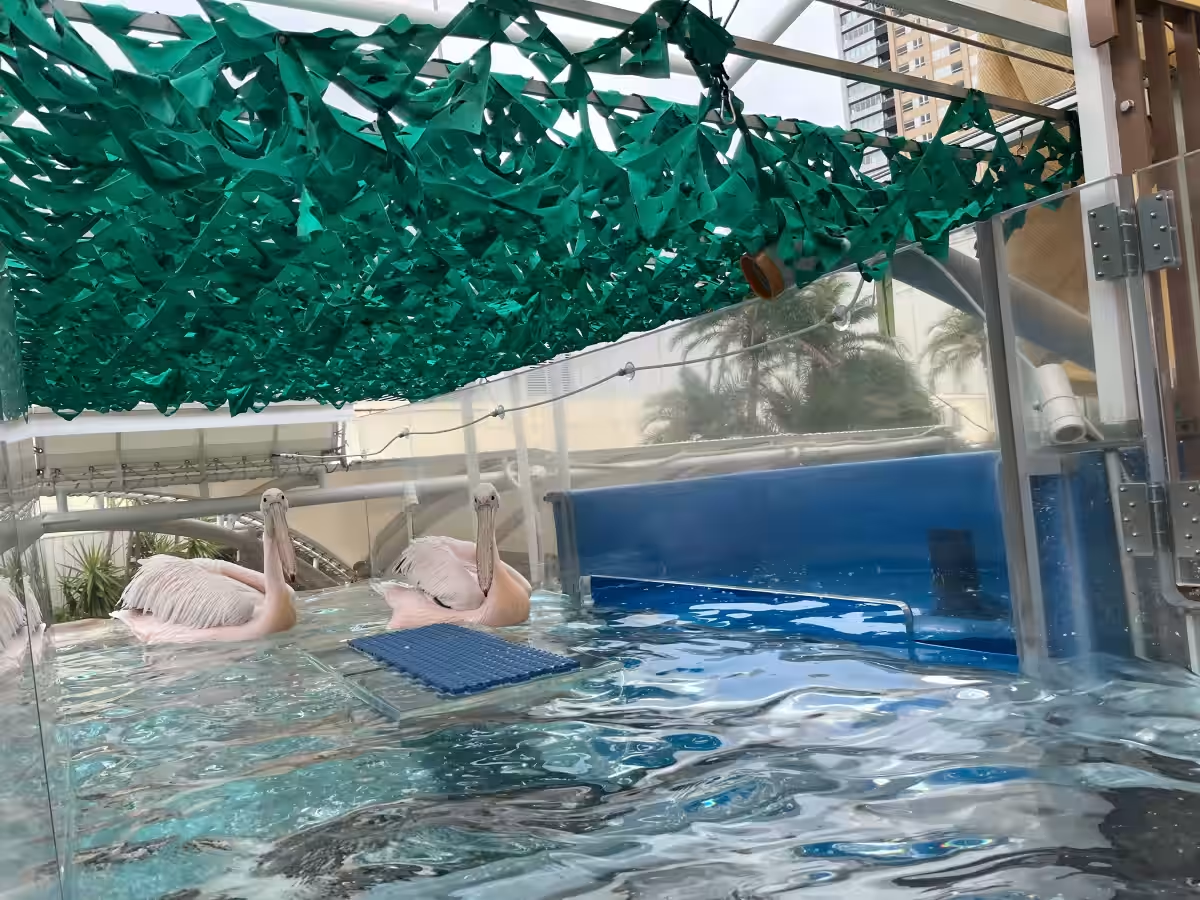
Pink-backed pelicans regulate their body temperature by releasing heat through their webbed feet and their throat pouches. These areas are richly supplied with capillaries, making them effective for cooling down.
- - Cooling Techniques for Pink-Backed Pelicans:
- Installing cooling fans in their living areas
- Utilizing misting systems and elevating water levels to cool their feet
Human Heat Stroke Measures at the Aquarium
Protecting staff from heat stress is equally crucial. With the new labor safety regulations, measures have been stepped up significantly this year. Staff that work under direct sunlight for extended periods follow strict guidelines to avoid heat-related health issues.
- - Staff Heat Stroke Prevention Strategies:
- Placement of fans in outdoor work zones
- Accessibility to refrigerated water storage
- Ritual foot cooling by removing boots periodically
- Wearing personal fans
- Providing shade structures for both animals and staff
Visitor Safety Initiatives
Visitor care is also a priority, with the aquarium implementing heat stroke measures for their guests:
- Distribution of electrolyte tablets
- Providing cooling neck wraps
- Installing water coolers in staff areas
- Equipping staff rooms with air conditioning
- Installing fans at service counters
- Monitoring heat levels with temperature gauges at entrances and exits
As the summer heat is expected to intensify, Sunshine Aquarium is committed to ensuring a safe and comfortable environment for both its aquatic residents and humans alike. Their comprehensive approach to heat management showcases their dedication to animal welfare and staff safety in the face of climate challenges.
For further details, you can refer to the full press release: Link.
- ---
Sunshine Aquarium Overview
- - Location: Sunshine City World Import Mart, Rooftop, Higashi-Ikebukuro 3-1, Toshima Ward, Tokyo
- - Opening Hours: 10:00 AM - 7:00 PM (Last entry 30 minutes prior)
- - Admission Fees: Adults (High School students and above) ¥2,600, Children (Elementary and Junior High) ¥1,300, Toddlers (4 years and up) ¥800. Prices may vary based on timing or special events.
- - Contact: Sunshine Aquarium 03-3989-3466
- - Website: Sunshine Aquarium
Visitors are advised to purchase timed tickets or obtain web reservation tickets on weekends and holidays. For more information, please check the aquarium's website.

Topics Entertainment & Media)







【About Using Articles】
You can freely use the title and article content by linking to the page where the article is posted.
※ Images cannot be used.
【About Links】
Links are free to use.