



Survey Reveals Most People Struggle with PC Disposal and Data Erasure
Survey Insights on PC Disposal
In a recent study conducted by HAKU Co., Ltd., a company specializing in PC disposal and data deletion, it was revealed that a significant portion of the population struggles with the proper disposal of their computers. The survey, which included responses from 562 individuals aged 20 to 69, highlighted various concerns and misunderstandings surrounding PC disposal practices.
Background of the Survey
The survey was prompted by the necessity of efficient electronic waste disposal, in line with Japan's Resource Recycling Promotion Law and the Ministry of Economy, Trade and Industry's guidance on household electronics. While there are numerous systems in place for recycling and disposal, including manufacturer take-back programs and collaboration with retail stores, citizens still face confusion. The inconsistency among local municipalities regarding what can be disposed of and the procedures involved adds to the complexity for consumers.
Key Findings of the Survey
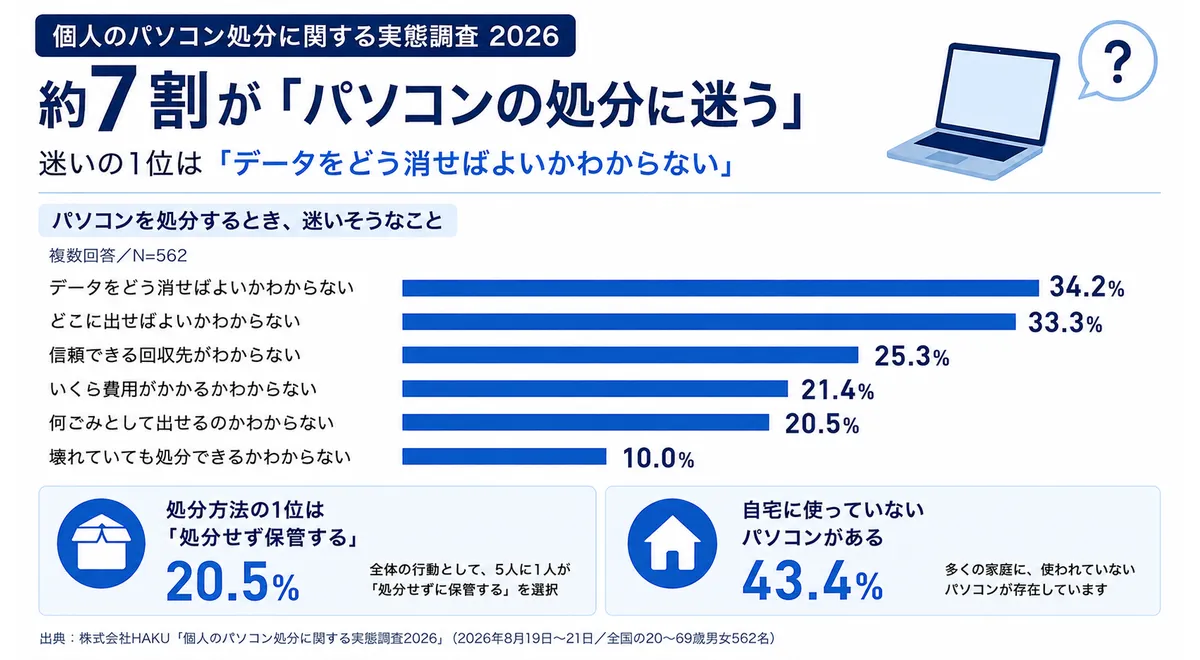
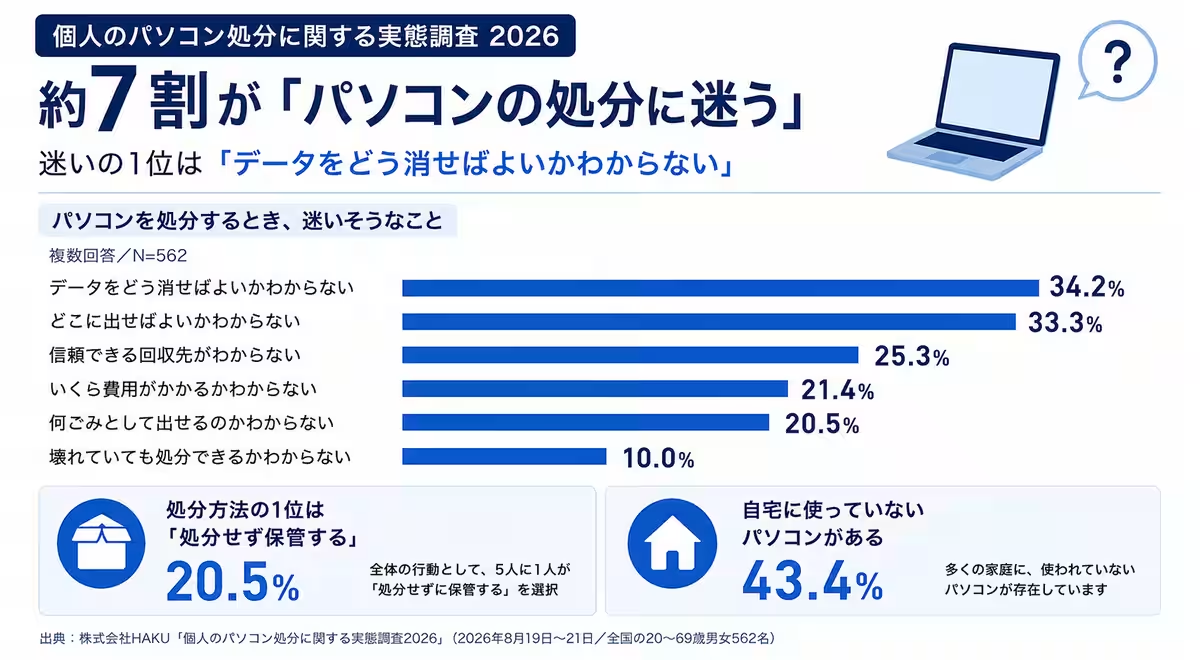
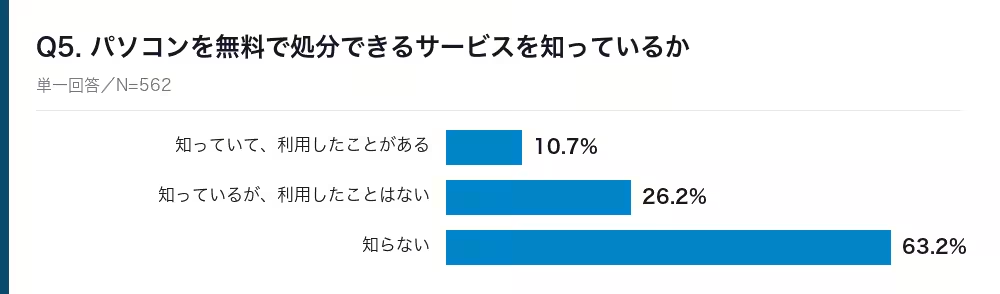
One of the most striking outcomes of the survey showed that 68% of participants experienced uncertainty regarding their PC disposal methods. Among various concerns, the leading hesitation (34.2%) stemmed from not knowing how to properly erase data on their devices. Surprisingly, 63.2% of respondents were unaware that they could dispose of their PCs for free, indicating a significant gap in public knowledge about available services.
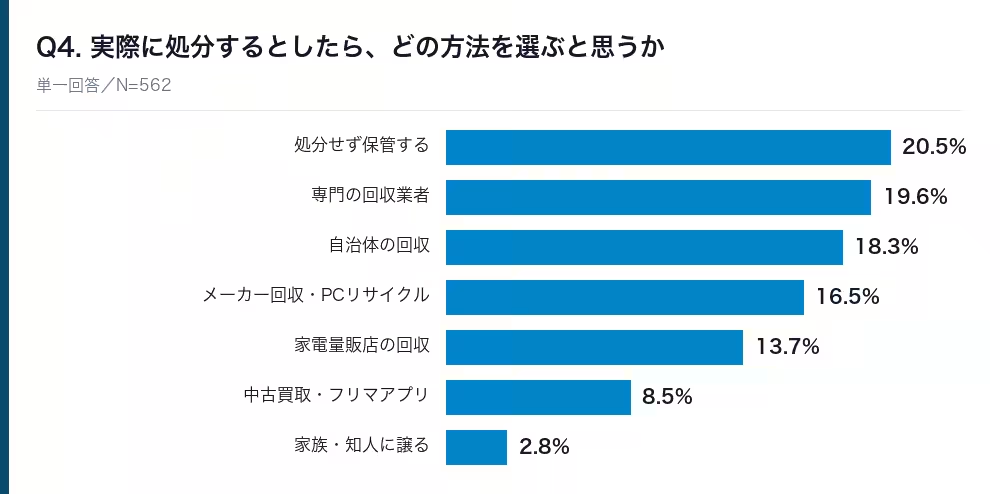
The most common choice—chosen by 20.5% of respondents—was to simply retain the unused computers instead of disposing of them. This suggests that many individuals may prefer to hold onto their old devices rather than navigate the complexities of disposal.
Detailed Insights
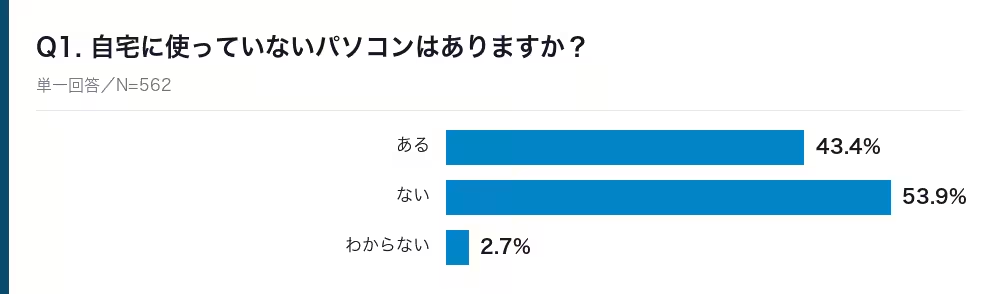
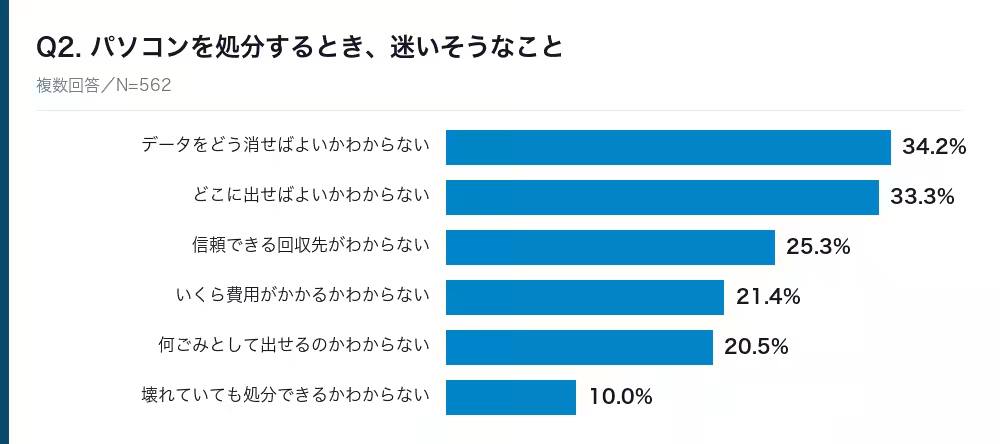
In response to questions about unused PCs at home, 43.4% of participants confirmed they possessed at least one non-functioning computer. This highlights a considerable accumulation of electronic waste within households. When asked about potential reservations during disposal, participants indicated:
- - 34.2% of respondents expressed concerns about data deletion methods.
- - 33.3% were unsure of where to take their devices for proper disposal.
- - 25.3% did not know a trustworthy recycling service.
- - 21.4% were concerned about the associated costs.
In essence, only 32% of participants felt confident in their disposal knowledge, leaving 68% grappling with questions or uncertainties.
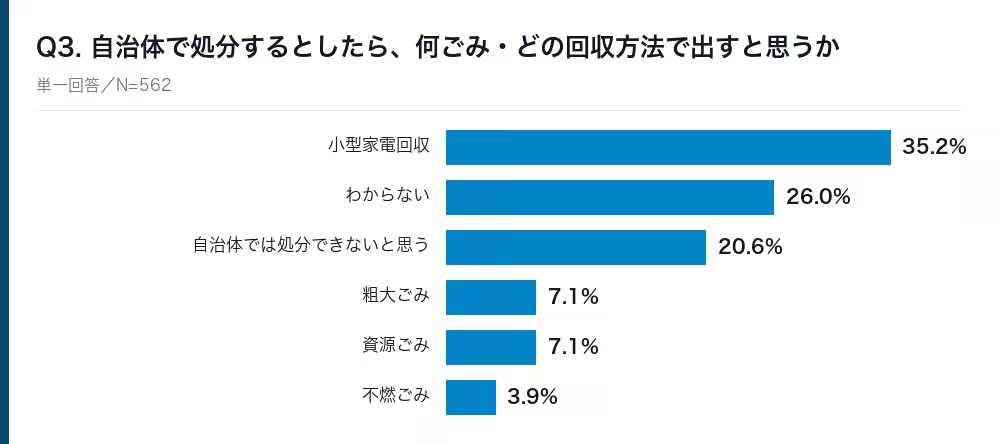
Regarding local disposal regulations, 35.2% of respondents believed that small appliances could be collected through designated bins, while about 46.6% either thought such appliances could not be disposed of via local facilities or were unsure. This lack of clarity emphasizes the urgent need for improved communication and education regarding local disposal protocols.
Additionally, the recognition of free disposal services stood at a concerning low, with 63.2% of participants indicating they were not aware such services existed. This suggests that public outreach for these services is sorely required to prevent further accumulation of electronic waste in homes.
Summary of Insights
The survey highlights three major issues regarding personal computer disposal: 1) only a minor fraction understands data deletion methods which contributes to substantial hesitation when attempting to dispose of PCs; 2) the lack of awareness regarding local disposal procedures leaves many feeling confused about the correct channels for disposal; and 3) a high number of individuals are oblivious to available free disposal services.
This lack of awareness not only complicates the disposal process for individuals but could also pose environmental risks. Recent data from the Tokyo Fire Department revealed that 14 of the 33 fires from waste collection vehicles in the past year were attributed to lithium-ion batteries, commonly found in laptops. Improper disposal of such devices poses potential hazards and highlights the need for safe and responsible disposal methods.
In response to these concerns, HAKU Co., Ltd. offers comprehensive recycling services for both individuals and corporations, ensuring safe data erasure along with published proof of deletion
. Their services include physical destruction, software deletion, and magnetic erasure of data, achieving top-level certification from the Data Erasure Process Certification Council.
Notably, individuals anywhere in Japan can access their free mailing service for computer disposal, or they can drop off devices at their Chiyoda office. The entire process, including data erasure and provision of documentation, is completed at no charge aside from shipping fees, fostering a hassle-free experience for users looking to responsibly dispose of their old technology.
As consumer awareness grows about these critical issues, it's vital that companies like HAKU continue to lead in education and provide intuitive solutions for a greener, safer future.
For full details of the survey findings, visit: HAKU Survey Results.
Survey Overview
- - Survey Name: 2026 Personal PC Disposal Survey
- - Conducted By: HAKU Co., Ltd.
- - Duration: August 19 - August 21, 2026.
- - Participants: 562 individuals aged 20-69
- - Method: Internet-based research
Company Details
- - Name: HAKU Co., Ltd.
- - Website: HAKU Website
- - Headquarters: Bunkyo-ku, Tokyo
- - Contact: Yudai Uchikawa, +81-3-5817-4256
This study serves as a reminder of the ongoing challenges in electronic waste management, urging greater public awareness and participation in responsible disposal practices.
Topics Environment)
【About Using Articles】
You can freely use the title and article content by linking to the page where the article is posted.
※ Images cannot be used.
【About Links】
Links are free to use.