



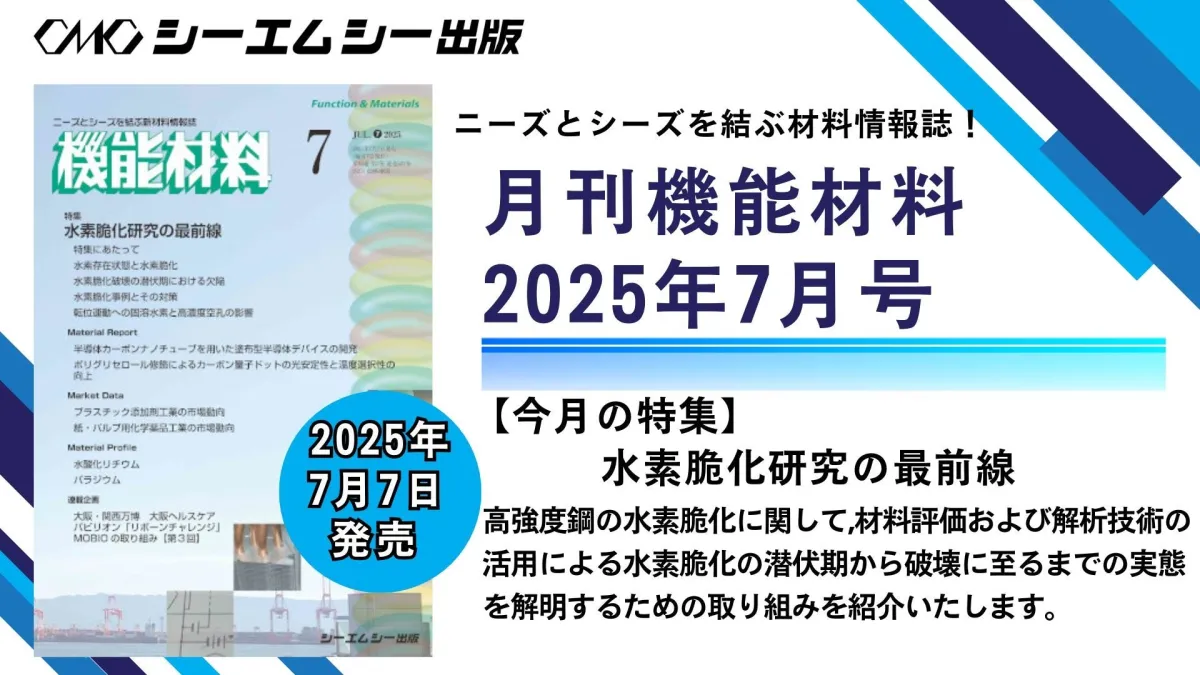
Exploring the Latest Advances in Hydrogen Embrittlement Research Techniques
Unveiling the Mysteries of Hydrogen Embrittlement
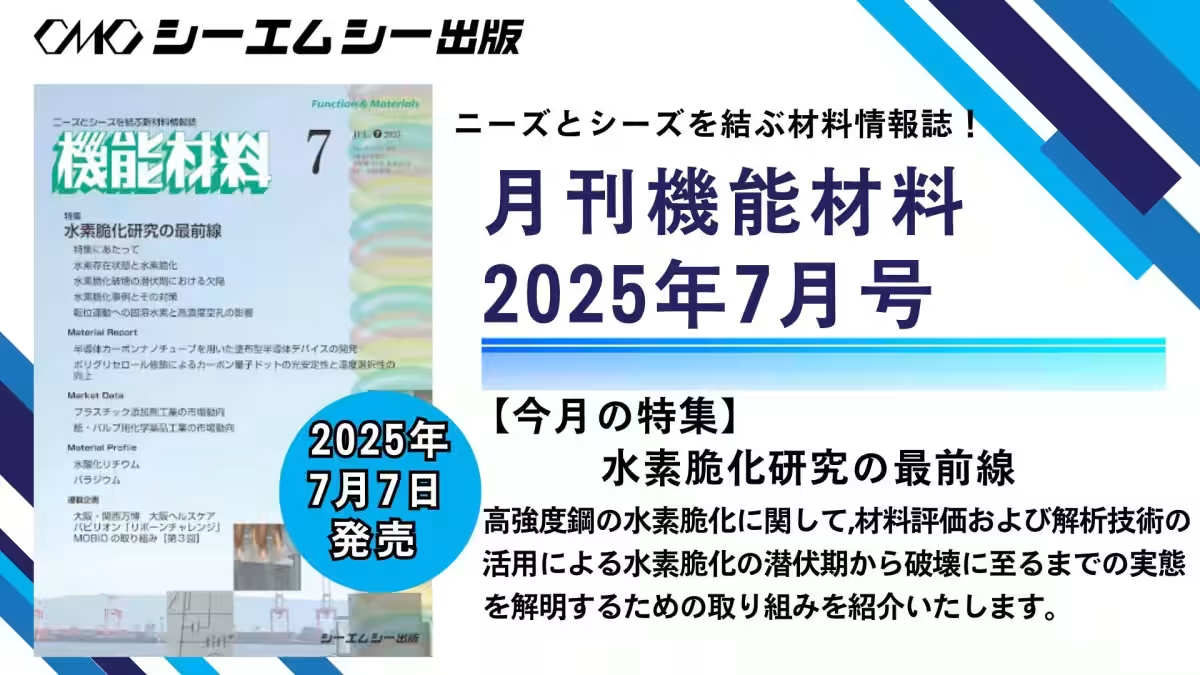
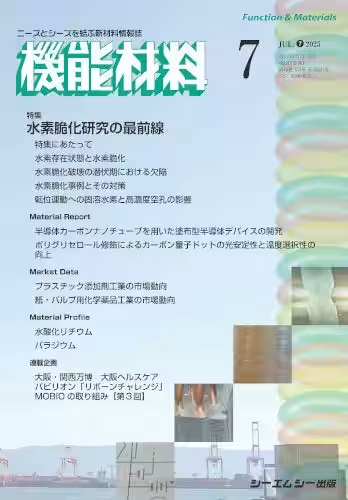
The latest issue of Functional Materials Magazine for July 2025 takes a deep dive into the complex realm of hydrogen embrittlement, a phenomenon that poses serious challenges to material integrity. Understanding its subtle mechanisms, from latent periods to catastrophic failures, is crucial for the advancement of various industries.
Hydrogen Presence and Embrittlement
Hydrogen can be present in materials in different states, and its interactions with metallic structures can lead to significant vulnerabilities. The magazine meticulously examines how hydrogen permeates materials, igniting a cascade of processes that can compromise structural integrity. Through comprehensive analysis, experts shed light on the conditions that make certain materials more susceptible to embrittlement, providing a foundation for future studies and technologies aimed at mitigating these risks.
The Latent Period of Failure
An important focus of the special feature is the latent period before the onset of hydrogen embrittlement failure. The magazine discusses various defects that can occur during this phase, emphasizing the importance of early detection and monitoring. Techniques such as real-time analysis are explored, highlighting their potential in identifying warning signs before catastrophic failures occur. This section serves as a guide to researchers looking for effective measures to prevent hydrogen-induced damage.
Case Studies and Countermeasures
The magazine also presents several case studies where hydrogen embrittlement has led to significant material failures. Through detailed investigations, readers gain insights into the real-world implications of this phenomenon. Each case is accompanied by a discussion of the measures implemented to counteract the effects of hydrogen embrittlement, highlighting innovative solutions and preventative strategies that have emerged in the field.
The Impact of Soluble Hydrogen and Vacancy Concentration
An essential part of the analysis looks into how soluble hydrogen and high vacancy concentrations influence dislocation motion. Understanding the atomic-level interactions can pave the way for engineering materials that can withstand the presence of hydrogen without succumbing to embrittlement. This deep understanding is crucial for industries heavily reliant on metallic materials exposed to harsh environments.
Research and Development Highlights
In addition to the special feature on hydrogen embrittlement, the issue includes reports on groundbreaking research and development initiatives. Notable advancements discussed include the development of sprayable semiconductor devices using carbon nanotubes and enhancements in the photo-stability of carbon quantum dots through poly-glycerol modification. These innovations reflect the ongoing evolution of materials science and technology, aimed at achieving greater performance and reliability.
Market Orientation
The journal also provides valuable insights into current market trends for plastic additives and chemical agents in the paper and pulp industry. By analyzing market data, companies can better understand the economic landscape and position themselves effectively in this competitive sector.
Material Profiles
The magazine features comprehensive profiles of important materials such as lithium hydroxide and palladium, highlighting their properties, applications, and market significance. Such profiles enable readers to stay informed about the materials that are pivotal in various industries.
Continuous Themes
Lastly, ongoing series featured in the magazine detail the initiatives and challenges faced during the upcoming Osaka Kansai Expo, including health care pavilion projects aimed at promoting wellness and innovation. The commitment to exploring new frontiers in materials science is evident, as the magazine engages with community projects and industry partnerships that promote technological advancement.
In conclusion, the July 2025 issue of Functional Materials Magazine stands as an essential resource for anyone engaged in the study and application of material science, providing a comprehensive overview of the state-of-the-art research, market trends, and innovative material applications that are shaping the future.
Topics Consumer Products & Retail)
【About Using Articles】
You can freely use the title and article content by linking to the page where the article is posted.
※ Images cannot be used.
【About Links】
Links are free to use.