



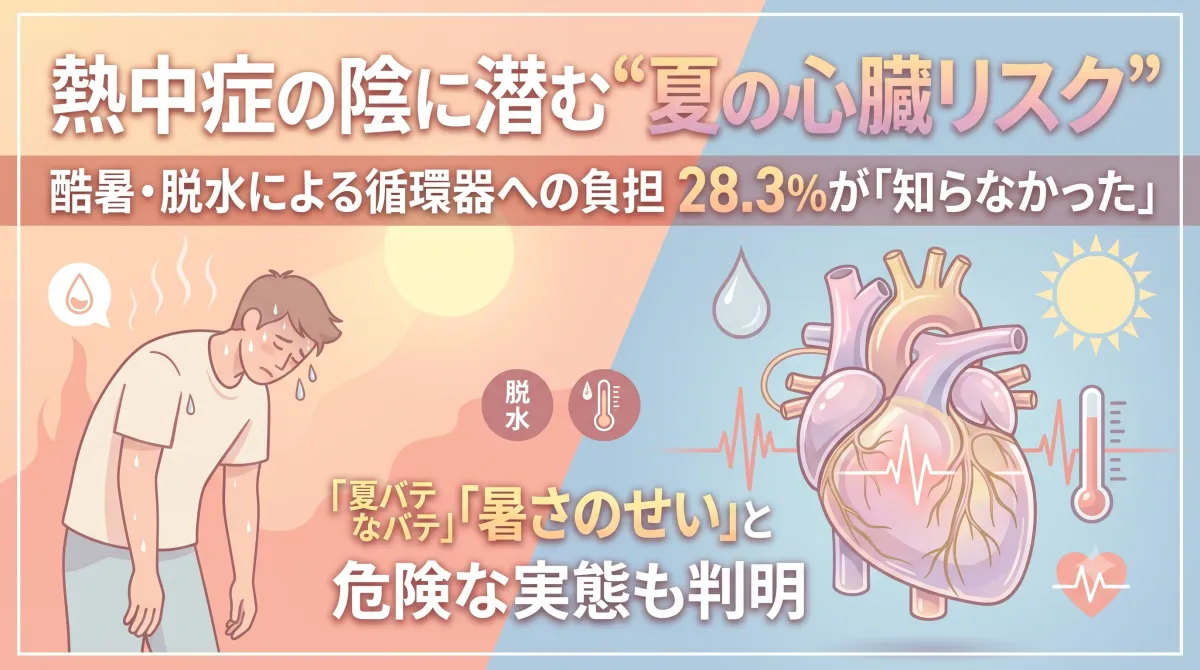
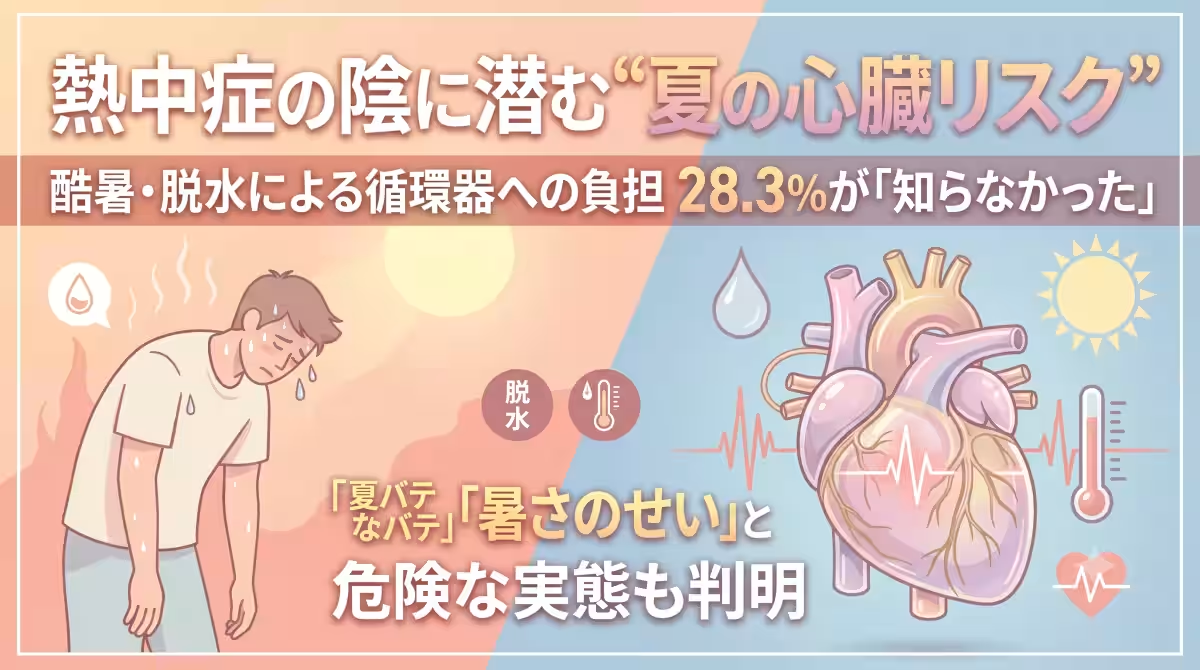
The Hidden Heart Risks of Extreme Heat and Dehydration Unveiled by New Survey
The Hidden Heart Risks of Extreme Heat and Dehydration Unveiled by New Survey
With the sweltering summer heat upon us, recommendations on staying hydrated and utilizing air conditioning to prevent heatstroke are resonating widely. However, the adverse effects of extreme heat extend beyond rising temperatures and heat-related illnesses. As our bodies strive to protect themselves from the heat, increased heart rates and heightened blood flow to the skin propel the risk of dehydration, leading to a potential strain on the heart and circulatory system.
In a revealing study conducted by Kokoromil, a health-tech startup specializing in wearable ECG devices and ECG analysis, they surveyed 339 individuals across Japan regarding their awareness and experiences related to the impact of extreme heat on heart health. The findings highlight pressing issues regarding our understanding of how heat and dehydration can severely stress our cardiac systems and how we respond to our bodies’ distress signals.
Lack of Awareness About Heat and Circulatory Strain
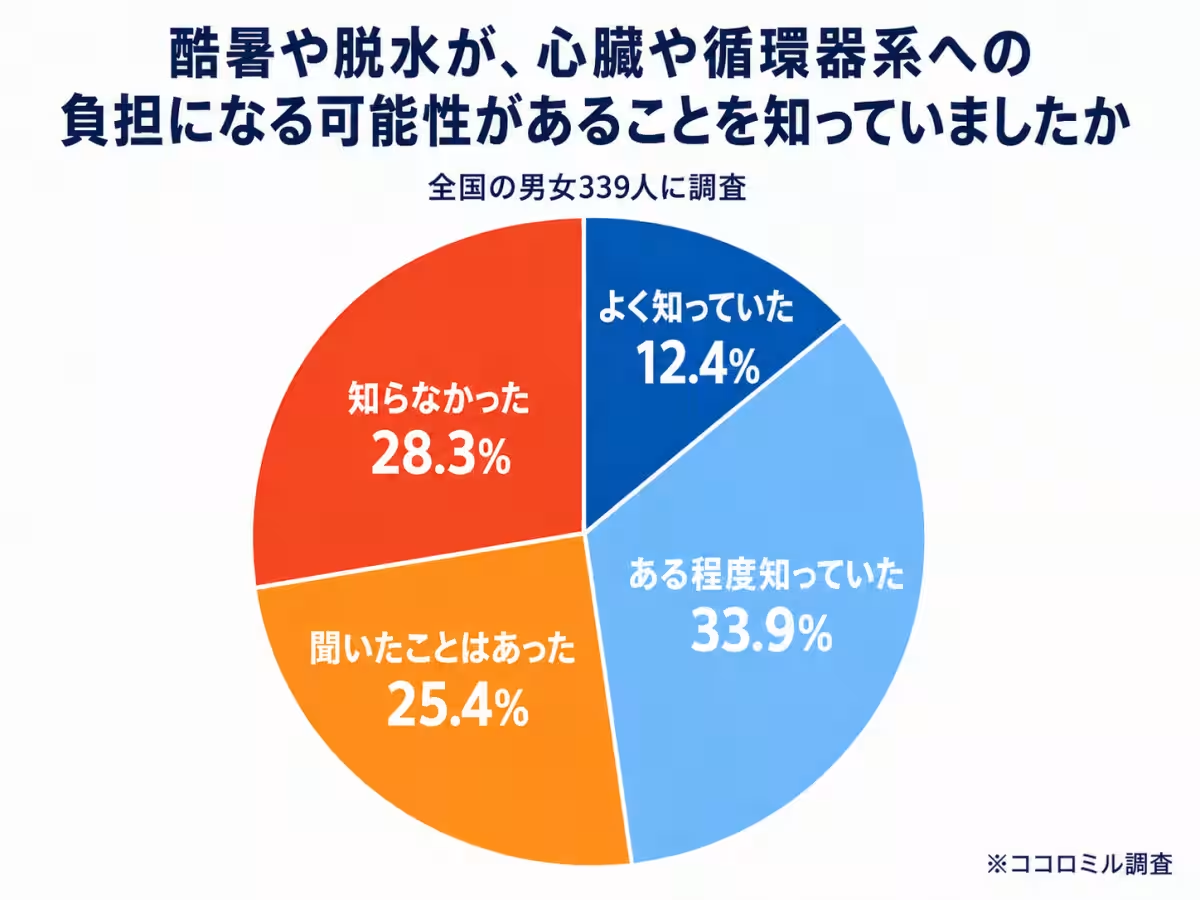
One alarming revelation from the survey was that 53.7% of respondents were not fully aware of the strain that extreme heat and dehydration can impose on the heart. When asked if they understood this relationship, the results were telling:
- - 12.4% knew well
- - 33.9% had some awareness
- - 25.4% had heard about it
- - 28.3% were completely unaware.
While strategies like hydration and air conditioning to combat heat are well-known, the awareness that overheating can intensify cardiac workload due to increased heart rate and changes in electrolyte balance remains insufficient.
Symptoms of Distress: Heart’s SOS Signals
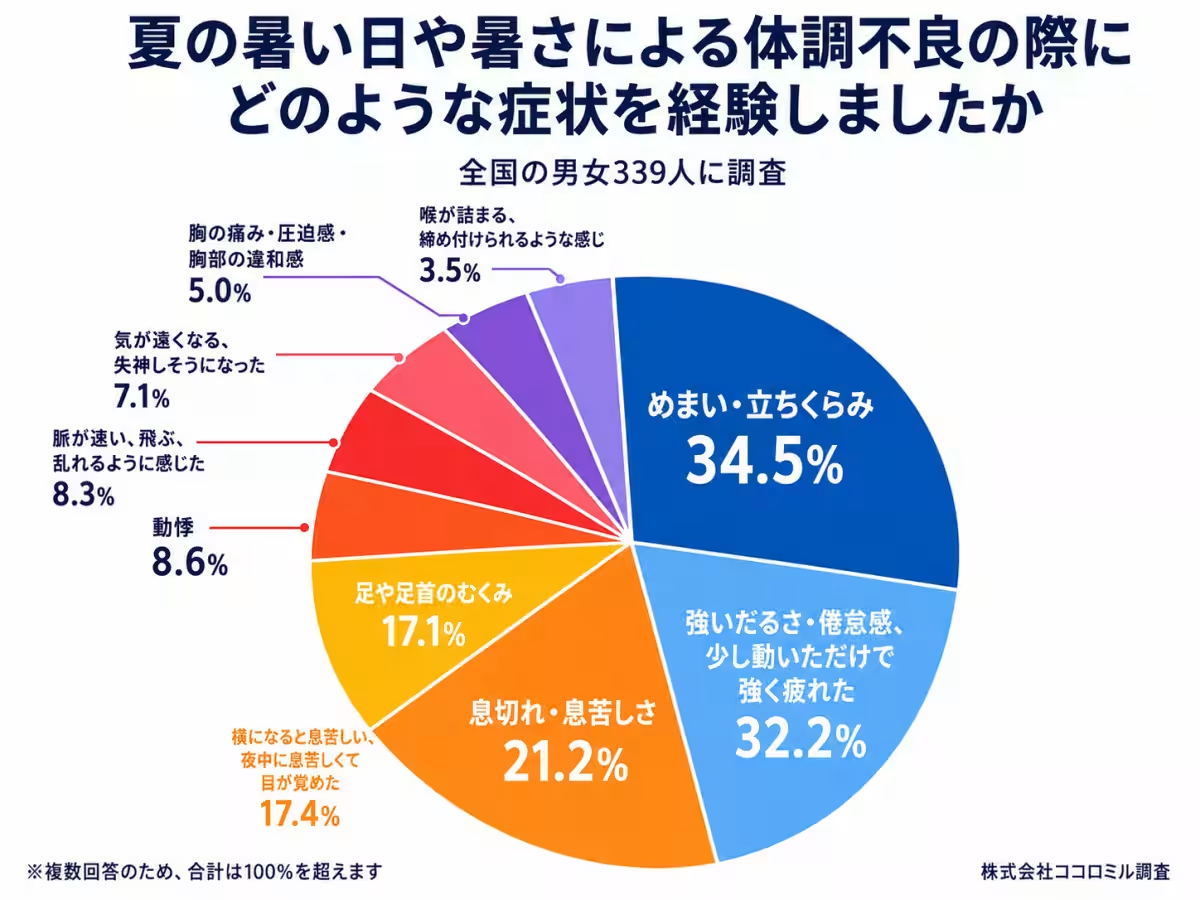
In terms of physical symptoms experienced during hot weather, respondents reported:
- - Dizziness or light-headedness: 34.5%
- - Extreme fatigue and feeling worn out with minimal activity: 32.2%
- - Shortness of breath: 21.2%
- - Nighttime breathlessness or waking up short of breath: 17.4%
- - Swelling in feet or ankles: 17.1%
- - Palpitations: 8.6%
- - Perceived rapid or irregular heartbeat: 8.3%
- - Feeling faint or nearly passing out: 7.1%
- - Chest pain or discomfort: 5.0%
- - A sensation of throat constriction: 3.5%
These findings reveal that beyond commonly recognized indicators like dizziness and fatigue, there is a significant portion of individuals experiencing symptoms associated with heart failure or arrhythmias.
Underreported Symptoms Leading to Inaction
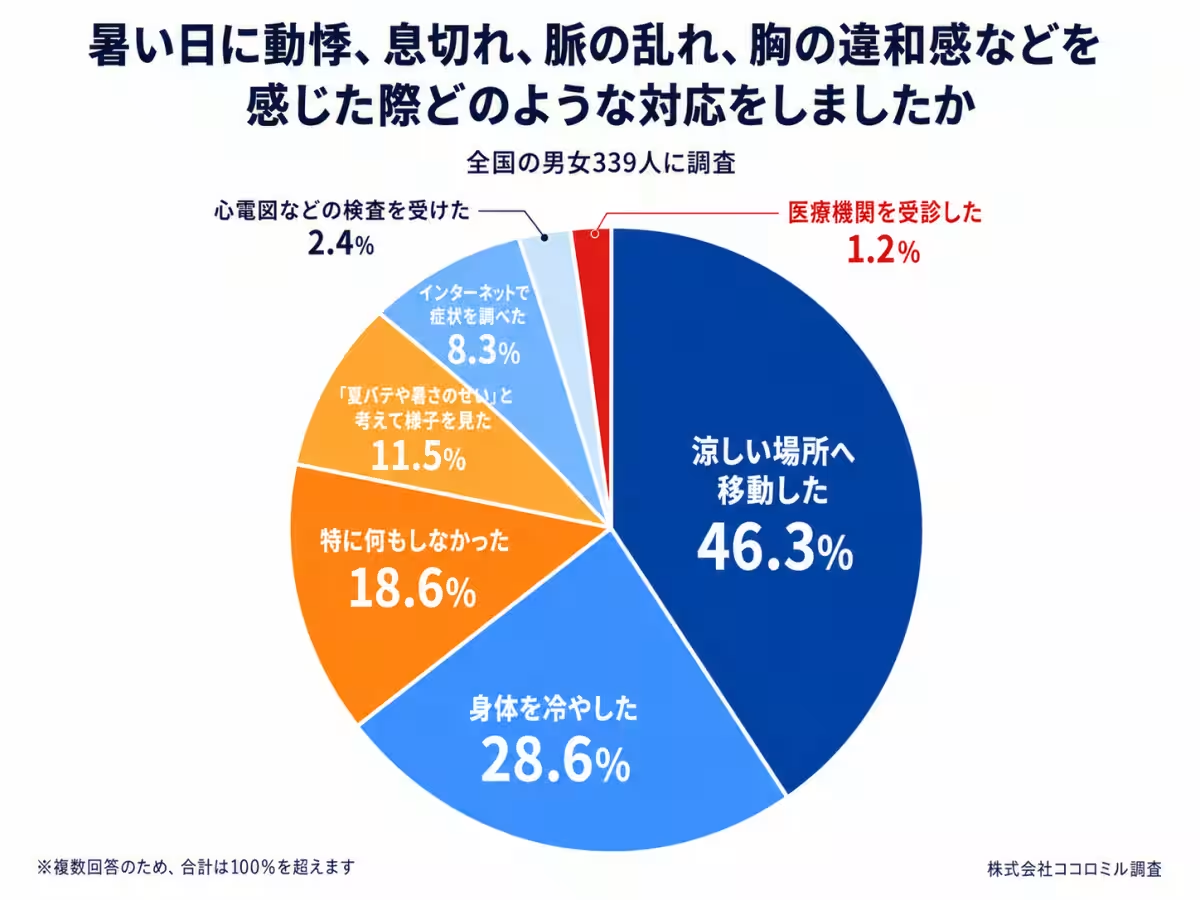
Concerningly, when experiencing symptoms like palpitations or shortness of breath, only 1.2% of the respondents sought medical help. The responses indicated a concerning trend:
- - Moved to a cooler place: 46.3%
- - Cooled their body: 28.6%
- - Did nothing in particular: 18.6%
- - Thought it was just summer fatigue: 11.5%
- - Searched symptoms online: 8.3%
- - Underwent ECG testing: 2.4%
- - Consulted a healthcare professional: only 1.2%
This low engagement with medical advice during health disturbances suggested that many individuals mistakenly classified heart-related issues as mere summer fatigue, thereby missing vital opportunities for early detection of potentially serious conditions like arrhythmia or myocardial ischemia.
The Urgent Need for Attention to Cardiovascular Health
The report outlines how patients brought to emergency rooms often confuse their symptoms with heatstrokes, although they might actually be suffering from severe cardiac complications triggered by heat stress or dehydration. The Japanese Society of Emergency Medicine underscores that acute myocardial infarction, heart failure, and lethal arrhythmias can manifest in ways that mimic heatstroke symptoms, hence the need for careful examination.
During heatwaves, studies by the European Society of Cardiology and American Heart Association have identified that excess deaths are more closely linked to cardiovascular diseases exacerbated by heat rather than heatstroke itself. Alarmingly, as much as 30% of myocardial infarction cases can present without chest pain, presenting a challenging scenario where mistaken perceptions of heat-related ailments can delay genuine medical attention.
Physiological Mechanisms Behind Increased Cardiac Load in Heat
Understanding the physiological changes during extreme heat helps elucidate why the heart faces added burdens:
1. Increased cardiovascular workload: To lower body temperature, blood vessels in the skin expand, requiring the heart to pump harder and increase the heart rate.
2. Dehydration-induced blood concentration: Loss of fluid makes the blood thicker, increasing the risk of clot formation and straining the heart’s ability to circulate blood effectively.
3. Electrolyte depletion from sweating: Losing vital minerals disrupts the electrical signals controlling heart rhythm, raising the risk of arrhythmias.
Insights from Kokoromil’s President, Daiki Hayashi
Hayashi remarked, “The survey reveals that only 1.2% of individuals seek help from medical institutions while experiencing symptoms such as palpitations or breathlessness on hot days. Such discomforts are often dismissed as mere heat fatigue. It is critical we acknowledge that extreme heat can sometimes cause the heart to cry out for help. Although cooling down the body and staying hydrated should be fundamental, persistent symptoms require a closer look at one’s heart health.”
Conclusion
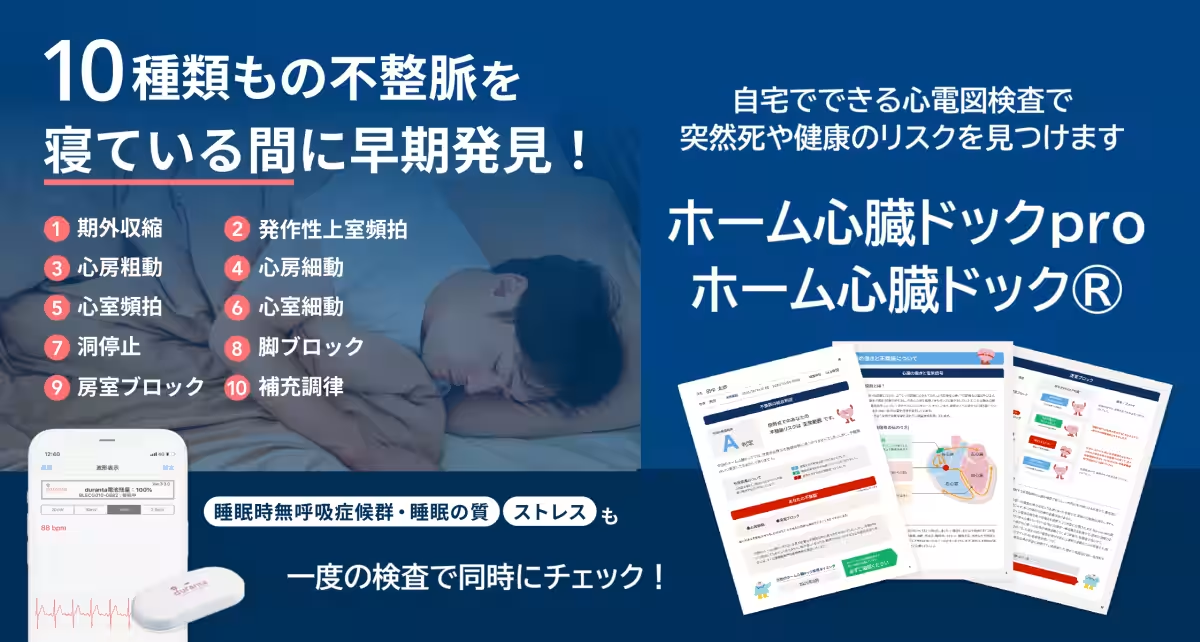
As high temperatures prevail, it is essential to pay attention to heart health. The home ECG monitoring service, Home Heart Dock Pro, offered by Kokoromil, allows users to monitor their heart condition conveniently from home, enhancing early detection of arrhythmias and other heart-related risks.
For a more proactive approach to health, consider utilizing services like Home Heart Dock Pro to reassess your and your loved ones' cardiac health in preparation for the ongoing summer heat. For more information, visit Home Heart Dock Pro. Please note, this service does not substitute for emergency medical advice. Seek immediate assistance for severe symptoms like chest pain or loss of consciousness.
Survey Overview
- - Survey Name: Awareness and Actual Situation Regarding Extreme Heat and Heart Health
- - Participants: Men and women nationwide
- - Valid Responses: 339
- - Conducted: August 2026
- - Method: Online survey
- - Conducted by: Kokoromil, Kokoromil Website

Topics Health)
【About Using Articles】
You can freely use the title and article content by linking to the page where the article is posted.
※ Images cannot be used.
【About Links】
Links are free to use.