



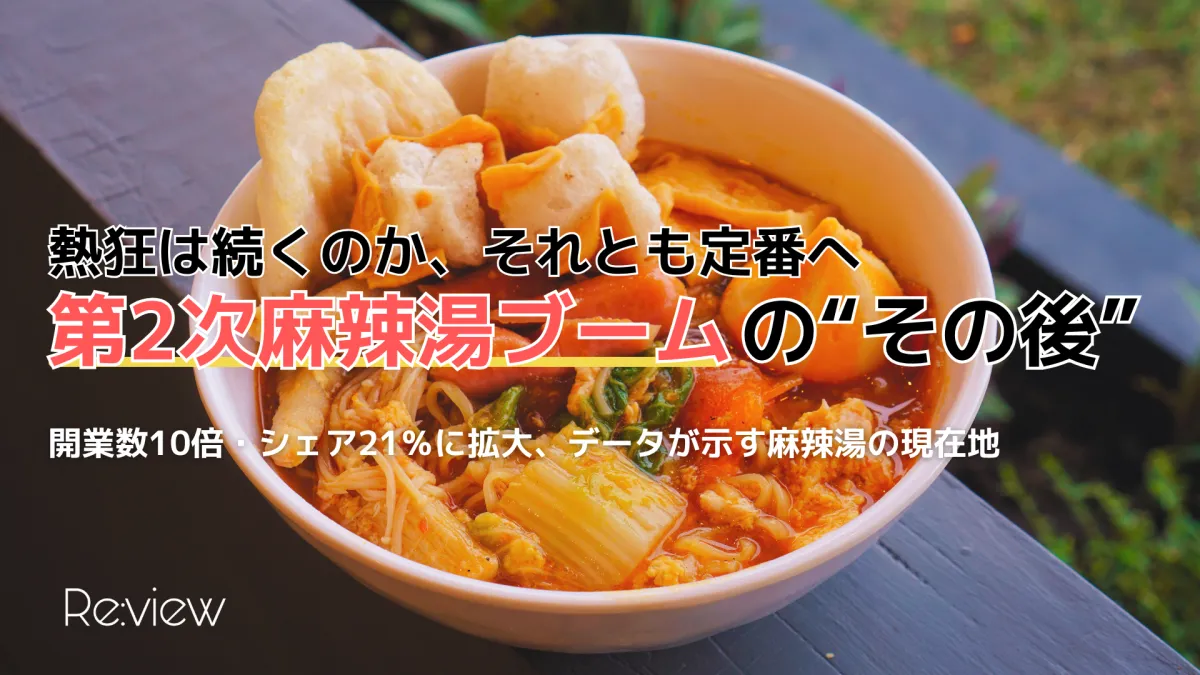
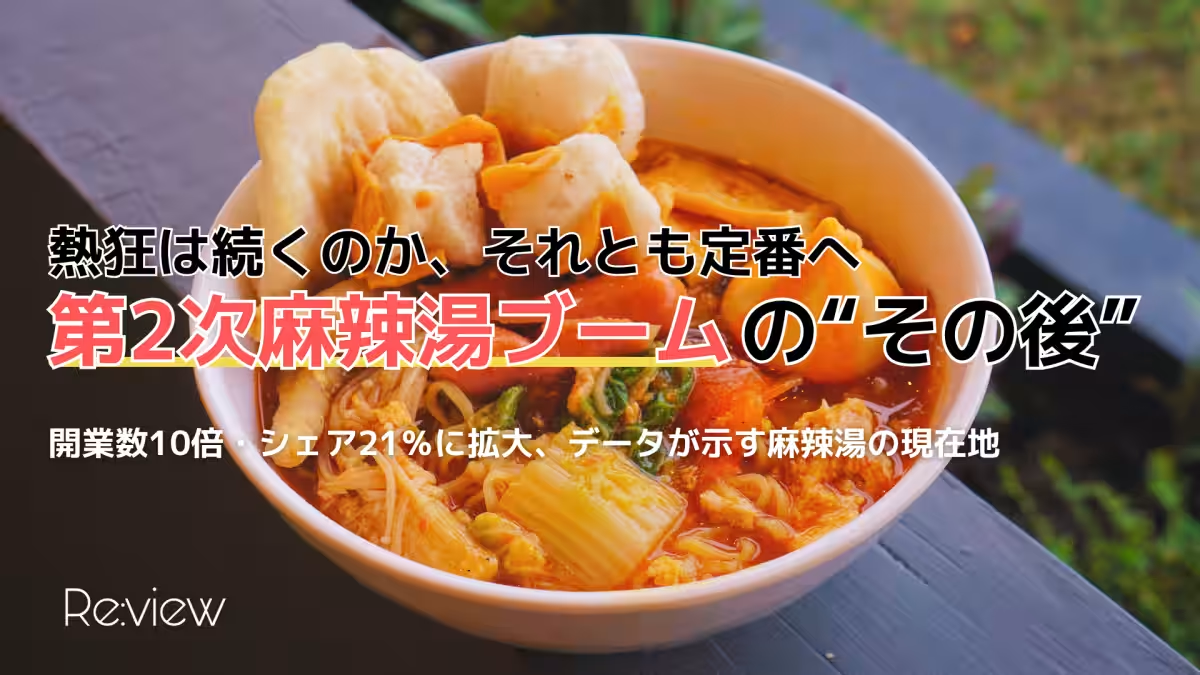
The Evolution of Mala Soup: From Trend to Culinary Staple
The Evolution of Mala Soup: From Trend to Culinary Staple
In recent years, the culinary world has witnessed the rise of Mala Soup (Mala Tang), a traditional Chinese dish that has become a significant player in the restaurant scene. Review Inc., a company based in Osaka, has conducted comprehensive research on this phenomenon and unveiled some fascinating findings about its growth and sustainability.
Analyzing the Surge in Popularity
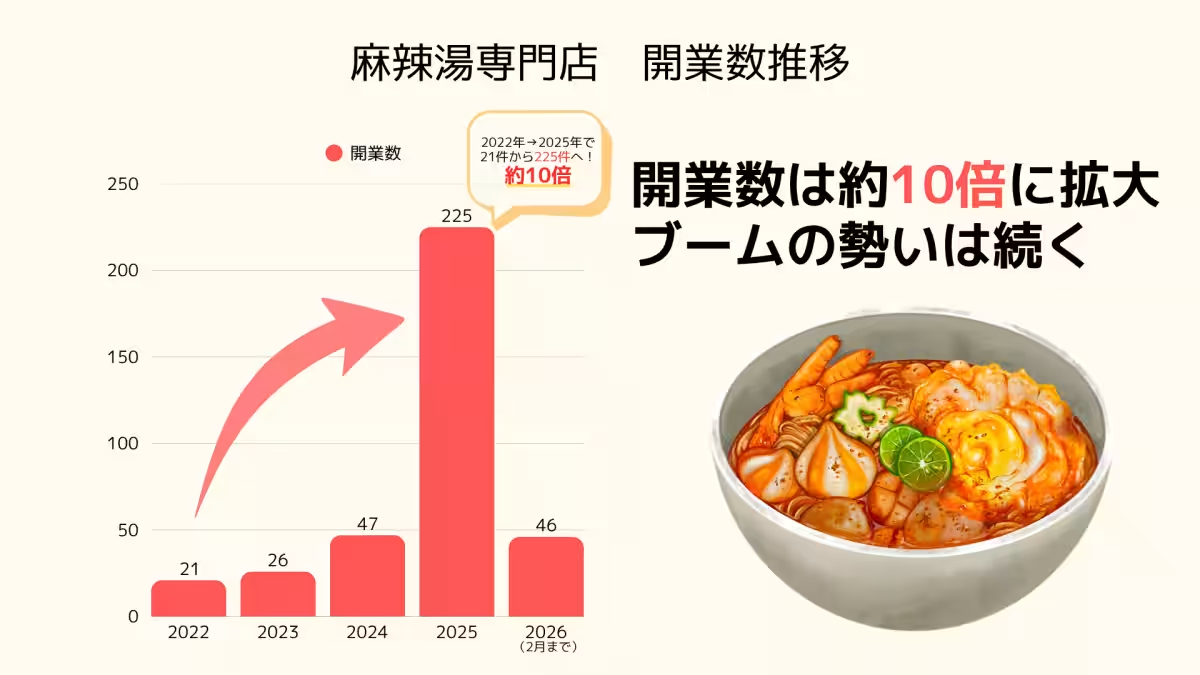
According to Review Inc.'s analysis based on nationwide restaurant opening data, the count of Mala Soup specialty establishments has dramatically increased, especially in urban areas. From just 21 openings in 2022, the numbers soared to an impressive 225 by 2025, marking a tenfold rise in just a few years. Unlike typical food trends that experience rapid spikes followed by declines, the growth of Mala Soup has showcased a more gradual and steady increase: 26 new establishments in 2023, 47 in 2024, and then the leap to 225 in 2025.
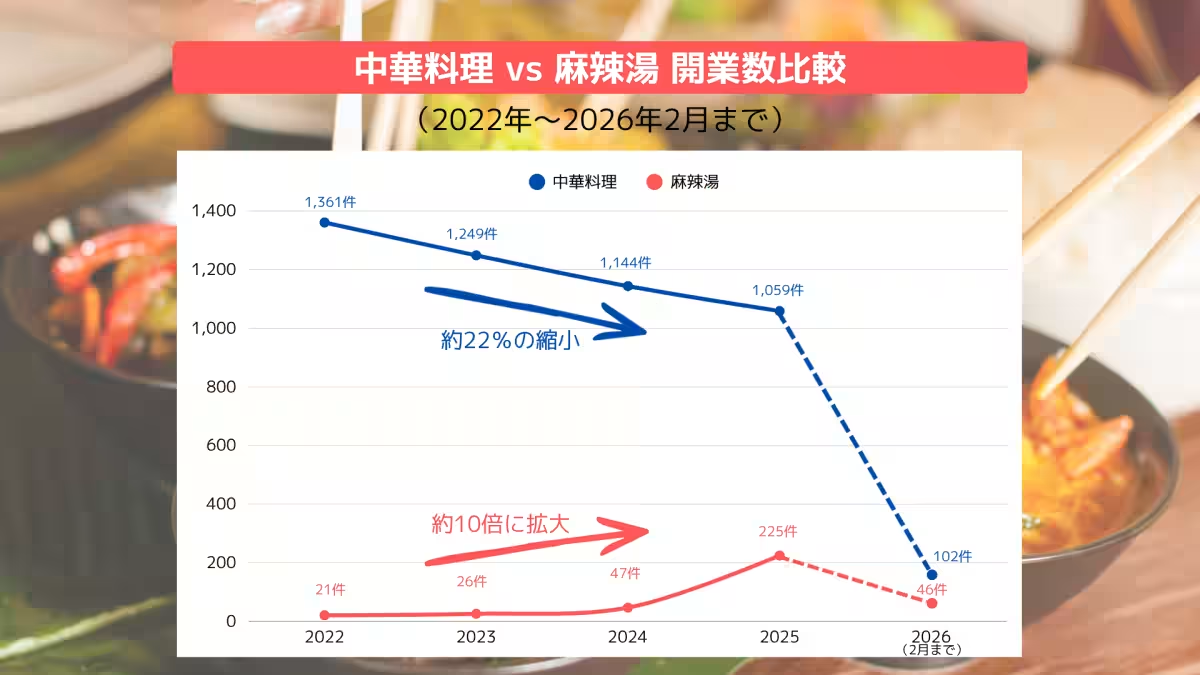
This consistent growth reflects not only rising demand but also an adaptation in consumer preferences. Observing the broader landscape of Chinese cuisine, new openings in the sector have sadly seen a decline from 1,361 in 2022 to 1,059 in 2025, a contraction of nearly 22%. In such a challenging environment, where costs are rising and labor shortages persist, Mala Soup's growth seems almost counterintuitive—yet it indicates a sector that is thriving against the odds.
Why Mala Soup is Flourishing
The success of Mala Soup lies in its unique offerings. As a customizable dish that allows diners to choose their ingredients and spice levels, it aligns perfectly with modern consumer desires for satisfaction and personal choice over traditional fixed menus. Unlike other food service models, Mala Soup establishments can operate in smaller spaces, making them cost-effective with straightforward operational requirements. This can help drive the growth of new businesses amidst increasing operational hurdles.
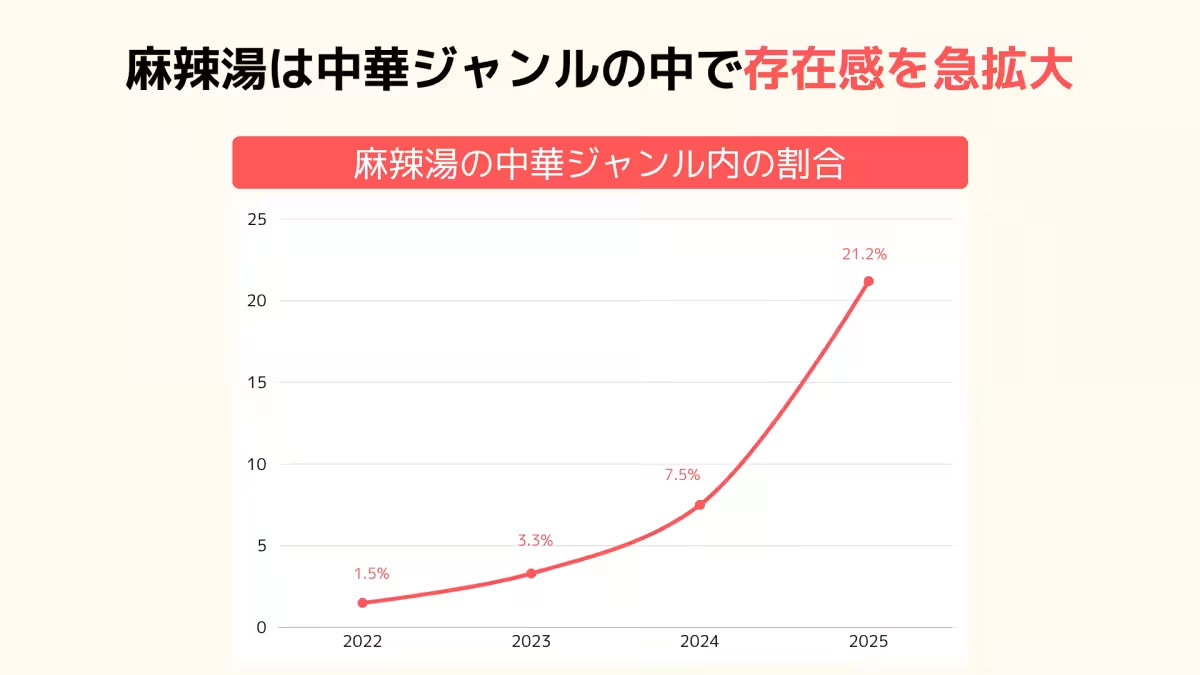
Mala Soup's share within Chinese cuisine has also witnessed a remarkable transformation. From a mere 1.5% in 2022, its popularity soared to 21.2% by 2025. This transition from a niche interest to a mainstream option could signify broader shifts in consumer interests towards greater diversity within the culinary scene.
The Cultural Roots of Mala Soup
It’s worth noting that Mala Soup is not a new invention; it has existed in Chinese street food culture for years. Its style of allowing diners to choose their ingredients is traditional, having been enjoyed by Chinese citizens for generations.
In Japan, Mala Soup began gaining traction around the late 2000s, experiencing a measure of popularity in 2018-2019 known colloquially as ‘Mala Katsu’. Today’s resurgence isn’t about the emergence of an entirely new dish, but rather about an old favorite finding new life by matching contemporary consumer expectations.
Looking Ahead
The data compiled suggests that the Mala Soup phenomenon doesn't represent passing whimsy but points to its establishment within the broader food market. As restaurant numbers continue to grow, ongoing variety in establishments and service models will likely emerge.
What’s becoming clear is that Mala Soup symbolizes a shift in restaurant culture that emphasizes “freedom of choice” and “innovative dining experiences.” The evolving landscape of how and what we eat continues to be shaped by consumer desires for diversity, satisfaction, and customization.
As Review Inc. continues its work, using data to visualize these nuanced changes, it underscores the importance of understanding market fluctuations. The future looks bright for Mala Soup, as it not only captures a segment of the culinary market but also embodies shifting attitudes toward dining. For a society searching for unique experiences, it stands as a shining example of adapting tradition to fit modern tastes.
Mala Soup invites diners to enjoy their meal on their terms, hinting at exciting new developments in the dining sector. No longer a fleeting trend, Mala Soup is indeed carving itself a lasting place in the ever-evolving culinary landscape.


Topics Consumer Products & Retail)





【About Using Articles】
You can freely use the title and article content by linking to the page where the article is posted.
※ Images cannot be used.
【About Links】
Links are free to use.