



Common Challenges in Shift Management: Insights from the First R-Shift User Conference
Exploring Shift Management Challenges and Solutions
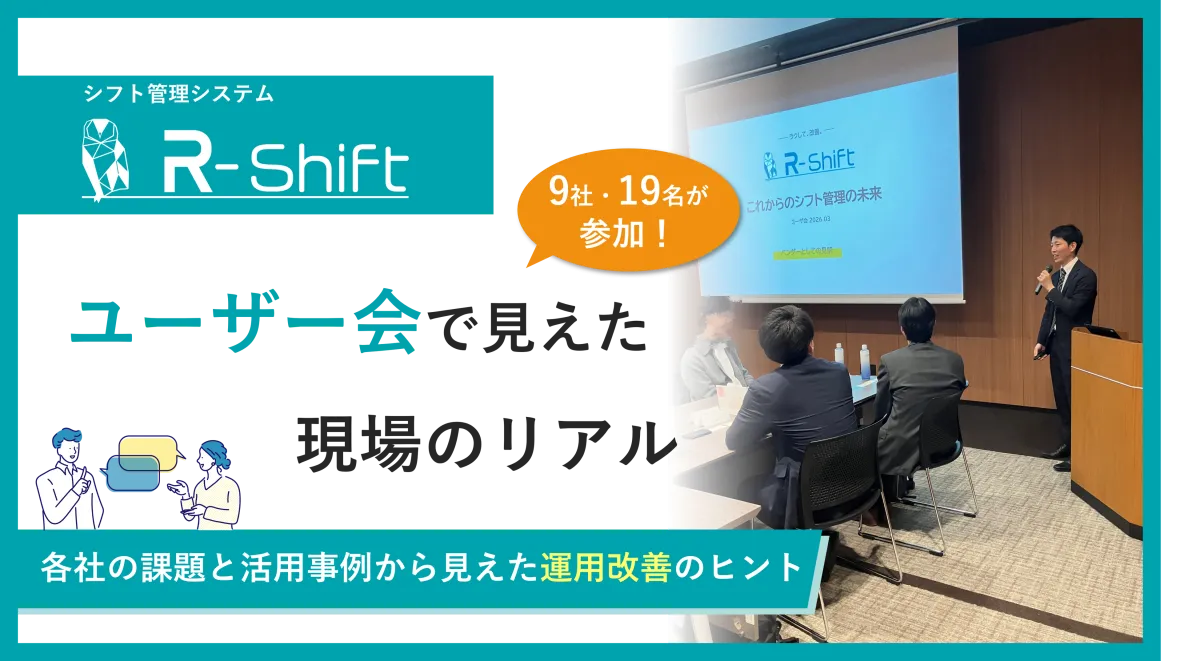
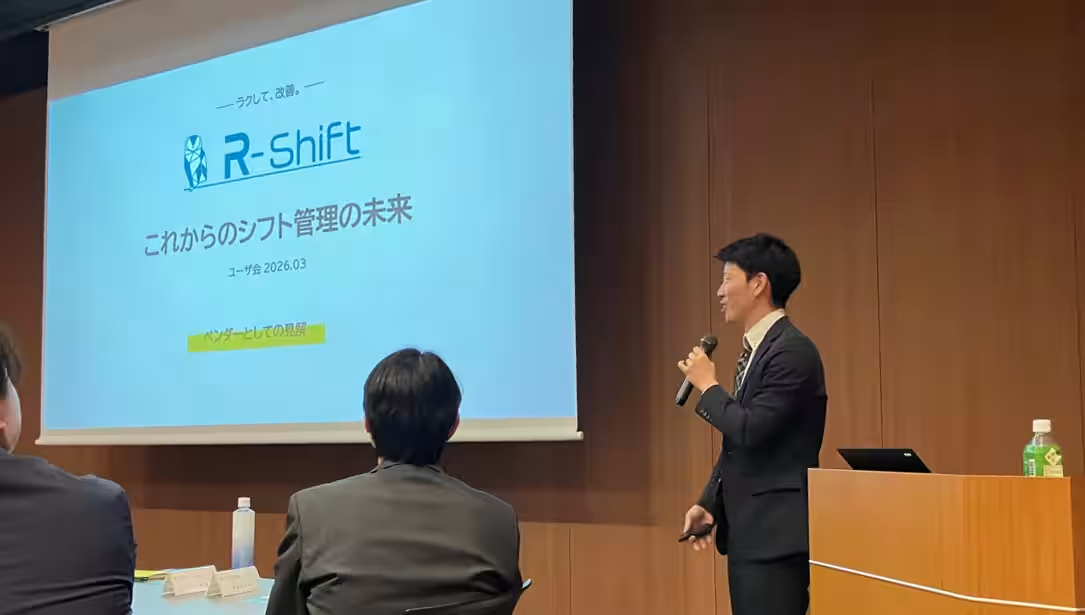
In a groundbreaking event, the first R-Shift User Conference brought together 19 system administrators and leaders from nine companies across various sectors, including supermarkets, restaurants, service industries, and specialty stores. This gathering provided a platform for sharing real-world challenges and success stories related to the implementation of the R-Shift shift management system. Companies represented at the conference included those operating over 2,000 stores and others that have been utilizing R-Shift for more than five years. Participants engaged in lively discussions, exchanging valuable insights on overcoming operational hurdles, and offering direct feedback to the development team.
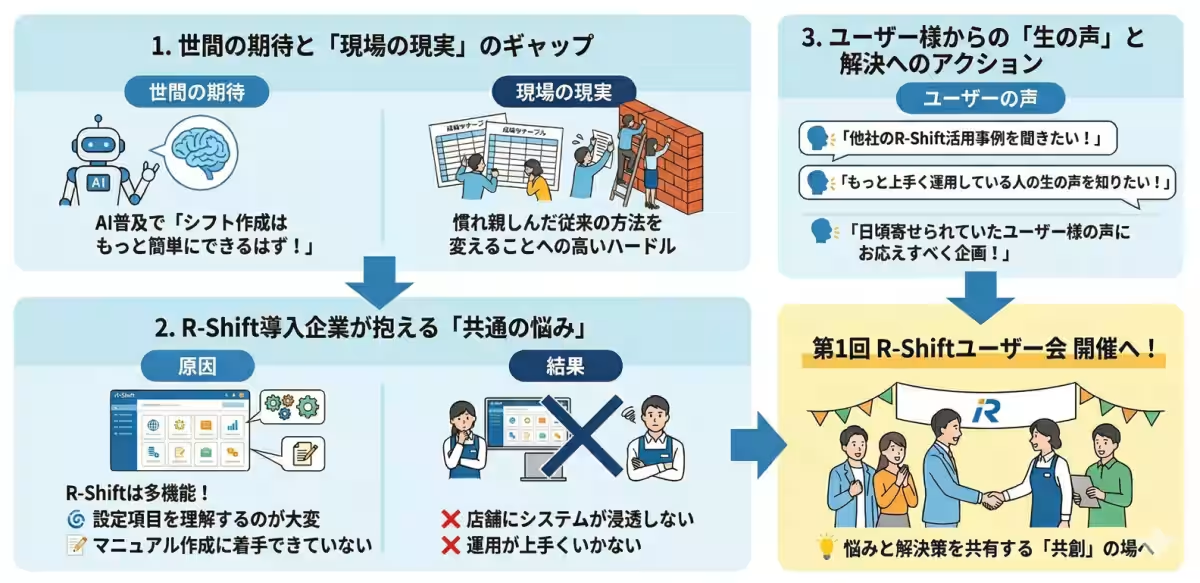
Why Hold a User Conference Now?
There is a growing expectation for simplified shift creation, fueled by advancements in AI and other technologies. However, many organizations continue to struggle with ingrained traditional methods. During the conference, it became evident that users wanted to hear firsthand experiences from those successfully utilizing R-Shift. Participants voiced challenges such as difficulties in understanding the system's functionalities and the complexities surrounding manual creation. These recurring issues have hindered effective system adoption and operational efficiency in numerous companies.
A Platform for Co-Creation Rather than Just Reporting
The user conference was designed not only to explain system features but also to foster collaboration among companies as they shared their challenges and success stories. The program was structured around three core activities:
1. Shiftalk: Sharing Real Experiences
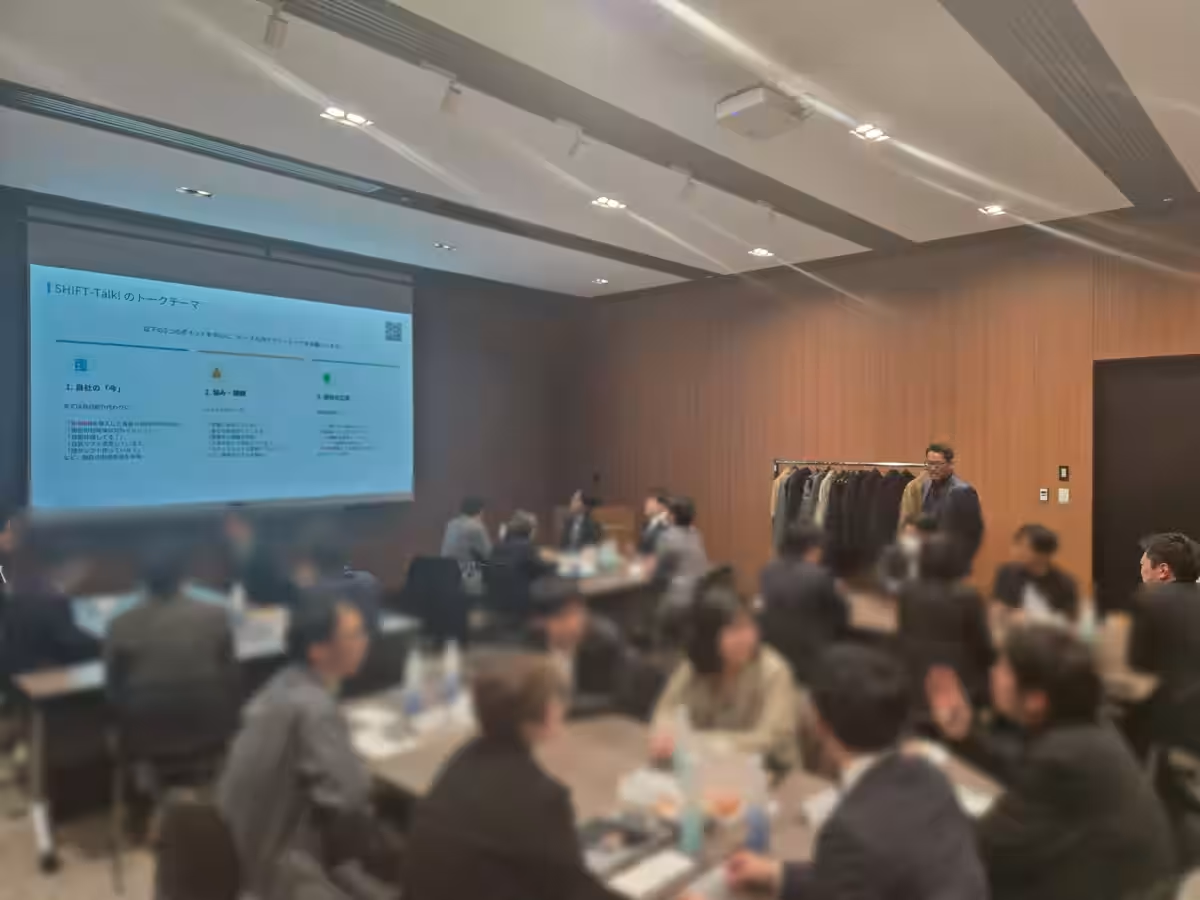
Participants were divided into groups to candidly discuss their current operational challenges and innovations. The open exchange created a supportive environment, where companies could share real solutions to common hurdles like manualization issues, which needed thorough examination. This segment not only encouraged valuable insights but also fostered strong connections among users.
2. Request Tree: Direct Developer Interaction
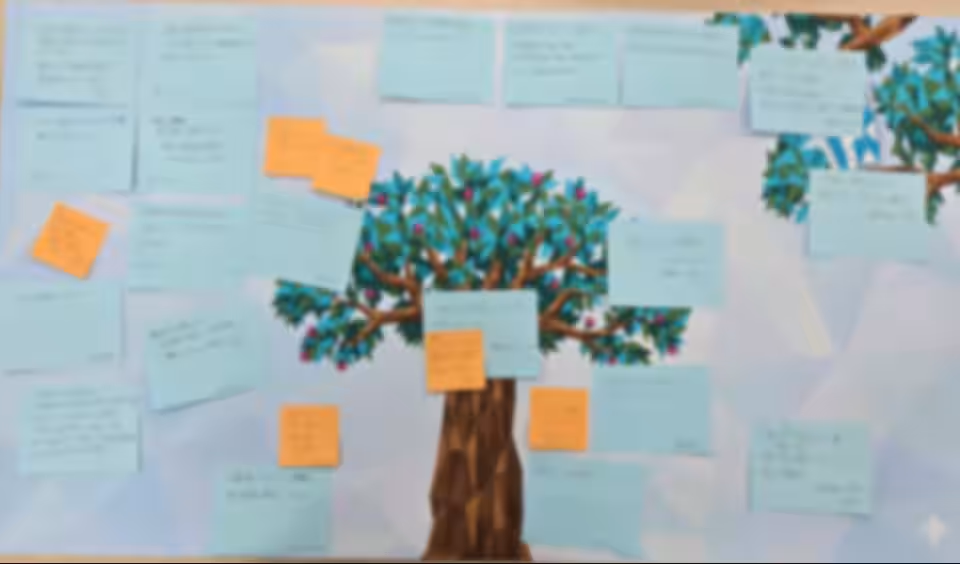
Using sticky notes and poster paper, attendees participated in a workshop to brainstorm feature requests and improvements for R-Shift. Groups narrowed down their ideas to the most pressing two, which were then presented to members of the development team. This interactive format allowed for a direct exchange of concerns and aspirations, embodying the true essence of co-creation.
3. Shaping the Future of Shift Management Together
Towards the end of the program, a vision for R-Shift’s future was shared with participants. This discussion transcended immediate issues, aiming to clarify how shift management would evolve and the value R-Shift would continue to provide. Engaging users in this reflective conversation added a deeper layer of significance to the event.
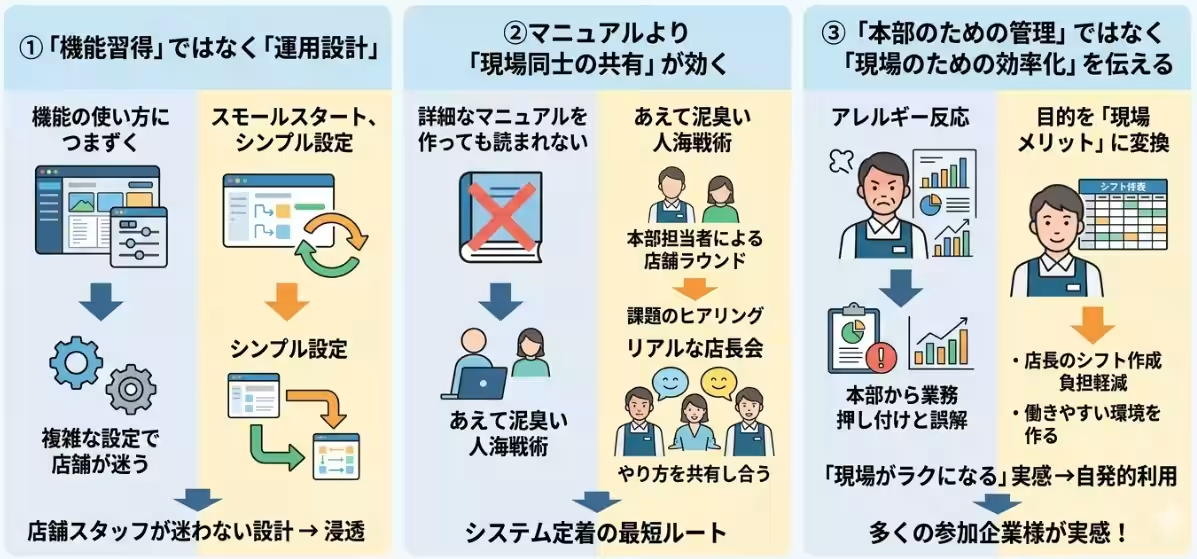
Three Key Areas for Improvement Identified by Nine Companies
Through the genuine dialogues fostered at the conference, several collective challenges and hints for overcoming them emerged clearly:
1. Focus on Operational Design Over Feature Mastery:
Many enterprises grapple with operational design rather than simply mastering features. Successful companies initially focused on implementing essential functions rather than attempting to utilize every feature at once. This strategic approach helps clarify operational flow for on-ground staff, avoiding confusion.
2. Prioritize Peer Sharing Over Manuals:
While exhaustive manuals may go unread, prolific enterprises encourage grassroots sharing among staff. Utilizing headquarters staff for on-site checks and fostering local manager meetings facilitates real, practical exchanges of strategies and insights, proving to be the quickest path for system adoption.
3. Communicate Efficiency for the Field, Not Bureaucracy for Headquarters:
Misconceptions often arise around new systems being perceived as extra administrative burden imposed by headquarters. Companies that have successfully integrated the system convey its purpose as a tool for reducing managers’ workloads and enhancing work environments, focusing on benefits for staff at the ground level. Cultivating this understanding proves crucial in encouraging voluntary use among employees.
Post-Event Survey: Positive Reception and Feedback
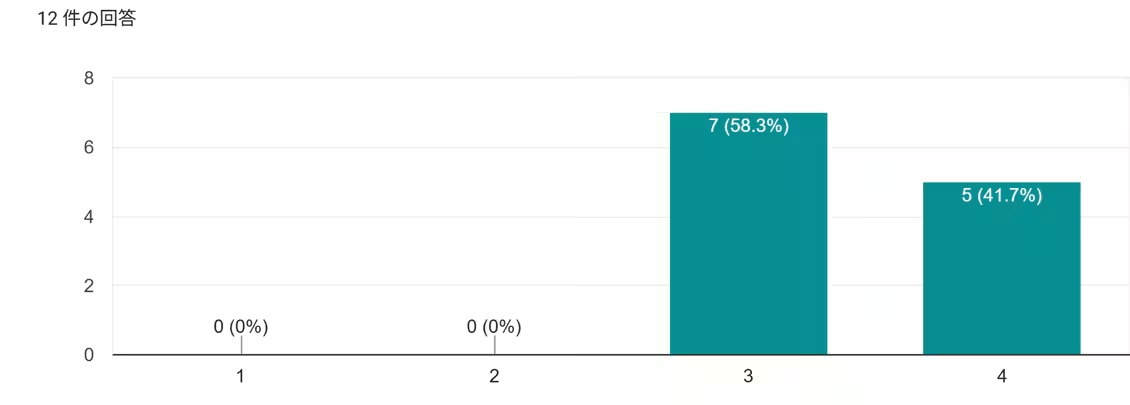
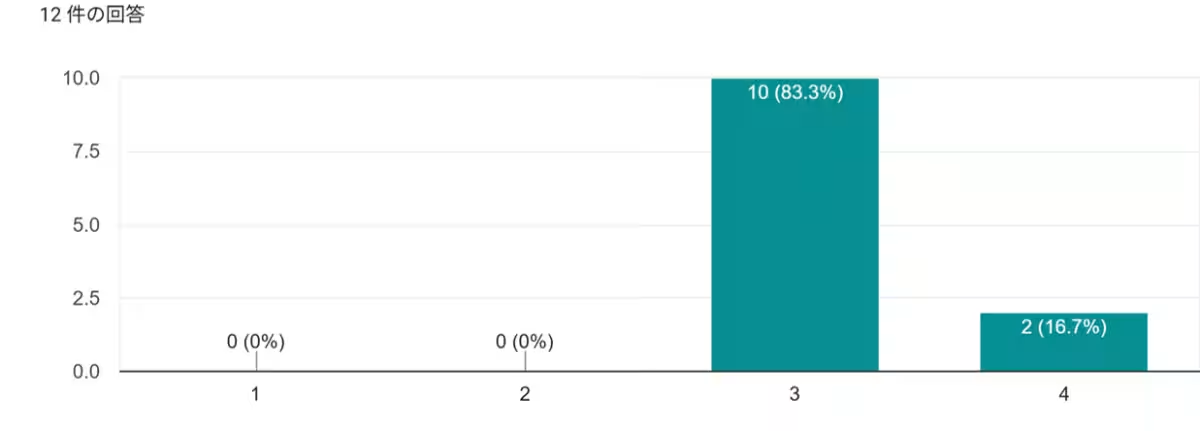
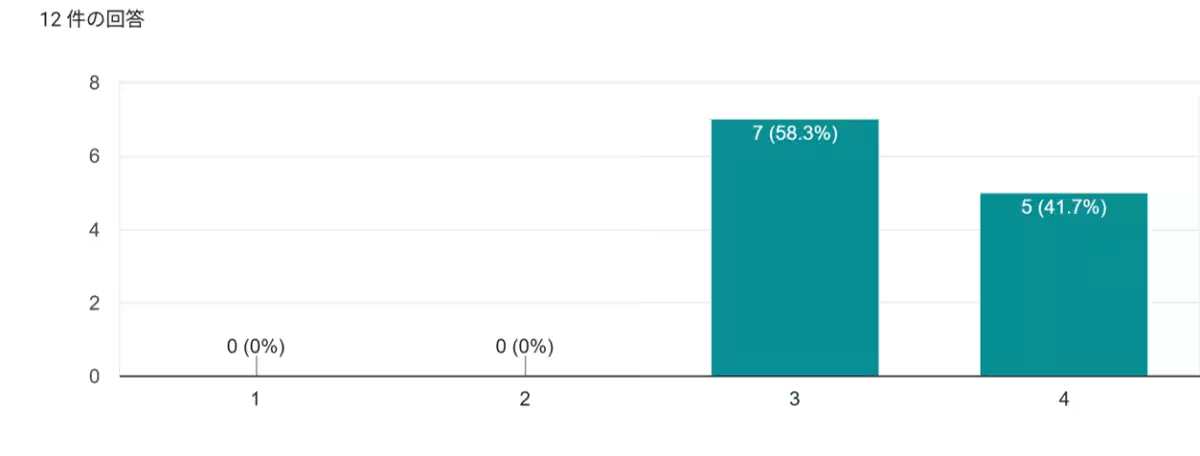
Following the conference, feedback from attendees reflected high satisfaction levels and appreciation for the event’s structure and support.
- - With 100% positive responses, participants felt that group discussions allowed for active exchanges of ideas.
- - Likewise, unanimous feedback confirmed that exchanging information with other companies offered significant value for their own operations.
- - Many expressed desires to recommend future events to their colleagues and other locations.
Next Steps: An Evolving R-Shift with User Collaboration
The inaugural user conference reaffirmed the profound value of user insights in shaping service growth. In light of feedback indicating a desire for deeper discussions among industry professionals, there are plans for specialized conferences focusing on specific sector challenges. Ideas generated in the Request Tree workshop will be taken seriously, prompting rapid development and functionality improvements in partnerships with users. R-Shift aims not only to offer shift management tools but to cultivate a collaborative, innovative service experience alongside its users.
Expect forthcoming advancements to tackle real user challenges, ensuring that operations can return to focusing on their core mission. Stay tuned for future conferences and engaging collaborations that will further the evolution of R-Shift!

Topics Business Technology)

【About Using Articles】
You can freely use the title and article content by linking to the page where the article is posted.
※ Images cannot be used.
【About Links】
Links are free to use.