




Transforming Healthcare Administration: Automating Patient Data Management with RPA
Efficient Patient Data Management through RPA
In today's fast-paced healthcare environment, the sheer volume of patient data can overwhelm administrative staff. Recognizing this challenge, Riplus Inc. introduces its innovative product, "Good Hands-RPA," which automates tedious tasks associated with patient data entry and management. This article unfolds the significance of Robotic Process Automation (RPA) in alleviating the workload for healthcare administrators.
Back Office Challenges in Healthcare
Every day, healthcare facilities face an avalanche of data entry tasks that include registering patient information, updating electronic medical records, and transferring data among various systems. These meticulous operations, while essential, can lead to significant stress due to the potential for errors and the extensive workload they impose on staff.
Many healthcare administrators express concerns such as:
1. Prolonged verification processes due to fear of input errors.
2. Inability to focus on patient interaction because of the burden of routine tasks.
3. Chronic overtime work without the possibility of hiring additional staff.
These issues highlight the pressing need for a solution that simplifies the administrative burdens and enhances the quality of patient care.
Why RPA is Gaining Attention in Healthcare
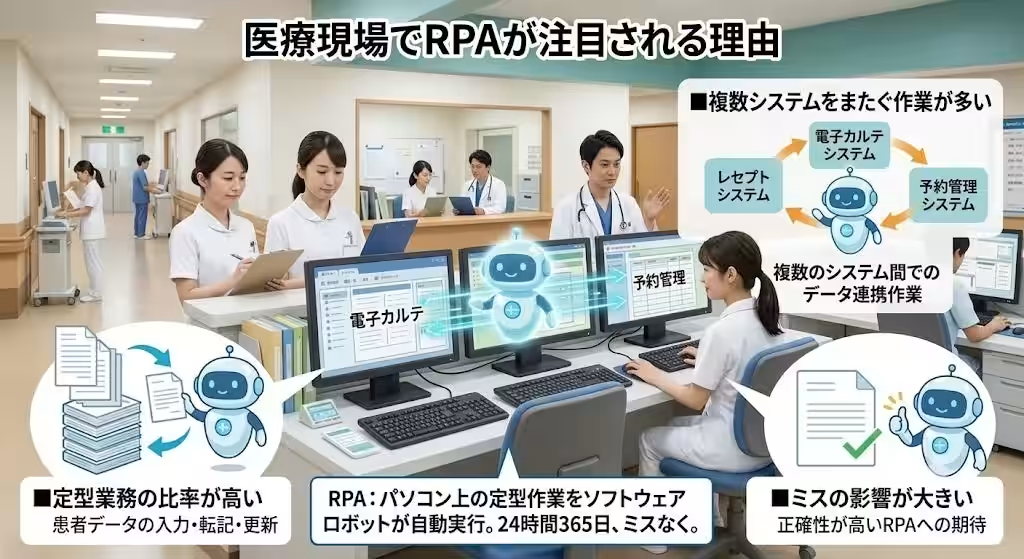
RPA comprises software robots that autonomously perform routine tasks traditionally handled by humans on computers. By capturing and replicating the exact actions on a keyboard or mouse, RPA can execute these tasks flawlessly, 24/7. The benefits of implementing RPA in healthcare come from three key aspects:
1. High Proportion of Repetitive Tasks: Routine activities such as data entry and updates adhere to fixed procedures, making them suitable for automation.
2. Work Across Multiple Systems: Many administrative works require seamless data integration between electronic medical records, billing systems, and appointment management software, an area where RPA excels.
3. Impact of Errors: In healthcare, even minor data input errors can have serious ramifications for patient safety, fostering a growing reliance on RPA for its accuracy.
Overcoming Patient Data Management Challenges with RPA
1. Registration and Updating of Patient Information
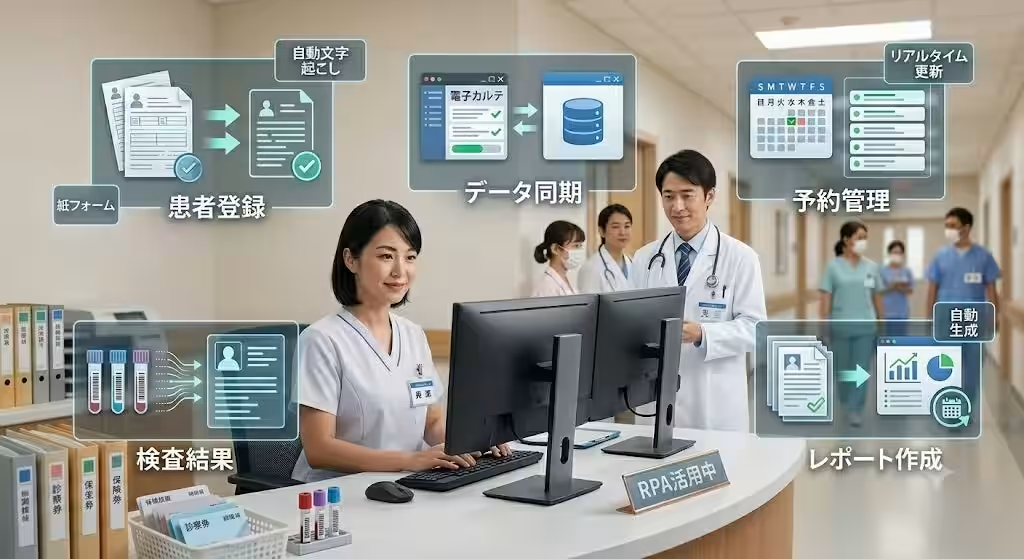
RPA automates the transcription of data from paper forms and patient questionnaires, substantially reducing transcription errors and the time needed for input. By managing dozens of registrations per day, RPA continuously lightens staff workloads.
2. Data Input for Electronic Medical Records
Rather than having staff manually perform copy-pasting tasks between systems, RPA can take over, resulting in minimal input errors and reducing the time staff spend on verification processes. This liberation allows administrators to devote their time to direct patient care.
3. Synchronization of Scheduling Systems
RPA automates the synchronization between appointment systems and internal management systems, eliminating the issues of double entry and data discrepancies. Additionally, real-time processing of modifications and cancellations helps prevent information loss.
4. Integration of Test Results
When external agencies send lab results, RPA can automatically reflect this data in the corresponding patient records, erasing the need for exhausting cross-referencing tasks. This allows facilities to maintain speed and accuracy, even on the busiest days.
5. Automating Reporting and Summarization
By scheduling monthly and weekly reporting tasks for automatic execution, employees can concentrate on review and application instead of being bogged down by paperwork. This shift enhances overall operational efficiency dramatically.
The Journey of RPA Implementation
Implementing RPA involves a clear three-phase approach:
Phase 1: Analyzing Current Workflows
Organizations need to evaluate existing processes to identify tasks ripe for automation. Typically, these are the tasks that repeat daily and follow fixed procedures.
Phase 2: Developing and Testing RPA Robots
Once tasks are selected, robots tailored to these specific duties are developed and rigorously tested in real-world environments to ensure precision before going live.
Phase 3: Operational Launch and Ongoing Support
After launch, continued support ensures maintenance during process changes, making the transition smoother.
The Benefits of Introducing RPA
The integration of RPA not only streamlines operations:
- - Time on Data Entry: Up to 70% reduction in data management time.
- - Input Errors: Near elimination of human errors, easing the verification burden
- - Focus on Value-Added Work: Staff can pivot their focus from routine tasks to enhanced patient care, improving service quality.
- - Reducing Overtime: By offloading data processing work, RPA contributes to work-life balance, decreasing the need for overtime.
The demand for RPA solutions like "Good Hands-RPA" is vital for businesses navigating the constraints of workforce shortages and inefficiencies in routine operations.
If you wish to explore the automation landscape further, consider seeking free consultation opportunities with Riplus. RPA is an avenue full of potential for businesses striving to transform operational efficacy and improve service quality in healthcare.
For intricate details and inquiries about RPA deployment, you can visit the official website of Good Hands-RPA, or contact through the dedicated channels for expert guidance.





Topics Consumer Products & Retail)
【About Using Articles】
You can freely use the title and article content by linking to the page where the article is posted.
※ Images cannot be used.
【About Links】
Links are free to use.