




Understanding the Investment Habits of Millennials in Japan: Insights from a Recent Survey
Understanding the Investment Habits of Millennials in Japan
In April 2026, Cross Marketing conducted a comprehensive survey targeting 3,200 individuals aged 20 to 39 across Japan, aiming to understand their perspectives on financial management and investment strategies. With the growing recognition that the Z generation faces challenges in traditional asset building due to low-interest rates, the findings provide an in-depth exploration of investment products, triggers, and the motivations behind investing in assets.
Key Findings
Prevalence of Investment
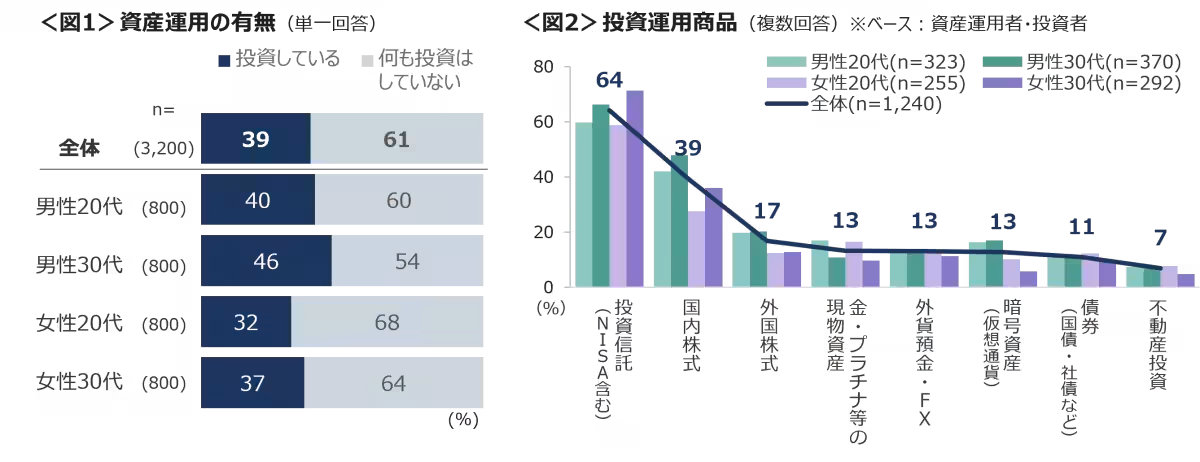
The survey indicated that 39% of participants in their 20s and 30s engage in asset management. Notably, the figures were higher for men, with 46% in their 30s and 40% in their 20s actively involved in investment activities. According to the findings:
- - Investment Products: The most commonly utilized investment products included NISA-integrated investment trusts at 64% and domestic stocks at 39%, followed by foreign stocks at 17%.
- - Demographics: Women of their 30s showed a preference for NISA-integrated investment trusts, while men in their 20s and 30s favored domestic stocks.
Triggers for Investment
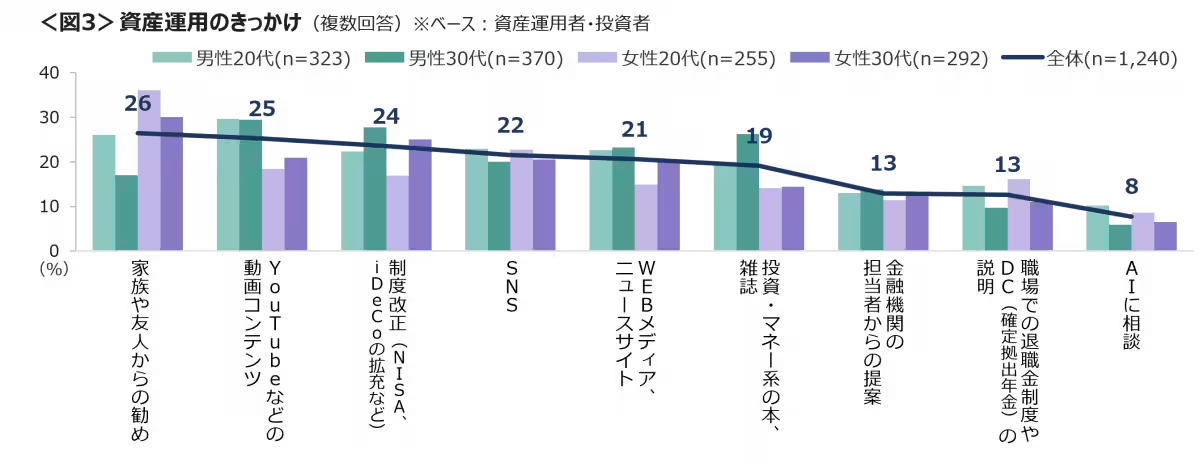
When it comes to what prompts individuals to start investing, the leading influences were:
1. Advice from family and friends: 26%
2. Video content on platforms like YouTube: 25%
3. Regulatory changes (e.g., expansion of NISA and iDeCo): 24%
Women appeared to be more influenced by familial suggestions, whereas men tended to respond to digital content. Furthermore, individuals in their 30s were more likely to respond to regulatory stimuli, highlighting a stark contrast between active and passive approaches to investment based on gender.
Investment Objectives
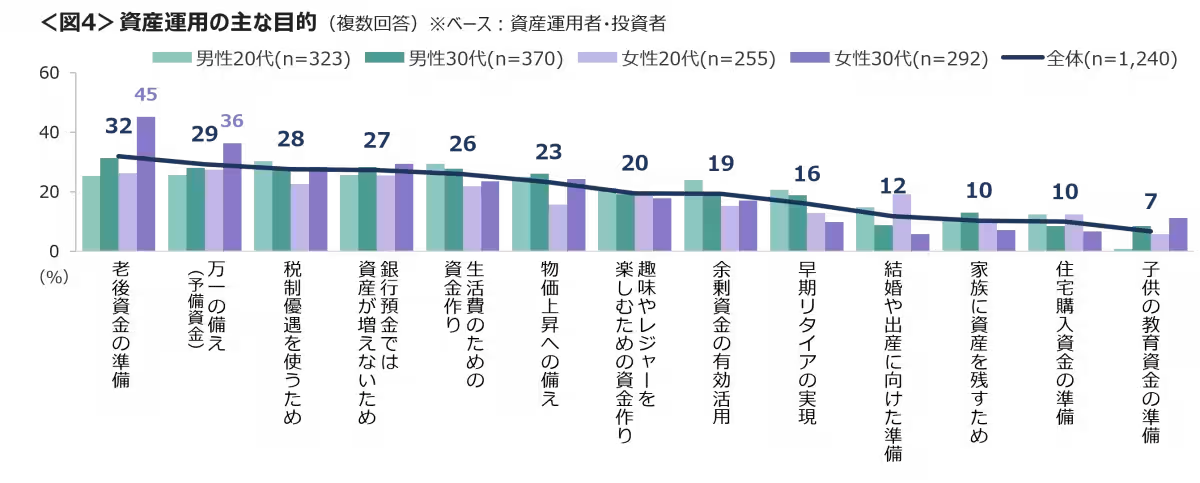
Respondents indicated that their primary reasons for investing include:
- - Preparing for retirement
- - Creating reserve funds for contingencies
- - Taking advantage of tax benefits
- - Acknowledging that traditional savings don't grow assets
- - Generating funds for living expenses
- - Preparing for inflation
Among women in their 30s, the motivations of retirement preparation and contingency funds were particularly prominent, recorded at 45% and 36% respectively.
Stock Investment Goals and Criteria
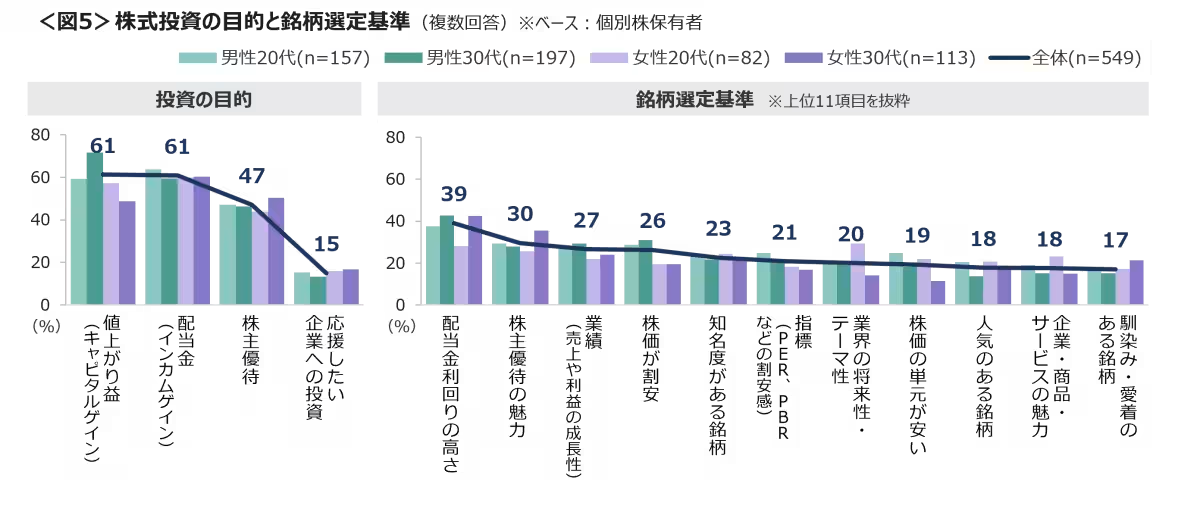
For those investing in domestic and foreign stocks, the objectives were equally divided between capital gains and dividend income, both capturing around 60% of responses. Men in their 30s placed a greater emphasis on capital appreciation. The selection criteria for stocks were:
- - High dividend yield: 39%
- - Attractiveness of stock benefits: 30%
- - Company performance (growth in sales and profits): 27%
- - Assessments of undervaluation: 26%
Barriers to Investment
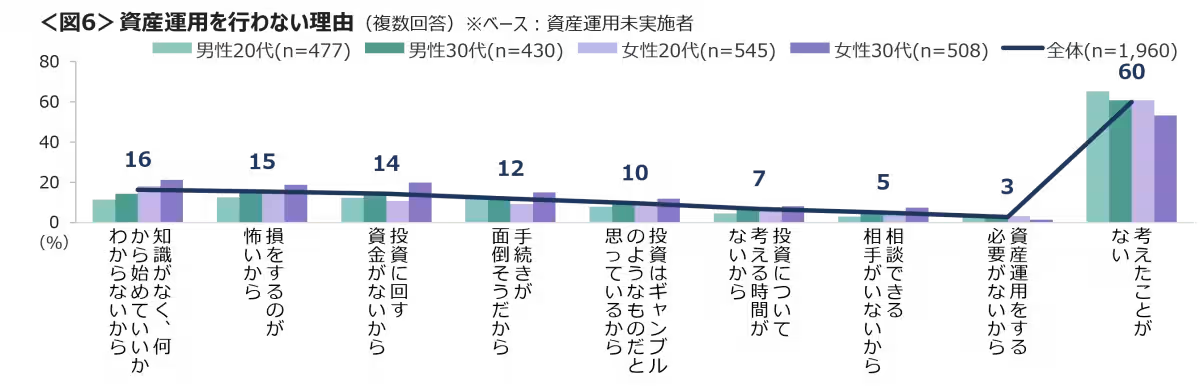
Despite the growing number of investors, a notable portion of the population—around 6 in 10—expressed they have never considered investing. The predominant reasons for not engaging in asset management were:
- - Lack of knowledge and uncertainty about where to start
- - Fear of experiencing losses
- - Insufficient funds allocated for investment
Approximately one and a half times this amount articulate these limiting beliefs, indicating a need for greater financial education and outreach to motivate a broader segment of the population to invest.
Conclusion
The findings from Cross Marketing's survey underscore the distinct investment behaviors identified within Japan's younger demographic—both male and female. While many are inspired to invest through social influences and modern platforms, there's still a significant segment that refrains from participating due to perceived barriers. Initiatives that cater to education and targeted outreach could enhance participation in asset management and promote financial literacy across generations. Overall, understanding these behaviors not only highlights current trends but also sets the stage for future strategies to engage with the younger audience regarding investment.
For further insights into this survey and more information about financial behaviors, visit Cross Marketing.

Topics Financial Services & Investing)
【About Using Articles】
You can freely use the title and article content by linking to the page where the article is posted.
※ Images cannot be used.
【About Links】
Links are free to use.