



Understanding Forgetfulness: Insights from a Nationwide Survey on Losing Items in 2026
Exploring Forgetfulness: A Comprehensive Look at the 2026 Survey Results
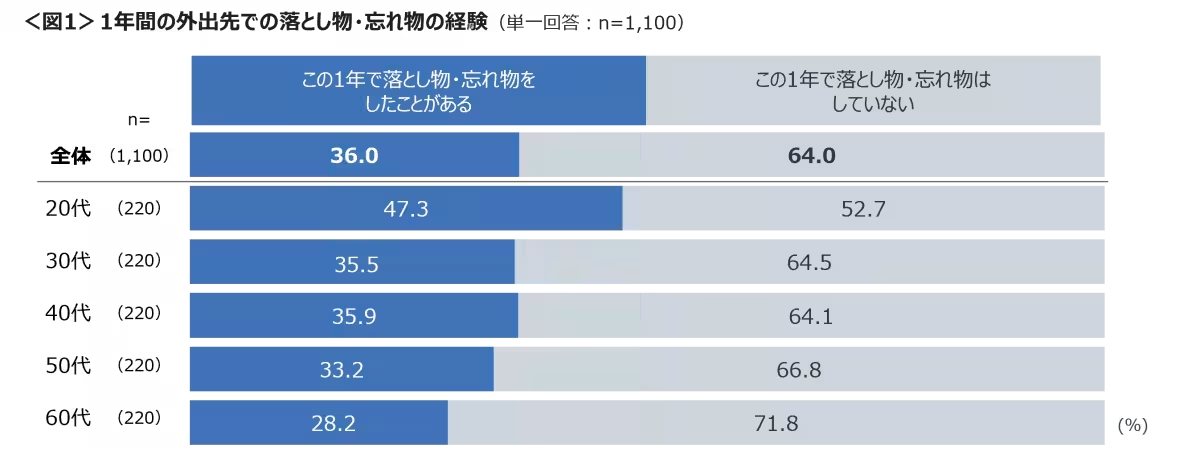
Losing or forgetting personal items is a common experience for many, with a recent survey conducted by Cross Marketing revealing that a significant 36% of respondents aged 20 to 69 have experienced this in the past year. These findings highlight that nearly half of the respondents in their 20s, specifically 47.3%, reported incidents of misplaced belongings, indicating a trend that younger individuals tend to be more prone to forgetfulness when compared to older generations.
Key Findings of the Survey
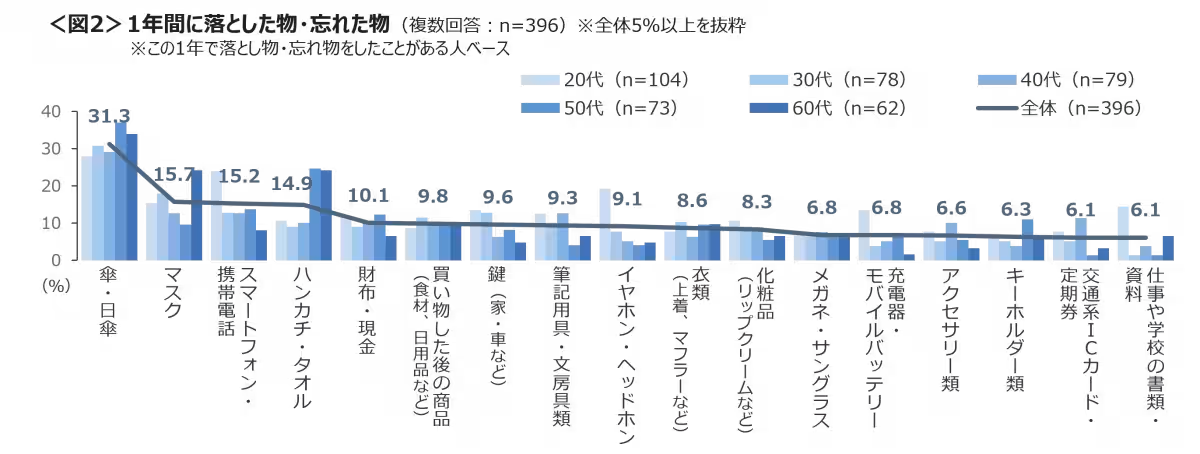
The survey was meticulously designed to uncover the habits and patterns surrounding lost items. According to the results, the most commonly forgotten items included umbrellas and sunshades, which constituted 31.3% of lost belongings. Following closely were masks, smartphones, and handkerchiefs. Notably, distinct patterns emerge between age groups: younger individuals frequently lose electronic devices like smartphones and headphones, while those in their 50s and 60s tend to misplace handkerchiefs or masks.
Behaviors Following a Loss
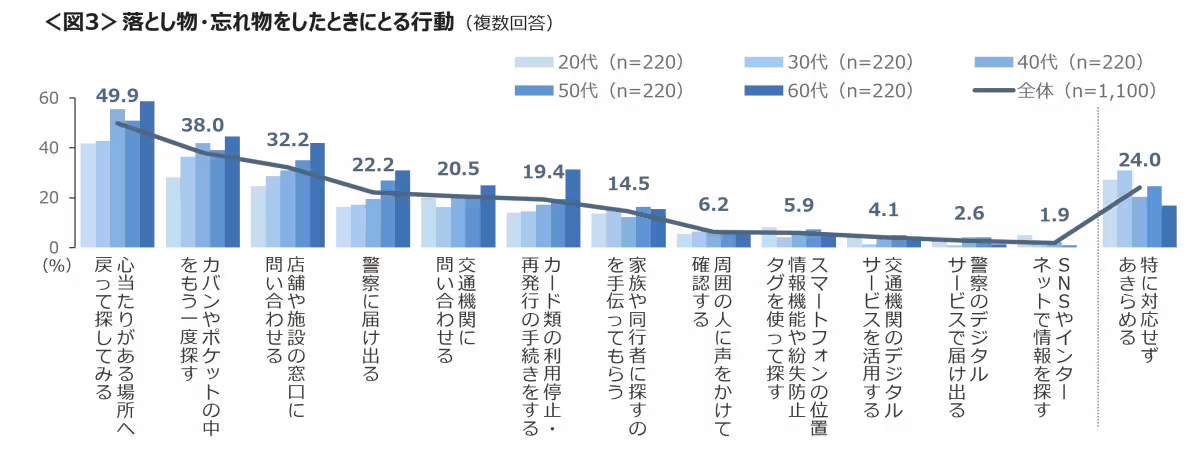
When respondents realized they had lost something, their subsequent actions reflected varied behaviors across different age demographics. The top three actions taken included:
1. Returning to the last known location of the item.
2. Searching through bags or pockets once more.
3. Inquiring at the relevant sales outlets or facilities.
Interestingly, it was observed that older respondents were more likely to take proactive measures to recover lost items. In contrast, around 30% of individuals in their 20s and 30s admitted to simply giving up after losing something, highlighting a stark contrast in how generations approach the recovery of lost items.
Prevention Measures Taken
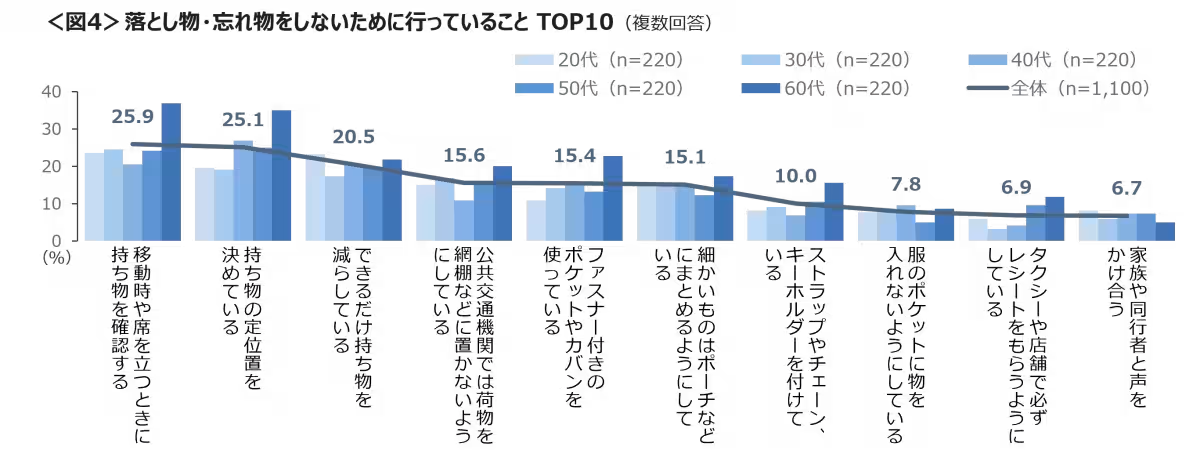
Preventative measures against losing belongings are crucial. The survey revealed several strategies that respondents employ:
- - Checking possessions while moving or when leaving their seats.
- - Assigning specific locations for items.
- - Minimizing the number of items carried.
Among older respondents, there is a notable emphasis on confirming their belongings, placing them in designated spots, and using zippered pockets and bags to secure possessions. These preventative tactics indicate a level of awareness and strategy that younger individuals might overlook.
Emotional Impact of Losing Items
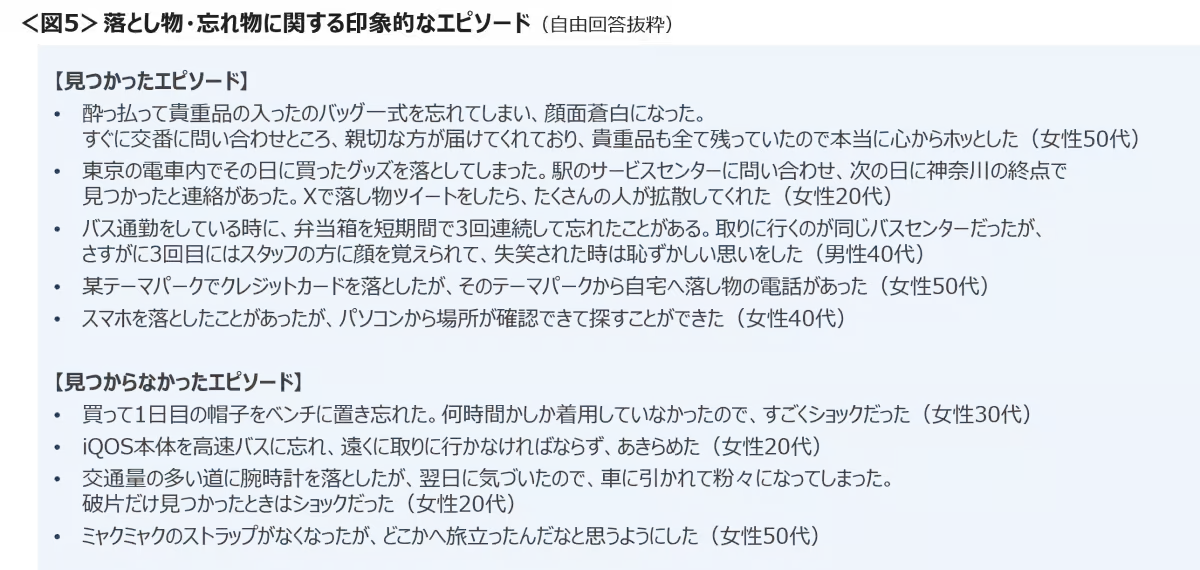
The emotional toll of losing valuable items, such as wallets or smartphones, can be substantial. Respondents shared stories of relief upon using location services to find lost smartphones or the distressing aftermath of recent purchases that end up damaged or lost. These narratives illustrate not only the practicality of recovering items but also the stress that accompanies the loss.
Conclusion
This survey illuminates the prevalent issue of forgetfulness among various age groups and the patterns of behavior that accompany these events. The insights gathered shed light on how we might better manage our belongings and the importance of developing habits that reduce the chances of losing items. As society continues to evolve, understanding these trends can help create more effective strategies for retaining personal belongings and minimizing forgetfulness.
For further details and insights, you can access the complete findings of the survey here.
- ---
About Cross Marketing
Cross Marketing, a market research firm based in Shinjuku, Tokyo, specializes in various sectors, providing detailed insights into consumer behavior and trends. Established in April 2003, the company operates with a strong commitment to delivering valuable marketing research services. For inquiries, please contact the marketing department at [email protected].
Topics Consumer Products & Retail)
【About Using Articles】
You can freely use the title and article content by linking to the page where the article is posted.
※ Images cannot be used.
【About Links】
Links are free to use.