



Unveiling the Most Avoided Household Chores According to a New Survey
Insights from the Most Avoided Household Chores Survey
A recent survey conducted by For-it, responsible for the affiliate platform afb, highlighted the household chores that individuals aged 20 to 60 prefer to avoid. The study involved 500 respondents from various age groups across the nation to gather insights on domestic burdens and preferences related to household tasks.
Survey Background
Doing household chores is an undeniable part of daily life, but not all tasks are equally welcomed. In this survey, participants were asked which chores they would prefer to sidestep. The results shed light on specific chores that seem less popular among the surveyed individuals, revealing trends in how different demographics perceive these tasks.
Survey Overview
- - Participants: Males and females aged 20 to 69
- - Sample Size: 500 individuals
- - Location: Nationwide
- - Methodology: Online research
- - Survey Date: June 10, 2025
Key Findings: The Most Avoided Chores
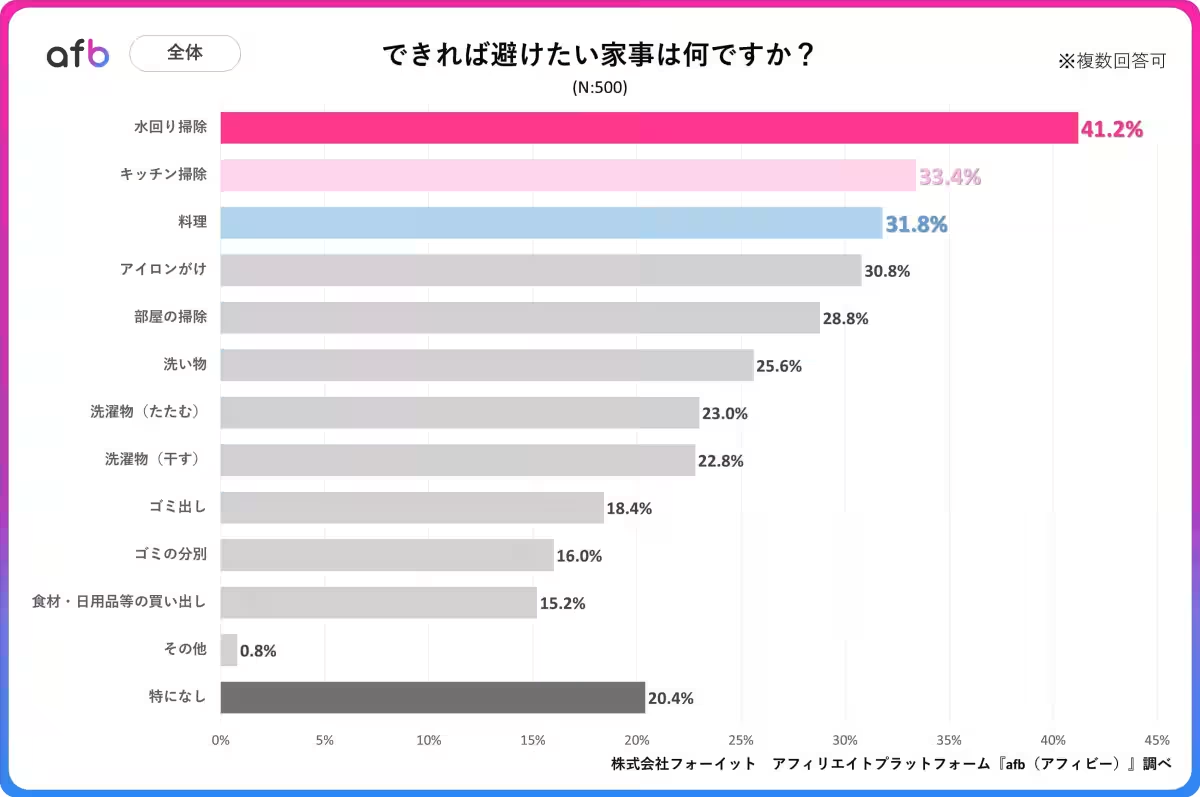
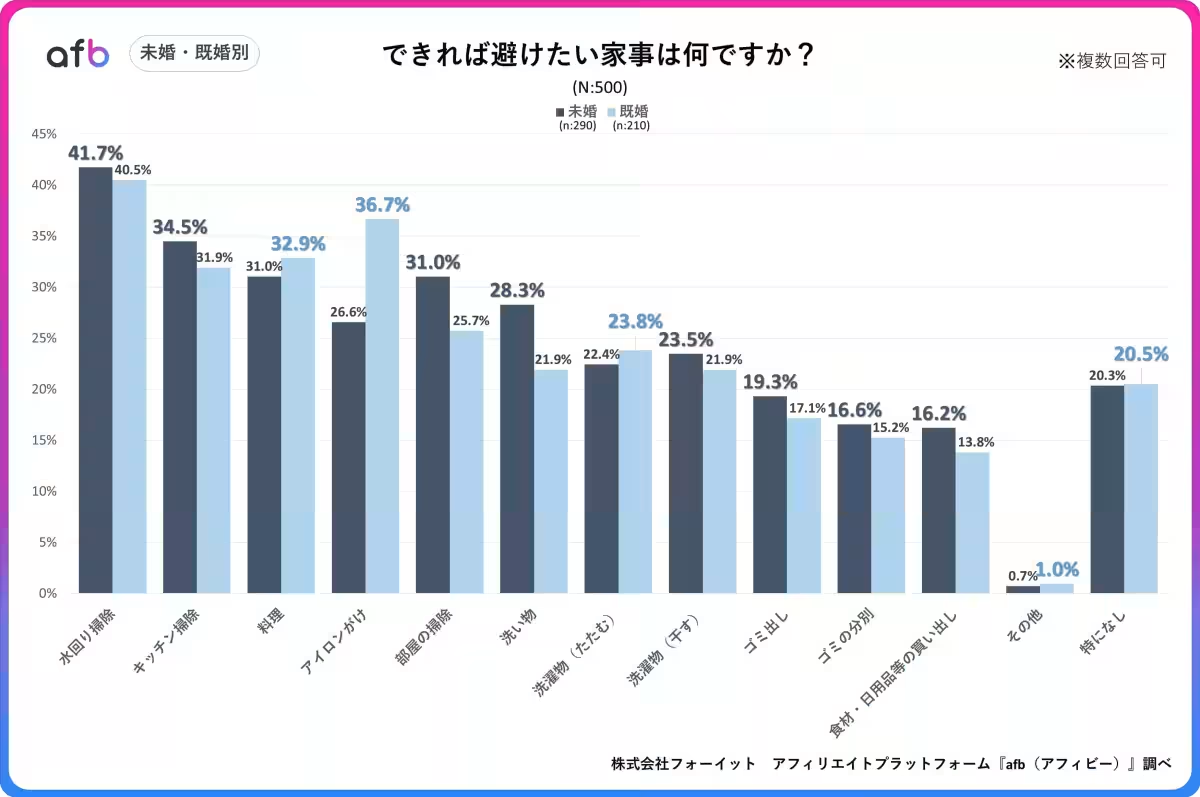
The respondents had various options to choose from, including cooking, washing dishes, cleaning bathrooms, and more. Surprisingly, the chore that topped their list was 'cleaning water areas,' with 41.2% of participants citing it as the most avoided task. Following closely behind were 'kitchen cleaning' at 33.4% and 'cooking' at 31.8%.
Analyzing Gender Differences in Chore Avoidance
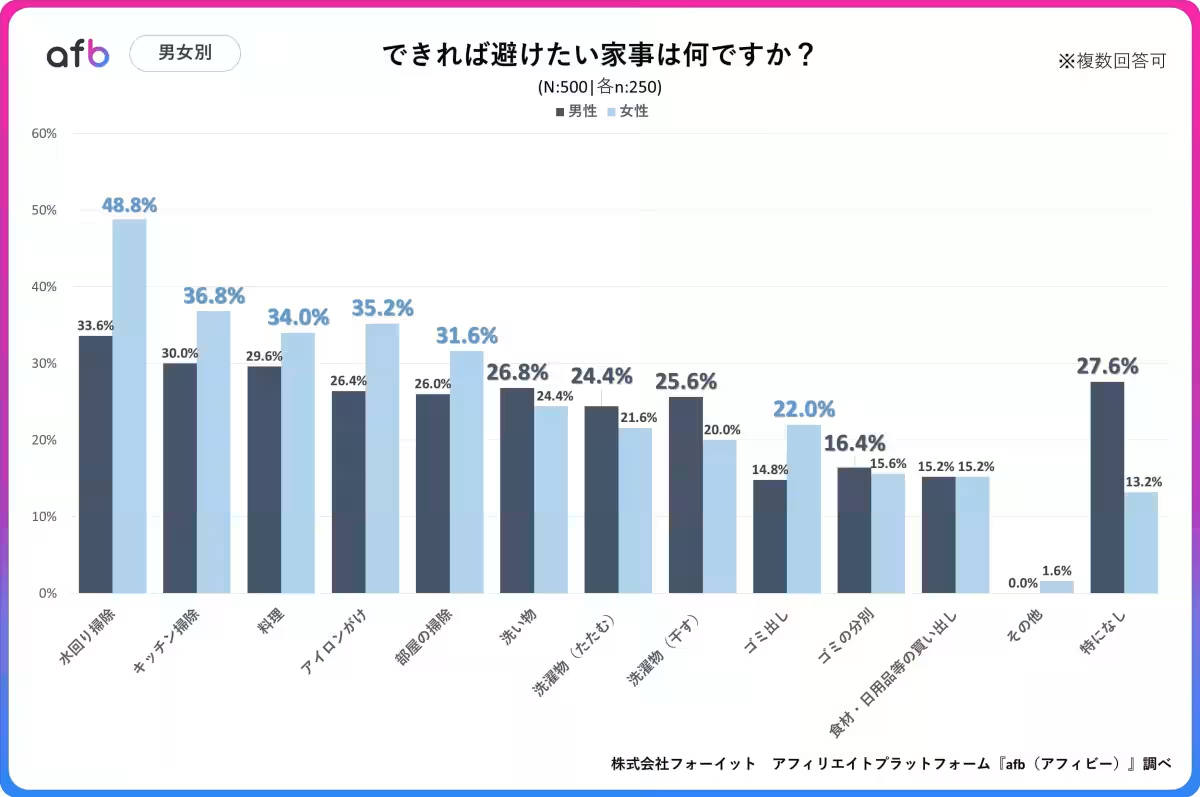
When analyzing the results by gender, it became apparent that women were significantly more likely to express a dislike for cleaning water areas, with female respondents rating this chore approximately 15% higher than their male counterparts. This discrepancy suggests that household cleaning, especially in high-traffic areas like kitchens and bathrooms, is viewed as a more laborious task for women, who seem to bear a heavier load when it comes to household responsibilities. In fact, while many women reported wanting to avoid certain chores, a notable portion of men responded 'none,' indicating a potential gender disparity in chore allocation and perception.
Age-Related Insights on Chore Preferences
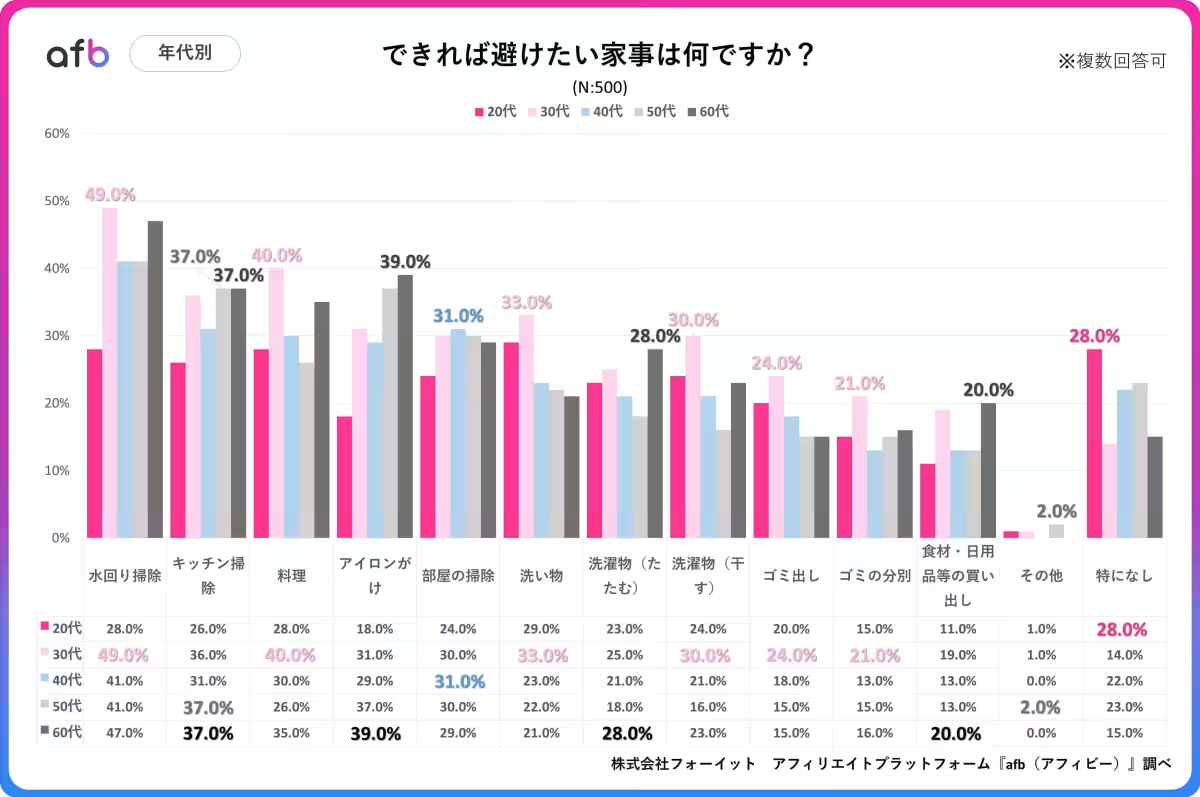
When the survey results were segmented by age, it became evident that younger individuals, particularly those in their 20s, expressed the lowest desire to avoid chores at 28%. This suggests that younger adults, who may be living at home or have fewer commitments, feel less overwhelmed by domestic responsibilities. Conversely, individuals in their 30s and older reported increased chore burdens, likely due to parenting and household management complexities inherent in family life.
Differences Between Single and Married Individuals
In analyzing responses from married versus single participants, the disparity in chore avoidance was notable. Married individuals reported a significantly higher tendency to avoid ironing, with more than a 10% difference compared to those who were unmarried. The increase in clothing volume due to family responsibilities may explain this reluctance among married participants. Interestingly, single participants leaned towards avoiding 'room cleaning' and 'dishwashing', suggesting that those living alone often have to manage their living spaces more actively.
Conclusion: The Importance of Time-Saving Tools
As household burdens evolve with lifestyle changes, various tools and appliances have emerged to ease the load of domestic chores. For those feeling overwhelmed by the responsibilities of cleaning, investing in time-saving products may be a practical approach. Platforms like afb offer various insights into products that could help streamline domestic tasks and alleviate related stress.
In summary, this survey conducted by For-it provides valuable insights into the domestic landscape, revealing that perceptions and attitudes towards household chores significantly differ based on gender and age. By understanding these trends, individuals can better navigate the complexities of maintaining a balanced home life.
For more details on the survey and its findings, visit For-it.


Topics Consumer Products & Retail)
【About Using Articles】
You can freely use the title and article content by linking to the page where the article is posted.
※ Images cannot be used.
【About Links】
Links are free to use.