



Understanding the Gap Between Cost and Trust in Prenatal Testing Facilities
Understanding the Gap Between Cost and Trust in Prenatal Testing Facilities
Recent research conducted by Minerva Clinic, under the leadership of Dr. Hiromi Nakata, sheds light on the considerations pregnant women have when selecting prenatal testing facilities. This survey, targeting women currently pregnant or those who have given birth within the last five years, took place between December 16 and 18, 2025, and included 1,016 female participants.
As prenatal testing, especially Non-Invasive Prenatal Testing (NIPT), becomes increasingly popular, concerns about costs and the quality of services offered are becoming more pronounced. Given the variance in testing options and associated costs, many expectant mothers can find themselves uncertain about how to choose a facility that meets their needs and provides a sense of security.
Concerns Regarding Prenatal Testing
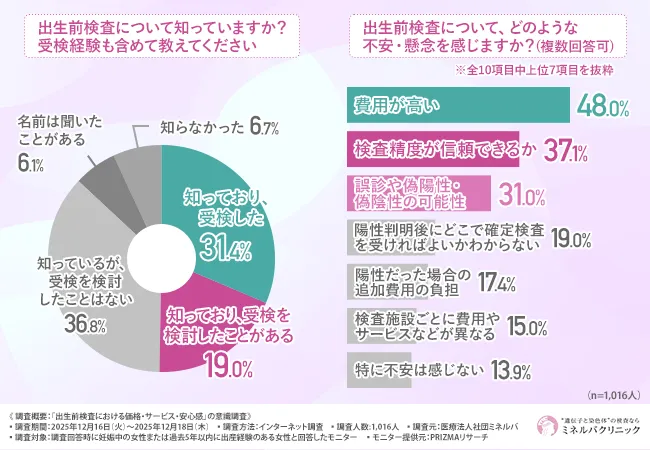
The survey revealed that almost 90% of respondents are aware of prenatal testing options. However, roughly 31.4% had undergone testing, while 19% had considered it. Key reasons hesitating respondents included concerns over costs, test accuracy, and the potential for misdiagnosis. Specifically, 48% of women expressed anxiety over high costs, followed by 37.1% regarding the reliability of test results and 31% worried about false positives or negatives.
Pregnant women face a significant emotional burden alongside their financial concerns. This raises the question: how can one effectively balance the desire for affordability with the necessity of reliability?
The Reality of Choosing a Testing Facility
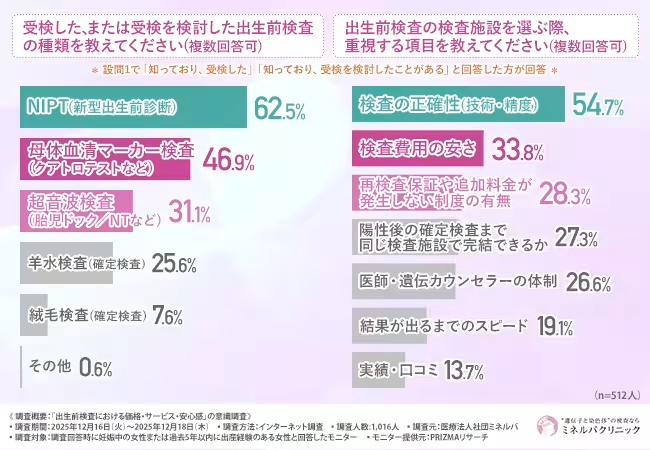
The data indicates that many women prioritize accuracy in determining the facility for prenatal testing. When asked what factors are most crucial, 54.7% cited the accuracy of tests, while 33.8% mentioned affordability, and 28.3% looked for guarantees against additional fees for retests.
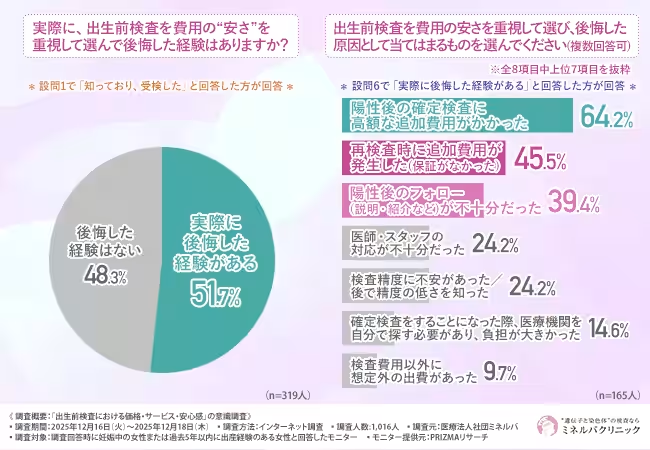
Unfortunately, many women who chose facilities based solely on lower costs expressed regret afterward. Approximately 51.7% of those who had undergone testing regretted prioritizing cost, citing unexpected additional expenses for confirmatory tests or inadequate follow-up support.
This situation reveals the undeniable connection between initial decisions driven by cost and the ongoing struggles associates with uncertain outcomes and potentially overwhelming expenses later in the testing process.
Elements of a Trustworthy Testing Facility
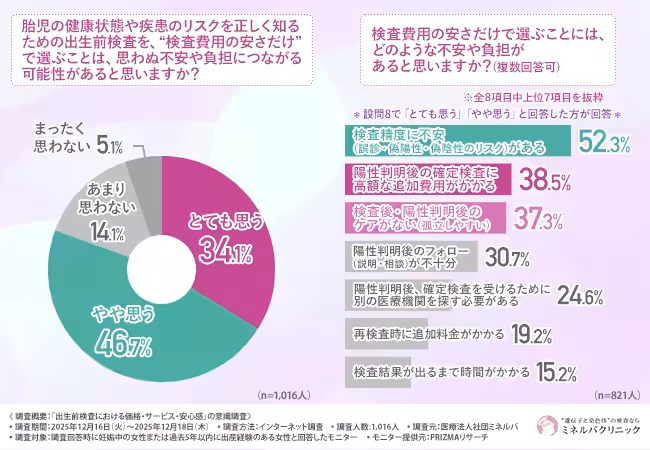
The survey also revealed that 80% of participants recognize the risks of choosing based solely on low-cost testing. The primary fears included doubts about the test's accuracy, possible exorbitant costs for confirmatory testing, and insufficient post-test care.
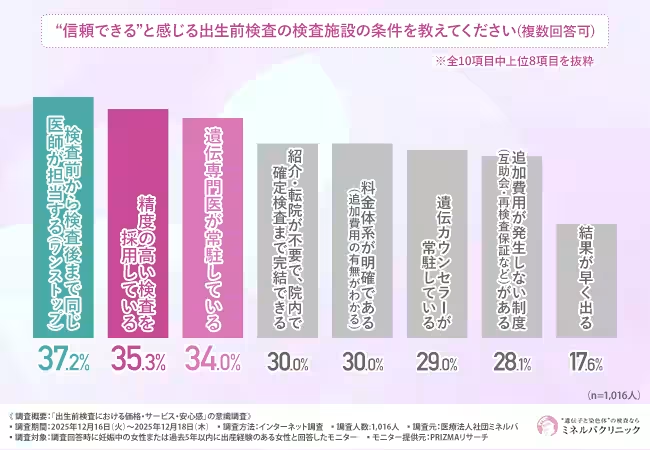
When asked to specify the attributes that would make a prenatal testing facility trustworthy, several factors emerged as most important:
1. Continuity of care with the same physician overseeing the testing process (37.2%).
2. High accuracy in testing procedures (35.3%).
3. Presence of genetic specialists (34.0%).
These preferences underscore that ensuring comprehensive support throughout the prenatal testing journey is essential for many women as they manage the uncertainties of pregnancy.
Minerva Clinic's Innovative Approach
In light of these findings, Minerva Clinic has embraced a collaborative approach between obstetrics and genetic counseling. With the recent integration of obstetric services, the clinic now provides not just testing but also supportive follow-up care. This innovative structure aims to minimize anxiety during the waiting periods for test results and ensure that pregnant women receive the reassurance and clarity they need.
Moreover, Minerva Clinic has implemented a unique “triple risk hedge” system:
1. Financial Risk Hedge: Through its assistance program, expenses associated with confirmatory tests following a positive NIPT result can be entirely covered with modest membership fees.
2. Time Risk Hedge: Now, the clinic can process confirmatory tests on-site, significantly reducing wait times for anxious parents.
3. Psychological Support: Patients are assigned a dedicated specialized physician throughout the testing process, ensuring consistent support and understanding, reducing feelings of isolation.
Conclusion
The results of this survey highlight the critical elements that expectant mothers consider when navigating prenatal testing options. While affordability is crucial, the need for reliability, accuracy, and comprehensive support cannot be overlooked. As prenatal testing facilities adapt their services to meet these demands, being a responsible partner in the family's journey is more imperative than ever.
For anyone considering NIPT or prenatal testing, Minerva Clinic stands out as a facility prioritizing trust, quality care, and patient reassurance as they embark on this essential pregnancy journey.

Topics Health)
【About Using Articles】
You can freely use the title and article content by linking to the page where the article is posted.
※ Images cannot be used.
【About Links】
Links are free to use.