



Understanding the Generation Gap: Insights into Family Communication on Aging and Care
Bridging the Communication Gap: Family Insights on Aging
A new survey conducted by SOMPO Himawari Life Insurance and SOMPO Care has delved into the often-overlooked discussions about aging and care between parents in their 70s and 80s and their adult children in their 40s and 50s. The results reveal significant gaps in communication, which are crucial for fostering the well-being of families in today’s aging society.
Survey Overview
To gain a better understanding of these dynamics, the study surveyed 1,000 individuals, divided equally between the older and younger generations. The results are alarming but not surprising, as they unveil a reluctance to engage in critical conversations about assets and future care plans.
Key Findings
1. Relationship Perceptions: A Discrepancy in Understanding
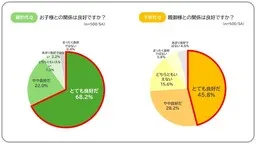
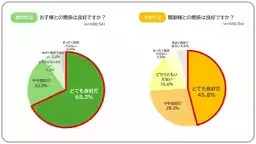
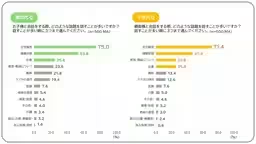
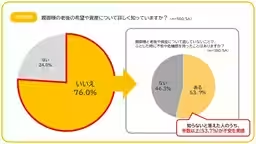
Around 68.2% of the parents perceive their relationship with their children as very good. However, only 45.8% of the children share this sentiment, indicating a 22.4% gap in how each generation views their interactions. While casual conversations about health and recent life events are common, only 3-5% of discussions touch upon crucial topics like financial matters or long-term care wishes. This indicates a disconnection between perceived closeness and meaningful dialogue on important life aspects.
2. Preparing for the Future: Trust Versus Anxiety
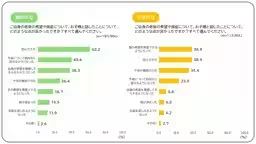
Interestingly, 62.2% of parents believe that their children will be able to handle decisions confidently if the parents could no longer communicate. Yet, only 34.8% of children feel the same way. Among those children who haven't discussed critical information with their parents, over half feel a sense of uncertainty or anxiety, suggesting that a lack of preparation is causing unease within the family dynamic.
3. Barriers to Open Conversations
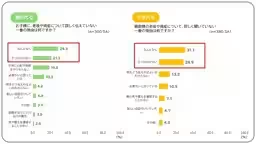
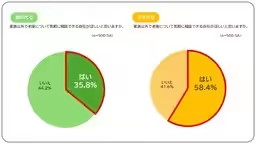
When asked about why they avoid discussions about aging and financial matters, both generations commonly cited reasons like 'just never getting to it' or lacking the right moment. Notably, 35.8% of parents and a staggering 58.4% of children expressed a desire for external support, indicating a need for facilitation in these essential discussions. This highlights the importance of creating safe spaces for such conversations, possibly outside the family unit.
4. The Importance of Information Sharing
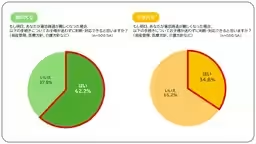
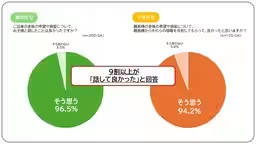
Among those who have engaged in discussions about care and assets, over 90% reported that they were glad they talked about it, primarily for the peace of mind it provided. Sharing information not only brings families closer but also offers a framework for navigating the complexities of aging, fostering a supportive environment for all.
Future Implications: The Role of SOMPO
In light of these findings, SOMPO Himawari and SOMPO Care are committed to helping families facilitate these conversations. Their services aim to transform anxiety into assurance by promoting awareness and understanding of aging needs. The survey results serve as a critical reminder of the importance of communication and preparation in ensuring families can navigate the complexities of aging together.
The SOMPO Group advocates for well-being in the face of the challenges posed by an aging population. By providing various insurance products and care services, they seek to empower families to embrace the future positively.
Conclusion: Building a Foundation for Family Well-Being
Ultimately, these conversations are vital for ensuring the well-being of families, enhancing relationships, and preparing for the inevitable changes that aging brings. By fostering open dialogue, families can build a stronger foundation for future encounters, ensuring all members can live fulfilling lives, even in the face of uncertainty. As we approach the reality of longer life expectancies, the need for these conversations becomes more pressing than ever.


Topics People & Culture)



【About Using Articles】
You can freely use the title and article content by linking to the page where the article is posted.
※ Images cannot be used.
【About Links】
Links are free to use.