




SkyDrive Partners with 7A Drones for Flying Car Development in Taiwan
SkyDrive and 7A Drones: A New Era of Emergency Transport in Taiwan
SkyDrive, a pioneering company in the development and manufacturing of flying cars, has recently made significant strides by signing a Letter of Intent (LOI) with 7A Drones, a major player in Taiwan's drone industry. This partnership aims to enhance emergency medical transport capabilities between the main island of Penghu and the surrounding islets using the SkyDrive SD-05 model.
The Partnership
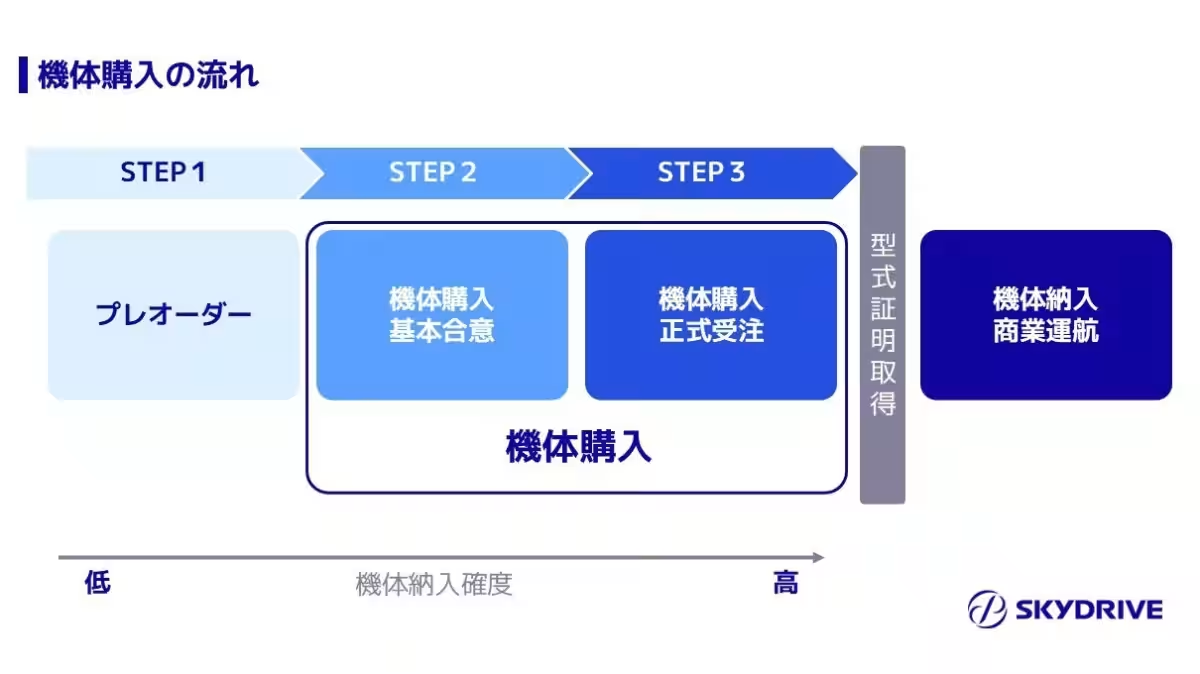
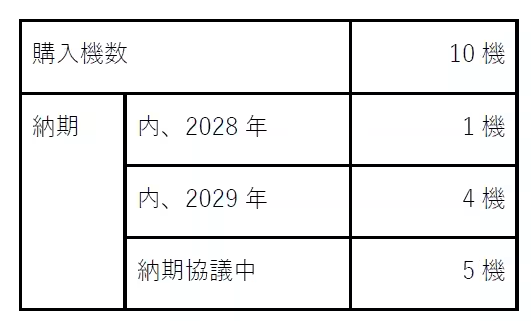
The agreement marks an important milestone for SkyDrive as it represents the company's first LOI in the Asian market. This collaboration is aimed at facilitating the purchase of up to ten flying cars, with initial deliveries set for 2028. The two companies share a common vision of transforming urban mobility and enhancing emergency services, particularly on remote islands susceptible to severe weather, which often disrupt traditional transportation methods.
Takahiro Fukuzawa, CEO of SkyDrive, expressed his enthusiasm about this partnership, emphasizing that this project not only pushes the boundaries of what flying cars can achieve but also has profound social implications. By transforming emergency medical transport, they aim to provide timely and reliable access to healthcare for populations in need.
The Need for Improved Transport in Penghu
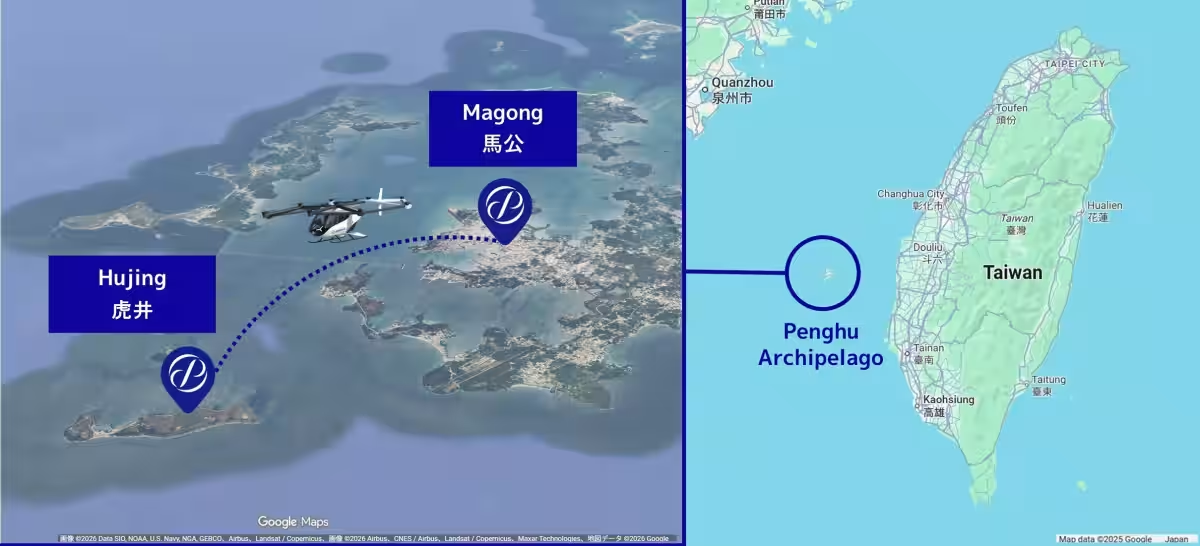
The Penghu Islands, consisting of over 90 islands, face unique challenges when it comes to transportation, especially during harsh winter conditions when ferries are often unable to operate. For residents of the lesser-populated islet of Hoi, who rely exclusively on a basic clinic, rapid transport to advanced medical facilities can be a matter of life and death. The innovative flying car system has the potential to bridge this dangerous gap by offering a reliable alternative transport method, ensuring that patients can receive the medical attention they need without unnecessary delays.
Strategic Development Plan
As part of the LOI, both companies have committed to a strategic development plan that includes an analysis of specific routes for emergency medical transport. These discussions have led to proposals for creating critical air corridors that would facilitate quick access between health facilities on the main island of Magong and Hoi, improving the overall healthcare response for those living in remote areas.
SkyDrive's mission aligns with addressing the mobility revolution needed to create an elevated standard of living and health services for island communities. The adaptability and responsiveness of their flying car model are seen as key factors in achieving this goal.
Insights from 7A Drones CEO
Hsin-Sheng Hsu, CEO of 7A Drones, highlighted the importance of this partnership, stating that it opens up collaboration possibilities for advanced air mobility in the region. Hsu praised the potential of using flying cars for emergency medical services in the Penghu Islands, noting that it could significantly improve access to healthcare in areas facing logistical challenges. He also stressed the importance of sustained constructive dialogue among stakeholders to ensure practical and effective implementation of this innovative technology.
The Future of Air Mobility
This collaboration points towards a progressive future for air mobility in Asia as both companies continue to innovate and drive the development of aerial transport solutions. Their combined efforts aim not only to enhance transportation within Taiwan but also to establish frameworks that could be replicated in other regions facing similar challenges.
As SkyDrive sets its sights on achieving commercial operational status by 2028, they remain dedicated to advancing the technology behind their flying cars while fostering partnerships that contribute to the well-being of communities. The aim is to provide safer, more efficient avenues for air mobility as a practical solution to everyday transport dilemmas.
In summary, the partnership between SkyDrive and 7A Drones marks a pivotal moment in air mobility, demonstrating the transformative potential of flying cars in real-world applications such as emergency medical transport—making a significant difference for residents in remote areas.

Topics Other)
【About Using Articles】
You can freely use the title and article content by linking to the page where the article is posted.
※ Images cannot be used.
【About Links】
Links are free to use.