



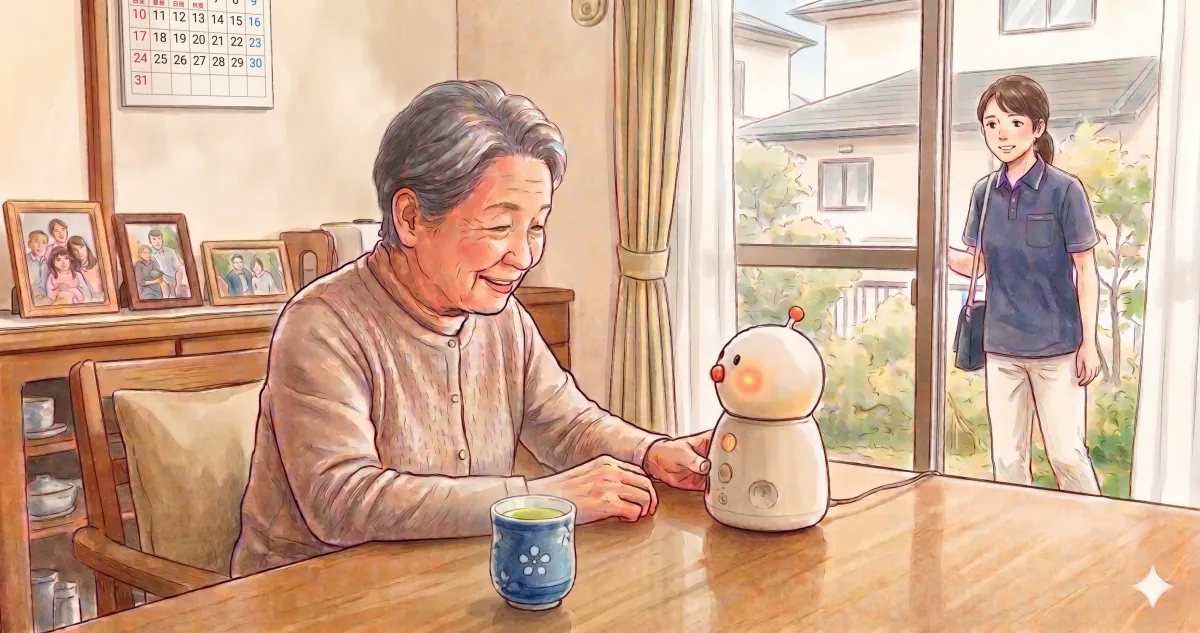
BOCCO emo LTE Model Chosen for Japanese Elderly Care Research
Introduction to the BOCCO emo LTE Model
In the ever-evolving landscape of elderly care, technology plays a pivotal role in bridging gaps and enhancing the quality of life for senior citizens. Japan's Ministry of Health, Labour and Welfare has made a significant move by integrating BOCCO emo LTE model Powered by Nekoriko into a research initiative aimed at exploring the potential of conversational robots in caregiving.
The Research Initiative
Executed by NTT Data's Management Research Institute, the study, part of the Ministry's 2027 Elderly Health Promotion and Disease Prevention Program, focuses on reducing the workload of caregivers in rural areas through the use of conversational robots. The initiative specifically aims to implement the BOCCO emo in the homes of elderly individuals to monitor and assist with caregiving tasks, thereby enhancing the overall efficiency of caregiving services.
Objectives of the Study
The core objectives of this study include:
1. Reducing Caregiver Workload: By utilizing the AI-powered conversational abilities of the BOCCO emo, caregivers can streamline their duties, making the visitation process more efficient.
2. Alleviating Social Isolation: The robot’s interactive features are designed to foster regular conversations, significantly contributing to reducing loneliness among the elderly.
3. Medication Reminders: With functionalities like scheduled reminders, the robot aids in preventing instances of missed medication, a common issue faced by elderly individuals.
These objectives align well with today's pressing societal needs, especially as the aging population in Japan continues to grow.
Expected Outcomes
Results from preliminary experiments have showcased promising outcomes:
- - Improved Efficiency: Caregivers reported enhanced operational efficiencies thanks to pre-visit interactions facilitated by the BOCCO emo.
- - Decreased Feelings of Loneliness: Regular dialogue with the robot contributed to a noticeable decrease in feelings of isolation among participants.
- - Prevention of Medication Misses: The reminder feature has proven effective in ensuring that seniors do not forget their medication schedules.
For a more detailed examination of the findings, interested parties can refer to the comprehensive report published by NTT Data Management Research Institute.
Participant Feedback
The initiative also welcomed valuable feedback from participants regarding the usability of the BOCCO emo, particularly in the context of its application and notification features. This feedback is crucial, as it will guide future enhancements of the product to better serve the community's needs.
Commitment to Continuous Improvement
Nekoriko remains dedicated to contributing to research and development initiatives that enhance the quality of life for all. The insights gained from this study will underpin future advancements in our products and services, ensuring they meet the evolving requirements of caregivers and the elderly alike.
To explore more about our services or get involved, please visit our official service page.
Conclusion
The integration of advanced technology like the BOCCO emo LTE model in elderly care represents a progressive step towards not only improving caregiving efficiencies but also enhancing the emotional and social well-being of the elderly. We are excited to continue our work in this essential area and look forward to the positive impact that these innovations will bring to the lives of many.
For further updates, check out our press release.
Topics Health)
【About Using Articles】
You can freely use the title and article content by linking to the page where the article is posted.
※ Images cannot be used.
【About Links】
Links are free to use.