



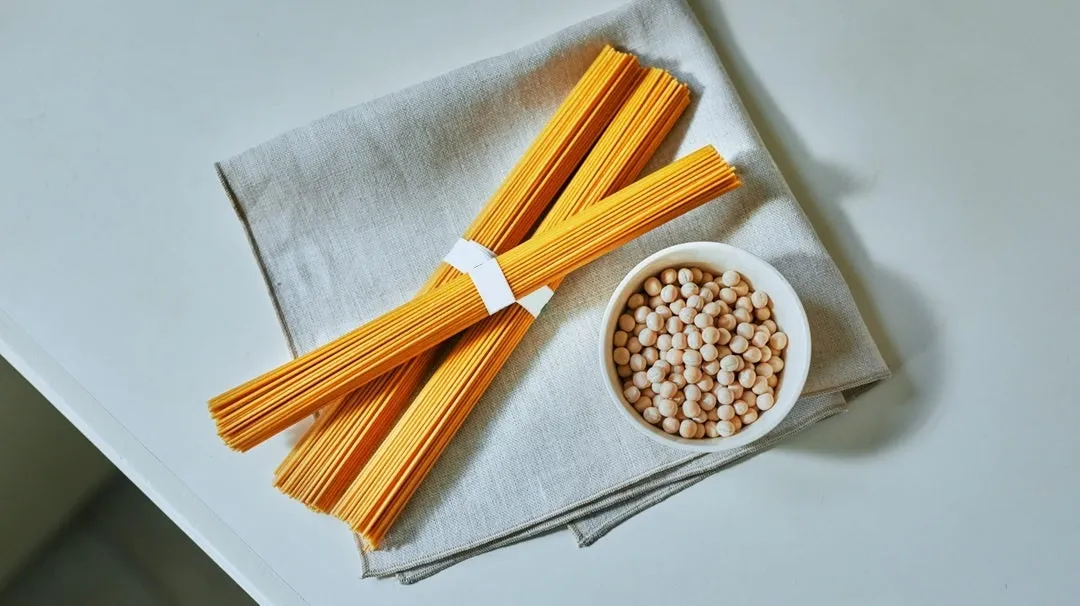
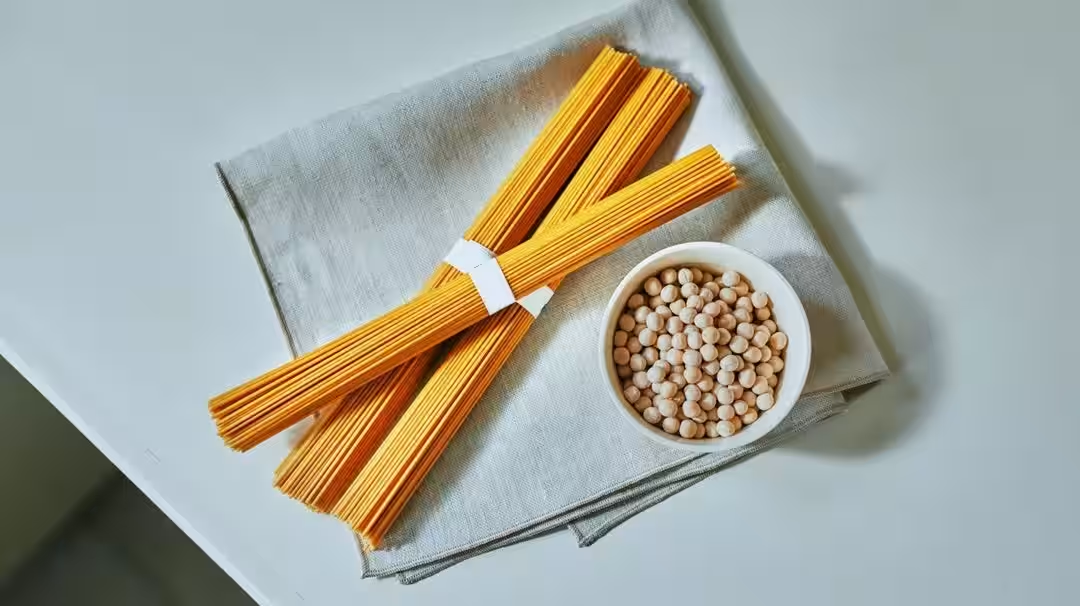
Exploring the Impact of Yellow Pea Pasta on Sleep Quality and Fatigue in Healthy Individuals
Introduction
In recent years, the focus on healthy eating and physiological well-being has gained significant traction. A joint study conducted by ZENB JAPAN and Mizkan Holdings Central Research Institute aimed to investigate the potential benefits of yellow pea pasta on sleep quality and fatigue levels in healthy adults. This superfood, made from whole yellow peas, has emerged as a food solution to combat modern fatigue issues. This article delves into the details of the clinical study and its findings, which were presented at the 79th Japanese Society of Nutrition and Food Science Conference.
Background of the Research
Fatigue is a prevalent problem affecting approximately 80% of modern individuals, according to the Japanese Recovery Association's 2025 fatigue report. The leading cause of this fatigue has been attributed to oxidative stress generated by reactive oxygen species in the body. Previous research highlighted how yellow pea pasta can mitigate oxidative stress, prompting this new study to explore its effects on fatigue and sleep quality.
About the Study
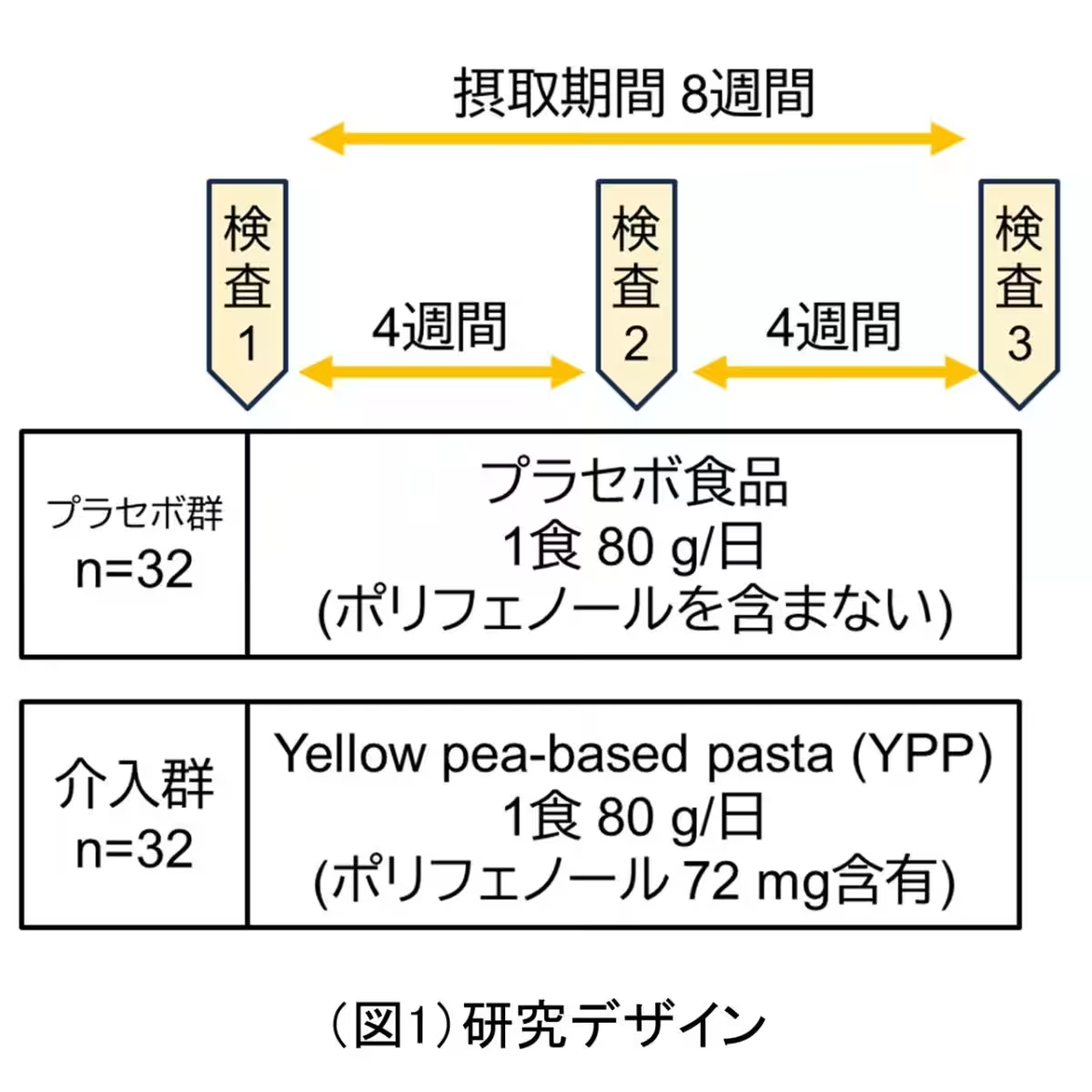
The researchers selected 64 healthy adults aged between 20 to 50 years who experienced feelings of fatigue. The study followed a randomized, placebo-controlled, double-blind parallel-group design. Participants in the intervention group consumed 80 grams of yellow pea pasta daily, containing 72 mg of yellow pea polyphenols, while the control group consumed a placebo food devoid of polyphenols for eight weeks. Data was collected, analyzed, and presented, with 59 participants completing the trial.
Evaluation Metrics
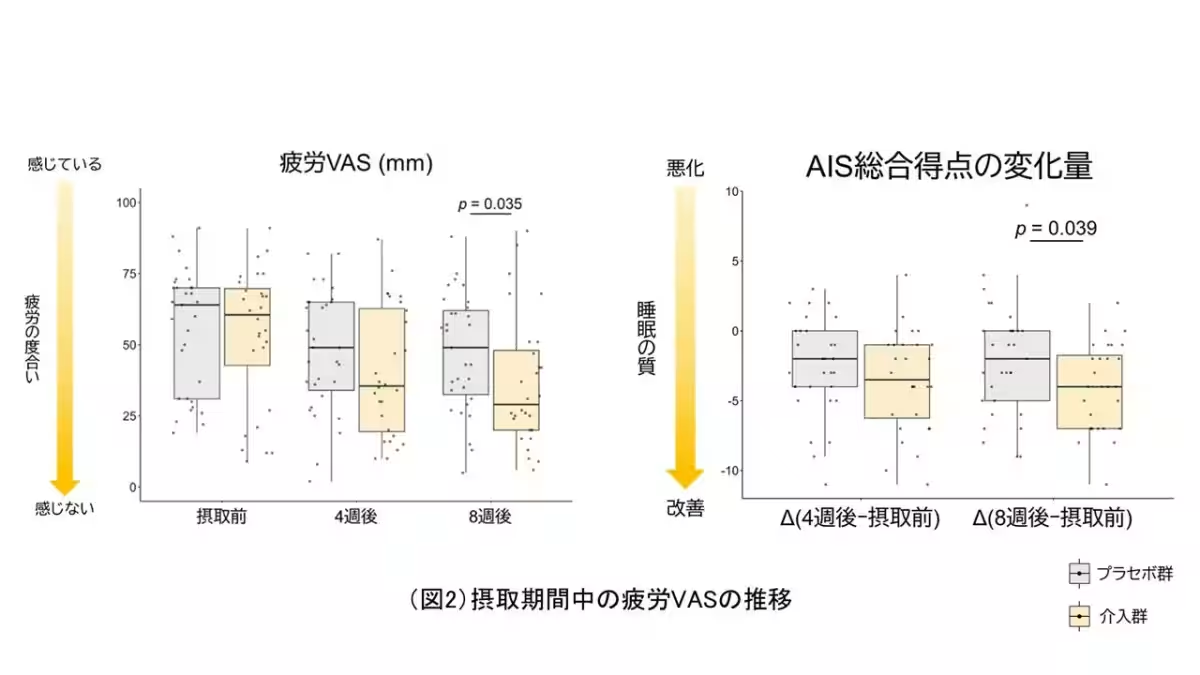
Multiple subjective measures were utilized to assess fatigue and sleep quality, including the Visual Analog Scale for fatigue (VAS) and the Athens Insomnia Scale (AIS). These metrics were evaluated at baseline, and again after four and eight weeks of intake. Objective evaluations with blood markers were conducted at baseline and after eight weeks to corroborate the subjective findings.
Key Findings
1. Fatigue Assessment (VAS):
After the eight-week study period, the intervention group reported significantly lower fatigue levels compared to the placebo group.
2. Sleep Quality (AIS Total Score):
Additionally, the AIS total score, which reflects sleep quality, showed significant improvements in the intervention group post eight weeks compared to baseline.
The study results suggest that incorporating yellow pea pasta into the diet can lead to a reduction in feelings of fatigue and an enhancement in sleep quality, offering a valuable dietary remedy to modern fatigue challenges.
Future Directions
These findings open up numerous pathways for additional research. The study underscores the potential of substituting yellow pea pasta for staple foods, helping to reformulate dietary habits in a society overwhelmed by fatigue and sleep disturbances. Moreover, researchers aim to explore the intersection between oxidative stress reduction and the enhancement of fatigue and sleep quality in greater detail.
Furthermore, the scope of clinical trials is projected to expand, enhancing quality of life through implementing and testing innovative applications of yellow pea pasta. Ultimately, the research lays the groundwork for developing a new category of functional foods that incorporate yellow peas and their respective health benefits.
About ZENB
ZENB is dedicated to promoting a well-balanced lifestyle through plant-based foods made from whole vegetables and legumes. By minimizing the use of animal-derived ingredients and additives, ZENB aims to showcase the flavor and nutritional value of ingredients in their natural form. This healthier alternative emphasizes yellow peas in products such as Zenb Noodles, Zenb Bread, and Zenb Chips, contributing to a more sustainable food system.
For more information about ZENB, please visit their official website or follow them on Instagram and X.
For inquiries regarding this study, please refer to the contact form.

Topics Health)
【About Using Articles】
You can freely use the title and article content by linking to the page where the article is posted.
※ Images cannot be used.
【About Links】
Links are free to use.