



Surge in Phishing Scams Targeting TEPCO Users and Monex Securities
August Online Fraud Report: TEPCO Phishing Scams on the Rise
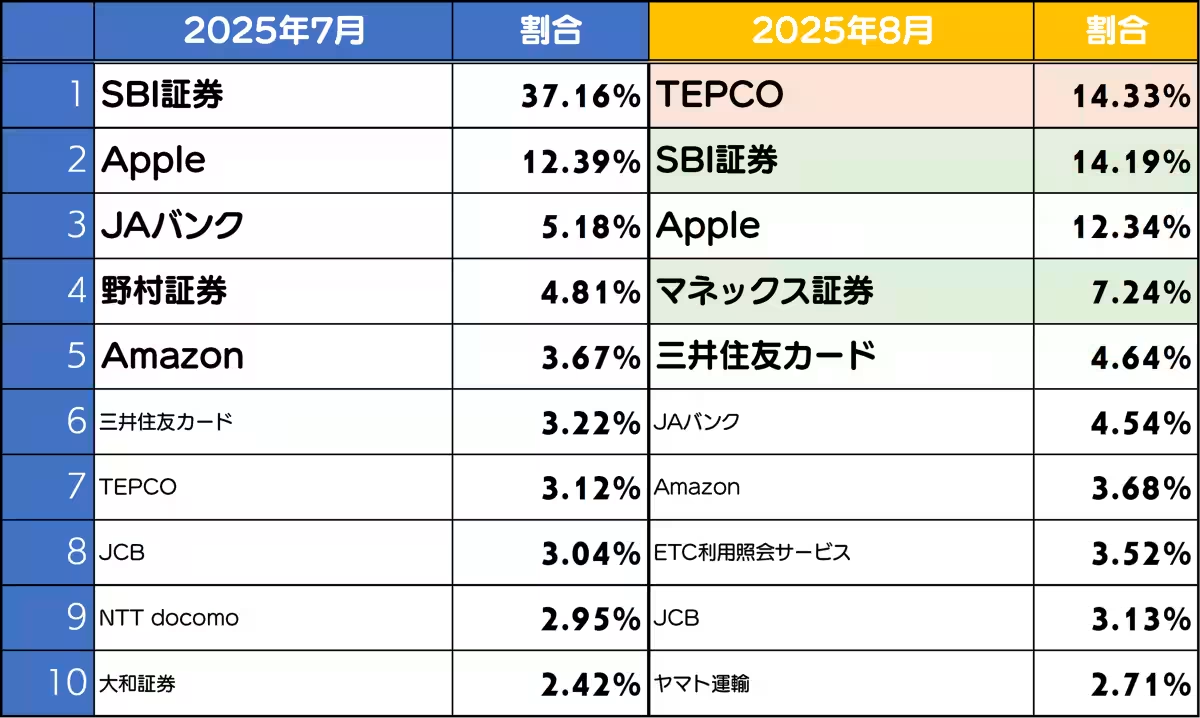
The latest report on online fraud reveals a startling increase in phishing sites impersonating Tokyo Electric Power Company (TEPCO), spiking to 4.7 times compared to the previous month. These phishing attempts often disguise themselves as payment confirmations or overdue reminders, luring unsuspecting users to malicious websites. Notably, this surge coincides with a record heatwave in August, which has increased reliance on air conditioning, thus preying on users' anxiety during this critical period.
While other power companies have not been reported as targets for such phishing schemes, the widespread utilization of TEPCO’s services necessitates continued vigilance from consumers.
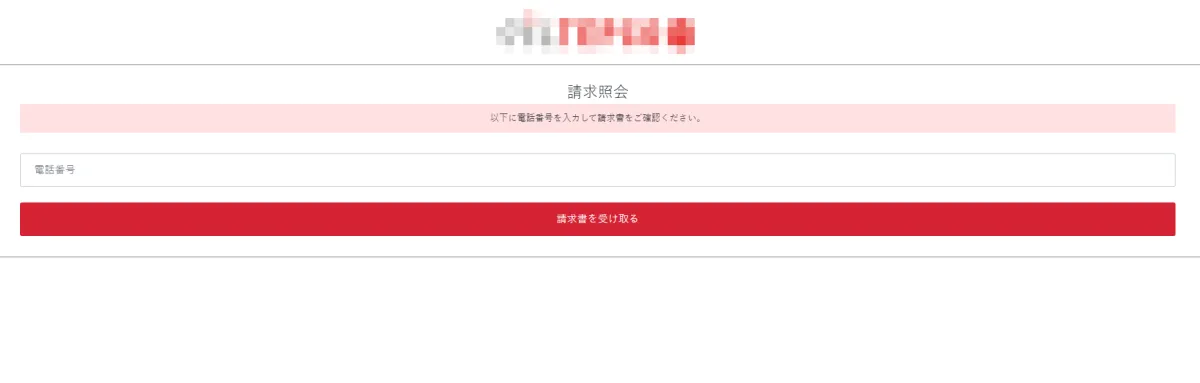
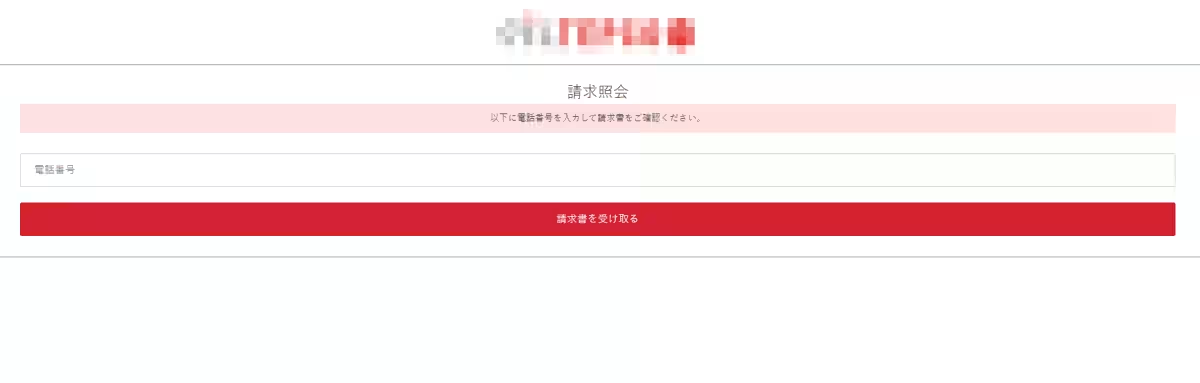
Image is a representative example of phishing fraud and is unrelated to the content.
Monex Securities Phishing Concerns
Phishing sites masquerading as securities companies remain prevalent, with Monex Securities seeing a rise in reported scams during August. In contrast, reports involving SBI Securities decreased significantly, dropping to about half of previous figures for August. Meanwhile, Mitsubishi UFJ Morgan Stanley Securities experienced a surge in phishing attempts in September.
This shifting focus among brands illustrates the need for heightened awareness among users of financial services, as the landscape for phishing attacks remains unpredictable.
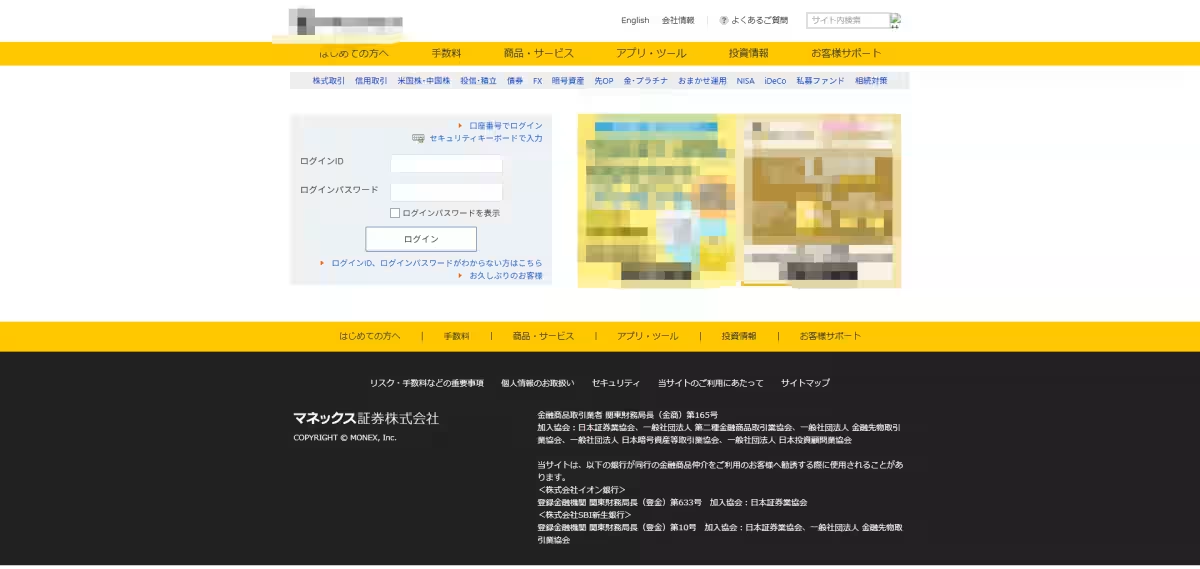
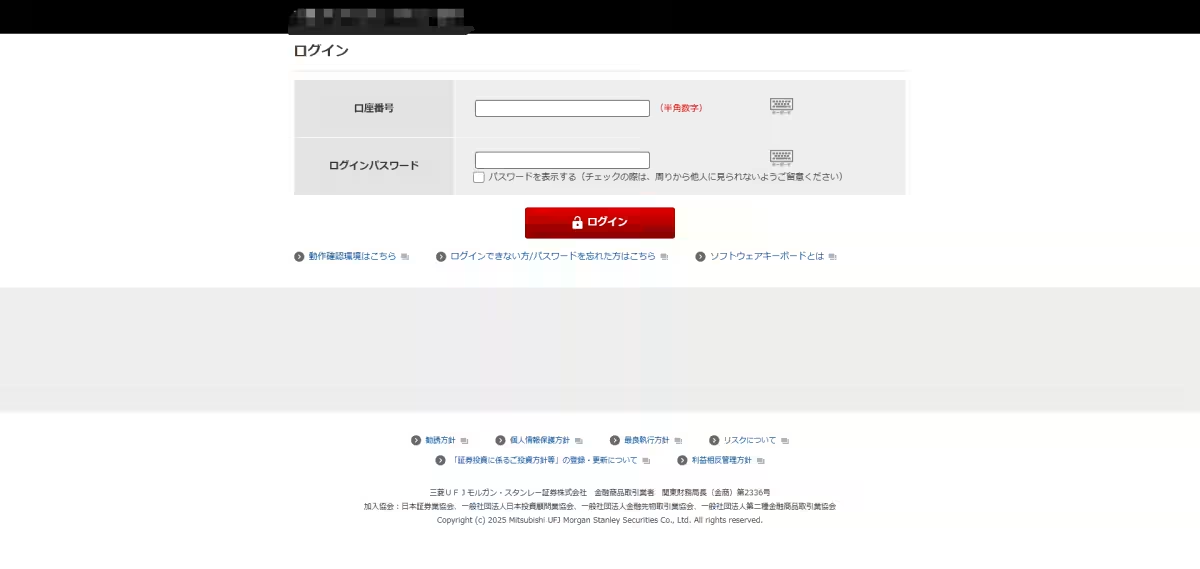
Image is a representative example of phishing fraud and is unrelated to the content.
Phishing Site Brand Rankings and Category Composition
In August, TEPCO phishing sites ranked as the top threat, with ETC utilization inquiry services also experiencing a dramatic increase of nearly seven times compared to the previous month, likely capitalizing on summer vacation traffic. Notably, there's also been a rise in phishing attempts impersonating the National Tax Agency, signaling potential future threats ahead of the tax filing season.
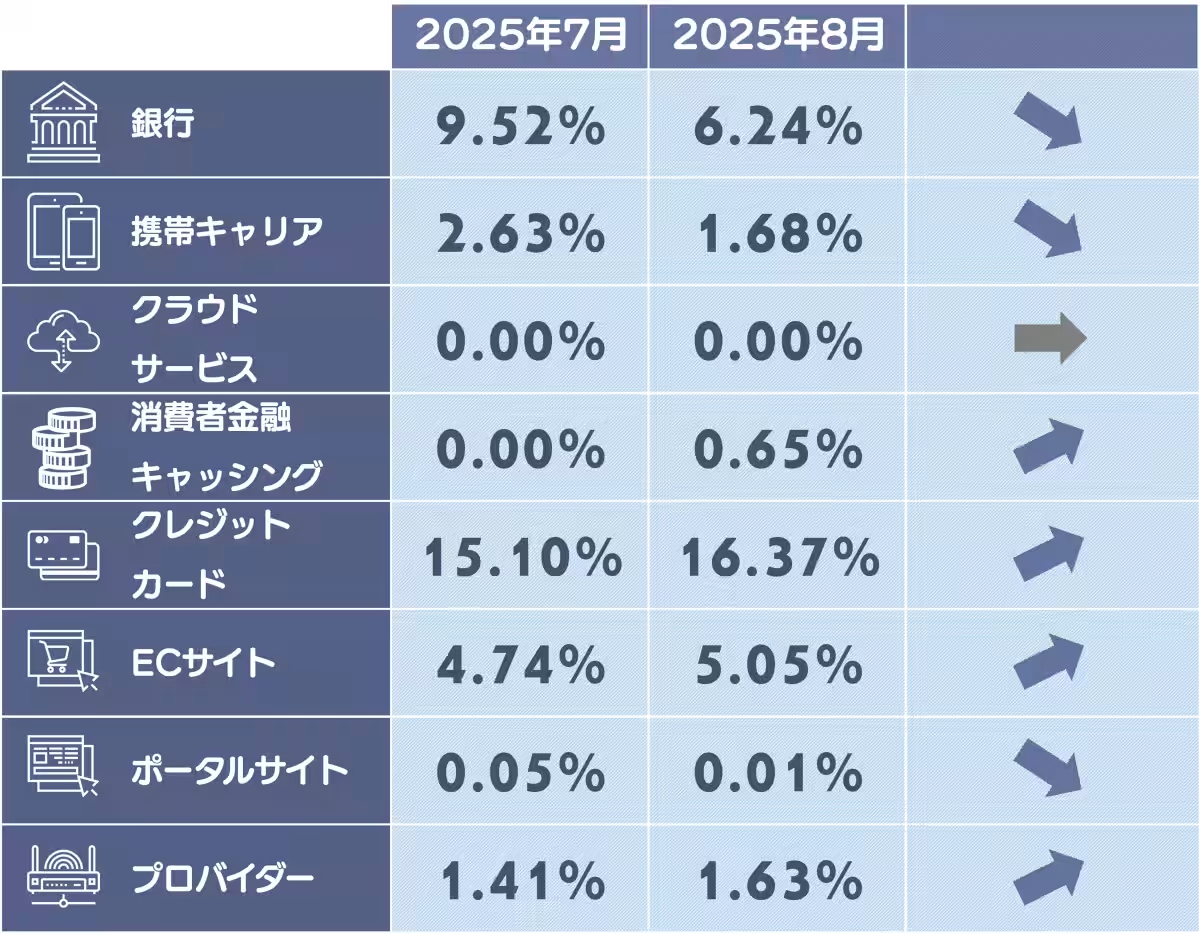
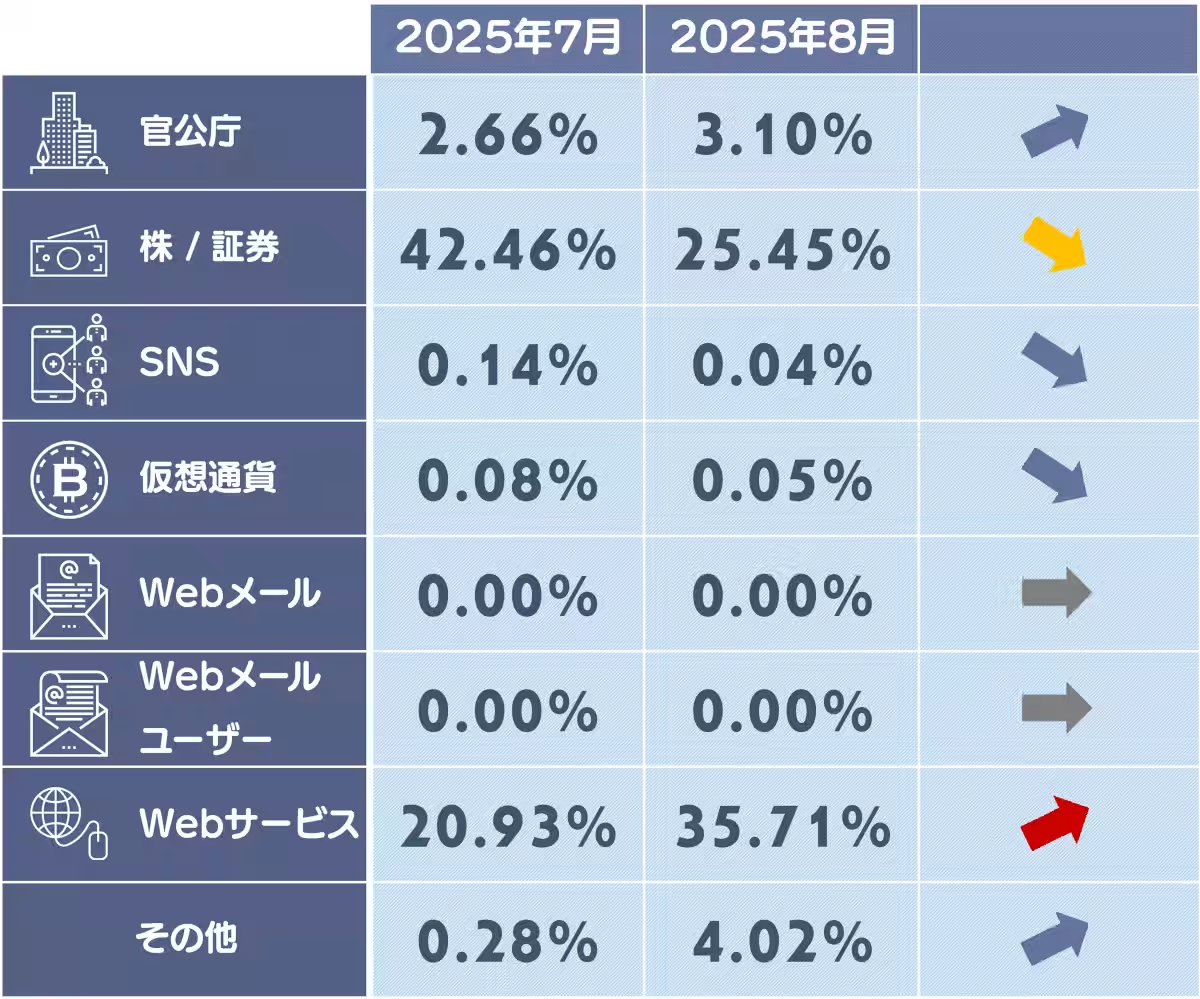
Category Distribution
The drop in reports linking to SBI Securities led to a decrease in the “Stocks/Securities” category, while the increase in TEPCO and ETC sectors has pushed the “Web Services” phishing sites up the ranks.
Categories rising by more than five points are marked in red, while those falling by over five points are shaded in yellow.
Tips to Prevent Phishing Attacks
Verify URLs
Always confirm whether URLs mentioned in emails or SMS are legitimate before clicking any links. Opt for bookmarks or search engines to access official sites, and consider utilizing free services to test suspicious URLs.
Be Wary of Personal Info Requests
Legitimate companies, such as credit card firms, will never ask for sensitive information via email or SMS. It’s crucial to be cautious of any messages prompting you to input personal details.
Avoid Reusing Login Credentials
Using the same login ID and password across multiple platforms increases risk. Protect yourself by having unique credentials for each service, which minimizes exposure to potential phishing threats.
Use Security Software
As phishing tactics grow increasingly sophisticated, employing robust security software can provide an additional layer of defense against these evolving threats. It can alert you to hazardous sites before you access them.
Expert Commentary
Professor Tatsuya Mori believes the significant rise in phishing sites impersonating TEPCO reflects a calculated tactic designed to exploit the high demand for electricity during extreme temperatures. The shift in attacks from traditional financial targets to essential services such as utilities demonstrates a broader risk perspective regarding phishing schemes. This year's observations highlight public infrastructure and services, indicating that the potential damage from successful attacks may be considerable.
The pattern of rotating targets among securities firms, such as the recent surge in phishing related to Monex and Mitsubishi UFJ, underscores the unpredictable nature of these scams. Furthermore, the rise in phishing sites imitating tax authorities signifies the early initiation of scams as the tax season approaches. This adaptive strategy illustrates how scammers are leveraging seasonal and lifestyle factors in their campaigns.
Staying educated about phishing risks and sharing this knowledge with friends and family could serve as an effective preventive measure.
Topics Consumer Technology)
【About Using Articles】
You can freely use the title and article content by linking to the page where the article is posted.
※ Images cannot be used.
【About Links】
Links are free to use.