



Japan Airlines Applies for New International Cargo Fuel Surcharge Regulations
Japan Airlines Seeks Approval for Fuel Surcharge Adjustment
As the aviation industry continues to navigate fluctuating fuel costs, Japan Airlines (JAL) has taken a significant step by submitting a request to the Ministry of Land, Infrastructure, Transport and Tourism for a new international cargo fuel surcharge. This adjustment is set to take effect on January 1, 2026, with rates based on the average price of jet fuel from November 2025.
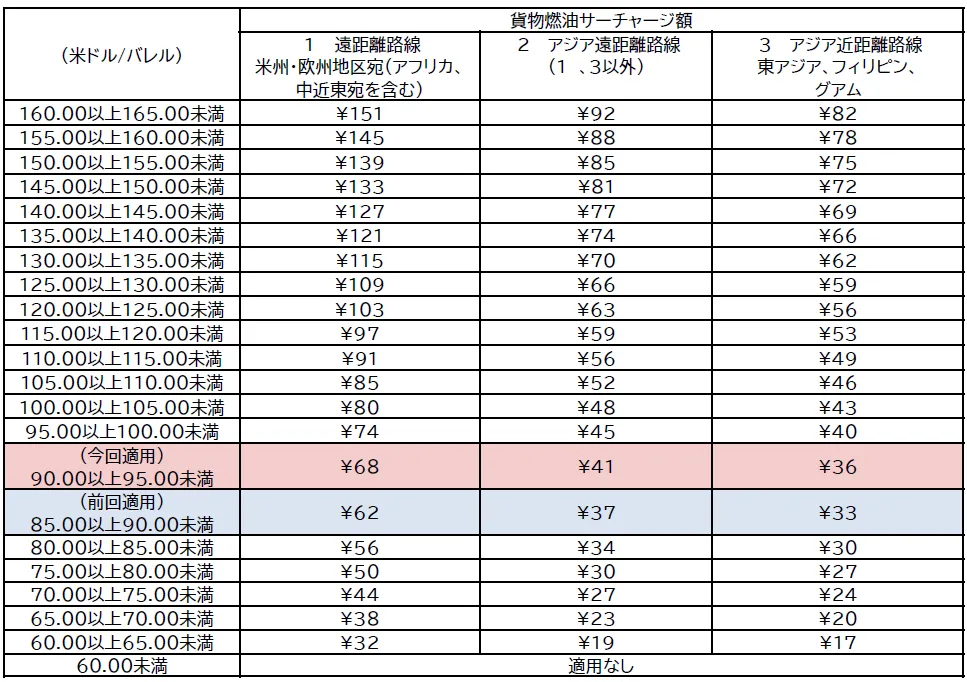
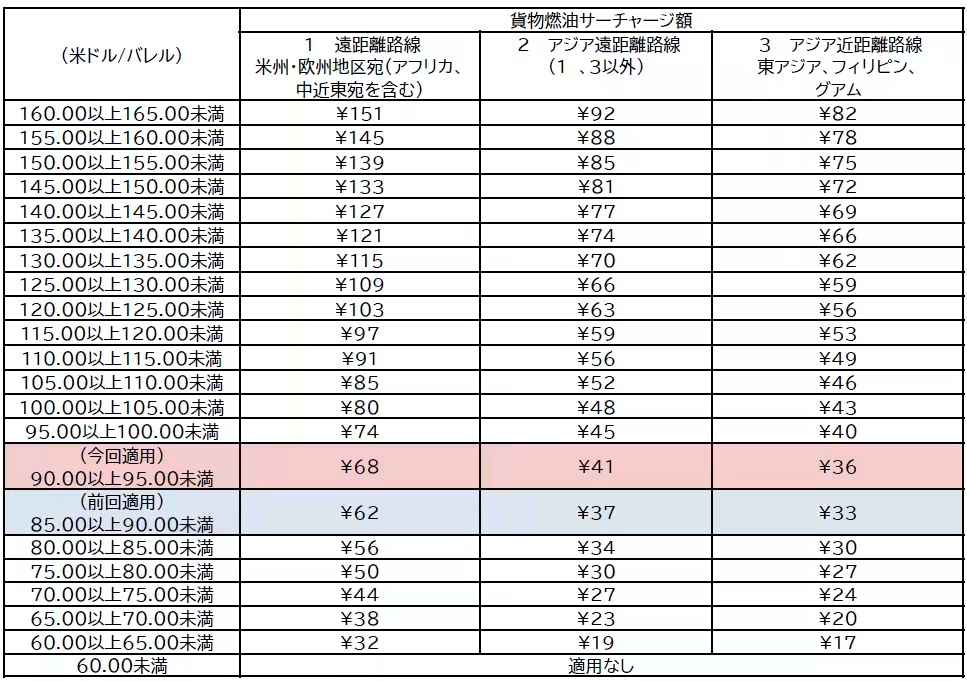
According to the recent data submitted, the average price of jet fuel was reported to be $93.11 per barrel. Based on this figure, JAL has established a fuel index price bracket of "between 90.00 and 95.00," which will directly affect the surcharge rates imposed on cargo shipments from Japan. The proposed surcharges will be as follows:
- - 68 yen per kg for long-distance routes to regions such as North America and Europe.
- - 41 yen per kg for long-distance routes to Asia.
- - 36 yen per kg for short-distance routes within Asia.
The airline emphasizes that these surcharges will be reviewed and adjusted monthly, allowing for more responsive pricing in relation to the international fuel market.
Monthly Review and Future Adjustments
In an effort to maintain transparency and adapt to market conditions, JAL will revise these surcharges yearly, occurring twelve times a year. Each month, the fuel surcharge will be based on the average price of jet fuel traded in Singapore from two months prior. This systematic approach ensures that customers are charged fairly according to the prevailing market trends.
In addition, JAL's introduction of this method from April 2024 aims to provide more predictable billing for their freight customers while reacting promptly to the global shifts in fuel prices.
By taking these proactive steps, JAL seeks to manage its operational costs effectively while continuing to offer reliable and competitive services in the international freight market. As the airline gears up for the implementation of these changes, customers and industry stakeholders are advised to stay updated on the surcharge adjustments that will accompany the new fuel pricing structure.
Overall, this proposal reflects JAL’s commitment to aligning its pricing strategies with market realities and ensuring efficiency in its air cargo operations. As fuel prices remain a critical aspect of airline expenses, JAL's timely adjustments may serve as a guiding example for other airlines navigating similar challenges.
For further information and updates, stakeholders are encouraged to check JAL’s official communication channels, where the airline will provide further clarity on the upcoming changes and their implications for cargo operations.
Topics Business Technology)
【About Using Articles】
You can freely use the title and article content by linking to the page where the article is posted.
※ Images cannot be used.
【About Links】
Links are free to use.