



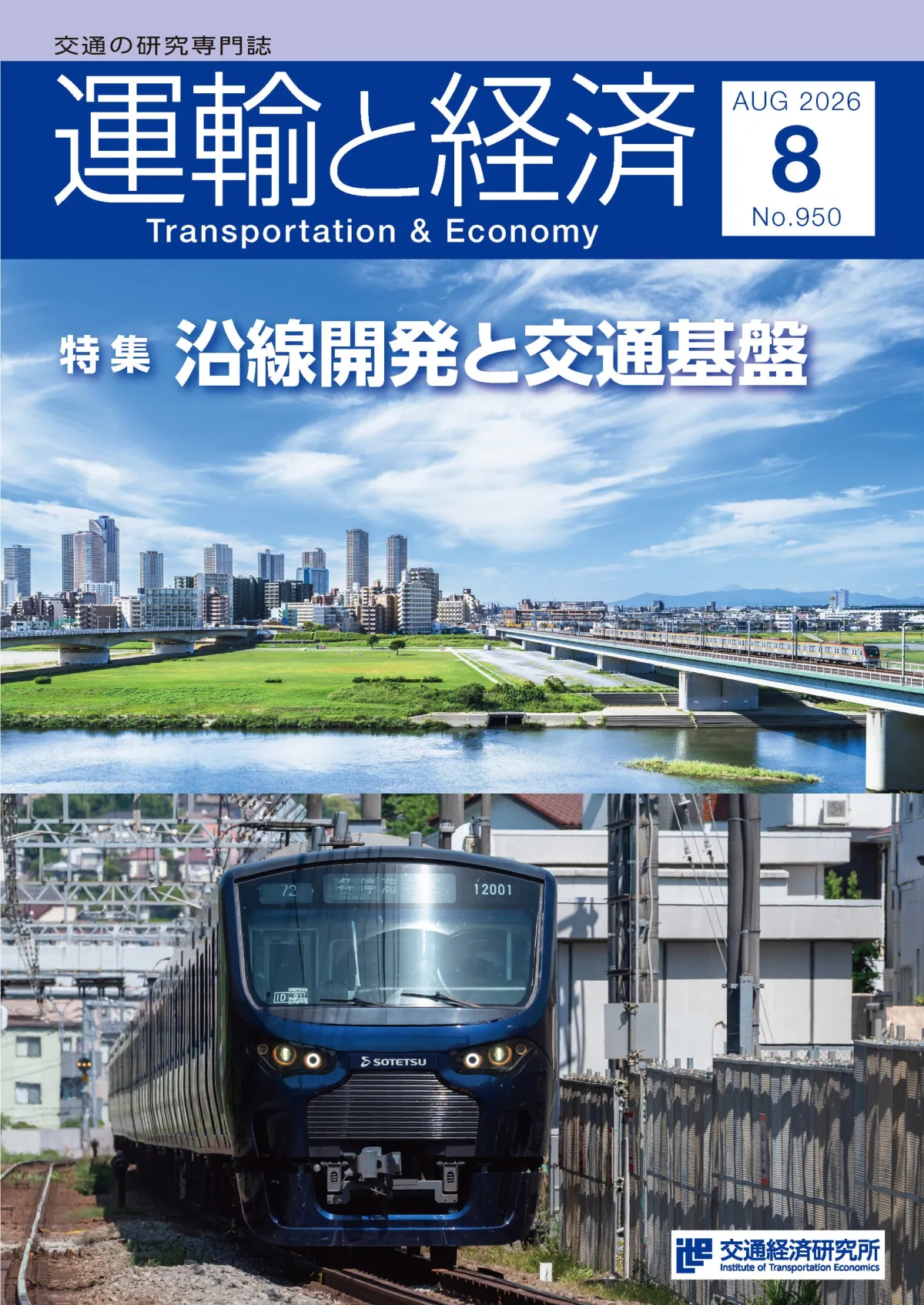
Exploring Urban Development and Transportation Infrastructure in Japan
Exploring Urban Development and Transportation Infrastructure in Japan
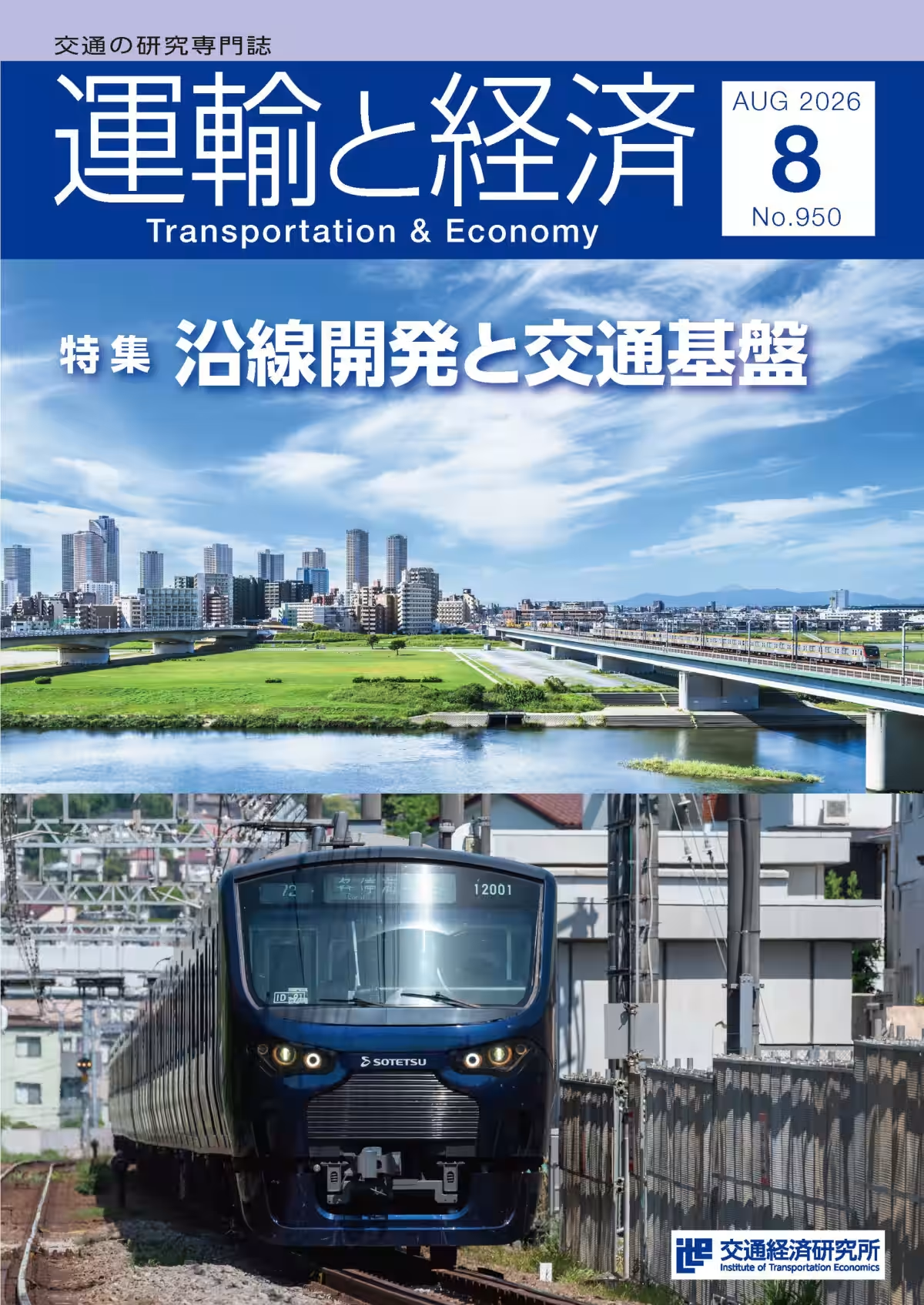
As Japan confronts challenges posed by a declining population and an aging society, the latest issue of the esteemed journal "Transportation and Economy" delves into the dynamics of urban development and transportation infrastructure. Set to be released on August 7, 2026, this issue is particularly focused on "Railway Development and Transportation Infrastructure," aiming to address critical questions surrounding the future of urban areas.
The issue highlights the essential role of railway operators in facilitating urban growth and housing supply. However, with societal changes exacerbated by the COVID-19 pandemic, the conversation shifts to how existing transportation infrastructure can be adjusted, and how to effectively manage urban retrogression amid an expanding cityscape. This provides a perfect opportunity to analyze the prospects and current frameworks of our communities, reminding us of the interplay between our daily lives and the evolving urban environment around us.
Features of the Journal
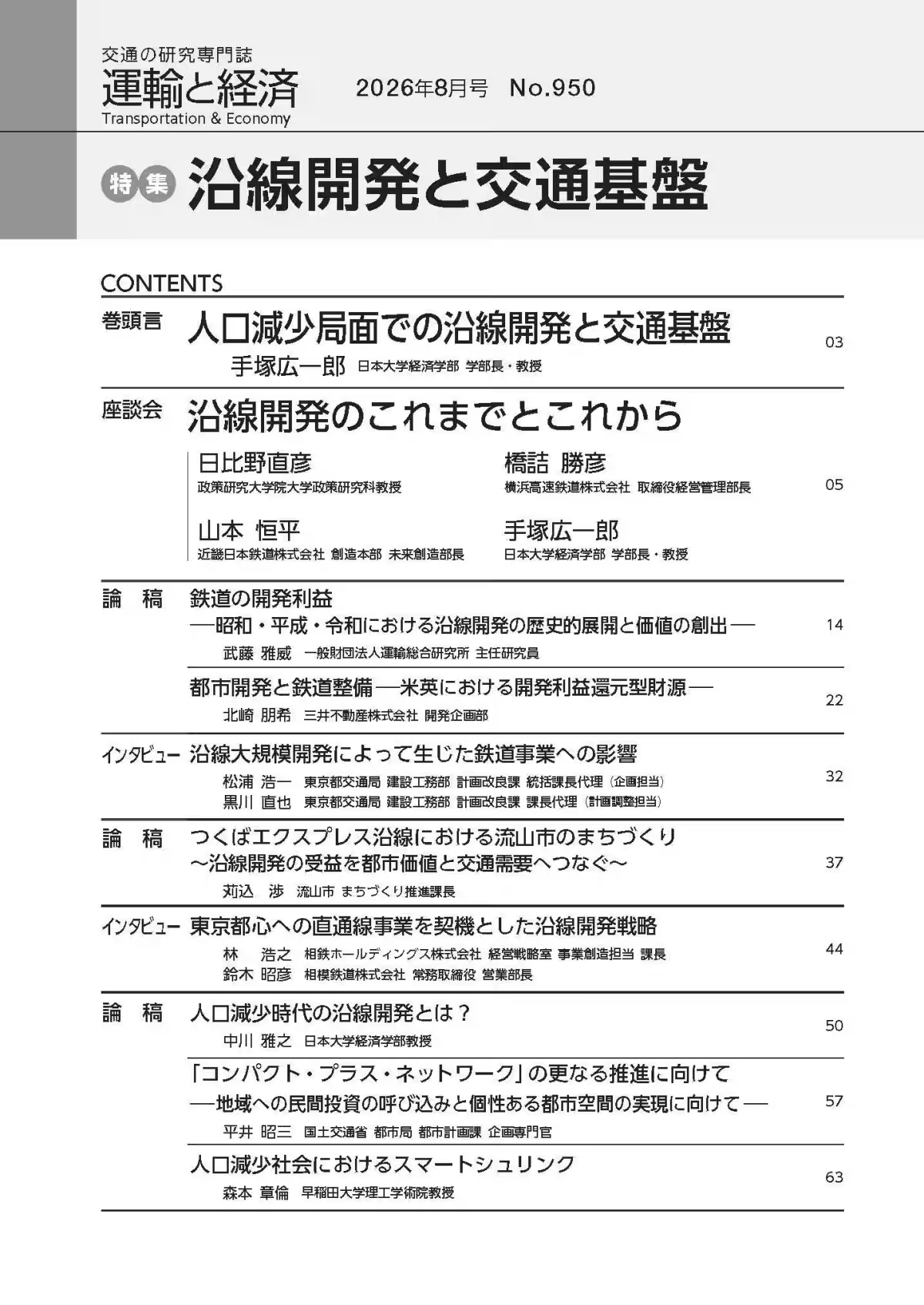
The August edition includes contributions from various experts through roundtable discussions, interviews, and articles, tackling both practical and theoretical aspects of urban development in the context of a decreasing population. Some key features include:
- - Roundtable Discussion: Experts from various fields, including Professor Naohiko Hibino and representatives from railway companies, engage in lively discussions regarding how cities developed during the Showa era can be effectively downsized or adapted in line with today's realities. Specific examples such as the Minato Mirai Line and the Kintetsu Nara Line illustrate successful branding and urban planning strategies, providing valuable lessons for future developments.
- - Contributions from Researchers: Notable scholars like Masashi Muto trace the historical evolution of railway development across different Japanese eras (Showa, Heisei, and Reiwa) and unpack the value created through infrastructure investment. The commentary not only translates statistics but also conveys a narrative through aerial photography, contextualizing current shifts in transportation demand since the pandemic.
- - In-depth Interviews: Insights from transportation authorities, including Koichi Matsuura and Naoya Kurokawa from the Tokyo Metropolitan Bureau of Transportation, shed light on how large-scale development around stations — like Kachidoki Station on the Oedo Line — has translated into significant passenger growth and congestion challenges. Their experiences illustrate the strategic response to heightened demand and the infrastructural enhancements that followed.
Additional Content
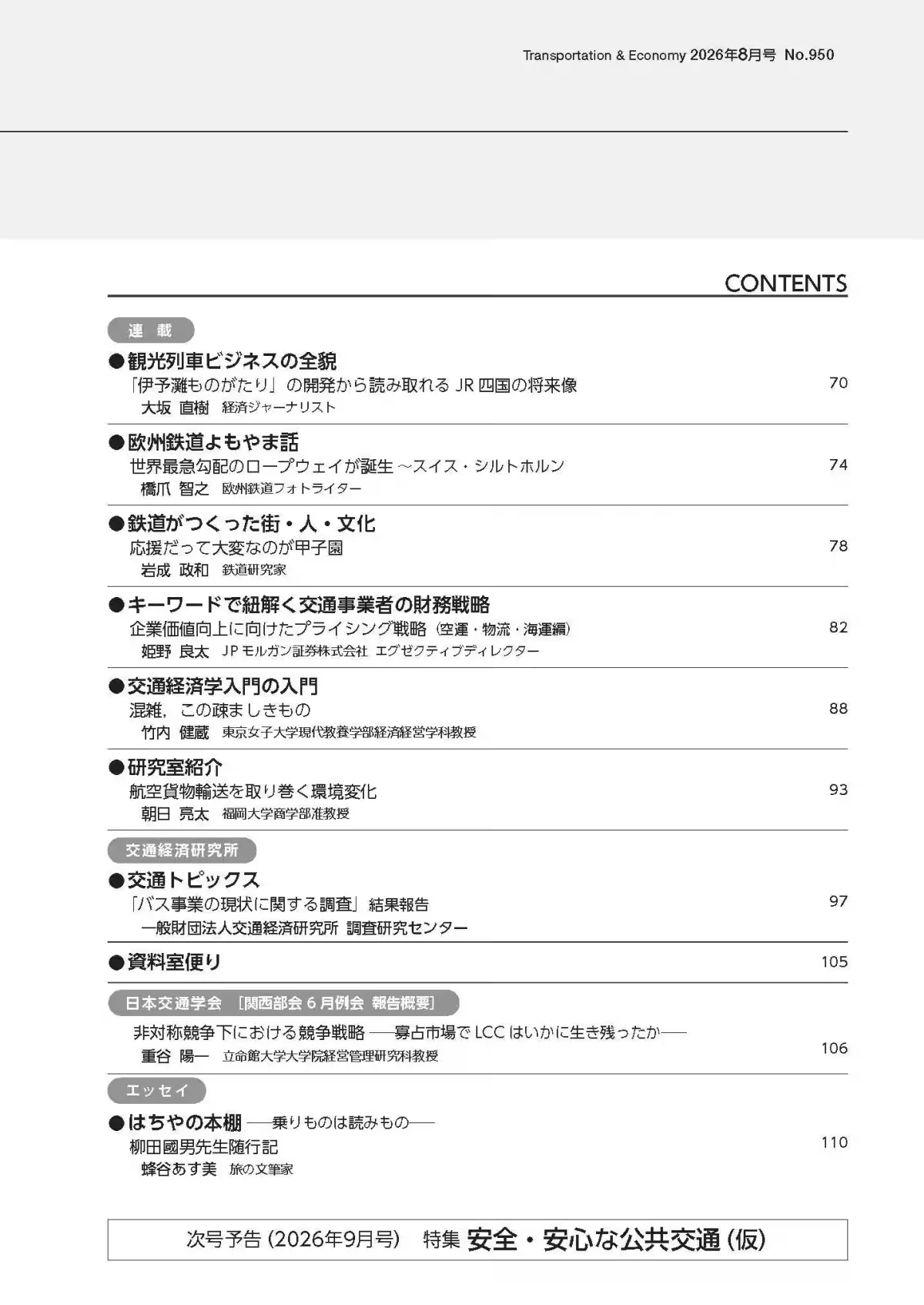
The latter part of the journal features ongoing series highlighting relevant themes in the transportation sector, including a comprehensive report from the Institute's Research Center on the current state of bus services amid severe economic constraints. The report outlines trends regarding personnel shortages and financial support mechanisms.
Also featured is a special insight into the significance of public transportation management in today’s urban fabric, emphasizing how appropriate infrastructural management can transition from expansive development to maximizing existing resources in a sustainable manner.
Closing Thoughts: As articulated by the editorial team, the shift from expansive development in prosperous times to careful management of existing infrastructures resonates throughout the issue. The journal seeks to provide a platform for discussion, engaging readers and stakeholders alike in exploring avenues for future urban and transportation innovations.
For readers interested in urban planning and transportation economics, this issue serves as both a reflective tool and a forward-thinking guide to navigating Japan's evolving landscapes, challenging conventional thinking, and encouraging engagement with local communities.
You can purchase this edition through our official website or on Amazon. Don't miss the opportunity to enrich your understanding of urban development strategies in Japan today!
Learn more about the journal and its future releases at ITEJ Official or follow our updates on X.
Topics Other)
【About Using Articles】
You can freely use the title and article content by linking to the page where the article is posted.
※ Images cannot be used.
【About Links】
Links are free to use.