



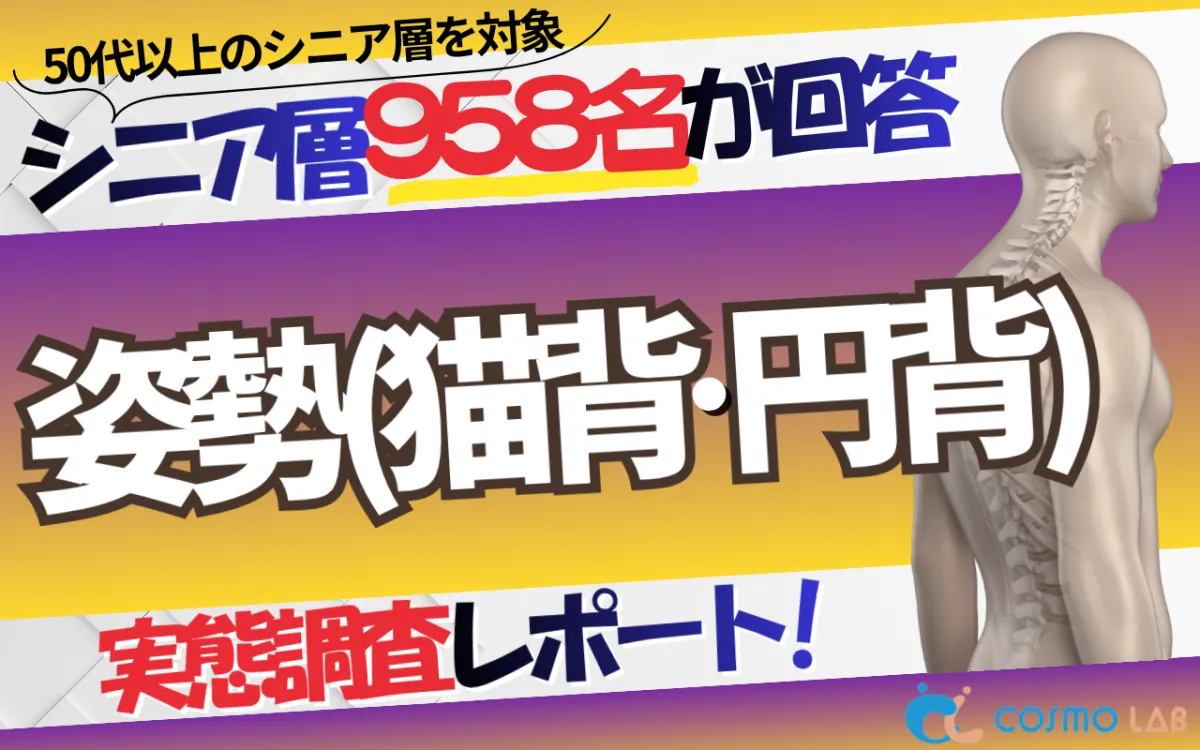
Research Reveals Seniors' Awareness and Concerns About Posture Among Aging Population
Senior Posture Awareness: Insights from a Comprehensive Survey
Cosmo Lab, a specialist marketing platform for seniors under Cosmo Health Corporation based in Tokyo, has released a thorough study on the awareness and concerns surrounding posture among the senior population. This survey focused on individuals aged 50 and older, aiming to understand their familiarity with the term 'Kyōhai' (curvature of the back), personal posture evaluations, causes of posture deterioration, its impacts on their bodies and feelings, daily inconveniences, and the desire to improve their posture.
With responses collected from 958 individuals, the survey unveiled significant links between age-related changes in posture and broader implications for physical functionality and anxiety about the future.
Key Findings from the Survey
1. Low Recognition of 'Kyōhai'
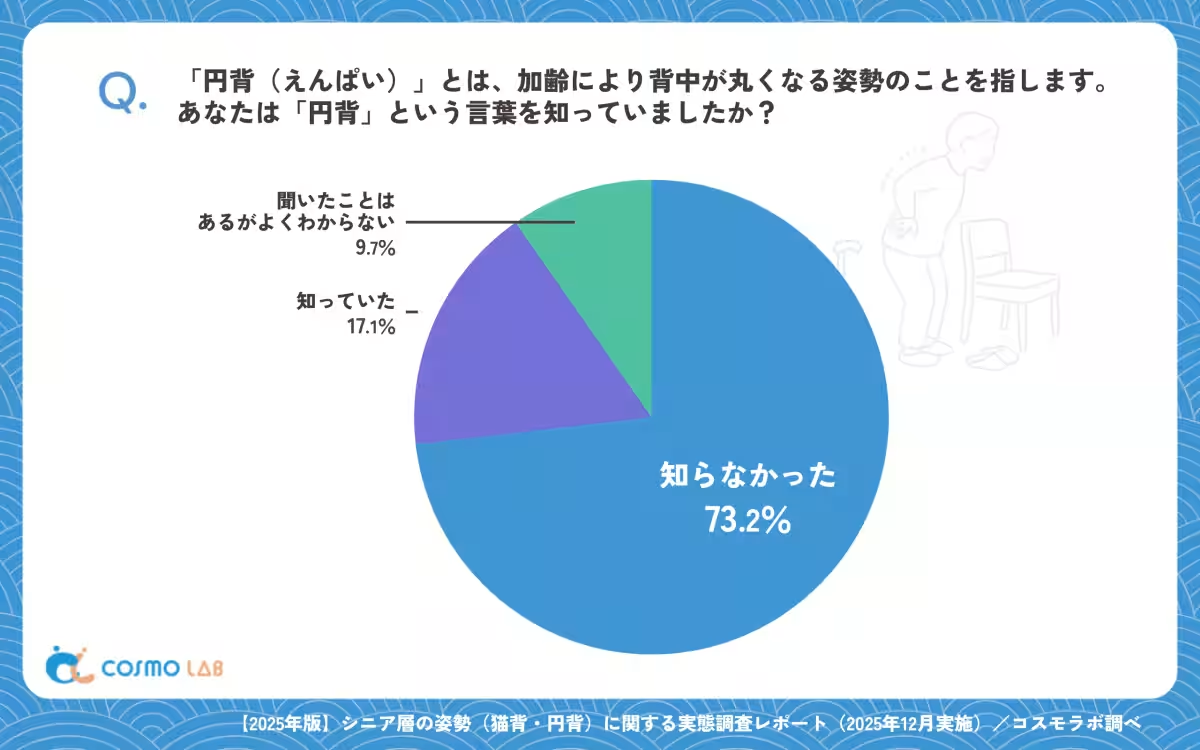
A staggering 73.2% of participants reported that they were unfamiliar with the term 'Kyōhai,' which denotes a stooped posture often observed in older adults. Only 17.1% claimed they knew what it meant, highlighting a substantial gap in awareness regarding this condition among the general public.
2. Perceptions of Posture Deterioration
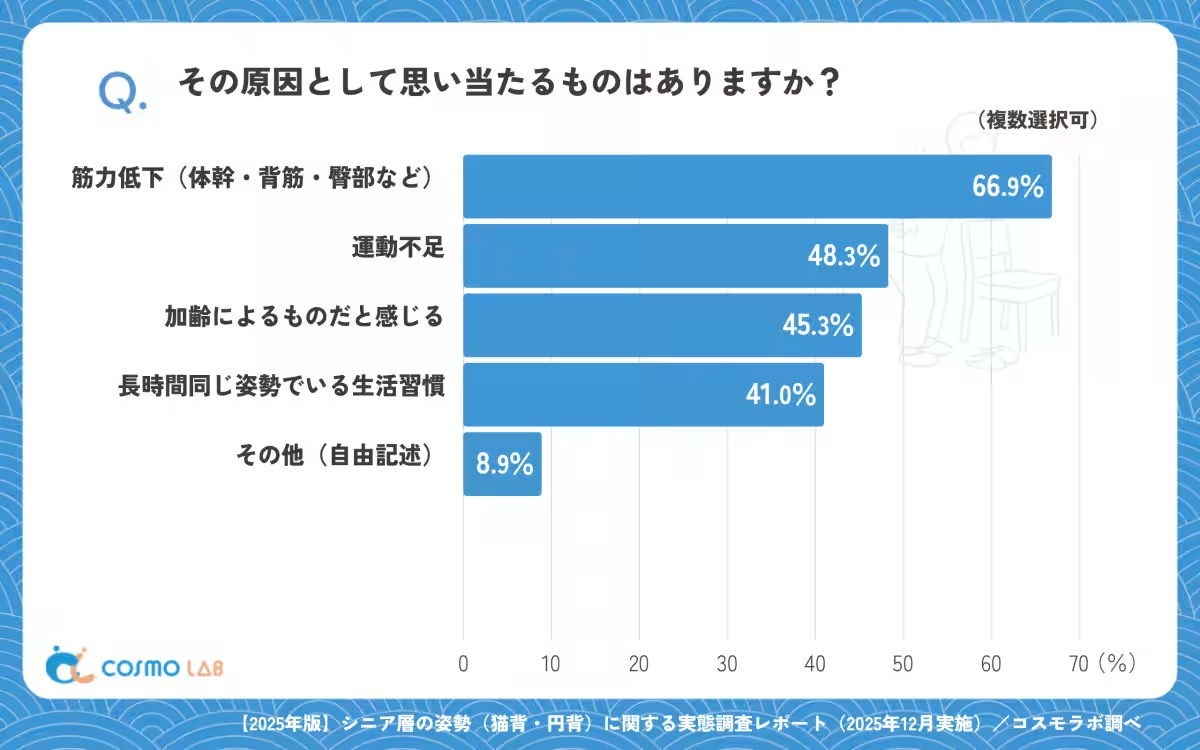
When asked about the reasons behind their perceived decline in posture, the most common response was 'muscle weakness' (66.9%), followed by 'lack of exercise' (48.3%) and 'the effects of aging' (45.3%). This indicates that seniors associate posture-related issues not only with aging but significantly with a decrease in daily physical activity.
3. High Willingness to Improve
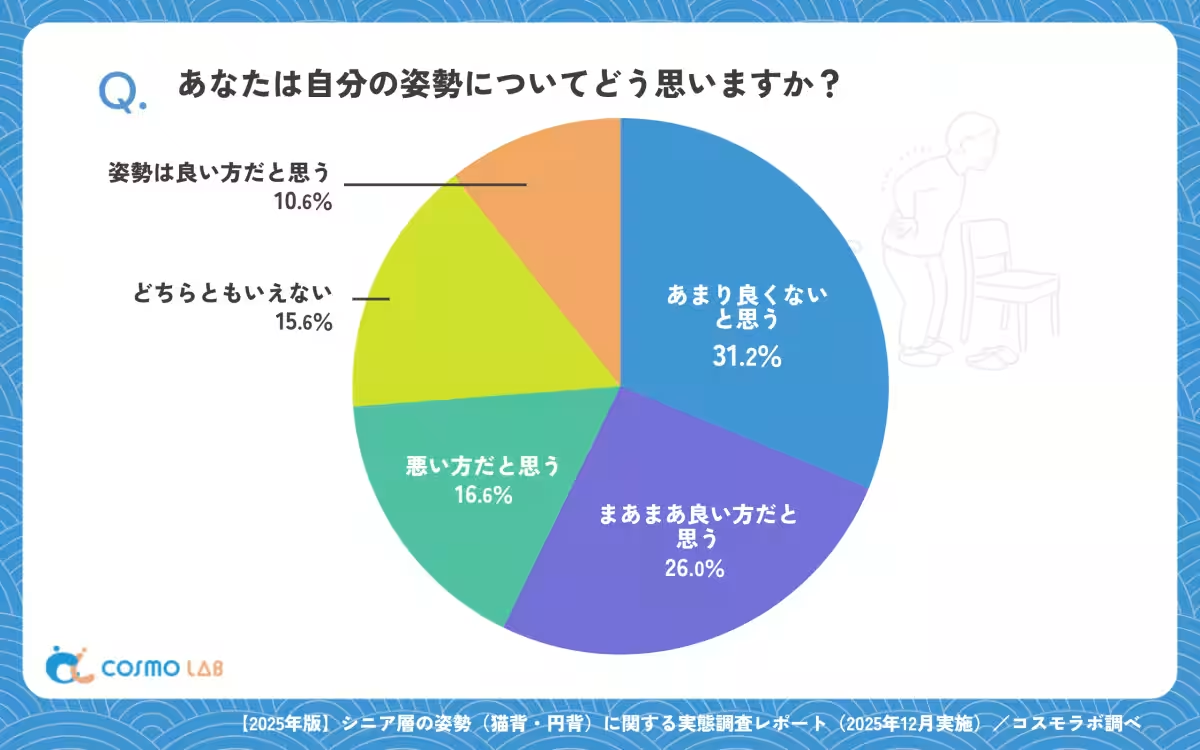
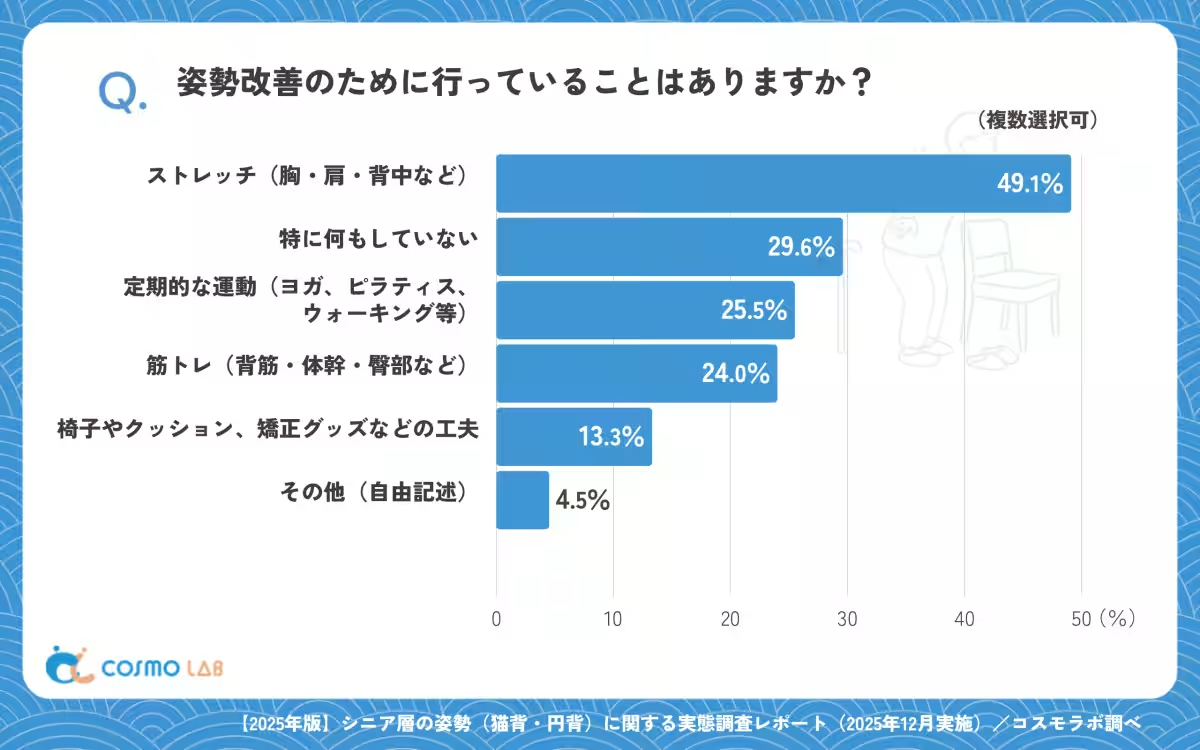
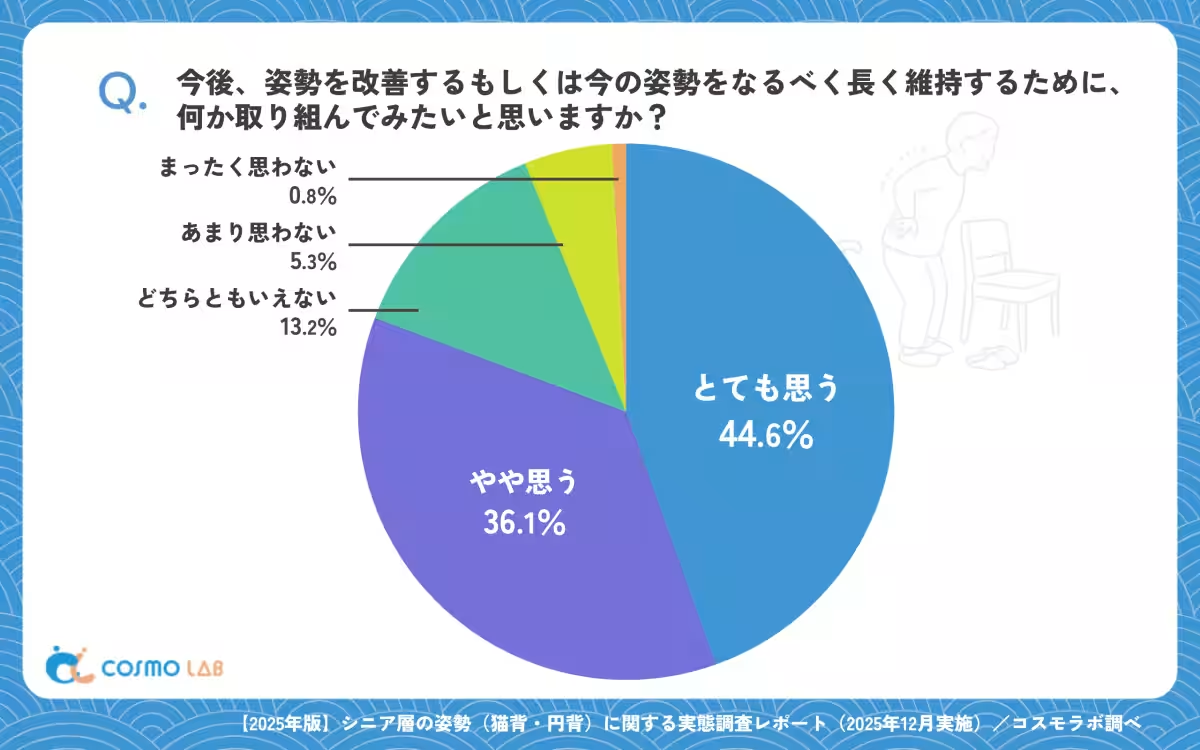
Despite the high percentage of seniors who acknowledge their posture issues, 80.7% expressed a strong interest in taking steps to improve their posture, with 44.6% feeling very motivated and 36.1% somewhat motivated. However, it's noteworthy that 29.6% were not currently doing anything to address their posture concerns, demonstrating a gap between interest and action.
4. Common Concerns Related to Aging and Posture
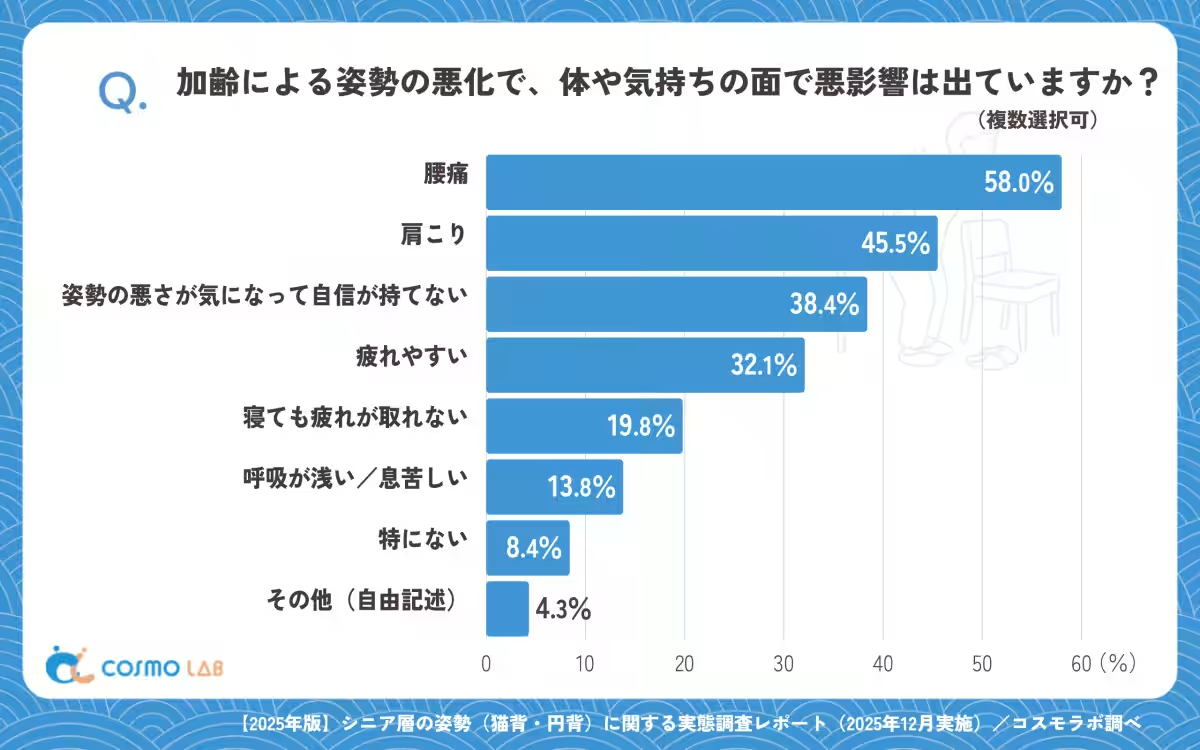
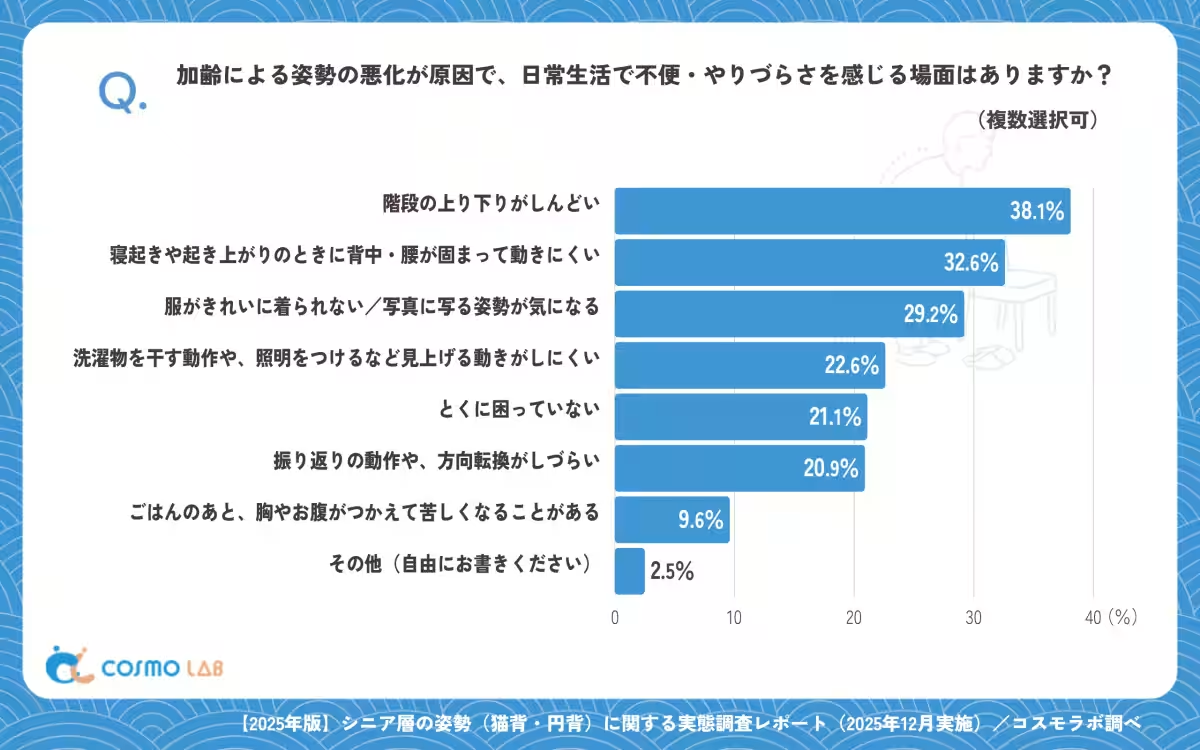
Seniors are increasingly aware of the negative impacts of poor posture on their daily lives, with common complaints including difficulty with stairs (38.1%), stiffness while rising from bed (32.6%), and self-consciousness about their appearance, especially when taking photos (29.2%). Posture deterioration thus appears to affect both physical limitations and self-esteem.
5. Efforts Toward Posture Improvement
Efforts for improving posture mainly involved stretching (49.1%), while a significant portion (29.6%) was not actively doing anything. Other activities included regular exercise like yoga or walking (25.5%), indicating a starting point for many still remains elusive.
6. Desire for Accessible Solutions
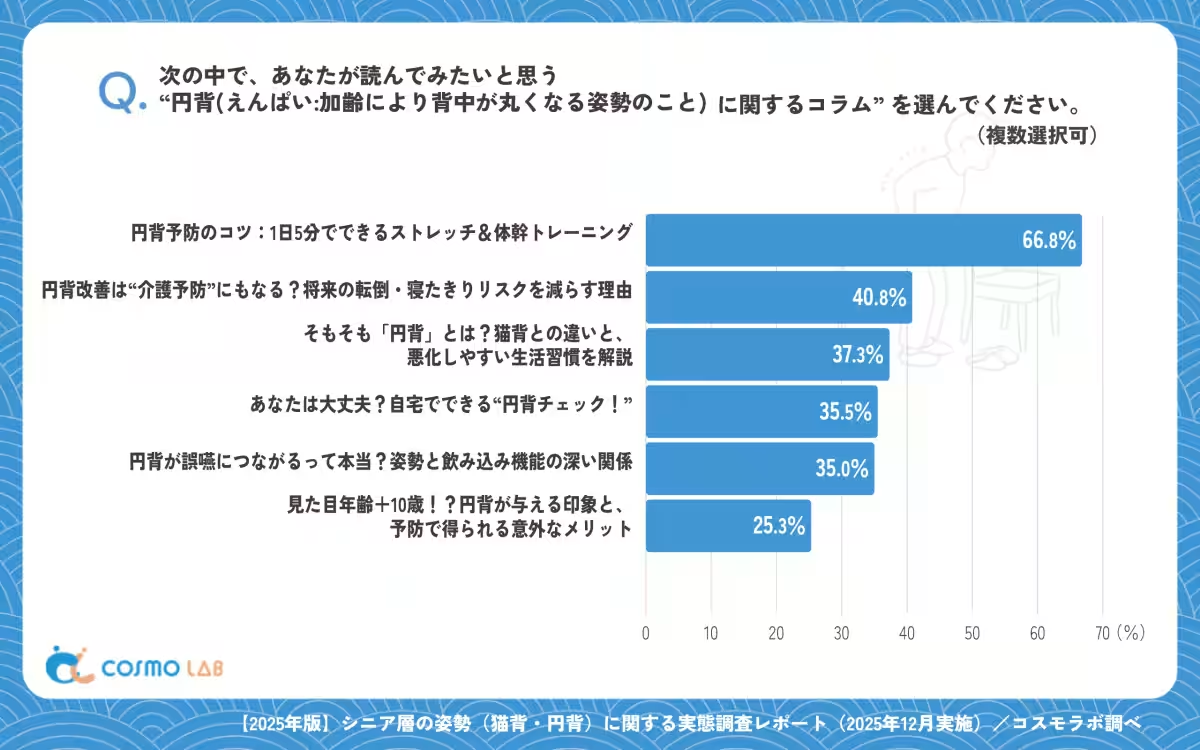
Participants expressed a preference for easily implementable solutions. The most desired column on the topic of 'Kyōhai' was “Simple Stretching and Core Training Tips: 5 Minutes a Day” (66.8%), showcasing a desire for practical strategies rather than complex theories.
Conclusion
This comprehensive survey sheds light on the multifaceted nature of posture issues among seniors, revealing that it is not merely a concern about appearance but intertwines deeply with physical capabilities, confidence, and quality of life. The discovery that a vast majority of seniors possess a high desire to improve their posture emphasizes the necessity for accessible and practical interventions that address both the issue's awareness and actionable strategies. By fostering an understanding of the importance of posture from an earlier age and providing gradual, actionable steps, we may enhance the quality of life for the senior population.
To access more insights into senior health, marketing trends, and consumer behavior, readers are encouraged to explore further research reports at Cosmo Lab.

Topics Health)


【About Using Articles】
You can freely use the title and article content by linking to the page where the article is posted.
※ Images cannot be used.
【About Links】
Links are free to use.