



Exciting Disaster Preparedness Workshop for Families Held in Ikebukuro
Tokyo's Exciting Disaster Preparedness Workshop for Families
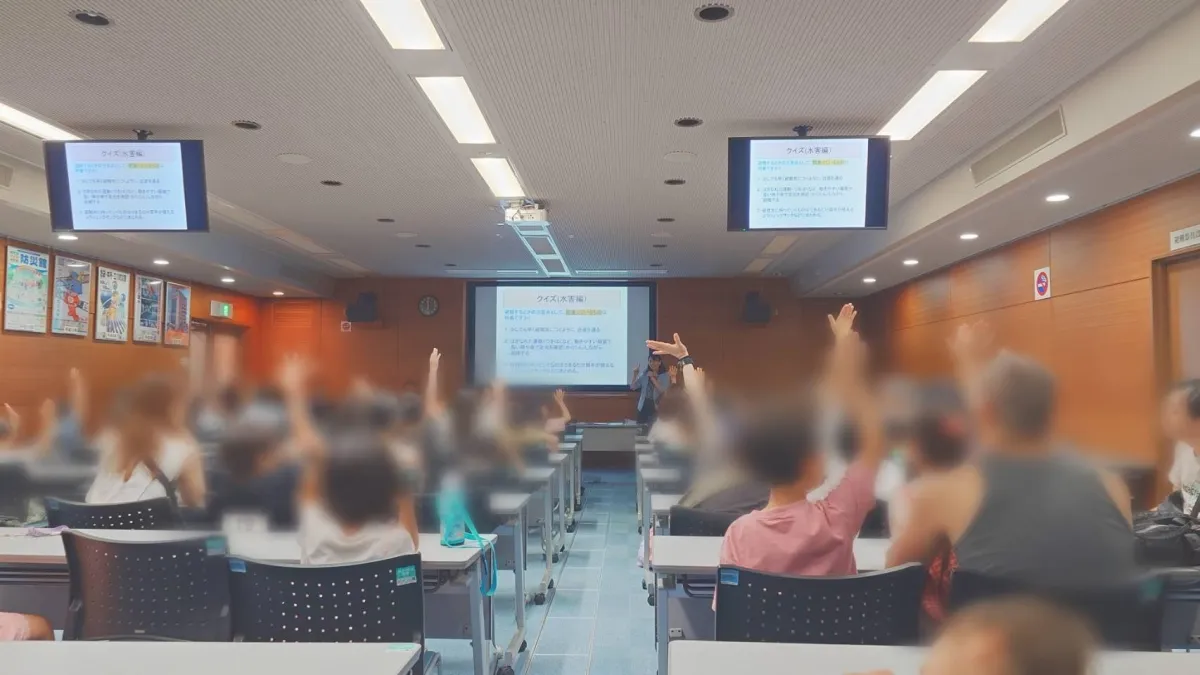
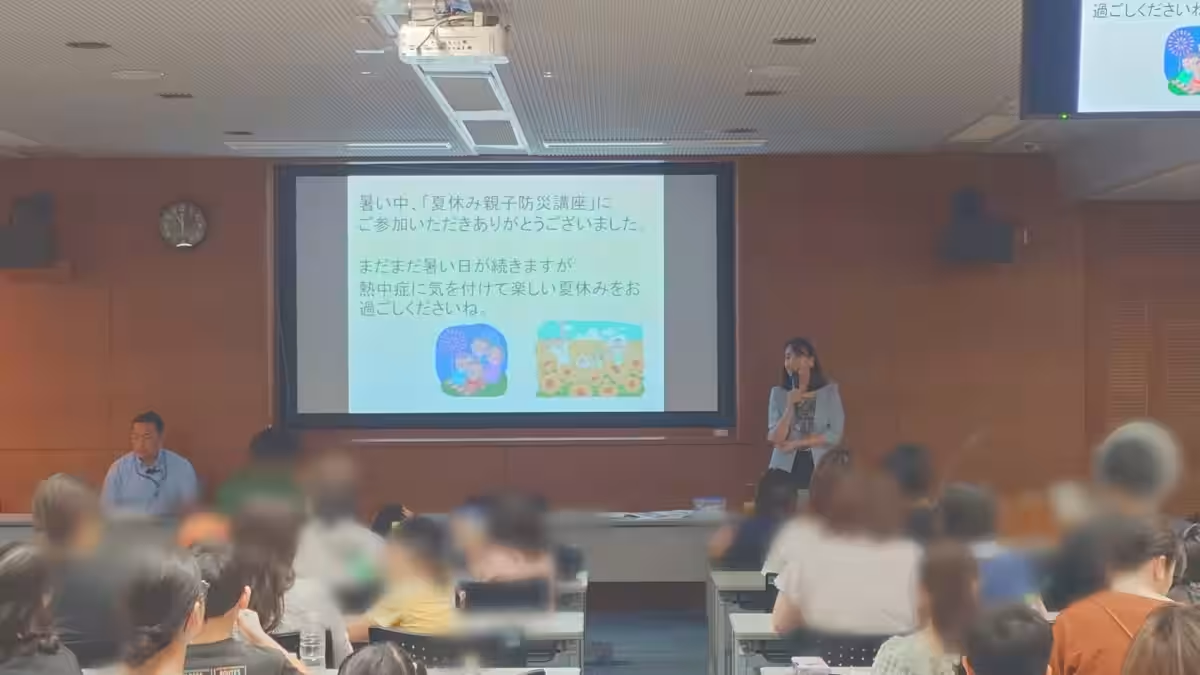
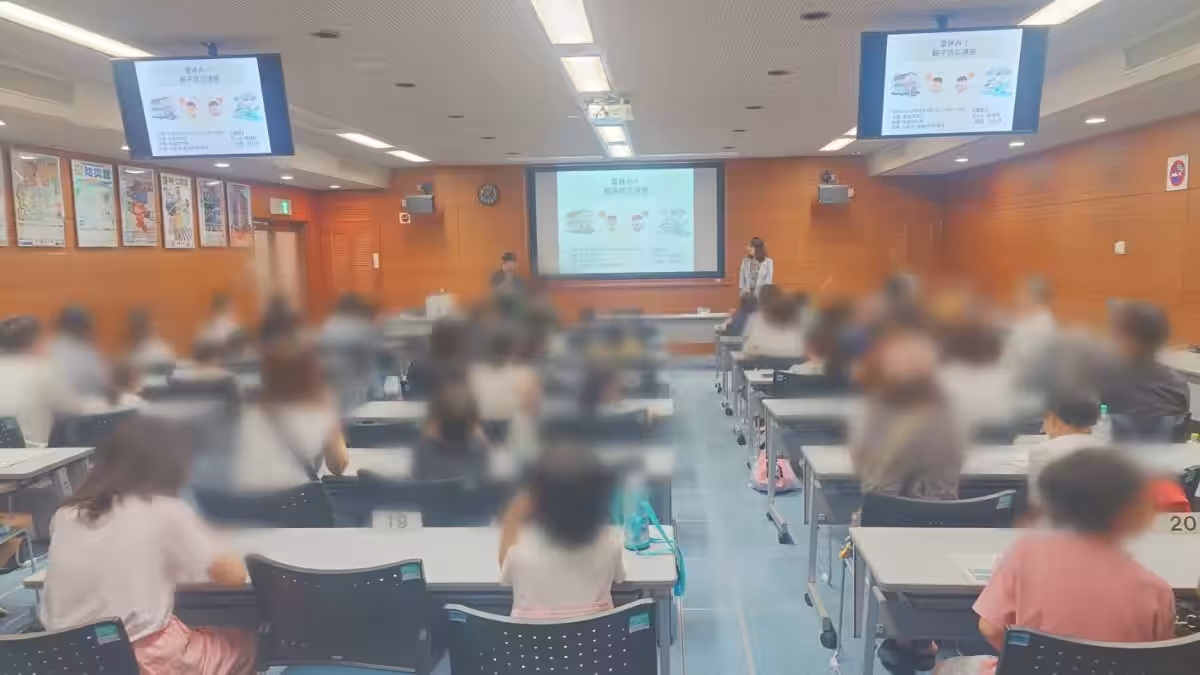
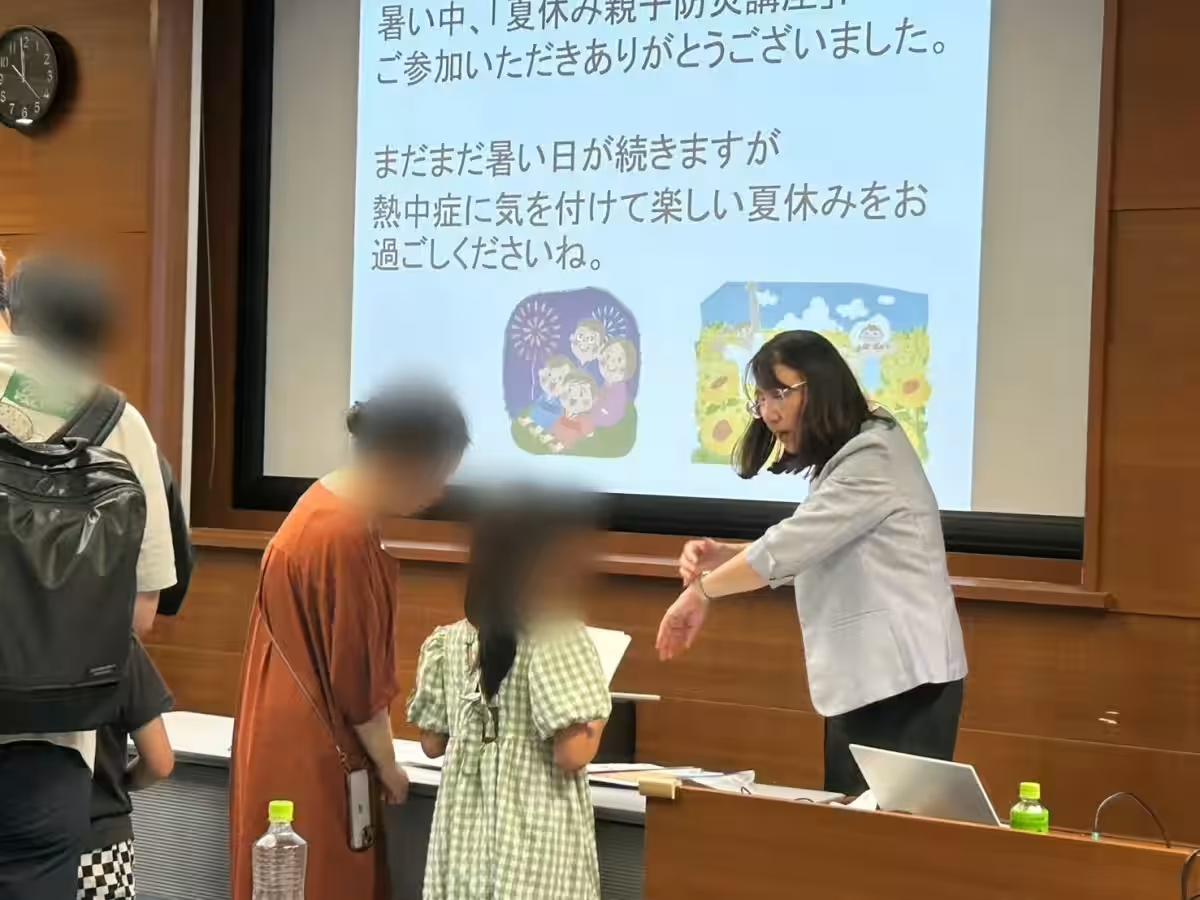
On August 2, 2026, the Kizuna Association held an engaging disaster preparedness workshop titled "Waku Waku!! Bousai Taiken Kyoushitsu" at the Ikebukuro Disaster Prevention Center. This event, commissioned by the Tokyo Fire Department, attracted over 50 participants, including preschoolers, elementary school children, and their parents.
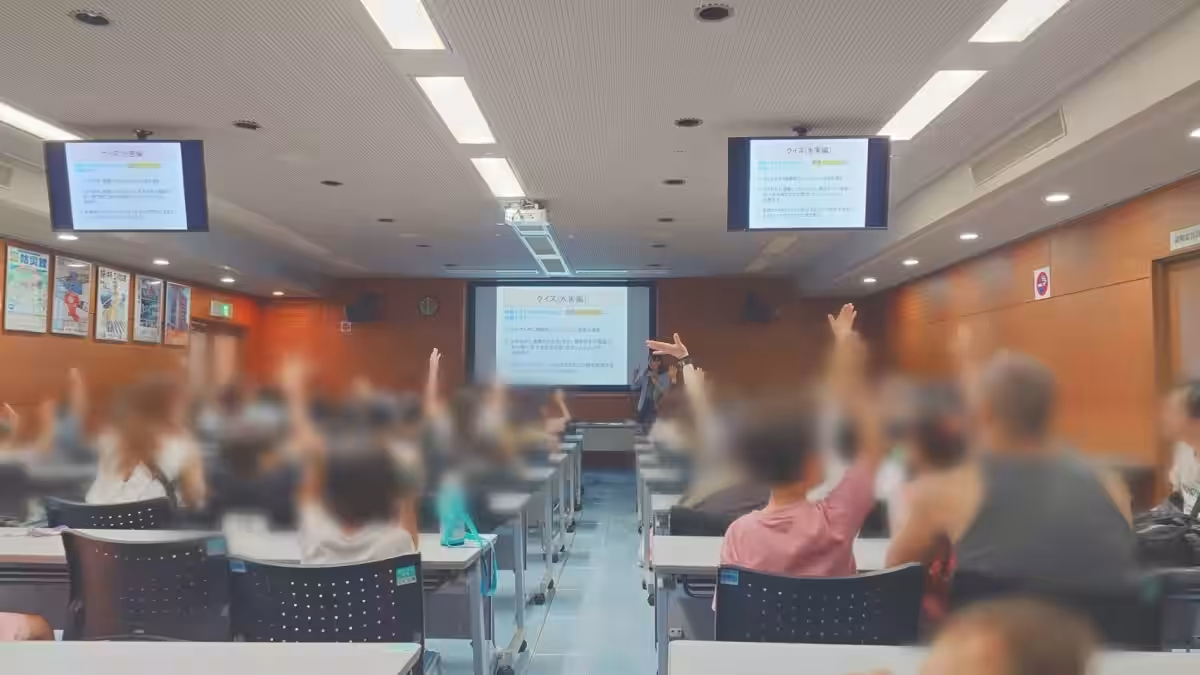
The workshop aimed to make learning about disasters exciting and memorable through quizzes and hands-on activities. Topics covered included earthquakes, fires, floods, and essential emergency supplies at home. The children were encouraged to think critically by participating in quizzes that connected disaster scenarios to their daily lives. For example, they tackled questions such as:
- - What actions should you take if you feel a strong tremor while at home?
- - Is it safe to use an elevator during an earthquake?
- - How should you evacuate through smoke during a fire?
- - What preparations should be made when a typhoon approaches?
- - How much emergency supplies does a family need?
This interactive quiz format allowed children to actively engage in discussions about safety measures and broaden their understanding of disaster response. Instead of merely receiving information, participants were encouraged to explore their responses to potential emergency situations. The instructor, Hitomi Tahara, reported that parents were equally enthusiastic, taking notes and participating throughout the session.
Understanding Heat Stroke in Summer
The second half of the workshop was dedicated to educating families about heat stroke, a relevant topic during the summer season. Participants learned that heat-related illnesses can occur not only outdoors but also indoors. Techniques such as using air conditioning, staying hydrated, wearing hats, and resting in the shade were highlighted as effective preventative measures. To reinforce the information, a quiz was conducted regarding the most effective body areas to cool down, teaching children about optimal cooling points like the neck, armpits, and groin.
To ensure the content was accessible for children, the workshop included visuals such as large text and illustrations. Parents received pamphlets summarizing key heat stroke knowledge and guidelines for discussing family emergency plans.
Hands-On Experience: Homemade Cooling Packs
The workshop culminated in a hands-on activity where participants created "homemade cooling packs" using urea and water. This practical experience showcased a useful technique for cooling in situations where ice or cold packs may not be accessible, such as during outdoor activities or emergencies. Attendees mixed the ingredients in a bag while observing the temperature changes, reinforcing their understanding of the science behind the cooling reaction. Additionally, important safety tips were covered, such as preventing accidental ingestion and ensuring proper sealing of the bags.
This engaging activity not only introduced disaster readiness but also sparked curiosity about science, making it an excellent summer research project option for families.
Encouraging Lifelong Disaster Preparedness
Feedback after the workshop revealed that children expressed interest in continuing their research on disaster preparedness over their summer vacation. Similarly, parents voiced a desire to reassess their home emergency supplies and engage in family discussions about disaster plans. The workshop emphasized the importance of transforming knowledge into actionable steps, encouraging families to think critically about their responses during emergencies.
Hitomi Tahara expressed her hope that the workshop would allow participants to view disaster preparedness as a personal responsibility and initiate conversations about family safety and resources.
A Community Effort for Safety
Disasters can occur without warning, which is why workshops like this are essential. They help families not only memorize facts but also consider their potential responses in crisis situations. By participating in quizzes and practical activities, families were able to learn about disaster readiness in an enjoyable manner.
Organizers from Kizuna Association are optimistic that the experiences gained will lead families to further discussions about preparedness and safety measures once they return home. The desire is for every family to cultivate their "capacity to protect lives" by being proactive in disaster response planning and risk awareness.
The Kizuna Association is committed to providing ongoing education and engagement opportunities for children and families related to daily life and emergency preparedness. Future workshops will continue to foster knowledge-sharing and skill-building for life's unpredictable moments, ensuring everyone realizes the importance of disaster preparedness.
For further inquiries regarding disaster education or programs, please reach out to the Kizuna Association via email or visit their website.
Topics Policy & Public Interest)
【About Using Articles】
You can freely use the title and article content by linking to the page where the article is posted.
※ Images cannot be used.
【About Links】
Links are free to use.