



Innovative Tulsi Exosomes Developed for Skincare Launching Soon!
Innovative Tulsi Exosomes for Skincare
Introduction
In recent years, the cosmetics industry has shown a growing interest in plant-based and natural ingredients, aiming to address issues such as over-extraction of specific plant resources and environmental degradation through cutting-edge exosome research. The focus is on Tulsi (Holy Basil), a herb long valued in Ayurveda for its medicinal properties, which are now gaining scientific recognition.
What is Callus?
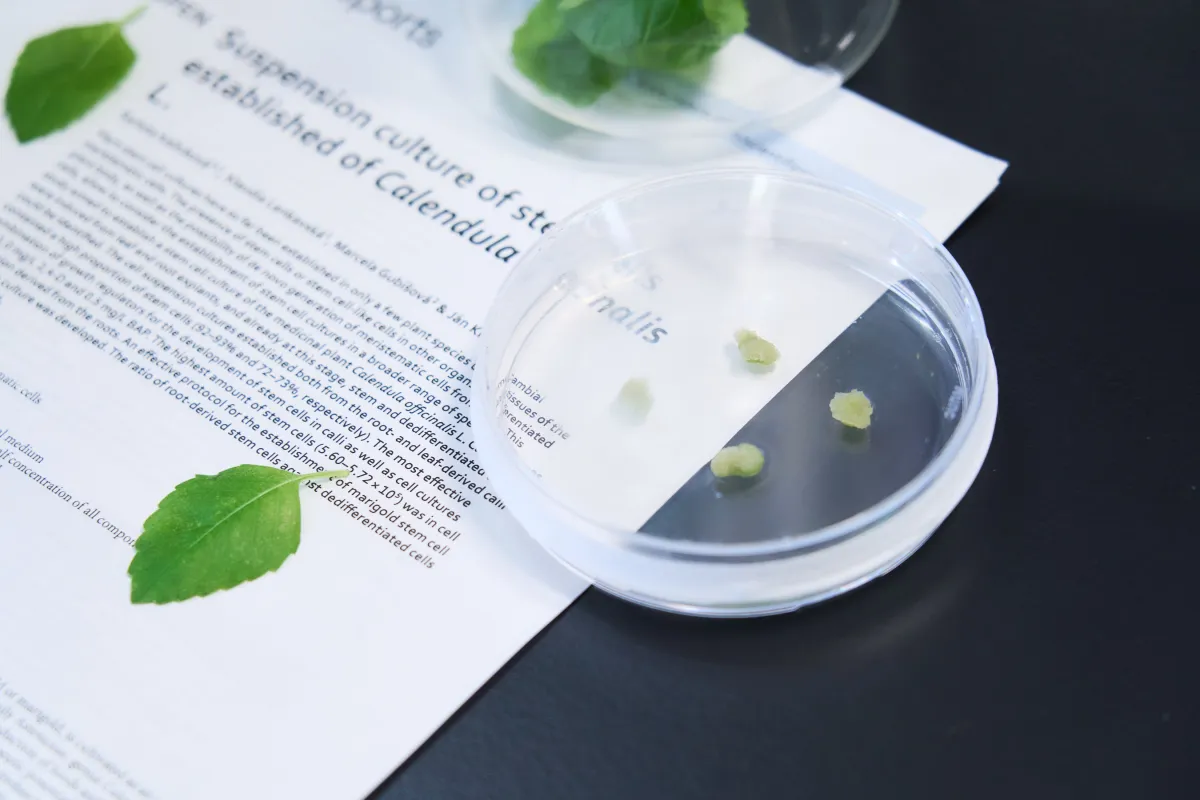
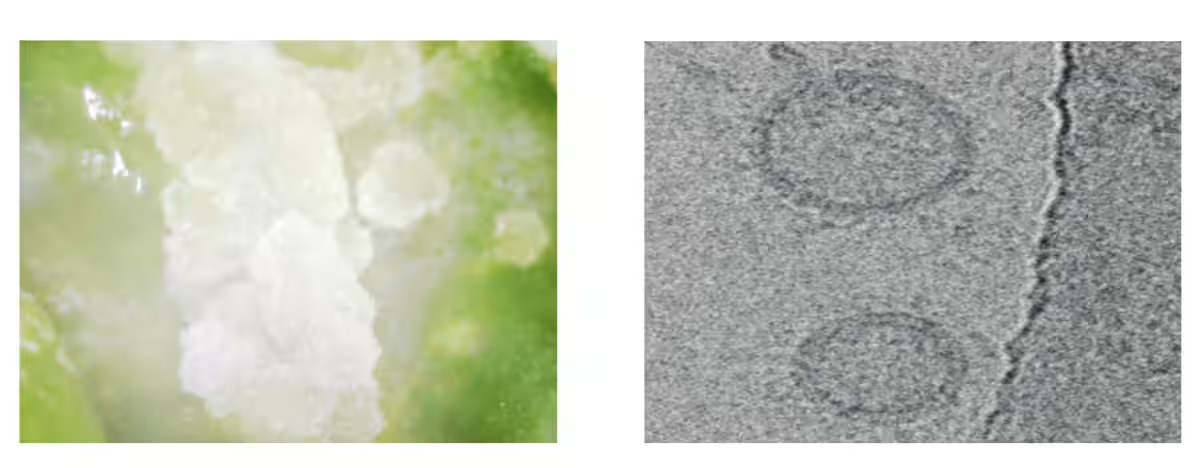
Callus is a mass of undifferentiated cells obtained by culturing parts of plant tissue. This mass acts as a healing tissue that retains a plant's high regenerative capabilities. By leveraging the "injury stimulus" that supports the plant's regeneration, callus formation is encouraged, allowing for the cultivation of stem-like plant cells and the extraction of exosomes.
Benefits of Callus Cultivation
1. Elimination of Impurities: Callus cultivation minimizes the risk of contamination from pesticides and heavy metals, ensuring stable supply and uniformity of active ingredients, unaffected by weather, soil conditions, or harvesting time.
2. Reduced Environmental Impact: It allows for large-scale production in controlled environments without the need to harvest plants from nature, contributing to the protection of rare species.
3. Novel Metabolites: The unaltered metabolic pathways of undifferentiated cells suggest the potential to produce new compounds not found in the conventional plant material.
Unique Features of Tulsi Callus-Derived Exosomes
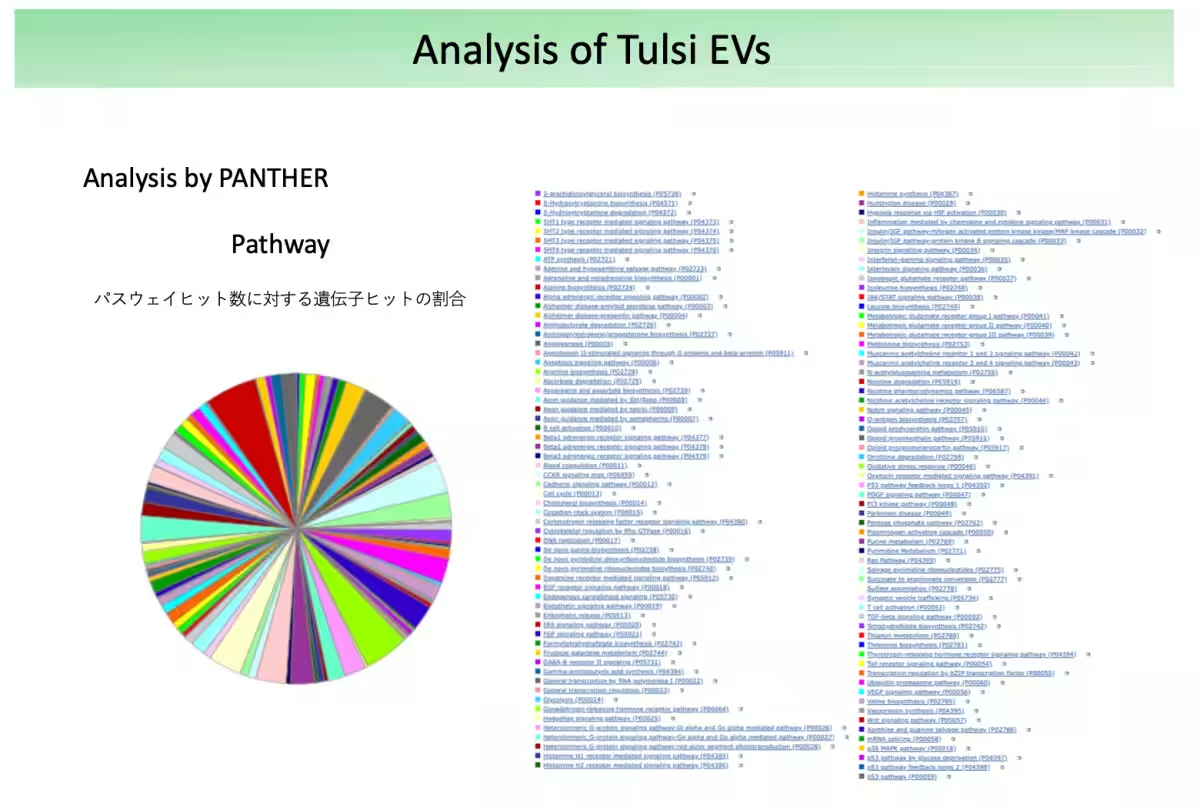
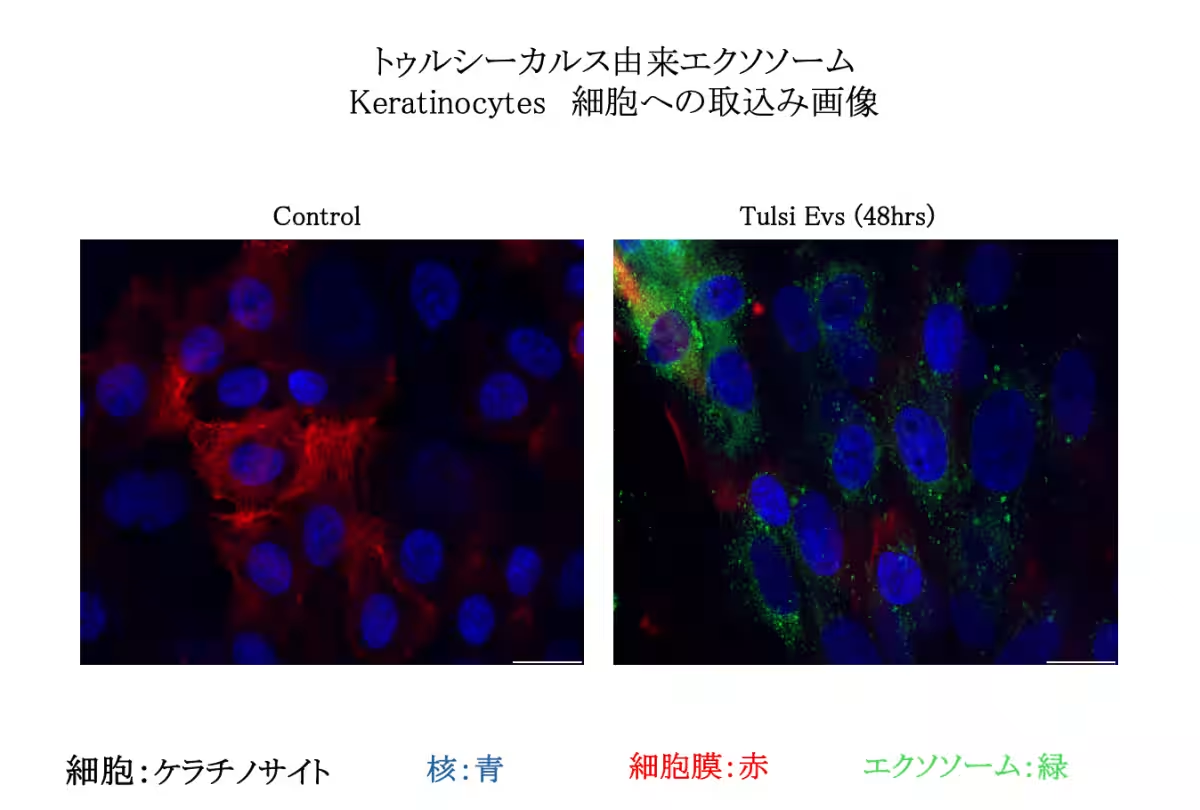
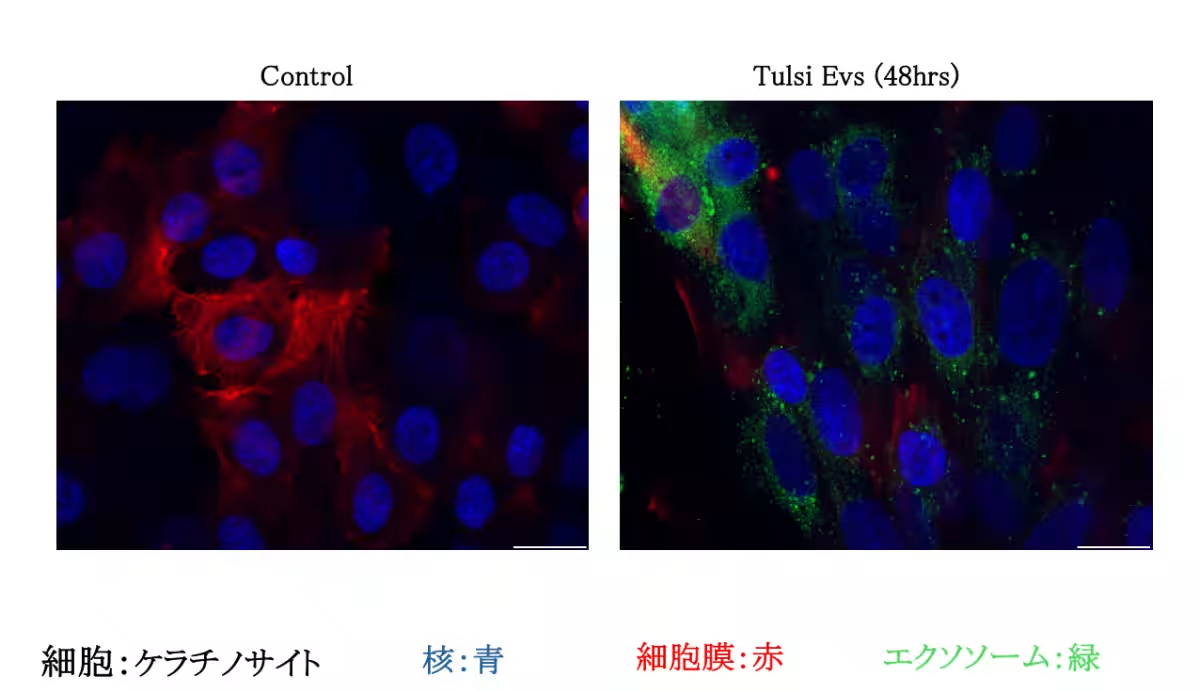
Exosomes are small vesicles, measuring 50-100 nanometers, containing messenger substances released from cells. Recent studies have shown that biologically active molecules, such as miRNA found within exosomes, can offer significant benefits in skincare. Our research incorporates comprehensive analyses of the pathways involved in the functional roles of genes related to Tulsi.
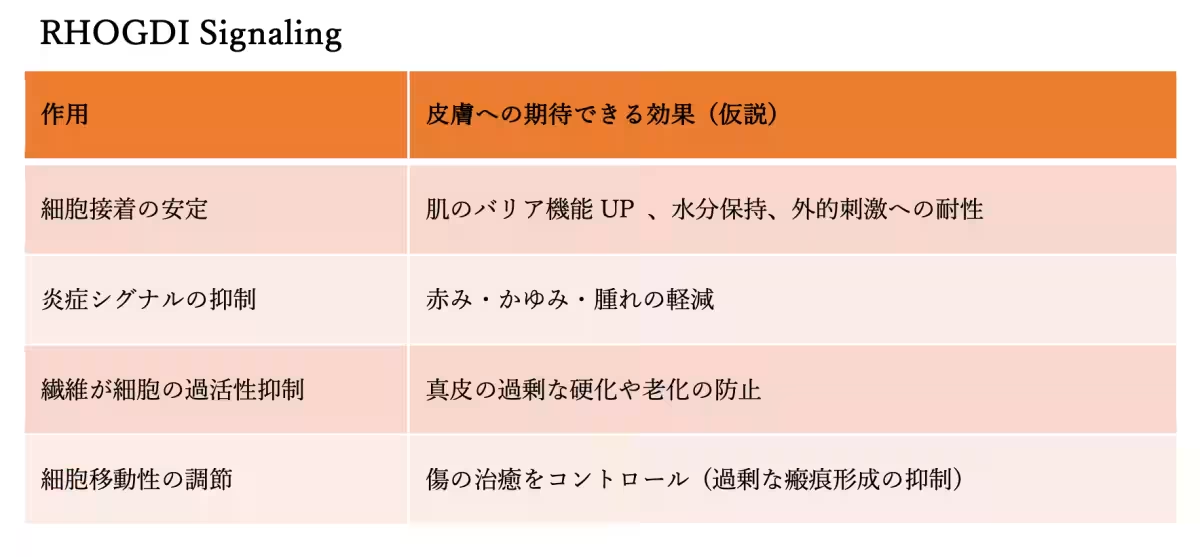
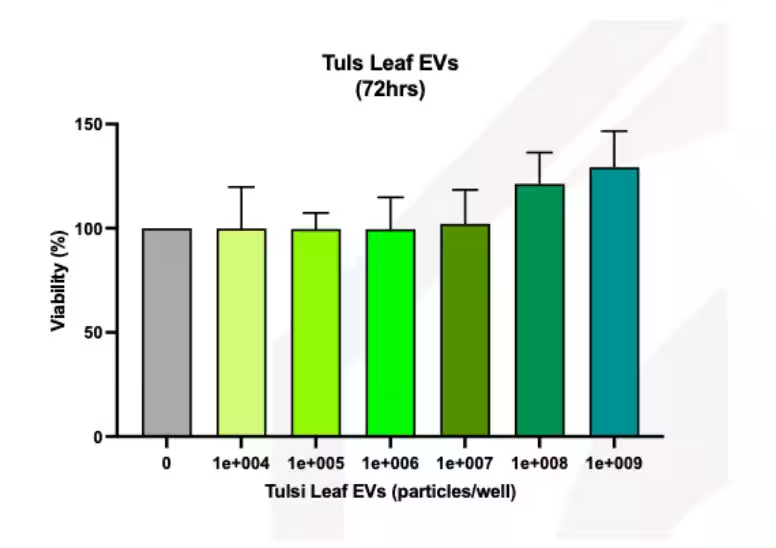
- -> Tulsi exhibits a remarkably high concentration of exosome particles, demonstrating significantly diverse pharmacological activities compared to other plants. Its wide-ranging effects on skin and scalp health have been underlined through various biological pathways.
Skin Benefits
1. The abundant antioxidants in Tulsi neutralize free radicals, potentially reversing early aging effects, reducing fine lines, and promoting a more youthful appearance.
2. It aids in improving pigmentation, resulting in a brighter complexion and enhanced skin tone.
3. Its detoxifying properties help in treating skin blemishes and scars.
Hair Benefits
1. Tulsi promotes blood circulation in the scalp, helping to prevent hair loss and stimulate growth.
2. With its antifungal properties, it may assist in reducing dandruff when applied to the scalp.
3. By strengthening hair follicles and roots, it promotes thicker and healthier hair.
4. Its hydrating impact aids in alleviating itchiness and dryness of the scalp.
The Tulsi exosome ingredient is suitable for incorporation into skincare, hair care, and makeup products, backed by the latest scientific findings on its beautifying and anti-aging properties. Its application holds promise for the maintenance of mental and physical health and promoting longevity.
We invite inquiries about possible uses tailored to various products, aiming to offer innovative solutions in the beauty industry.
Company Introduction
Company Name: Asfreya Inc.
Headquarters: 2-3-8 Shinkiba, Koto-ku, Tokyo 136-0082, Japan
Representative: President Yukie Kuniki
Website: www.asfreya.co.jp
Email: [email protected]
We appreciate your interest and look forward to your inquiries.

Topics Consumer Products & Retail)
【About Using Articles】
You can freely use the title and article content by linking to the page where the article is posted.
※ Images cannot be used.
【About Links】
Links are free to use.