



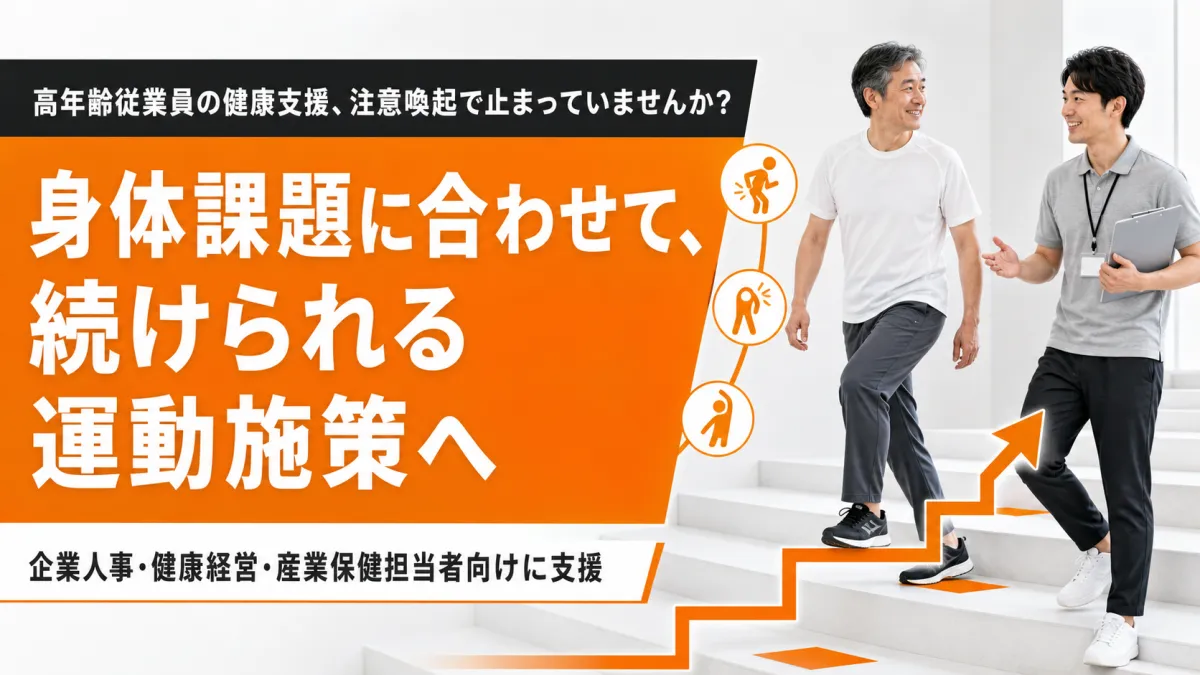
Fractal Workout Launches Health Support Designs for Older Employees
Fractal Workout's Initiative for Senior Health Support
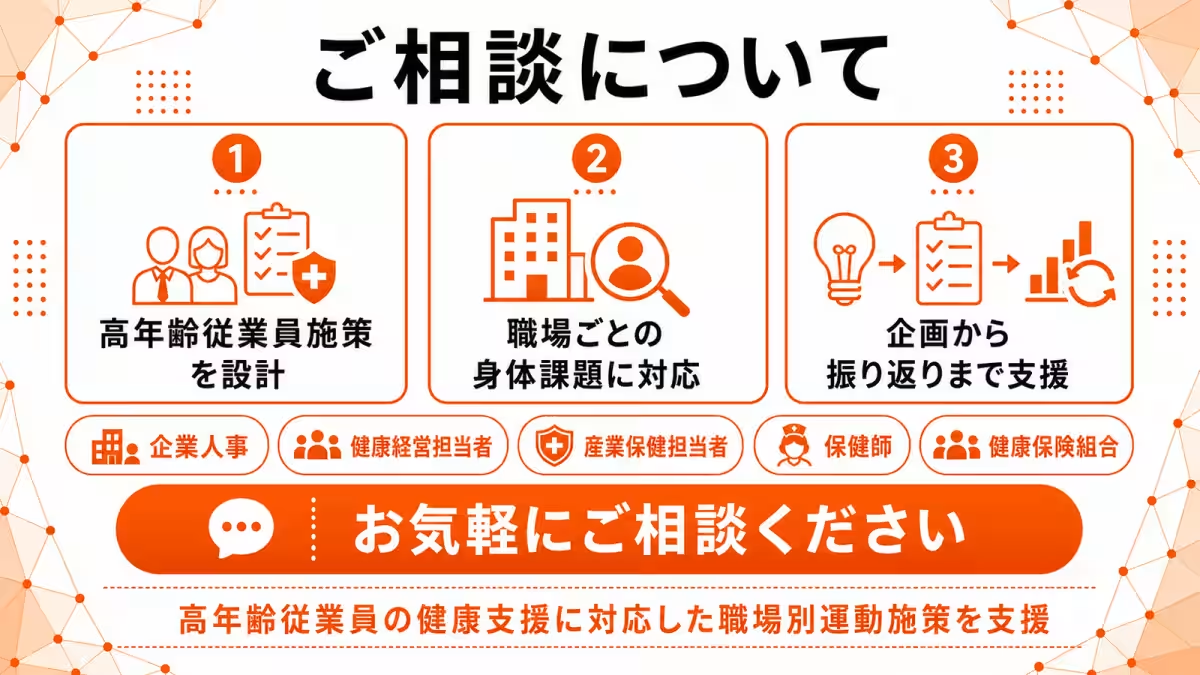
Fractal Workout, Inc., based in Shibuya, Tokyo, has recently embarked on a groundbreaking initiative aimed at supporting the health of older employees within various workplaces. This initiative caters specifically to business human resources, health management personnel, occupational health officials, and health insurance associations, providing comprehensive design and support for exercise programs tailored to the unique needs of their older workforce.
Background of the Initiative
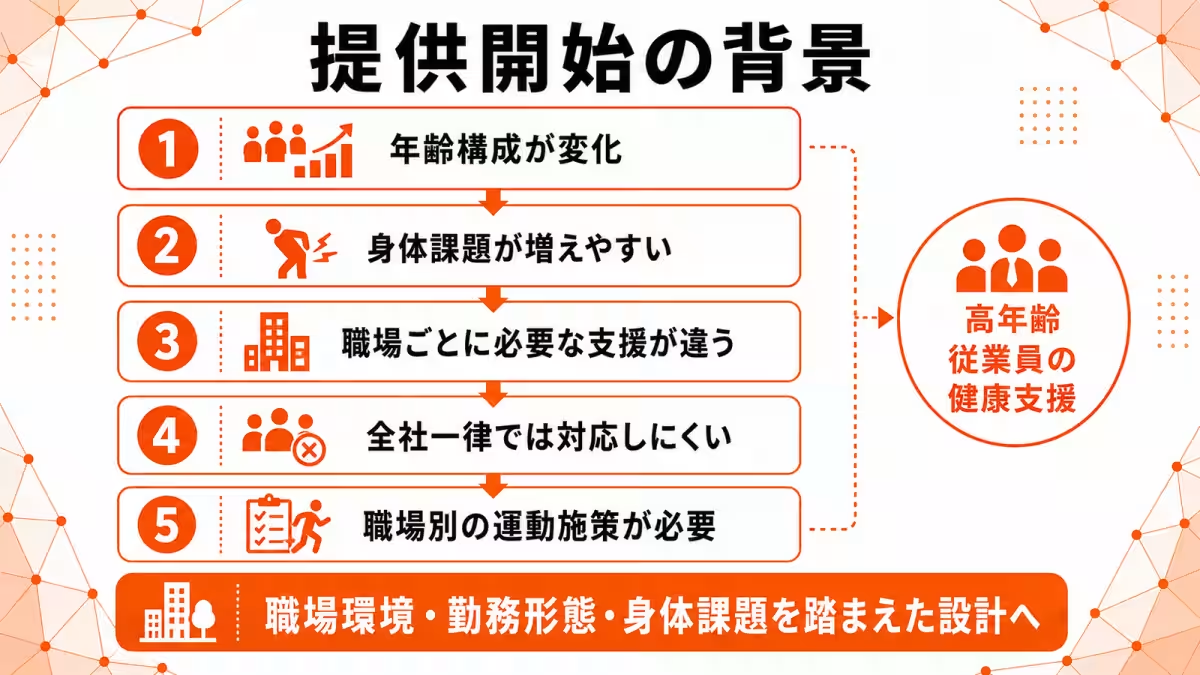
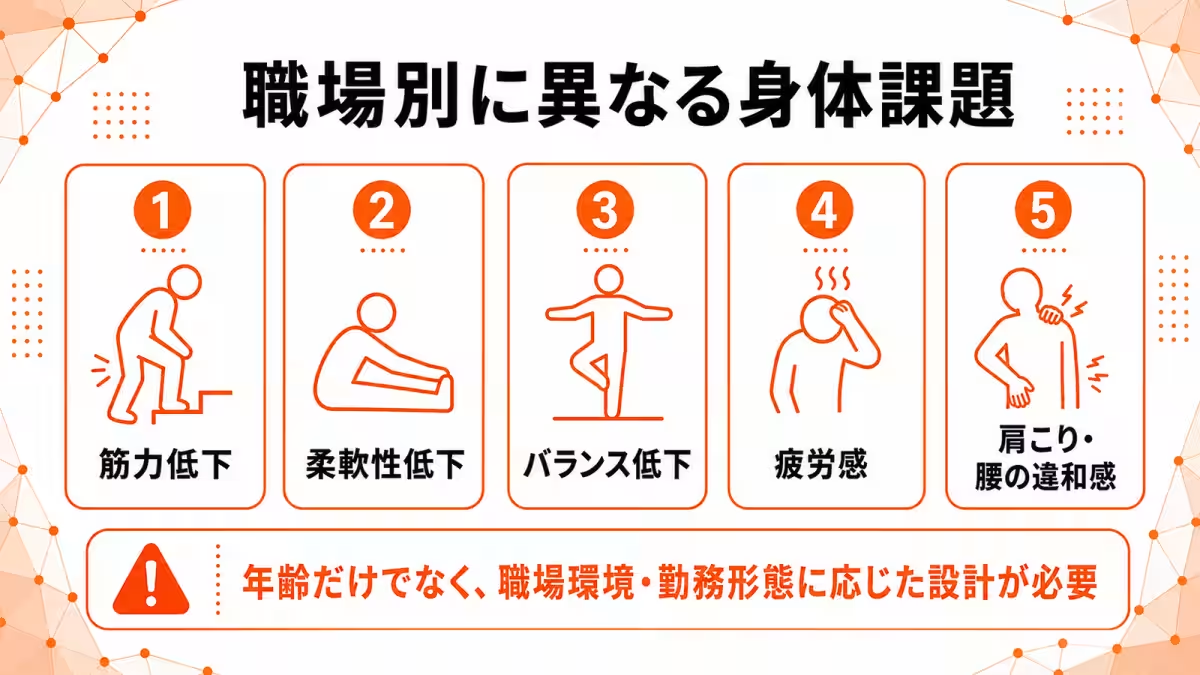
In recent years, the demographic composition of the workforce has shifted significantly, with a growing number of older employees. This demographic shift has made it increasingly crucial for companies to prioritize health support and to cultivate workplaces that accommodate older employees’ ongoing contributions. While older employees bring valuable experience and expertise to their organizations, they often face physical health challenges, including muscular decline, reduced flexibility, balance issues, fatigue, and discomfort in areas like the shoulders and lower back.
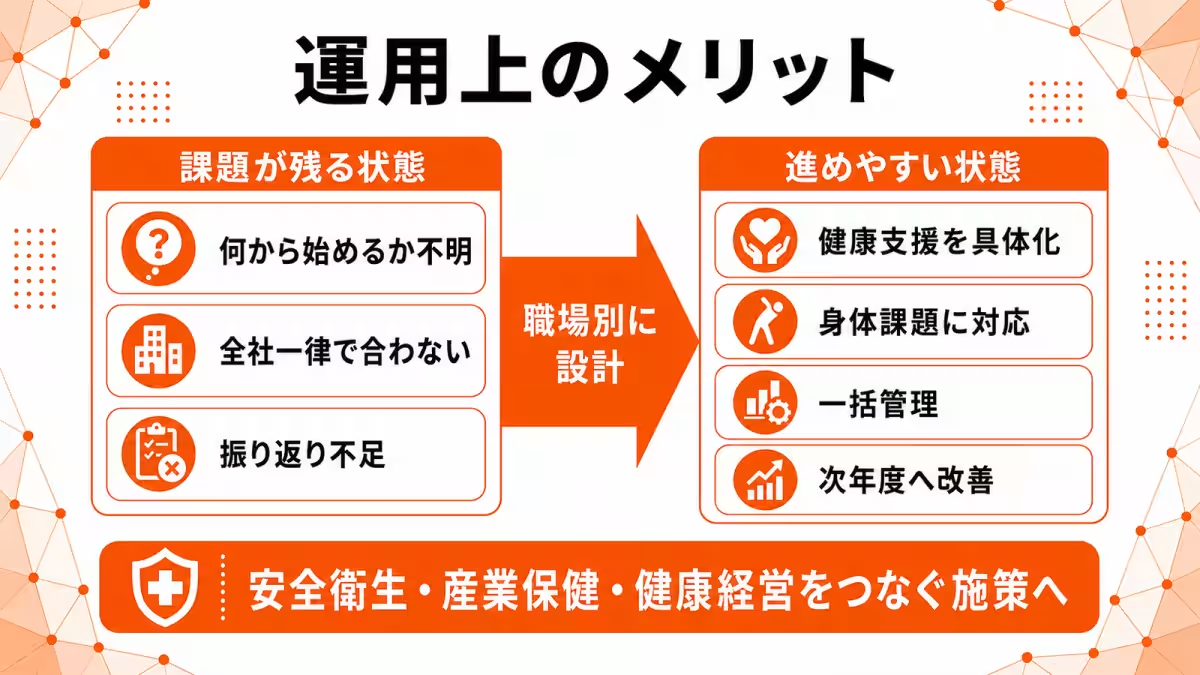
Moreover, the support needed can greatly vary depending on the type of work environment—whether it's a desk job, fieldwork, standing work, or roles involving extensive movement. Organizations often confront challenges such as uncertainty about how to initiate health support for older workers and concerns about integrating these programs with occupational safety and health initiatives.
Recognizing these challenges, Fractal Workout emphasizes the importance of customized strategies that consider the workplace environment, individual work patterns, and physical issues, rather than grouping all older employees into a single category based solely on age.
Details of the Support Program
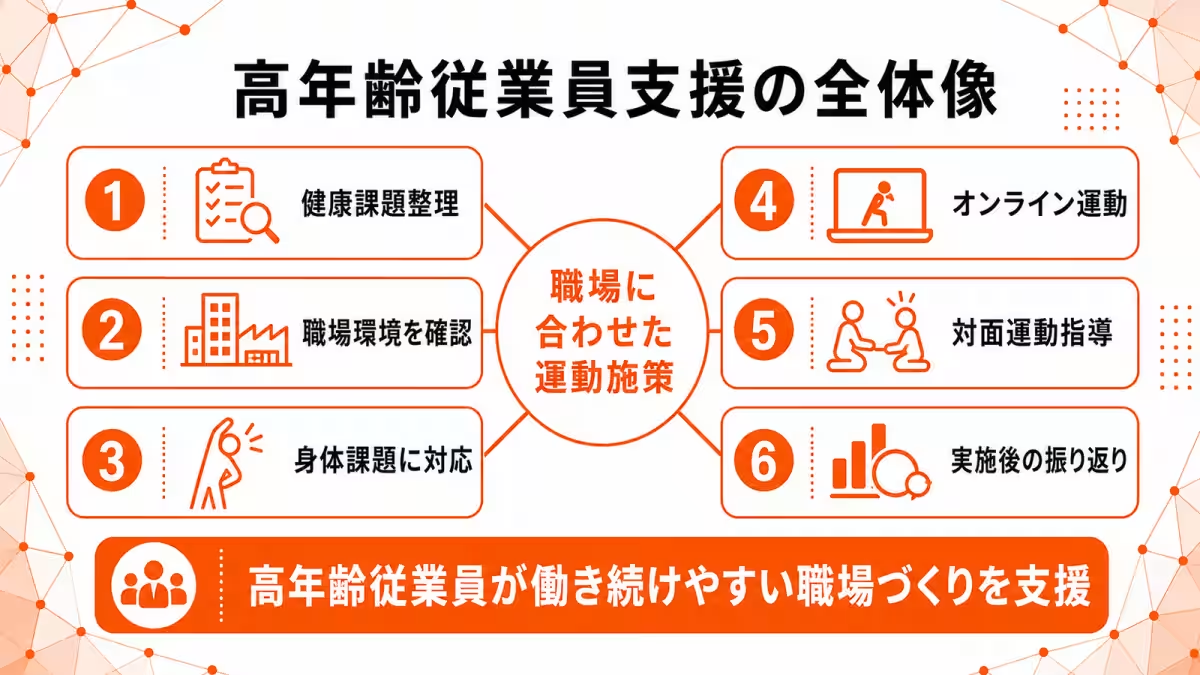
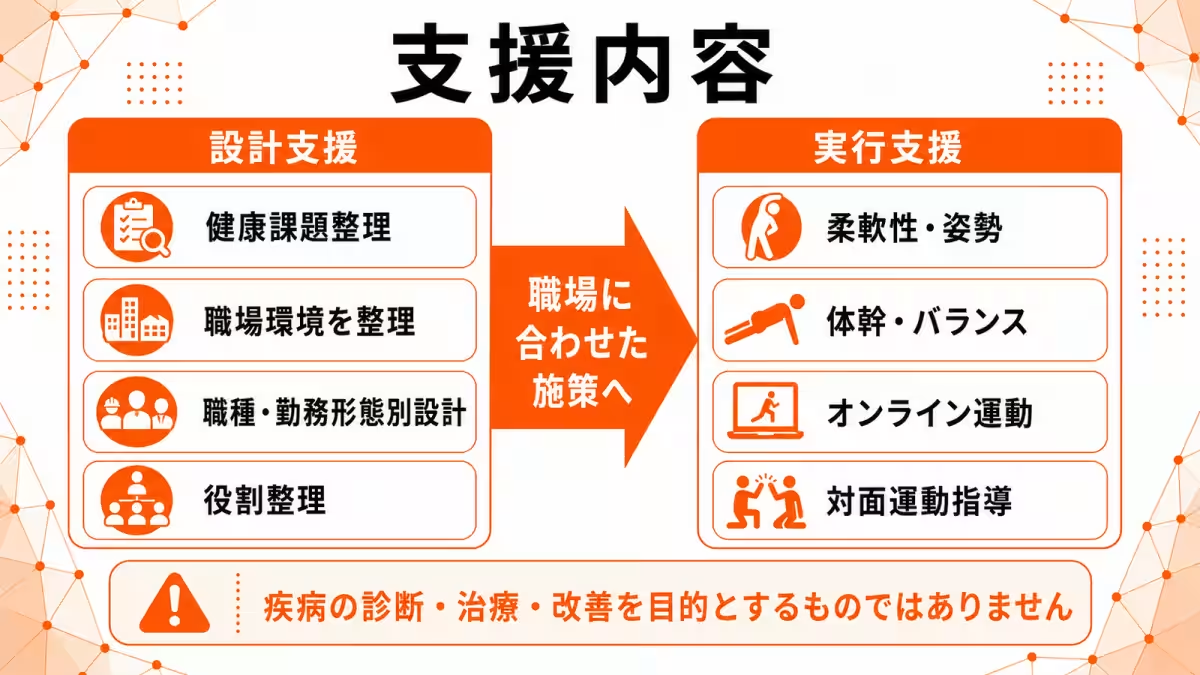
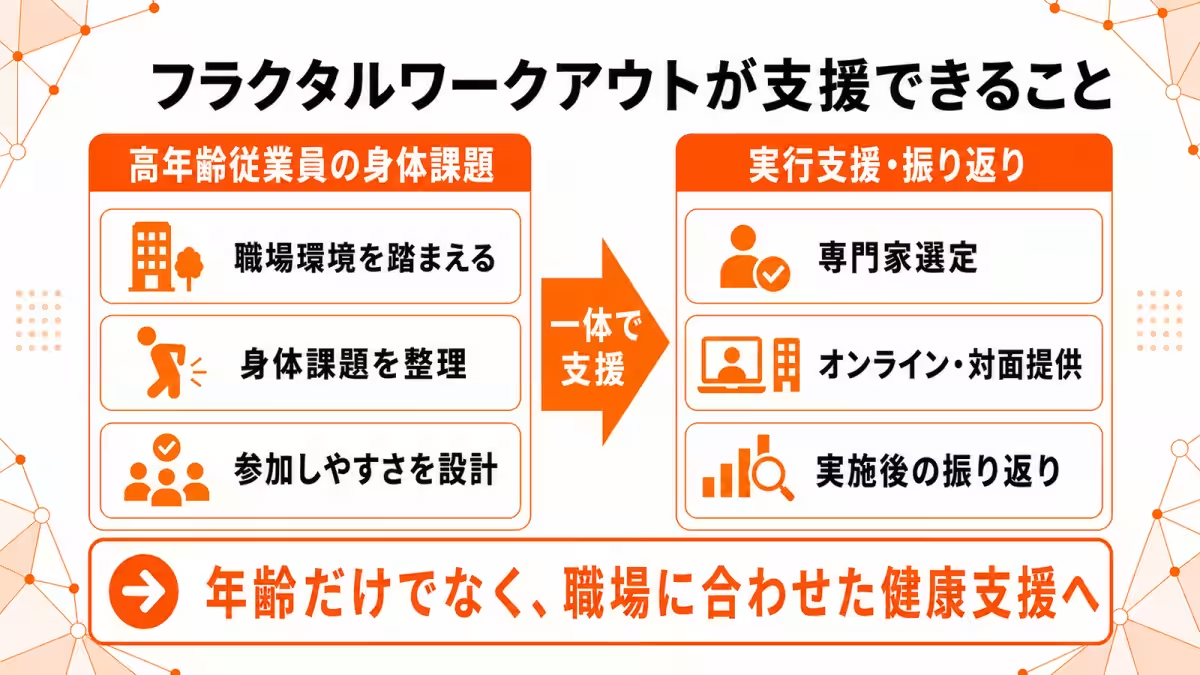
Fractal Workout is set to assist companies in crafting exercise and health support programs tailored to the specific circumstances of older employees. The primary offerings of this support include:
- - Assessment of Health Issues: Evaluating health challenges prevalent among older employees in specific workplaces.
- - Program Design Post-Assessment: Developing exercise initiatives based on health check results and employee surveys.
- - Coordination Among Health Professionals: Clearly defining roles among occupational physicians, healthcare providers, HR personnel, and health insurance organizations.
- - Customized Exercise Programs: Creating programs that focus on enhancing flexibility, posture, core strength, balance, and fatigue management.
- - Online Fitness Offerings: Providing accessible online exercise programs for employees.
- - Guided In-Person Sessions: Utilizing health promotion facilities for hands-on exercise instruction.
- - Participant Engagement: Streamlined communication materials, participation pathways, and schedules.
- - Program Review: Conducting feedback surveys, compiling attendance data, and assessing participant responses post-implementation.
- - Future Planning: Supporting reflections aimed at refining future health management and occupational health initiatives.
It is important to note that this support is not a diagnostic, treatment, or rehabilitation service. Rather, it focuses on promoting health maintenance and enhancement, fostering exercise habits, and implementing health management practices tailored for older employees' unique needs.
Anticipated Application Scenarios
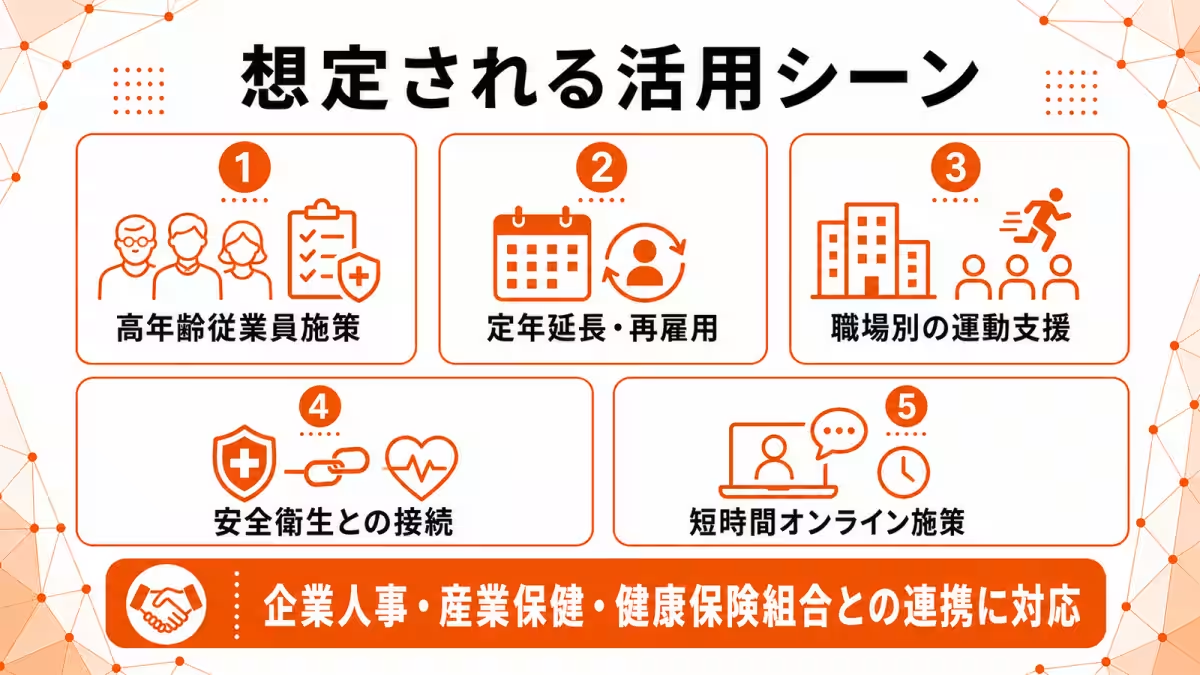
The introduction of this support program is set to benefit companies facing the following dilemmas:
- - A desire to design effective health initiatives for older employees.
- - A goal to foster work environments that facilitate continued employment, especially in the context of extended retirements or rehiring.
- - A need for tailored solutions that address specific physical challenges based on varying job types.
- - Interest in addressing issues such as shoulder tension, lower back discomfort, fatigue, and lack of exercise through targeted initiatives.
- - A need for comprehensive strategies linking health management, occupational safety, and health initiatives.
- - The aim to offer employees easily accessible, short-duration, online formats for participation.
- - A commitment to conducting reviews post-implementation instead of one-off training sessions.
- - The desire for collaboration with external advisors covering expert selection, planning, execution, and reviews.
Moreover, consultation is not limited to HR alone; Fractal Workout welcomes collaboration with occupational physicians, healthcare professionals, health insurance representatives, and health management personnel.
Conclusion: Benefits of Collaboration with Fractal Workout
Through its extensive expertise in corporate health support and management, Fractal Workout is strategically positioned to assist organizations in implementing effective health initiatives tailored for older employees. By focusing on environmental conditions, specific work patterns, and physical challenges, the programs are designed to facilitate participation, with health goals informing the planning process.
By utilizing existing facilities for health promotion and exercise therapy, Fractal Workout creates a pathway for comprehensive support, alleviating the burden on human resources to individually scout for experts or create program ideas from scratch. At the same time, they ensure a compelling review process post-implementation, which subsequently aids in shaping next year’s initiatives.
Moving Forward
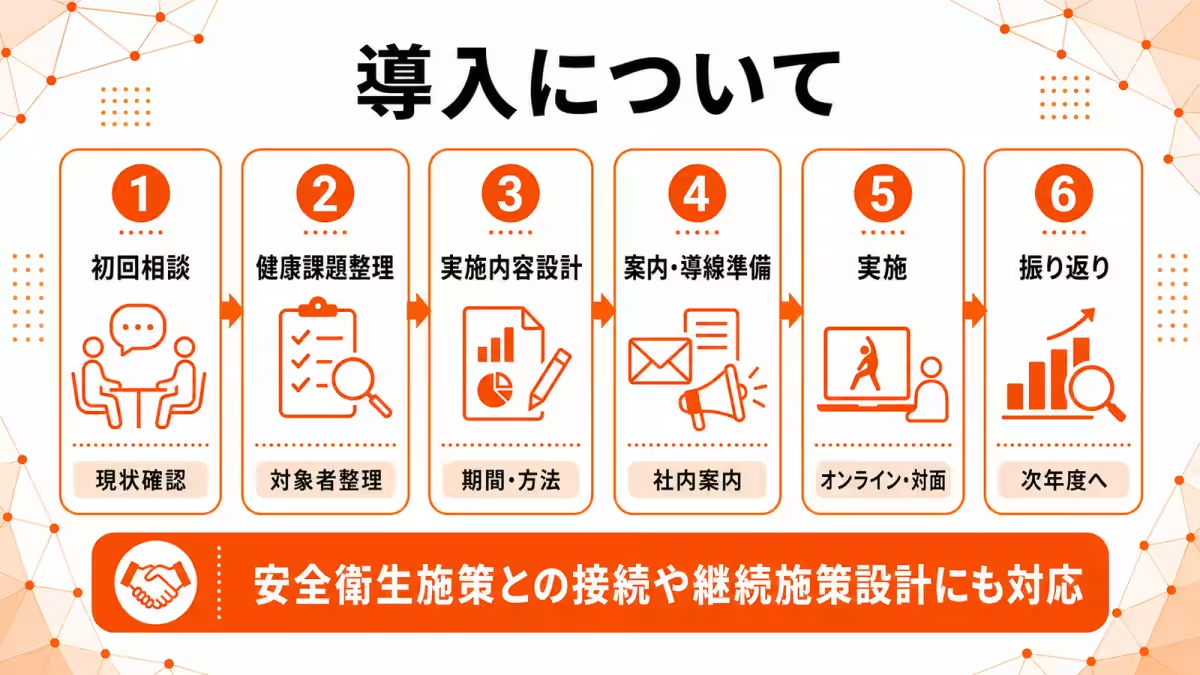
In terms of implementation, Fractal Workout will work alongside companies to identify the necessary scope of support based on existing programs, occupational health frameworks, target groups, budgets, and timelines. The process typically involves:
- - Initial consultation
- - Identification of health challenges and target demographics
- - Design of the implementation content, duration, and methods
- - Preparation of internal communication and participation strategies
- - Execution through either online or face-to-face modes
- - Post-implementation reflection
In summary, Fractal Workout is ready to partner with organizations seeking to strengthen health management strategies for older employees, providing exercise programs tailored to workplace-specific challenges and seamlessly integrating them into existing health initiatives.
Topics Health)

【About Using Articles】
You can freely use the title and article content by linking to the page where the article is posted.
※ Images cannot be used.
【About Links】
Links are free to use.