



The Rising Popularity of Frozen Foods: Smart Choices Amid Inflation
The Rising Popularity of Frozen Foods: Smart Choices Amid Inflation
As inflation continues to impact the cost of living, consumers are increasingly turning to frozen foods as their top choice for grocery purchases. A recent survey conducted by the Japan Frozen Food Association has revealed that frozen foods are not only being used more frequently but are also perceived as a rational and wise choice. The association surveyed 1,500 adults aged 20 and above who use frozen foods at least once a month, shedding light on their usage patterns and attitudes towards this convenient food option.
Increasing Usage of Frozen Foods
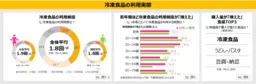
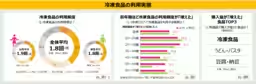
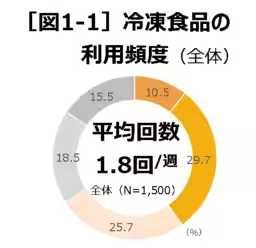
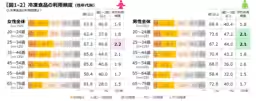
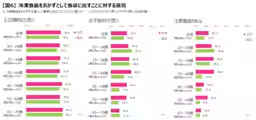
The survey uncovered that the average usage frequency of frozen foods stands at 1.8 times per week, with a notable preference observed among women who utilize them approximately 1.9 times weekly. The findings indicate that more than 60% of both genders use frozen foods at least once a week, showcasing the growing reliance on these convenient products. Interestingly, younger demographics are particularly inclined towards the frozen food trend, with 63.5% of women and 68.4% of men using them weekly.
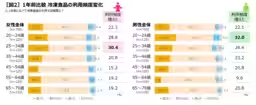
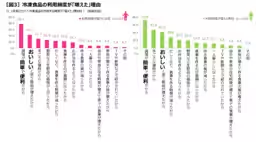
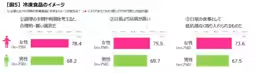
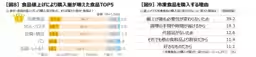
Moreover, 22% of respondents reported an increase in their usage of frozen foods over the past year, highlighting a broader shift in eating habits, especially among younger adults aged 20 to 34. The primary reasons for this shift revolve around convenience and the taste appeal of frozen offerings, with 78.4% of women and 73.5% of men attributing their increased consumption to the simplicity and ease of preparation that frozen foods provide.
The Taste Factor
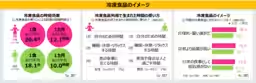
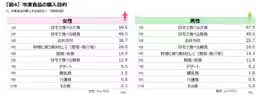
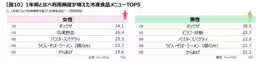
Many consumers have begun to recognize the delightful tastes of frozen meals. Survey data revealed that around 43.7% of women and 41.6% of men believe that the variety of delicious frozen food products has expanded. When it comes to the types of meals purchased, both genders primarily buy frozen foods for dinner, lunch, or meal prep for work, indicating their dual purpose as a quick solution for everyday meals.
A Rational and Smart Choice
Respondents were asked about their perceptions of frozen foods, and a significant majority expressed that frozen foods provide a rational and smart choice given the time savings they offer. The survey showed that approximately 78.4% of women and 75.6% of men see frozen foods as a beneficial option considering the preparation time required. Essentially, frozen foods are being recognized as a quality choice that fits seamlessly into daily meal routines.
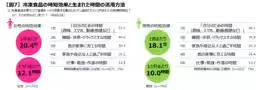
Among the women surveyed, nearly 70% reported gaining an average of 20 minutes per meal, translating to approximately 12 hours of time saved per month, while men registered similar time-saving benefits. This newfound time allows consumers to engage in personal pursuits or spend time with family, emphasizing the role of frozen foods in enhancing the quality of life amidst busy schedules.
Transparency and Awareness of Quality
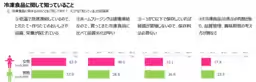
The survey also focused on consumer awareness regarding the quality of frozen foods, noting that a significant percentage of respondents understand that freezing preserves the taste and nutritional value of products effectively. 62.9% of women and 57.9% of men acknowledged that frozen foods maintain the quality of fresh products. However, awareness of specific quality indicators, such as the distinct differences in storage techniques between commercial and home freezing, remains relatively low, indicating an area for improvement in consumer education.
Conclusion
In conclusion, the shift toward frozen foods amid economic challenges signifies a growing trend of rational consumer behavior that prioritizes efficiency, taste, and quality. As more people recognize the vast array of options and benefits associated with frozen meals, it's clear that these products are not just a convenient choice but a staple in modern culinary habits. This trend is set to continue as frozen foods evolve, meeting the demands of today's consumers while addressing their need for convenience, flavor, and quality.
For further details, please check the official press release.
Topics Consumer Products & Retail)
【About Using Articles】
You can freely use the title and article content by linking to the page where the article is posted.
※ Images cannot be used.
【About Links】
Links are free to use.