



Enhancing Multilingual Support in Hospitality: Collaboration of Mieru Tsuyaku and Pocketalk X
Introduction
As Japan witnesses an increasing influx of international visitors, the demand for effective multilingual communication in the hospitality sector has become critical. The collaboration between Mieru Tsuyaku, developed by Terilogy Service Ware (TSW), and Pocketalk X, an AI translation device, aims to address the language barriers faced by hotels and restaurants in Japan. This partnership seeks to enhance the quality of customer service by leveraging advanced technology and human expertise.
The Rise of Multilingual Visitors to Japan
According to the Japan National Tourism Organization (JNTO), even with a slight decrease in overall visitor numbers in May, Japan has seen record-breaking arrivals from countries like South Korea, Taiwan, the USA, and Malaysia. This growing diversity among visitors has increased the challenges for hospitality staff, who must now provide services in multiple languages. Essential interactions like booking confirmations, food orders, and handling customer inquiries require both efficiency and empathy in communication.
Addressing Language Challenges in Hospitality
Currently, many hospitality providers face significant hurdles in offering consistent service quality due to language proficiency disparities among staff. Moreover, the high costs associated with implementing multilingual tools can deter businesses from adopting these solutions. TSW’s Mieru Tsuyaku service presents an innovative approach by connecting customers with multilingual interpreters through a user-friendly platform, allowing for real-time communication.
Mieru Tsuyaku: A Real-World Solution
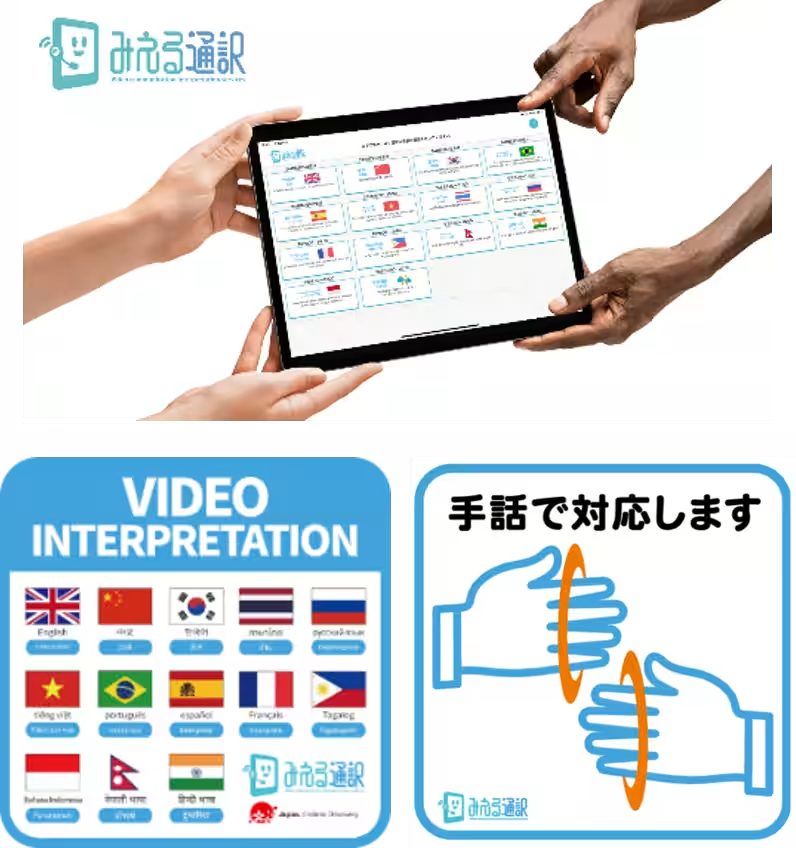
Mieru Tsuyaku, a leading video interpretation service, facilitates smooth conversations between staff and customers who speak various languages, including French, Thai, Hindi, and more. This service is available 24/7, ensuring that language support is always accessible. With around 40,000 contracts in place—making it a market leader—Mieru Tsuyaku has successfully integrated its services at notable establishments like the Shinagawa Prince Hotel and Mitsui Garden Hotel.
Pocketalk X: The AI Advantage
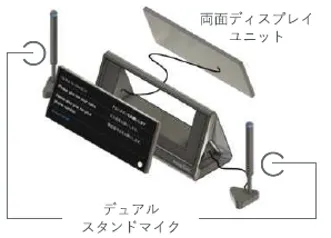
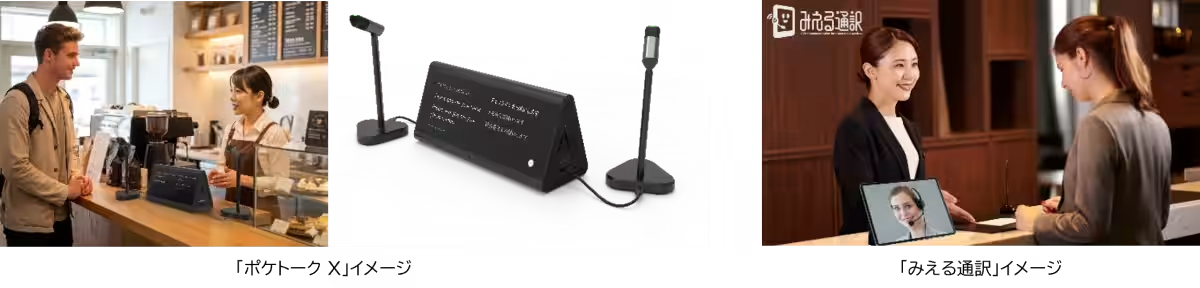
The upcoming Pocketalk X is designed specifically for fast-paced environments such as hotels and restaurants. Leveraging advanced dual microphones, it minimizes background noise, thereby enhancing the quality of translated conversations. The intuitive AI technology guarantees accurate transcriptions, even distinguishing between homophones. Pocketalk X's privacy features ensure that sensitive conversations remain secure, allowing it to be used confidently in public spaces.
Demonstrating Collaborative Innovations
As part of their collaboration, TSW and Pocketalk will showcase their combined offerings at the '18th Hotel & Restaurant Show & FOODEX JAPAN in Kansai 2026.' From July 22 to 24, attendees will have the opportunity to experience live demonstrations of Mieru Tsuyaku and Pocketalk X, highlighting their capabilities in improving multilingual communication.
This exhibition is set against the backdrop of pressing industry challenges such as labor shortages and the growing demand for AI-driven solutions, making the focus on multilingual support particularly relevant.
Future Prospects for Multilingual Solutions
The collaboration is not merely about showcasing technology but advancing an entire sector. TSW envisions a hospitality industry where any staff member, irrespective of their language skills, can provide exceptional service to international guests. The partnership between Mieru Tsuyaku and Pocketalk is a step towards achieving this goal.
By investing in multilingual solutions, businesses can not only enhance customer experience but also tap into the growing potential of the tourism market in Japan. As discussed, Mieru Tsuyaku and Pocketalk X together represent an innovative answer to the challenges faced in the hospitality industry, paving the way for a more inclusive and supportive visitor experience.
Conclusion
In conclusion, the collaboration between Mieru Tsuyaku and Pocketalk X exemplifies a progressive approach to addressing the needs of a diverse customer base in Japan's hospitality sector. As the industry prepares for an influx of international travelers, integrating technology and expert human communication will be key to enhancing service quality and ensuring guest satisfaction.
Topics Consumer Products & Retail)
【About Using Articles】
You can freely use the title and article content by linking to the page where the article is posted.
※ Images cannot be used.
【About Links】
Links are free to use.