




The Rise of AI in Search: Generational Insights and Usage Trends
The Rise of AI in Search: Generational Insights and Usage Trends
Recent findings from a study by PRIZMA highlight the increasing adoption of AI in search functionalities, particularly among younger generations. This research indicates that many individuals aged 20 to 30 regard AI as a dependable source in the search domain, even surpassing traditional search methods. Overall, the survey shows that approximately half of all respondents now utilize AI as an alternative search tool, with the education around this technology continuing to evolve.
Survey Insights on AI Usage
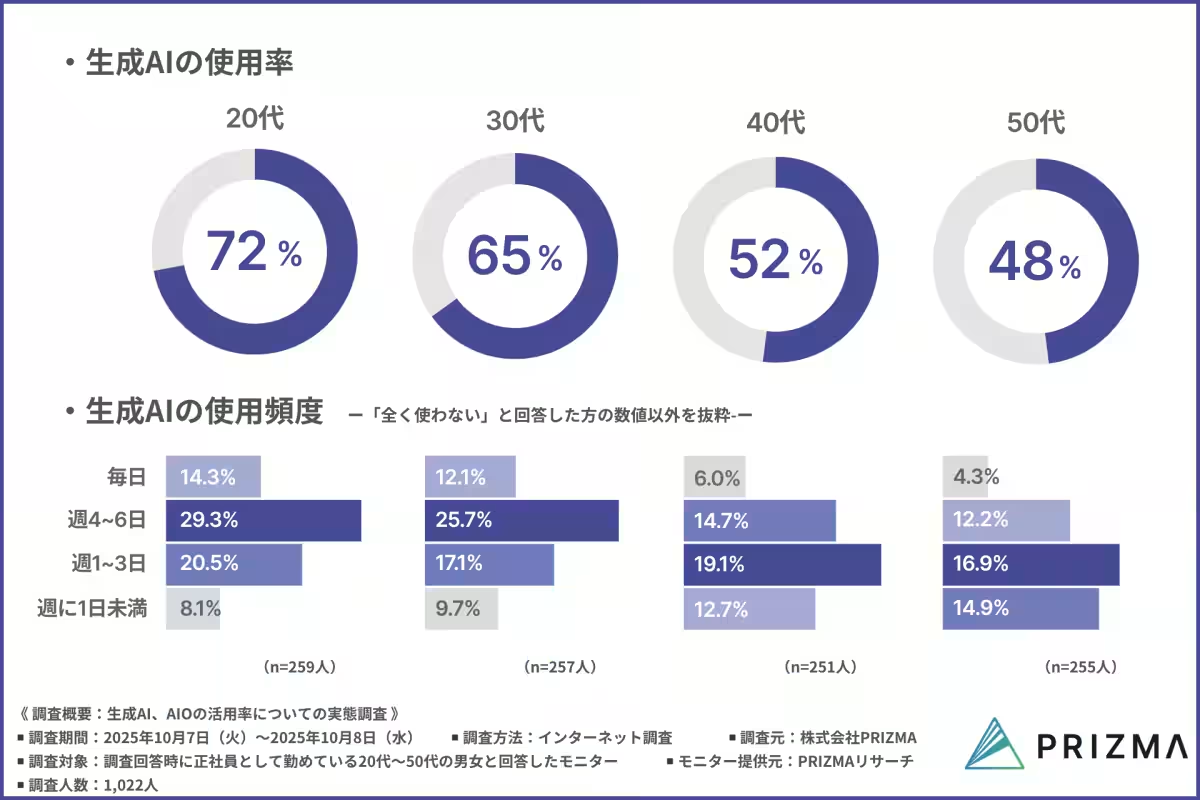
The survey targeted employees ranging from their 20s to 50s, revealing a distinct generational trend in using generative AI. Here are the highlighted statistics:
- - Usage Rate:
- 30s: 65%
- 40s: 52%
- 50s: 48%
Younger individuals are found to be the most frequent users, with many logging in over four days a week. This trend is perceptibly declining among older generations, where usage often occurs once or twice a week.
This data suggests a growing familiarity with AI tools among mid-life individuals as well, despite their lower usage rates compared to younger demographics. The difference in proficiency can often be attributed to varying levels of digital literacy and the nature of their work tasks.
Depth of AI Utilization
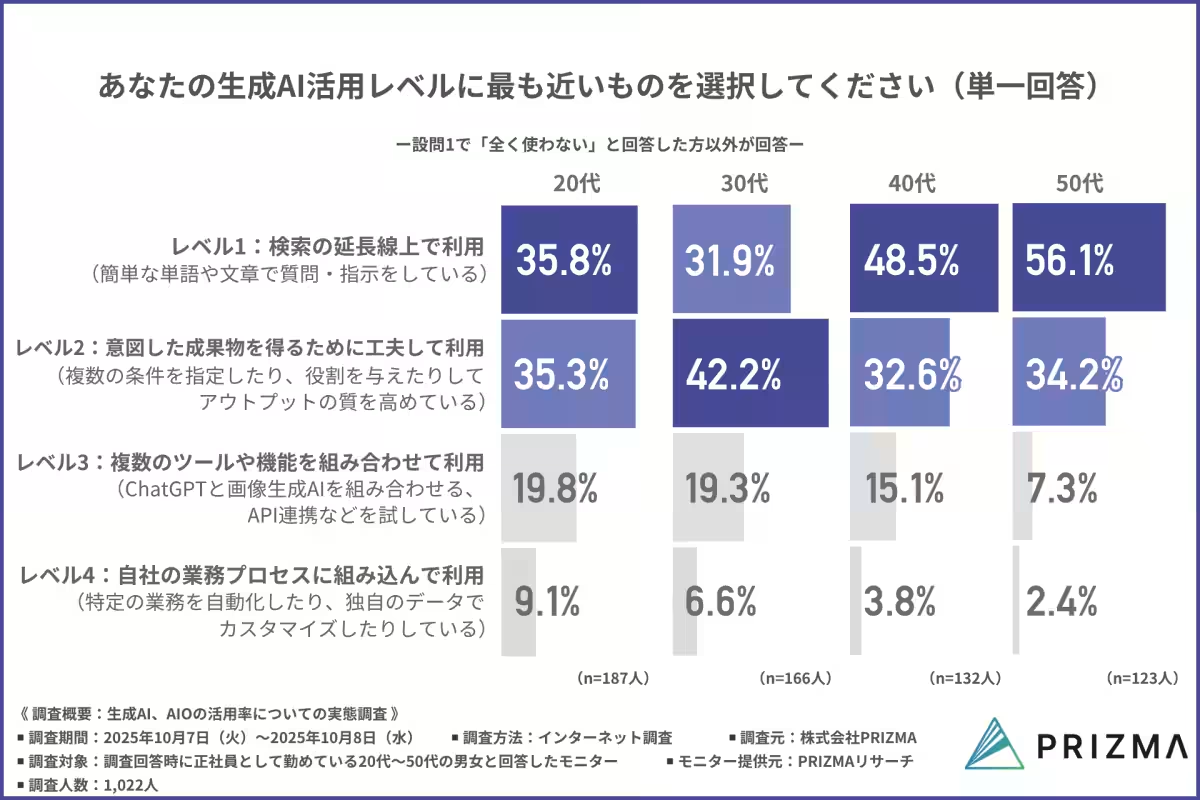
The study also examined how generational differences affect the depth of AI usage. It was found that many participants primarily use AI for basic tasks, such as searching for general information online (Level 1). In contrast, 40% of those in their 30s engage with AI tools at a higher level (Level 2), utilizing them creatively to produce intended outcomes.
As AI integration matures, respondents also indicated some advanced applications (Level 3 and 4) among users across younger generations, demonstrating a commitment to more intricate AI tasks.
Common AI Applications
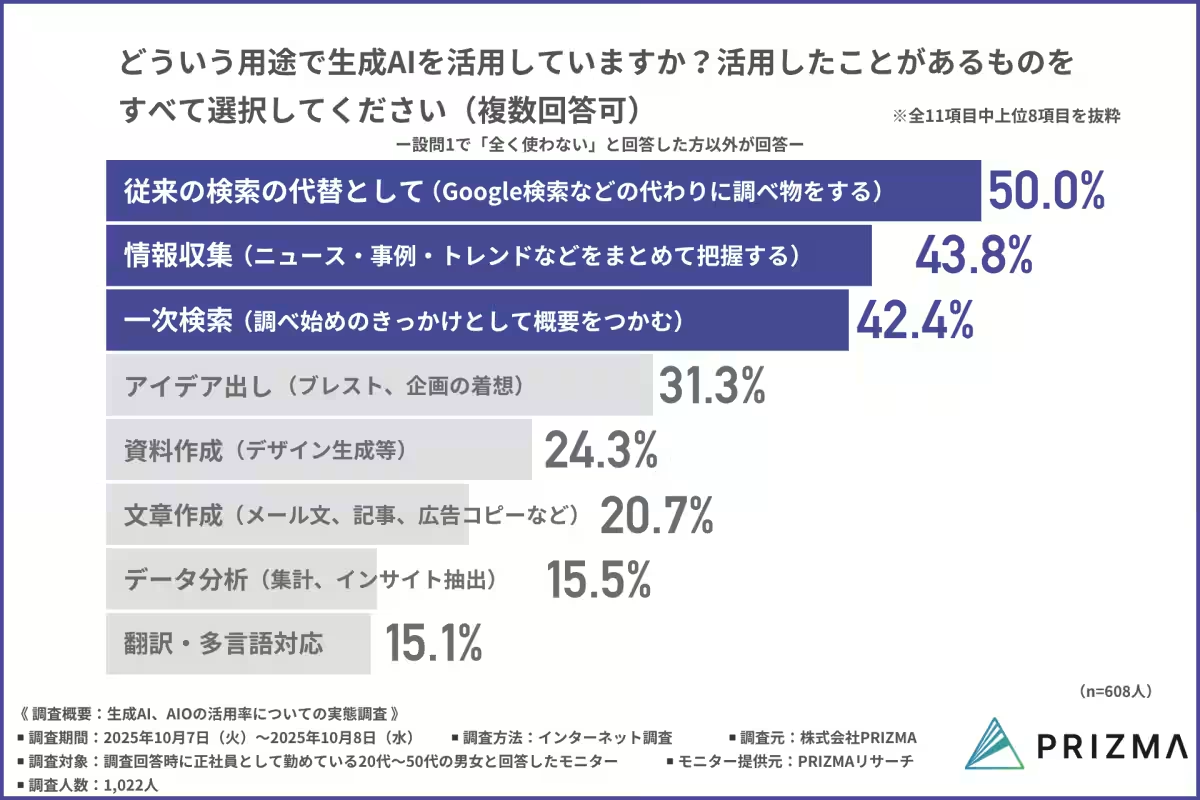
When exploring the various purposes of AI, differences across age groups were minimal. The most commonly reported use for generative AI was as a substitute for traditional search engines, specifically for conducting searches traditionally handled by tools like Google. Other uses included:
- - Information Gathering: Compiling news, trends, and insights.
- - Initial Searches: Gaining a foundational understanding of topics.
Despite a minority utilizing AI for generating documents (24.3%) or crafting texts (20.7%), the predominant function of AI remains in aiding research.
Emergence of AI Overviews
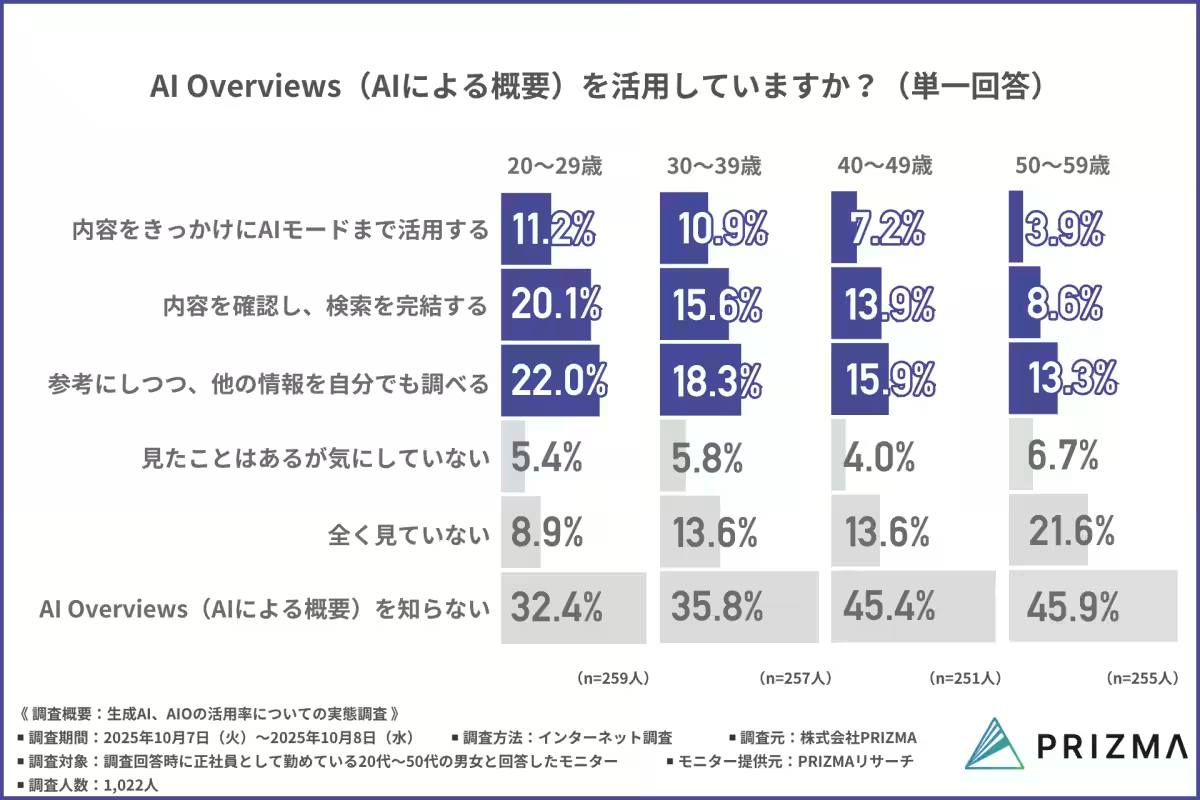
The integration of AI Overviews, introduced by Google, reveals similar patterns of generational engagement. Young adults are notably more engaged with this feature compared to their older counterparts. The results show that over half of younger users utilize AI Overviews effectively, completing their searches without the need for traditional search results.
Moreover, the increasing reliance on AI for informational needs has not only redefined search behaviors but also led to practical applications like enhancing professional outputs and customer engagements. Examples of practical uses include:
- - Deepening inquiries based on AI results.
- - Utilizing AI for crafting proposals or presentations.
Trust in AI Search
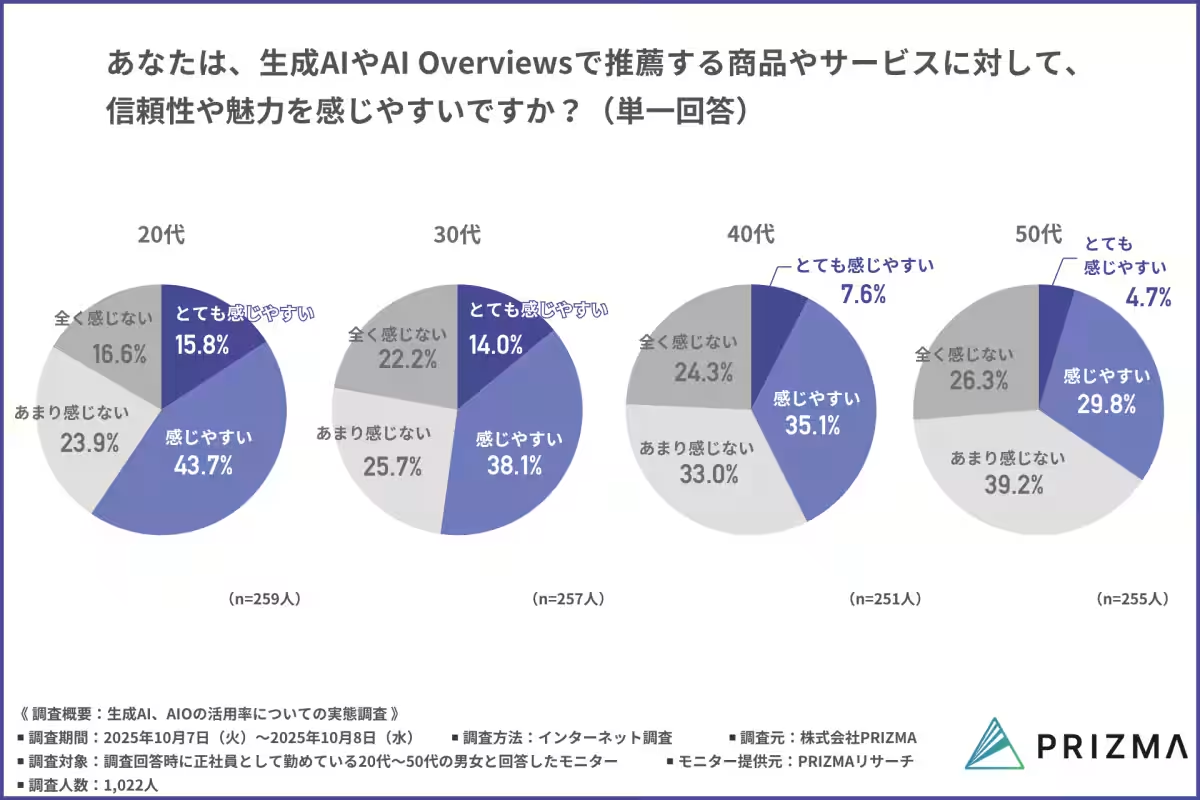
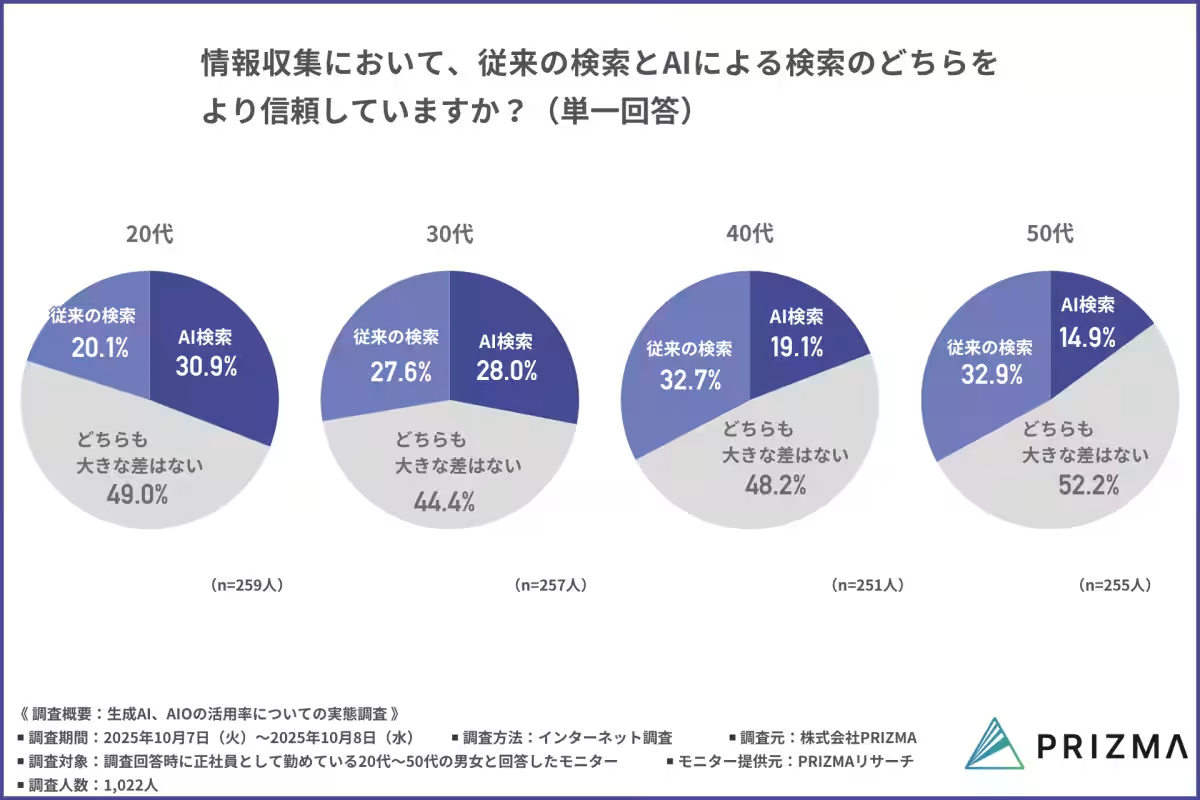
Trust in AI as a reliable source of information is evident across generations, with younger users expressing a greater tendency to view AI-generated data as trustworthy. In particular, survey data indicated that those in their 20s and 30s show a slight preference for AI search over conventional methods. Approximately 80% of the 20s age group maintain equality in their trust levels between AI and traditional searches.
As this generational divide shifts, content generated through AI may soon reshape how businesses and media approach SEO and content creation methods, establishing AI-based strategies as essential parts of modern marketing.
Conclusion
In conclusion, the research illustrates that the landscape of information retrieval is undergoing a significant transformation with the advent of generative AI technologies. Younger populations lead this shift, embracing search methods that incorporate AI as a central tool.
Looking ahead, as AI technology continues to advance in accuracy and reliability, adopting AI as a core component in information gathering is likely to become a normalized practice. This pivot towards AI necessitates a reevaluation of how businesses position their content for improved visibility and integration in AI frameworks. Addressing user paths and behaviors will be pivotal in successfully harnessing the potential of AI in the evolving information environment.


Topics Consumer Technology)
【About Using Articles】
You can freely use the title and article content by linking to the page where the article is posted.
※ Images cannot be used.
【About Links】
Links are free to use.