



Examining Investment Trends Among IT Engineers and Non-Engineers in 2025
Understanding the Investment Patterns of IT Engineers
A detailed comparison study has emerged, examining the investment behaviors of IT engineers versus their non-engineer counterparts. Conducted by Kikkake Creation Co., Ltd., this research involved 400 individuals—200 IT engineers and 200 non-engineers—each actively investing in individual stocks. The primary focus was on understanding differences in investment styles, motivations, and preferred assets.
Survey Overview
The survey titled "Comparison of Financial Investments Among Engineers and Non-Engineers" was carried out using IDEATECH's Research Marketing tool, RisaPee®︎, during the period from August 29 to August 29, 2025. The participants, with an average age of 34.9 for engineers and 37.9 for non-engineers, provided insights into their investment strategies and motivations.
Key Findings
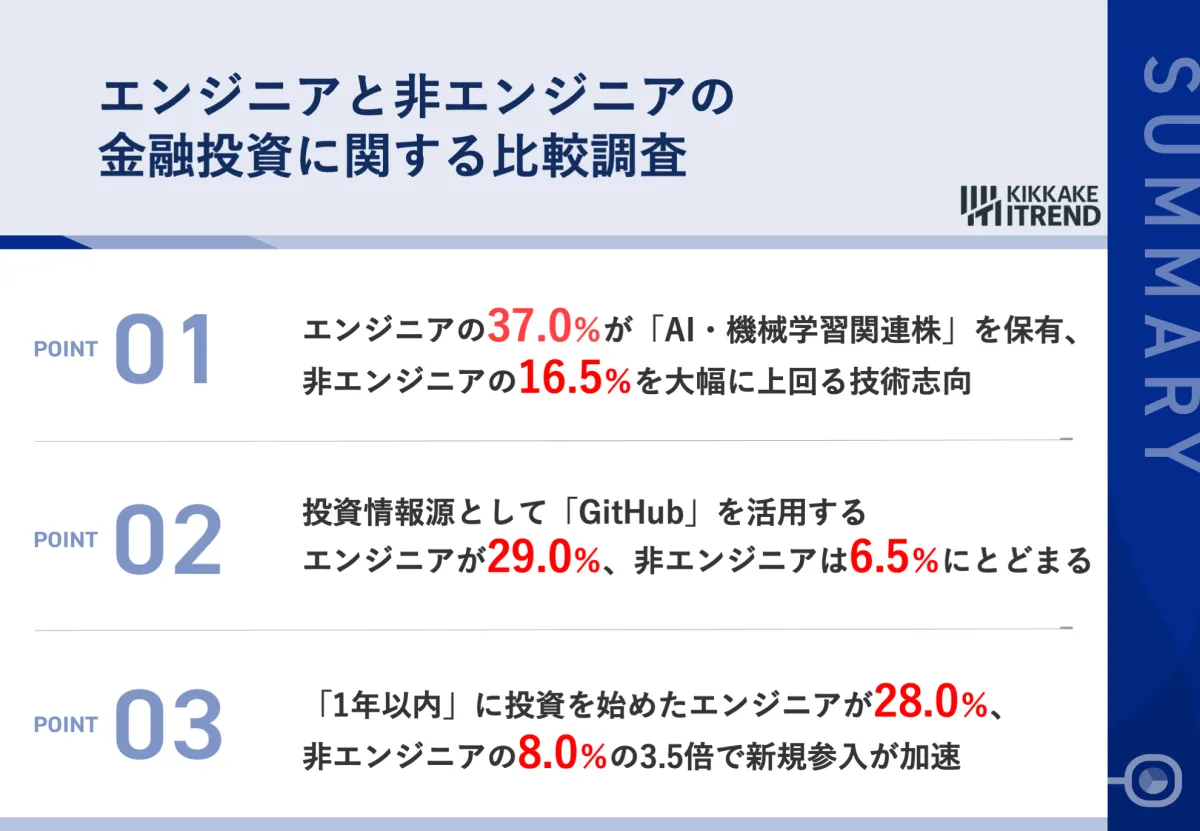
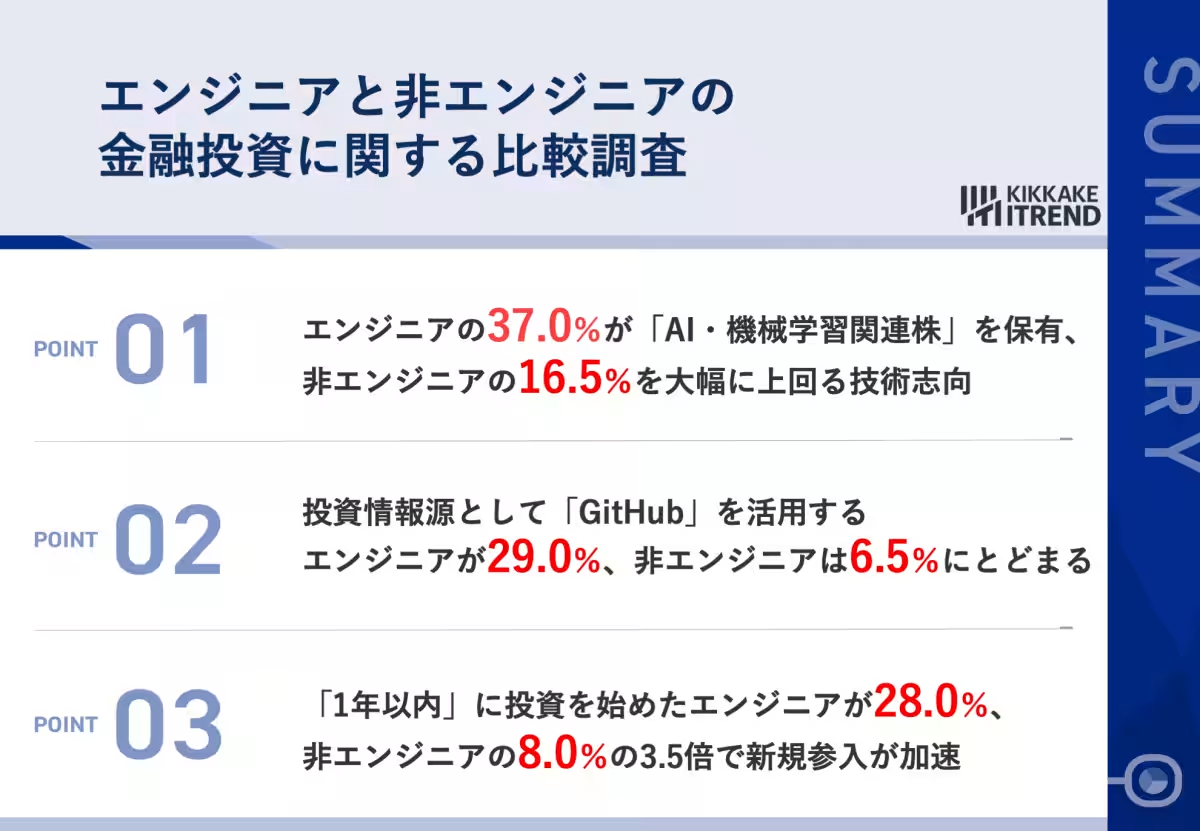
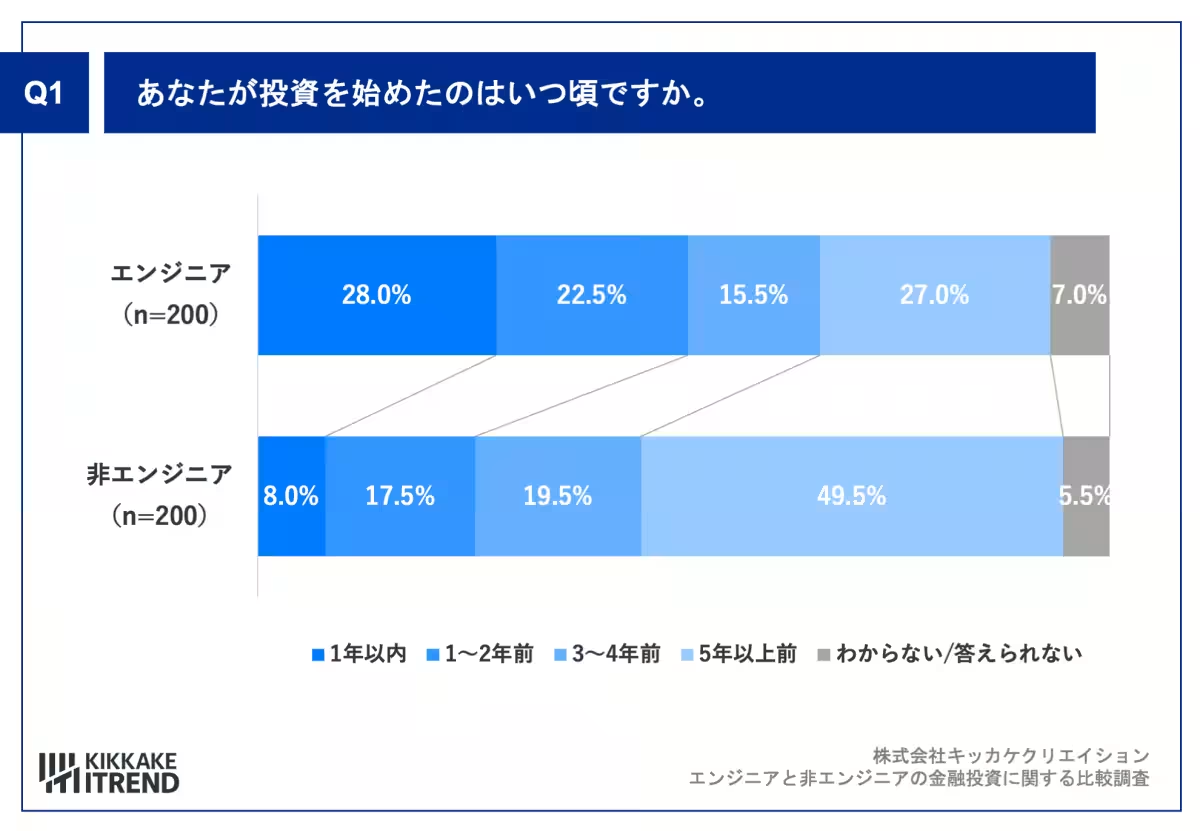
1. Investment Initiation: A striking 28% of engineers began investing within the last year, which is a significant increase of 20% compared to non-engineers. Conversely, nearly 50% of non-engineers have been investing for over five years, indicating a preference for entrenched and long-term strategies compared to the more recent entry of many engineers into the investment arena.
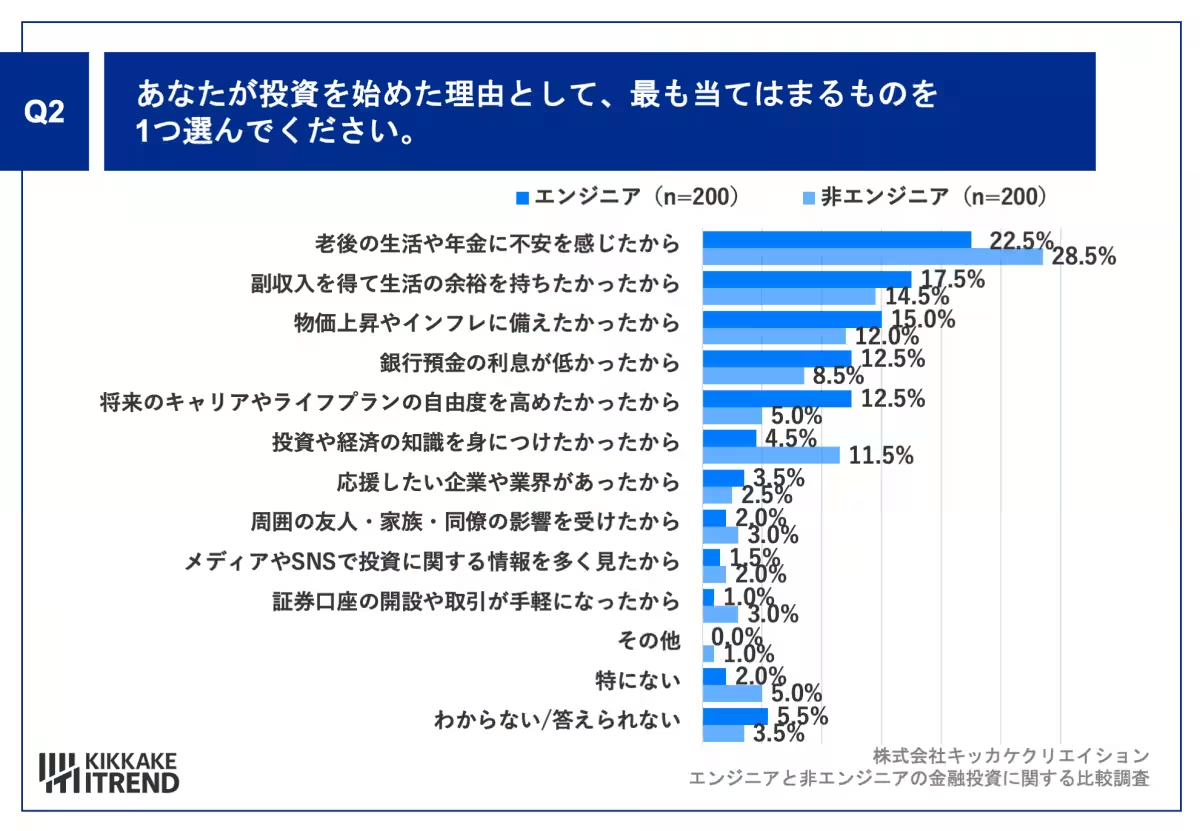
2. Reasons for Investing: Both groups cited concerns about retirement and pension adequacy as their prime motivator for investing, with 22.5% of engineers and 28.5% of non-engineers agreeing.
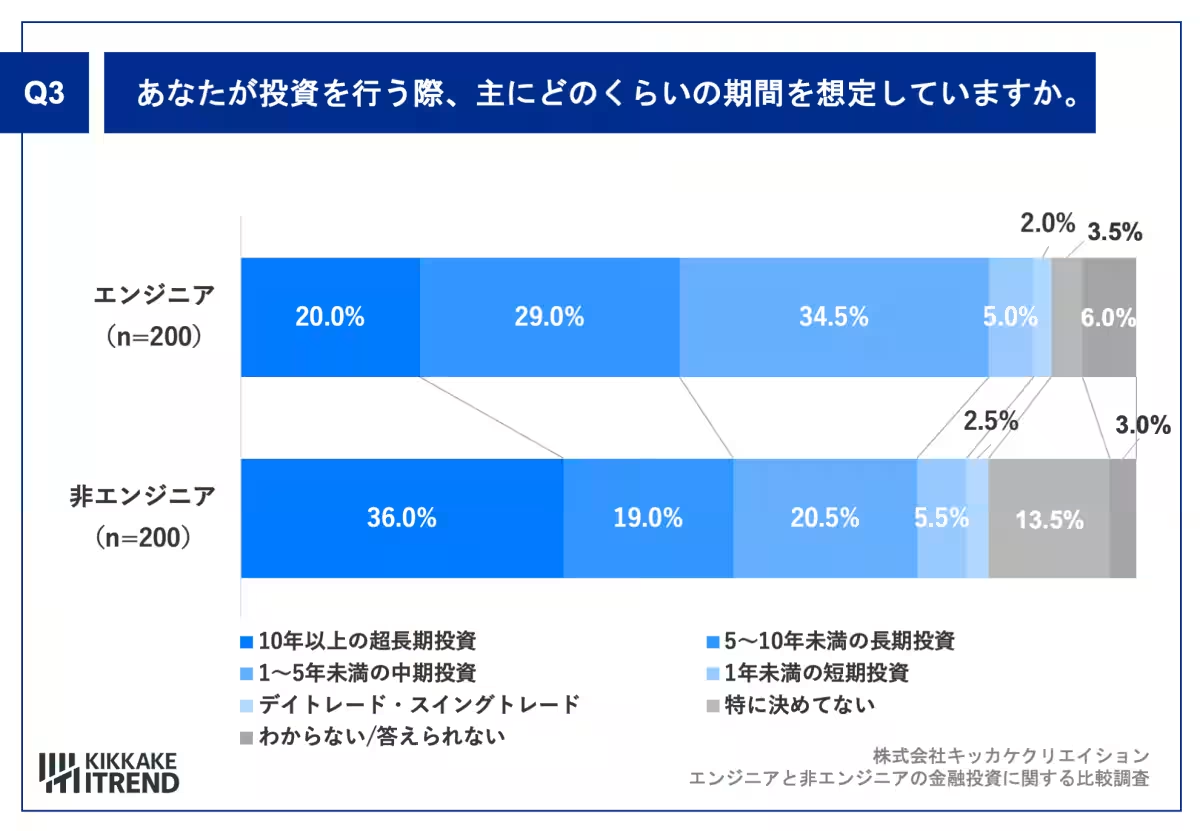
3. Investment Duration: When asked about their expected investment horizon, engineers favored medium-term investments (1-5 years) at 34.5%, while non-engineers leaned towards long-term investments (over ten years) at 36%. This difference highlights engineers’ appetite for more immediate results versus non-engineers’ patience and long-term planning.
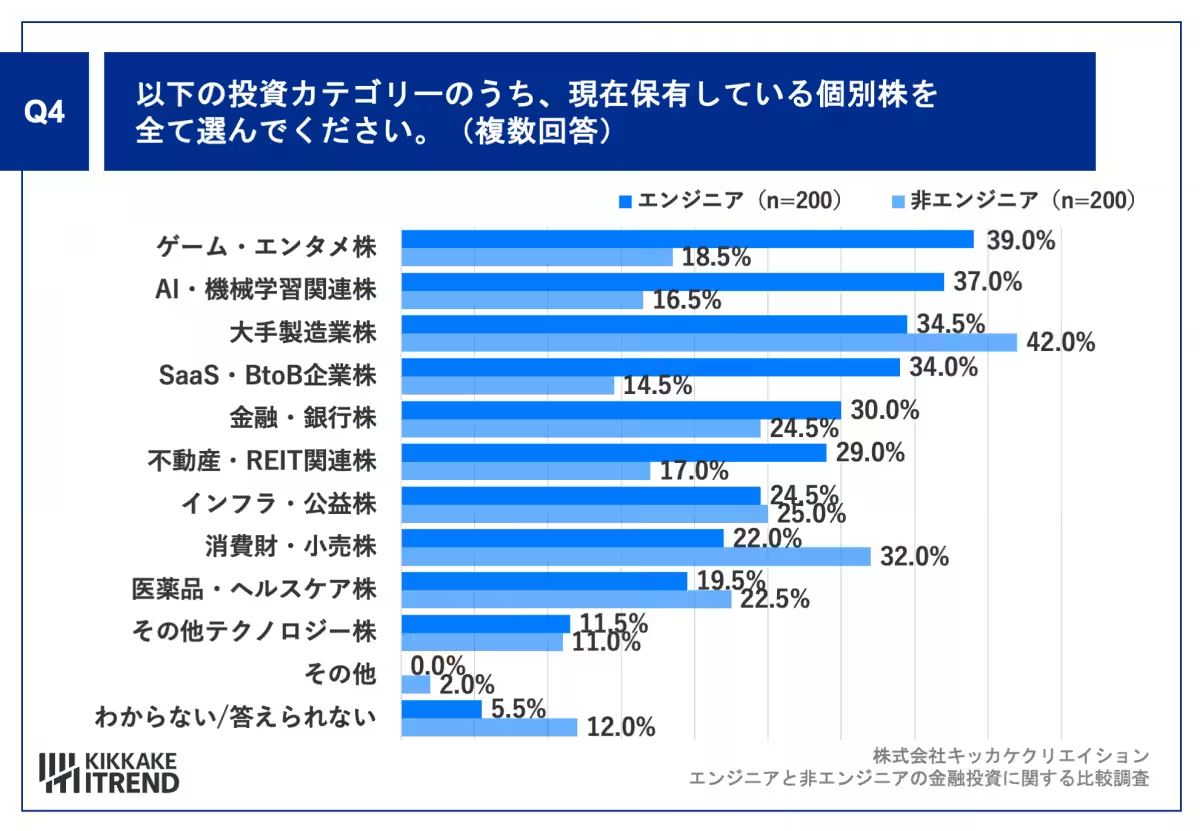
4. Stock Holdings: Significantly, 37.0% of engineers reported holding AI and machine learning-related stocks, which is a notable 20.5% more than their non-engineer counterparts. This suggests that their professional background gives them a substantial advantage in selecting tech-related investments.
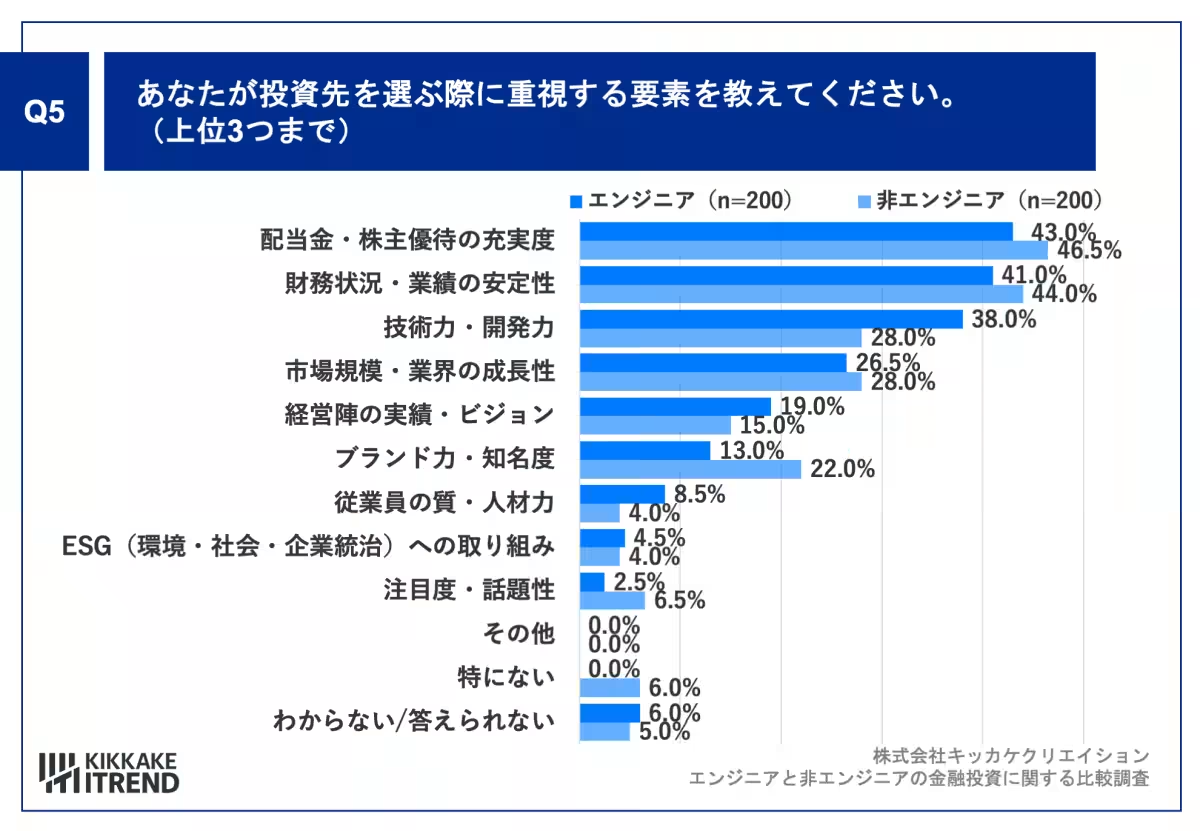
5. Investment Selection Criteria: Both engineers (43%) and non-engineers (46.5%) considered dividends and shareholder benefits as crucial factors while selecting investment opportunities. However, engineers showed a tendency to prioritize technical capability and development progress, while non-engineers focused more on brand reputation and company stability.
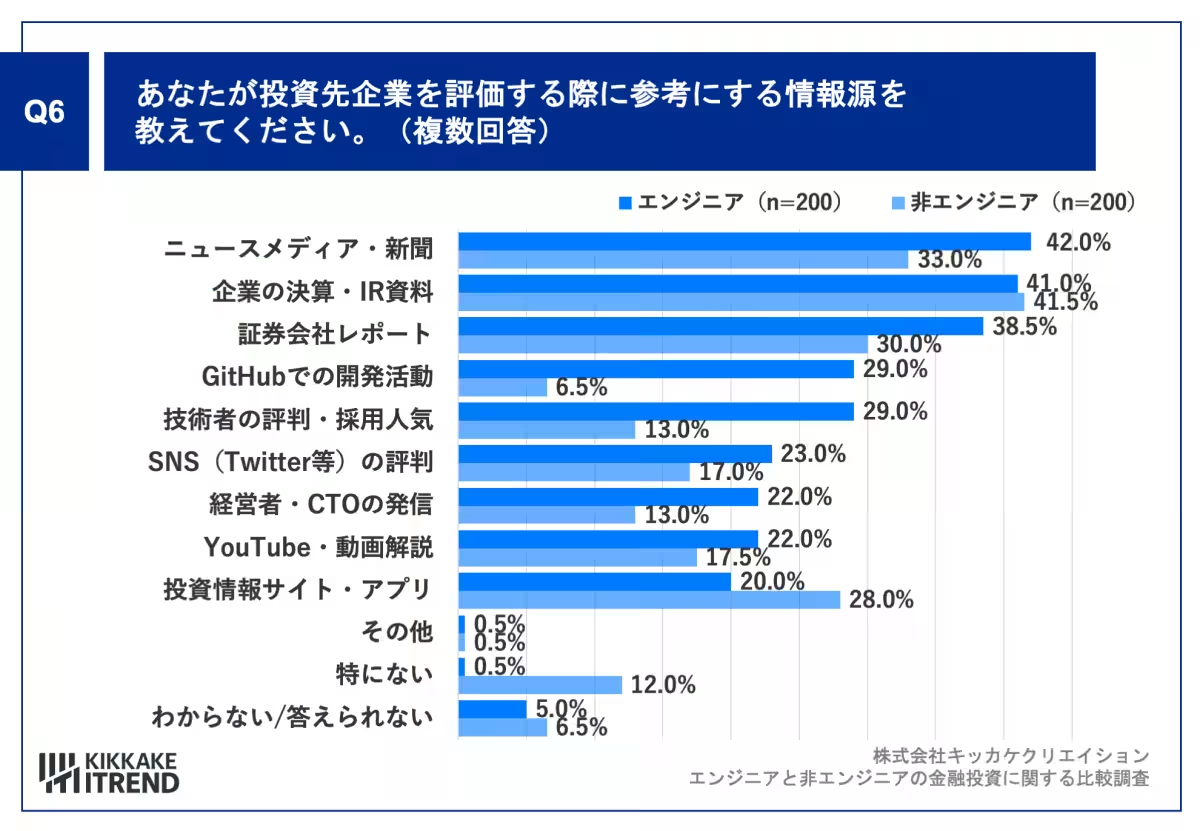
6. Sources of Information: While both groups relied heavily on corporate financial reports and investor relations materials, engineers demonstrated a greater inclination to consult technical resources, such as GitHub, indicating a strategic edge acquired from their professional expertise.
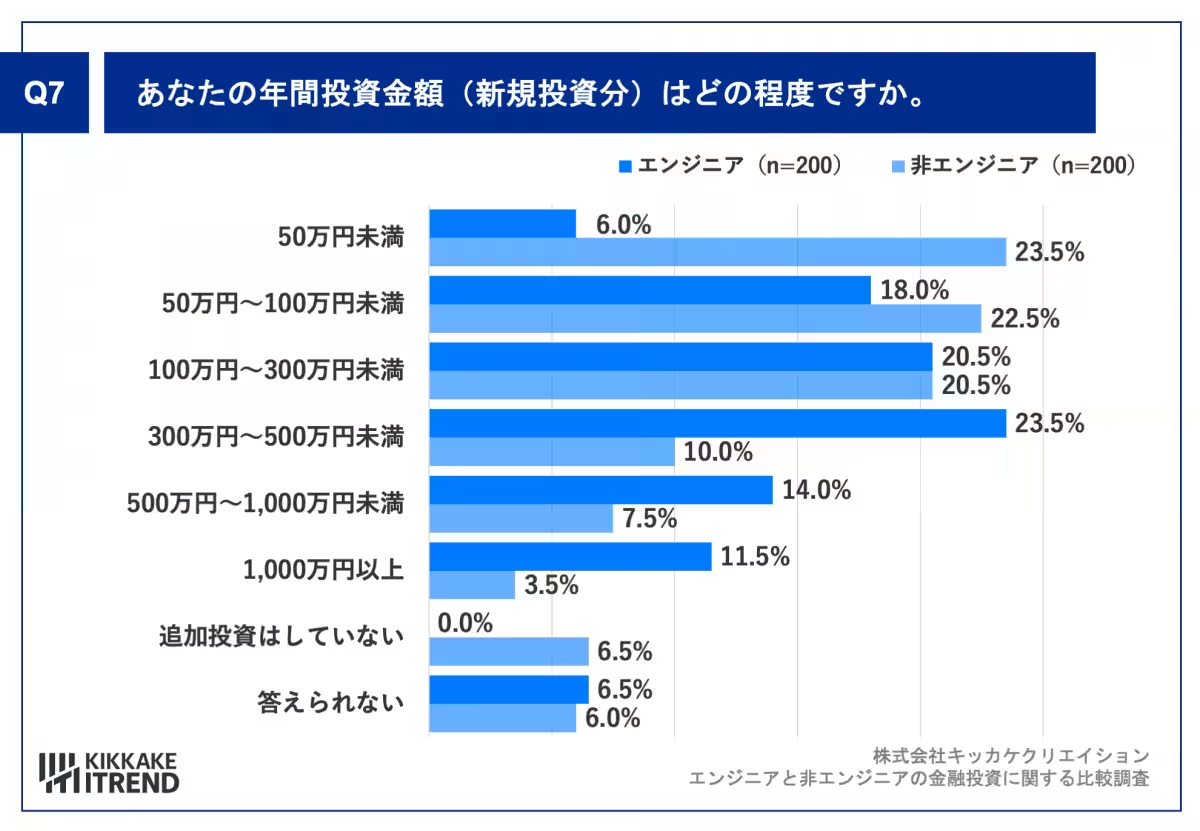
7. Annual Investment Amounts: The average amount invested annually varied, with 23.5% of engineers investing between $300,000 and $500,000, while the same percentage of non-engineers invested less than $50,000, highlighting a disparity in investment capacity.
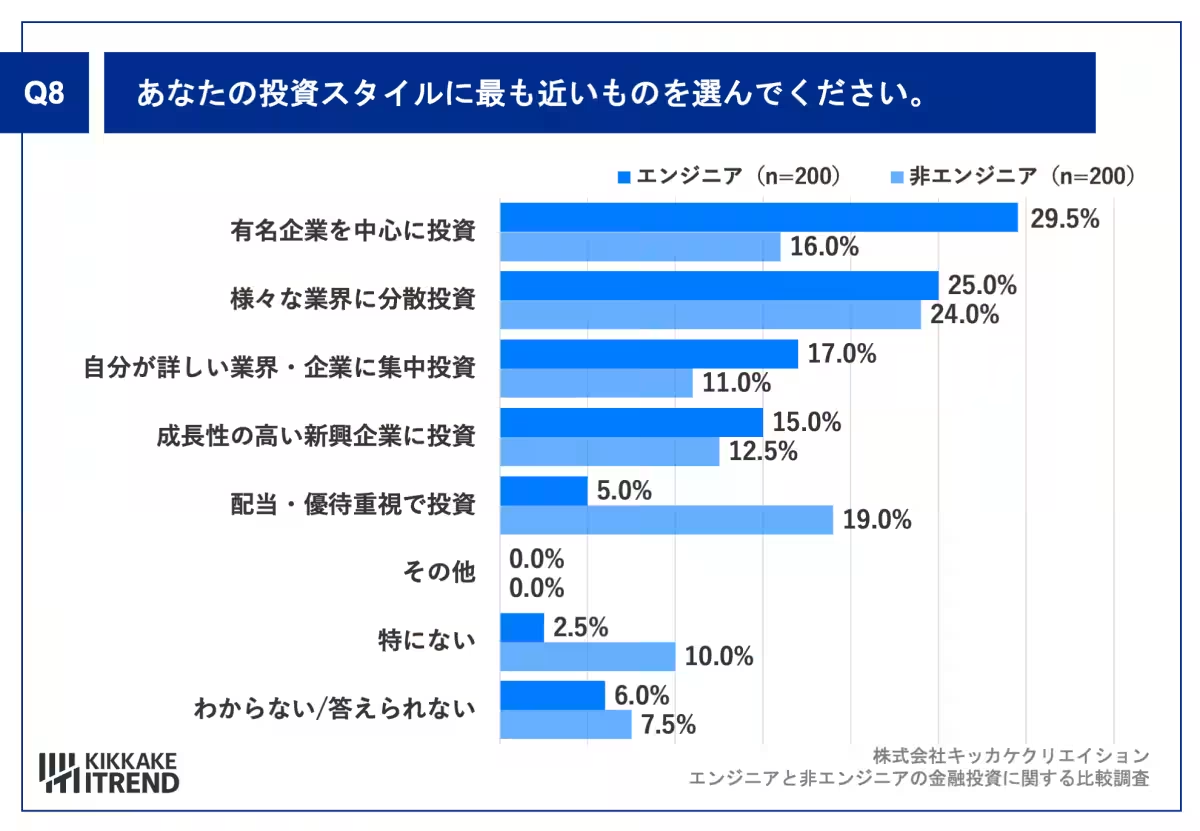
8. Investment Styles: The survey revealed that only 29.5% of engineers focused on well-known companies, contrasting with non-engineers' preference for diversified investments across various sectors, signifying a modest risk-taking attitude among engineers.
Performance Insights
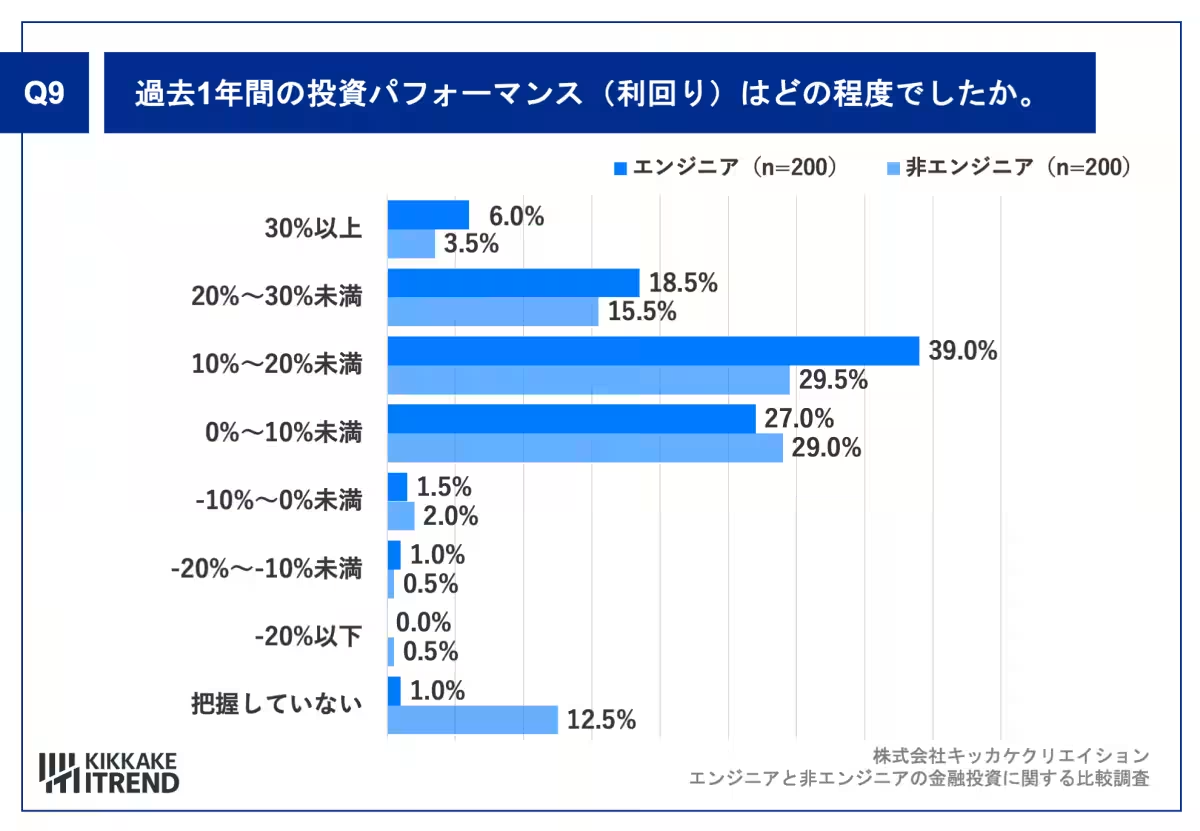
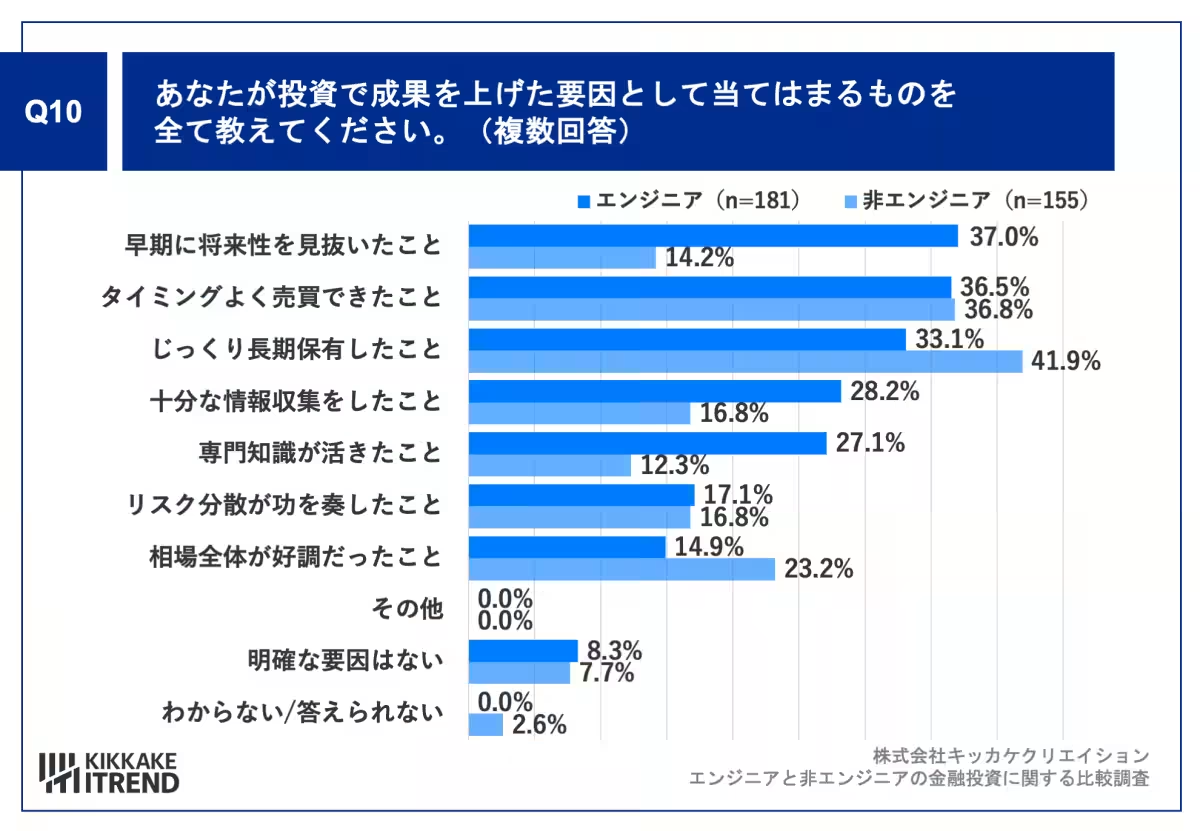
Survey participants also reflected on their investment outcomes over the past year. The data showed that 39.0% of engineers experienced returns of 10% to 20%, while 29.5% of non-engineers reported similar results. Moreover, engineers identified their early recognition of profitable investments as a significant contributor to their success.
Implications for Professional Development
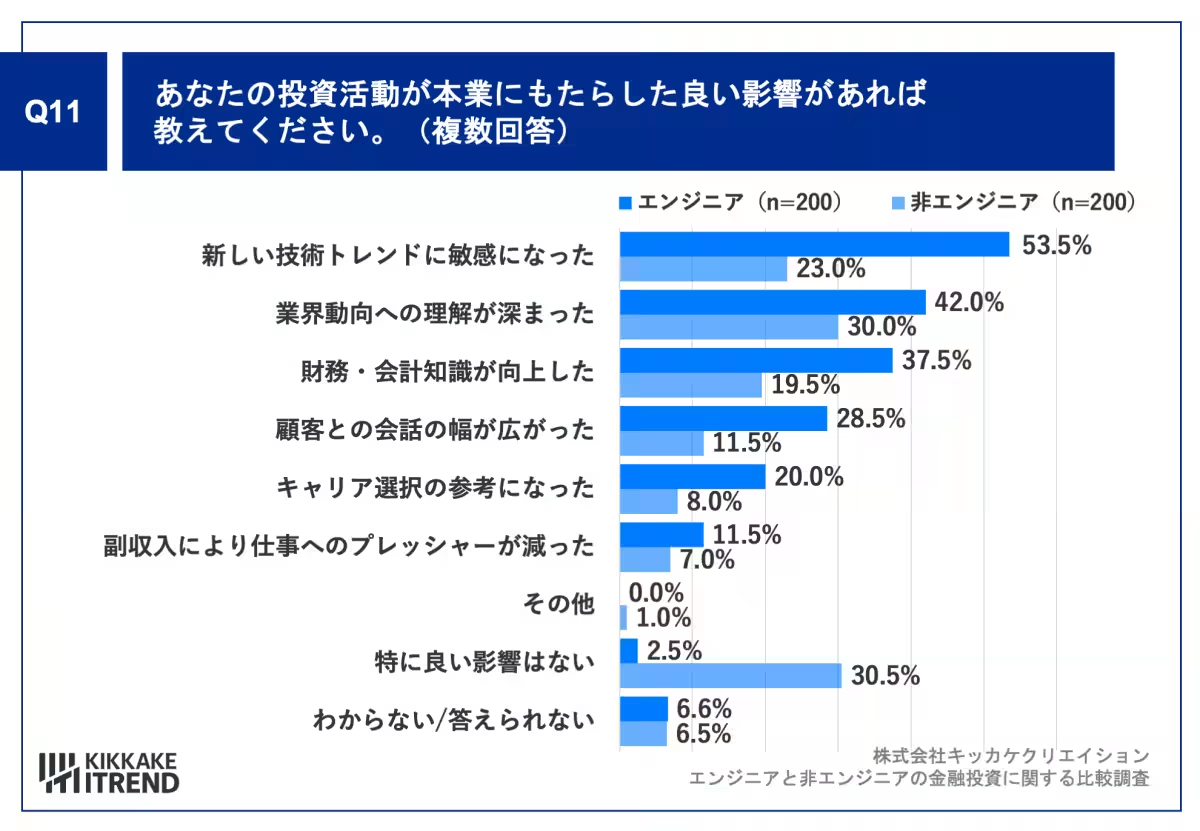
Interestingly, more than half of the engineers reported that their investment activities made them more attuned to emerging tech trends, indicating a productive feedback loop between their investment practices and professional growth. In contrast, non-engineers primarily noted enhanced understanding of industry dynamics.
Conclusion
The study illustrates fundamental differences between engineers and non-engineers regarding investment approaches—particularly in the tech sector. Engineers not only utilize their technical knowledge to influence their investment decisions but also foster a beneficial relationship between investing and their professional skill sets. Amidst changing economic landscapes, the unique position of engineers as informed investors positions them advantageously for future growth.
For more insights into the investment behaviors and trends within the IT sector, be sure to explore the comprehensive findings available on KIKKAKE ITREND.

Topics Financial Services & Investing)
【About Using Articles】
You can freely use the title and article content by linking to the page where the article is posted.
※ Images cannot be used.
【About Links】
Links are free to use.