



Validation of Sensory Experience Questionnaire for Autism Spectrum Disorder in Japan
Introduction
Recent advancements in the field of developmental disorders have shed light on the challenges faced by children who experience sensory processing issues. These challenges, particularly prevalent in Autism Spectrum Disorder (ASD) and Attention Deficit Hyperactivity Disorder (ADHD), often manifest as sensory sensitivities—extreme reactions to stimuli such as bright lights or loud noises—and sensory insensitivities, where children may not respond to pain or injury. Recognizing the significant impact these sensory characteristics have on daily living, a team of researchers from Kyorin University and Kansai Medical University developed a Japanese version of the Sensory Experience Questionnaire (SEQ), previously validated in other countries, and confirmed its effectiveness for assessing sensory profiles in children with developmental disorders in Japan.
Background
Awareness of sensory processing issues has increased, especially relating to ASD, where both sensory hyper-responsiveness and hypo-responsiveness form part of the diagnostic criteria. Reports indicate that individuals with ADHD may experience similar sensory traits. However, until this study, there were few validated tools available in Japan to objectively assess these sensory experiences, especially concerning specific problems that vary from one child to another.
Research Findings
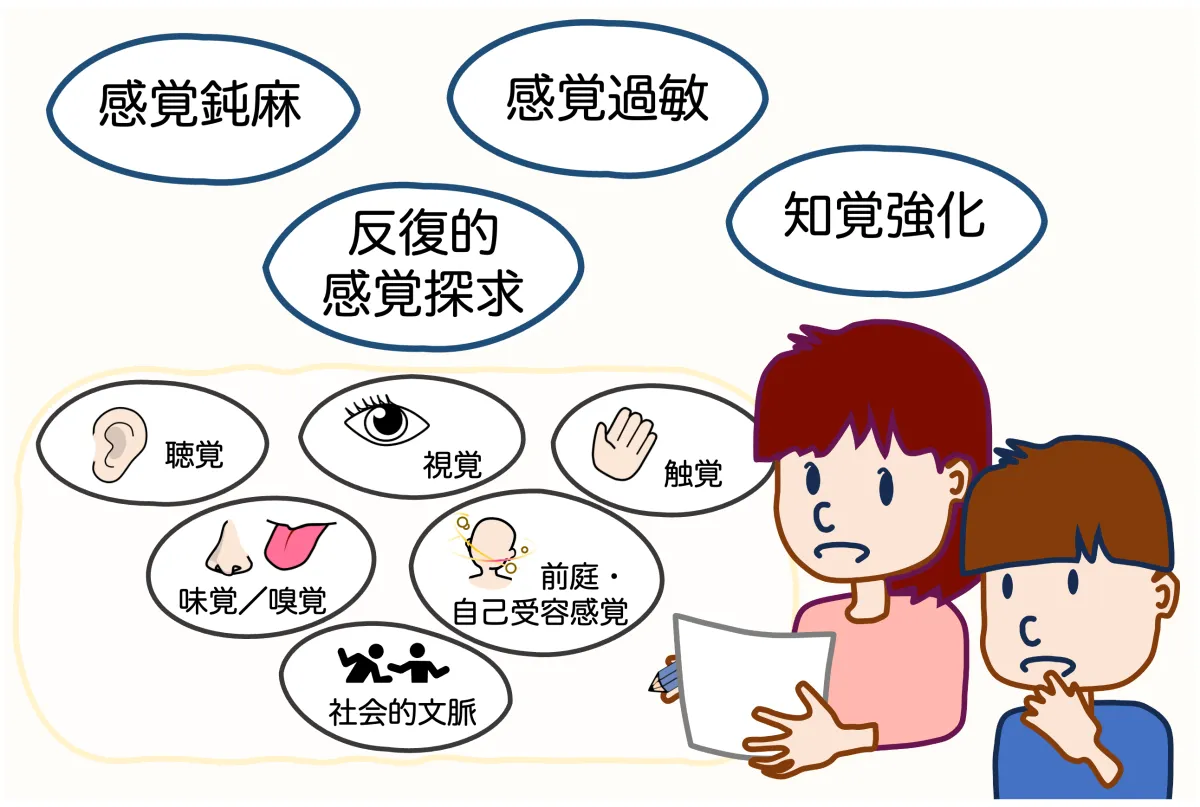
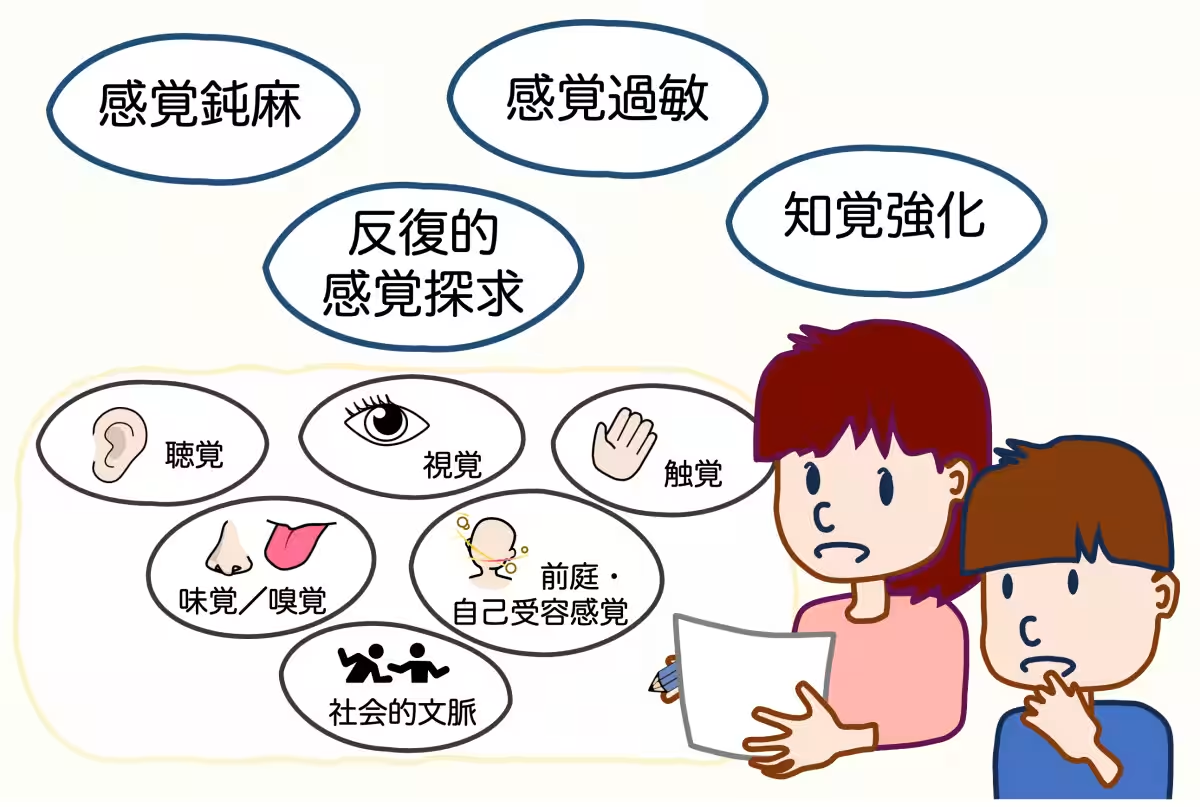
The SEQ consists of a questionnaire answered by parents, targeting children aged 2 to 12 years with ASD or other developmental disorders. It evaluates four core categories: sensory hyper-responsiveness, sensory hypo-responsiveness, repetitive sensory seeking, and perceptual sensitivity. These categories help in better understanding sensory profiles and facilitate a more tailored approach to support and intervention strategies.
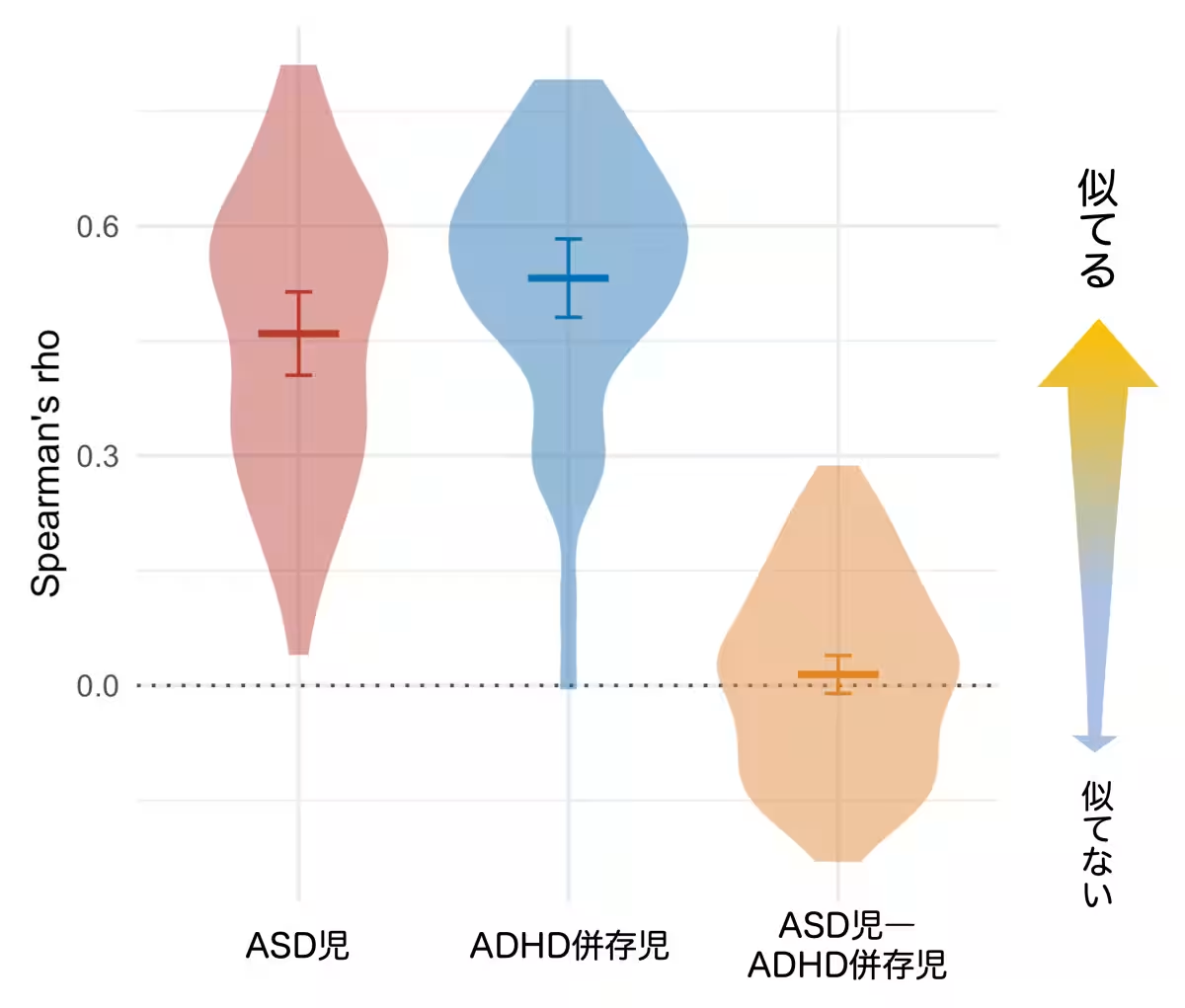
The study involved a comparative analysis of 154 children diagnosed with ASD, along with 156 typically developing children, aged 6 to 12 years. The findings confirmed that the statistical model utilized for scoring was valid for both groups, and provided a standardized measure of sensory experiences in this population. This analysis not only differentiated the typical sensory responses but also identified structural differences between children with ASD and those with co-occurring ADHD.
Subsequent analyses indicated that sensory profiles among children with ASD and those with comorbid ADHD displayed notable structural differences, which calls for a more individualized understanding of their sensory processing challenges. The low similarity in sensory profiles between ASD-only children and those with comorbid ADHD highlights the need for tailored approaches when designing support strategies.
Significance
The validation of the SEQ in Japan represents a significant advancement in the assessment of sensory characteristics in children with developmental disorders. The standardized scoring system can serve as an essential tool for clinicians and researchers, offering insights to support ASD diagnosis and interventions. By focusing on identifying specific sensory processing difficulties, this tool promotes a nuanced understanding that goes beyond mere categorization of sensory issues.
Moreover, the implications of this study extend into practical realms, suggesting that individualized sensory profiles will enhance targeted support for children. Properly addressing sensory challenges could lead to more effective interventions, aiding in overall developmental support through better environmental adjustments and tailored educational strategies.
Future Outlook
While this study lays a foundational understanding of sensory profiles in ASD and ADHD, additional research is required to cover a broader spectrum of developmental disorders. Specifically, future studies could explore the sensory processing characteristics of children with Specific Learning Disorders (SLD) or Developmental Coordination Disorder (DCD), to deepen the understanding of sensory issues related to varying developmental profiles.
The findings from this research open avenues for further investigation, particularly regarding the interaction between sensory experiences and physiological responses in the brain. Evaluating these relationships could unveil mechanisms underpinning sensory processing in children, thus enhancing intervention strategies tailored to individual developmental needs.
In conclusion, the Japanese adaptation of the SEQ offers a valuable framework for understanding and supporting children with autism and ADHD, making strides toward more comprehensive and effective developmental strategies.
Acknowledgments
This study received support from various grants, including the Academic Transformation Program and the Japan Society for the Promotion of Science (JSPS). The successful adaptation and validation of SEQ in Japan is expected to foster further research into sensory processing issues across a range of developmental disorders.
Topics Health)
【About Using Articles】
You can freely use the title and article content by linking to the page where the article is posted.
※ Images cannot be used.
【About Links】
Links are free to use.