



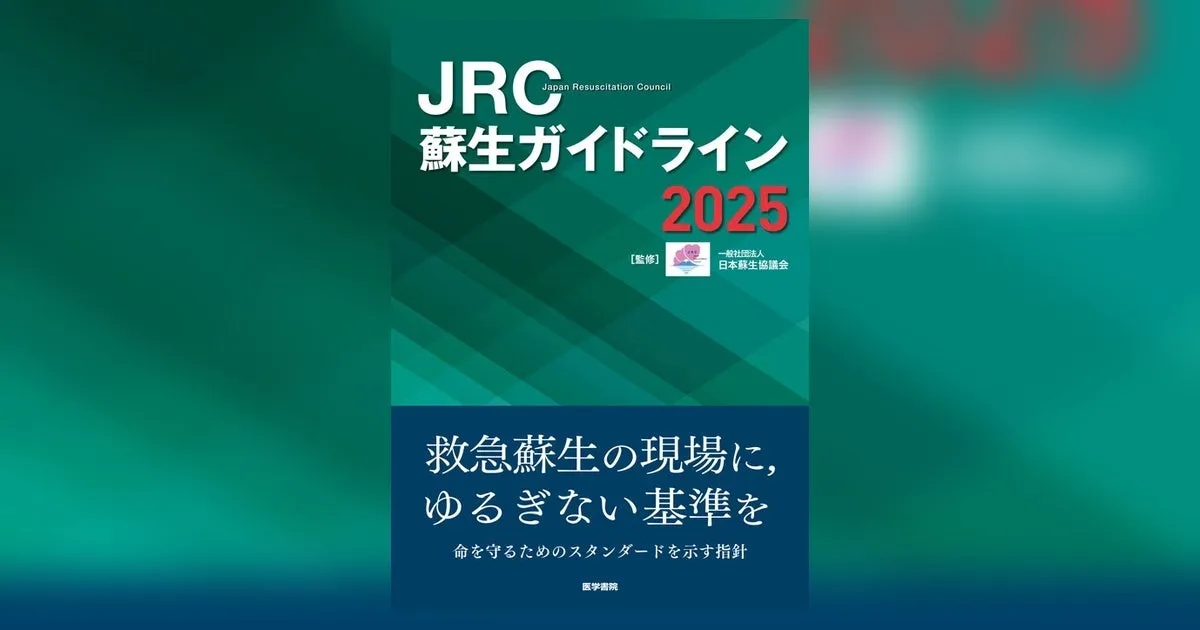
Newly Revised Resuscitation Guidelines to Enhance Emergency Response Effectiveness in Japan
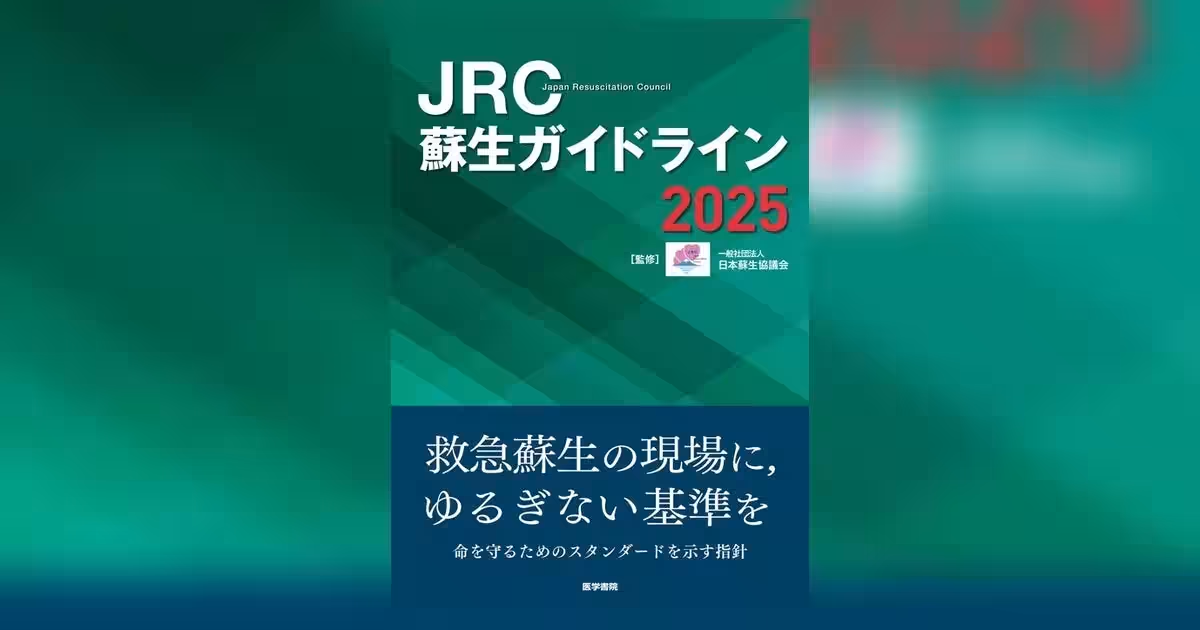
JRC Resuscitation Guidelines 2025: A Comprehensive Update
On July 13, 2026, the Japan Medical Association announced the publication of the revised edition of the 'JRC Resuscitation Guidelines 2025', sparking interest among medical professionals and the public alike. This comprehensive guide serves as a critical reference in emergency resuscitation, setting a robust standard for saving lives in urgent situations.
The updated guidelines represent the first revision in five years, developed by the Japan Resuscitation Council (JRC). They are based on the latest evidence from the International Liaison Committee on Resuscitation (ILCOR), which provides a scientifically validated foundation for resuscitation practices worldwide. The JRC has tailored this guidance to meet the specific needs and conditions of Japan, emphasizing the importance of standardizing emergency care and improving survival rates in critical scenarios.
Key Features
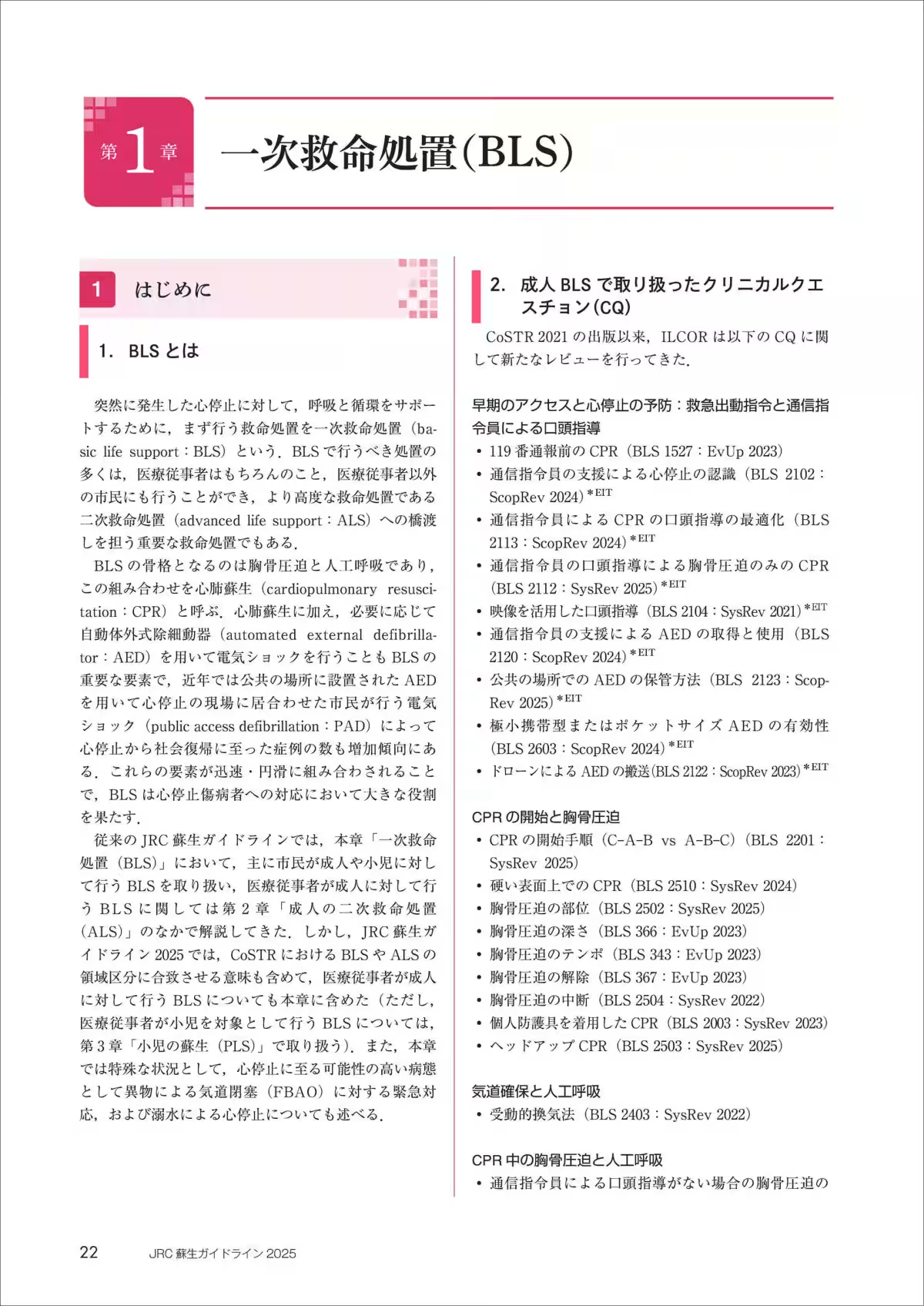
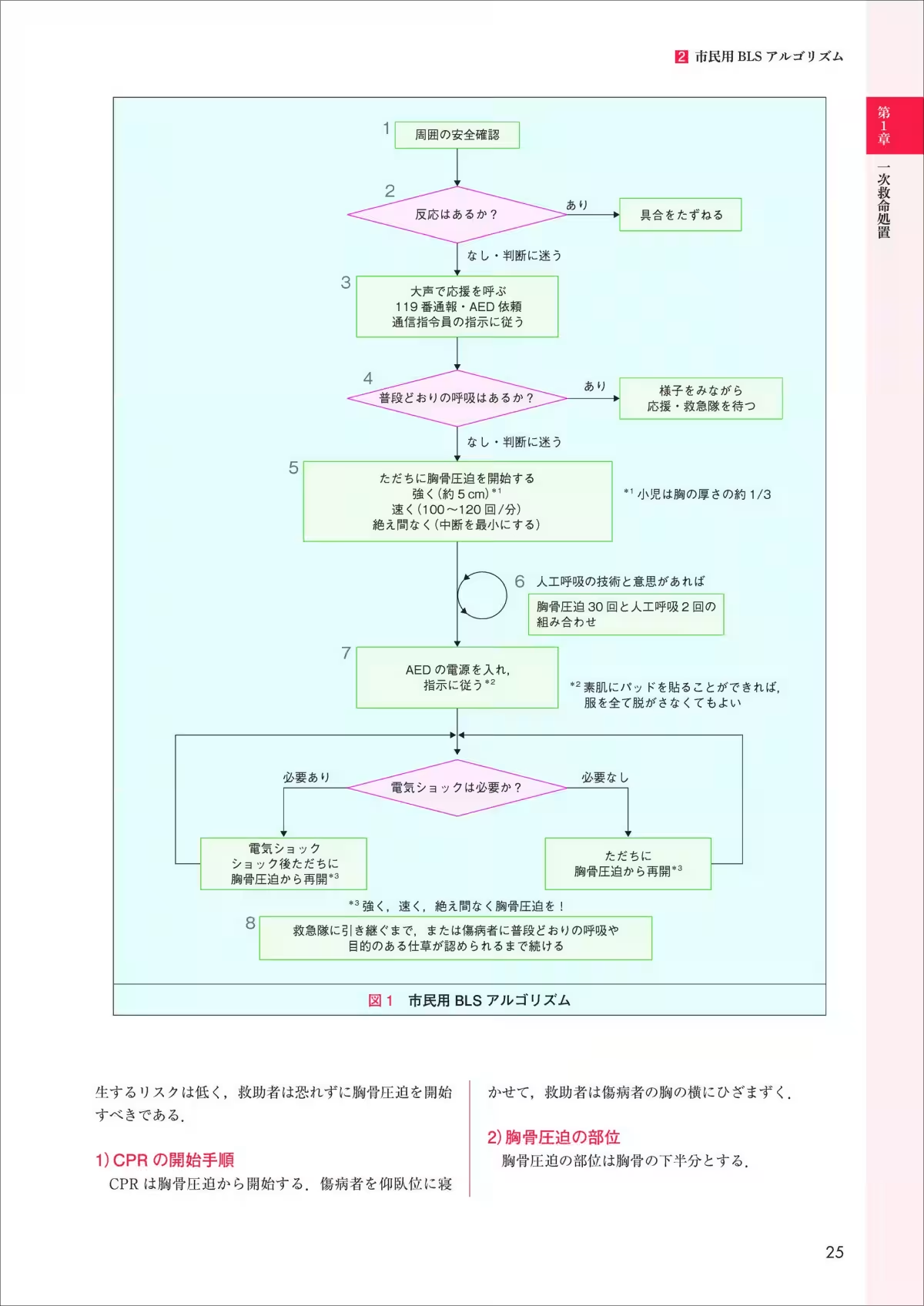
Intended primarily for doctors, nurses, and emergency medical responders, the guidelines also include specific recommendations for civilians. The emphasis is on enabling quick and effective cardiopulmonary resuscitation (CPR) and the appropriate use of Automated External Defibrillators (AED) during cardiac arrest situations.
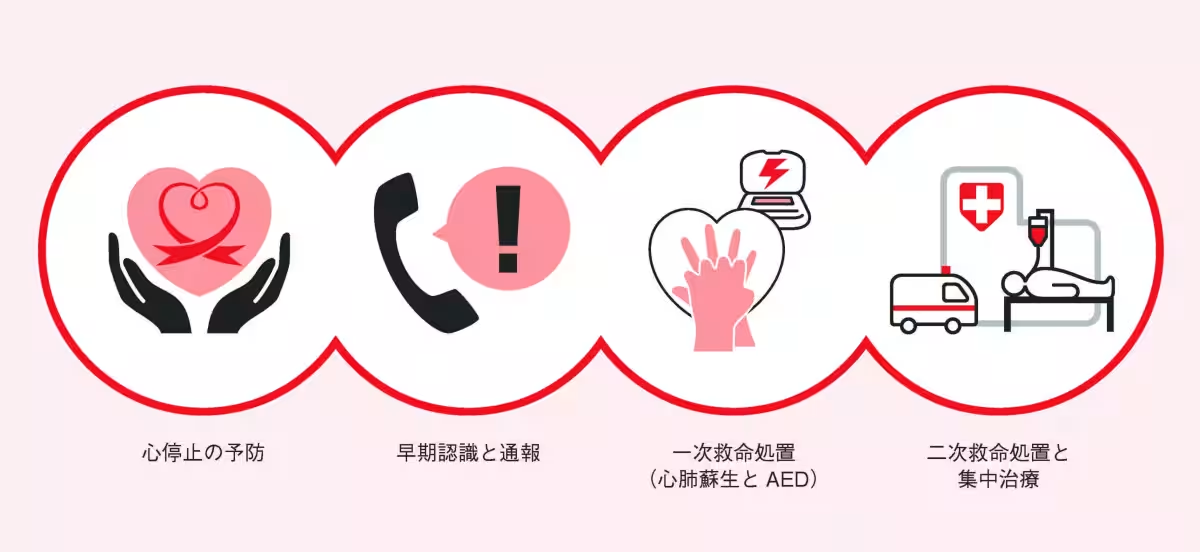
The guidelines introduce the concept of a “Chain of Survival,” which is essential to ensuring the best possible outcomes for patients facing life-threatening emergencies. The JRC promotes four fundamental elements:
1. Prevention of Cardiac Arrest
2. Early Recognition and Emergency Response
3. Basic Life Support (CPR and AED use)
4. Advanced Life Support and Intensive Care
This latest revision introduces three new chapters that address
- - emergency cardiovascular care,
- - current epidemiology and systems in Japan, and
- - ethical and legal considerations in life-saving procedures. Such additions reflect the evolving landscape of emergency medicine and ensure that the guidelines are not only evidence-based but also pragmatically applicable in the field.
Table of Contents
The book's detailed structure is designed to facilitate understanding and implementation:
1. Introduction
2. Methodology for Developing the JRC Resuscitation Guidelines 2025
3. Basic Life Support (BLS)
4. Adult Advanced Life Support (ALS)
5. Pediatric Resuscitation (PLS)
6. Neonatal Resuscitation (NCPR)
7. Maternal Resuscitation
8. Emergency Cardiovascular Care (ECC)
9. Neuroscience Resuscitation (NR)
10. First Aid (FA)
11. Strategies for Public Education and Awareness (EIT)
12. Challenges Abroad
13. Current Epidemiology and System Status in Japan
14. Ethics and Law in Life-Saving Procedures
Conclusion
The JRC Resuscitation Guidelines 2025 represent a significant step forward in emergency medical standards in Japan. With more than 200 contributors, including specialists from diverse fields, the guidelines are a product of extensive deliberation and research. They aim to equip health care professionals with the necessary tools to make informed decisions in life-threatening situations and to educate the public in effective emergency response. As such, these guidelines are not merely a reference; they are a vital resource for saving lives, fostering a culture of preparedness in the face of medical emergencies.
Topics Health)
【About Using Articles】
You can freely use the title and article content by linking to the page where the article is posted.
※ Images cannot be used.
【About Links】
Links are free to use.