



Dark Patterns Inflict Major Financial Damage in Japan, Compounding Issues Across Generations
Dark Patterns and Their Alarming Economic Impact in Japan
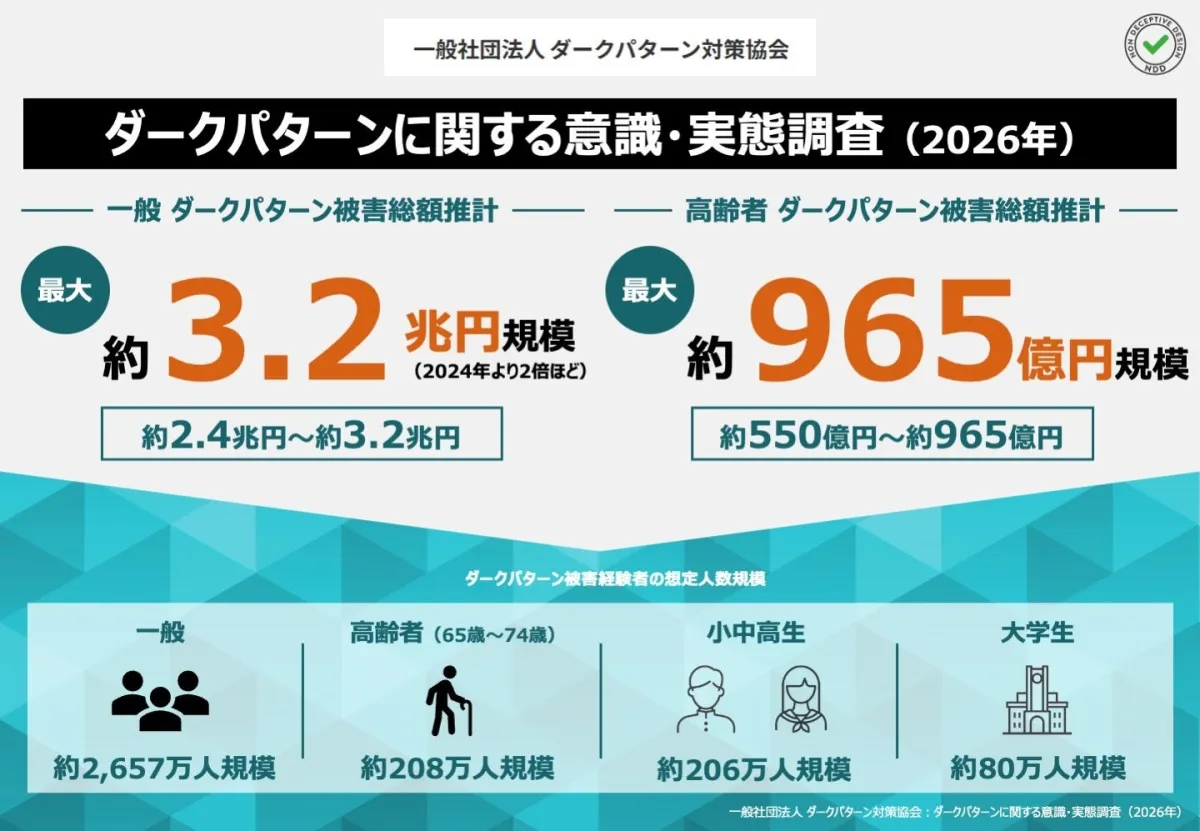
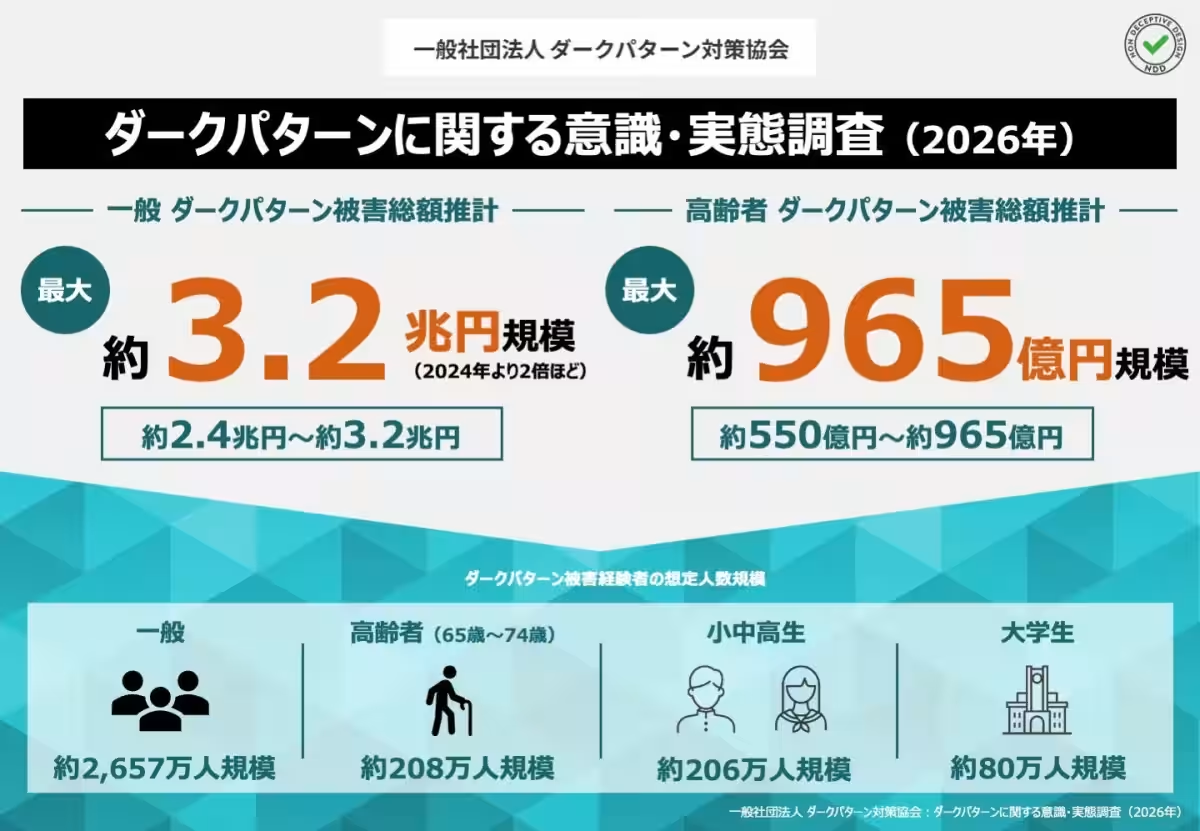
In a recent survey conducted by the Japan Dark Patterns Action Association, a shocking revelation has emerged regarding the financial implications of dark patterns on consumers. The study, which targeted various demographics including the elderly, school students, and college students, estimates that annual losses due to dark patterns could reach between ¥2.4 trillion and ¥3.2 trillion. This represents a twofold increase compared to figures from a similar study conducted in 2024, highlighting an alarming trend in the digital marketplace where consumers are often misled or coerced into unwanted purchases.
Understanding Dark Patterns
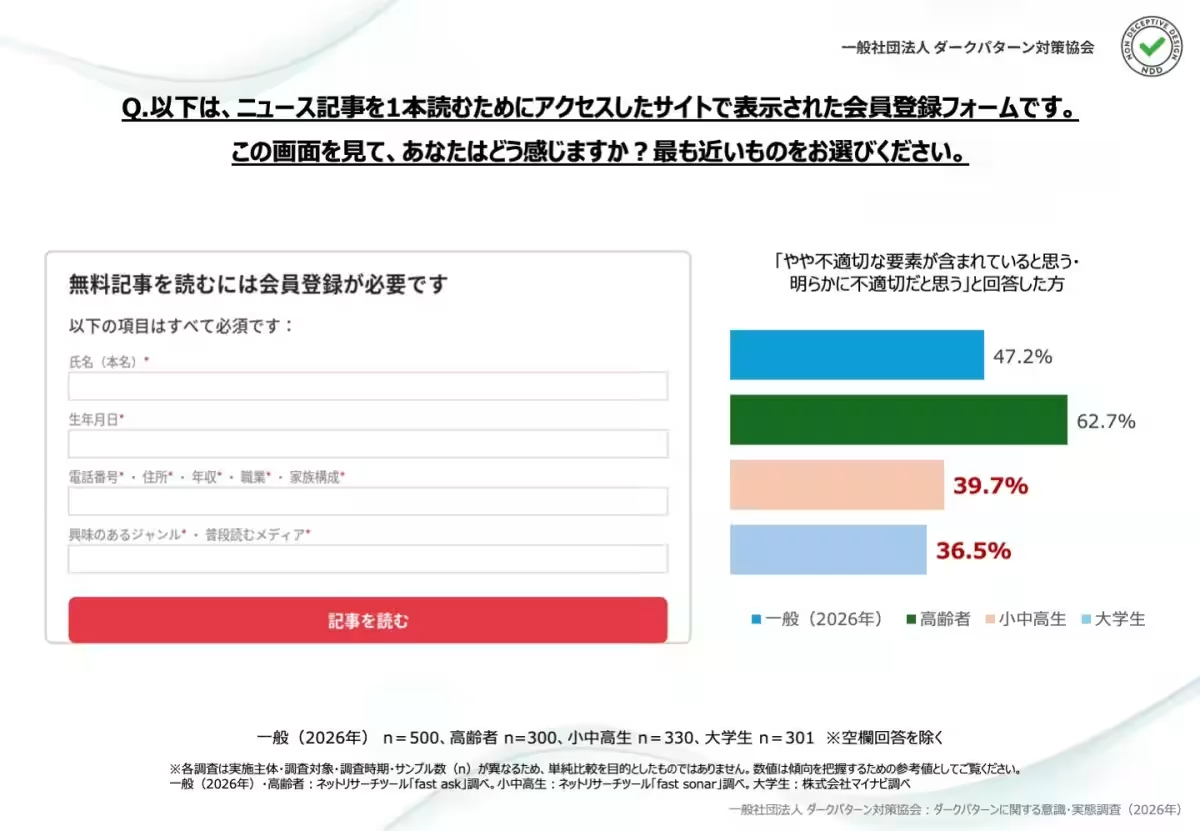
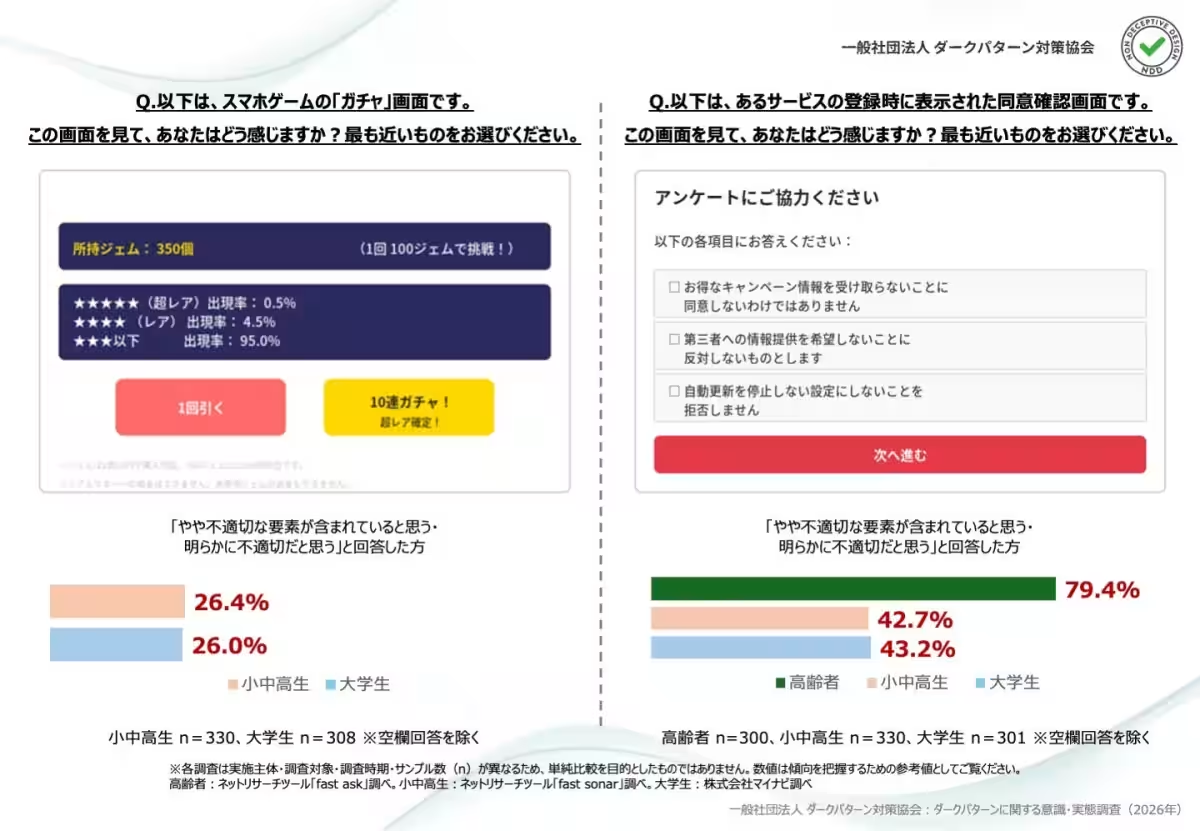
Dark patterns refer to design choices that intentionally manipulate users into making decisions that harm their financial interests. These can include misleading buttons, confusing consent forms, and transactions that are difficult to cancel. The essence of the issue lies in these deceptive practices that many users may not even recognize as harmful until it’s too late.
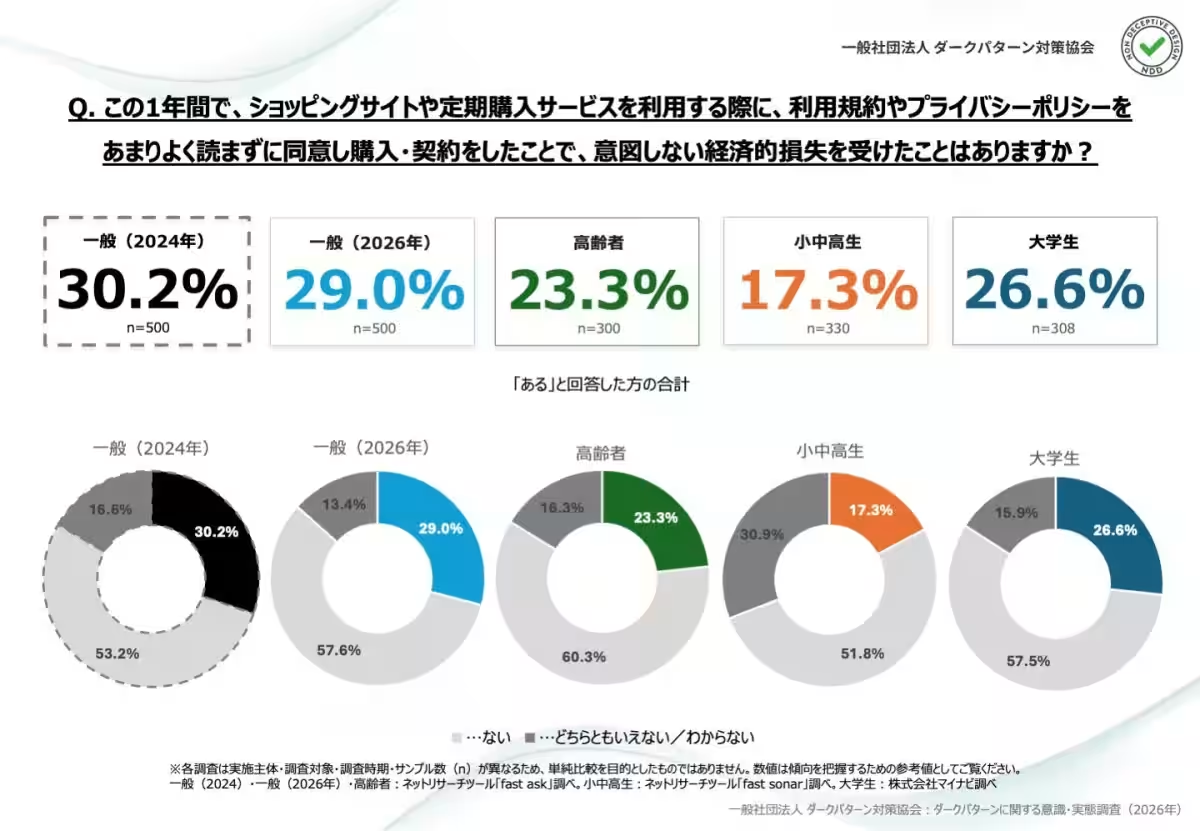
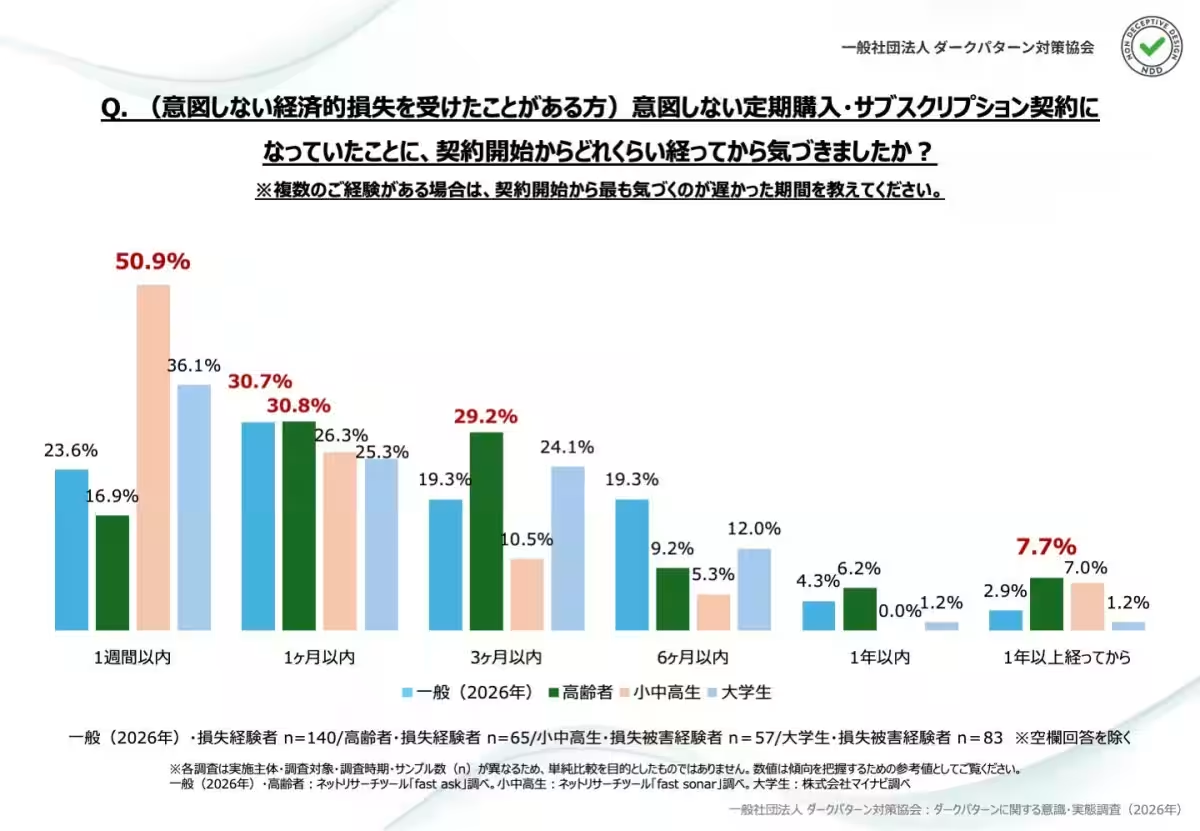
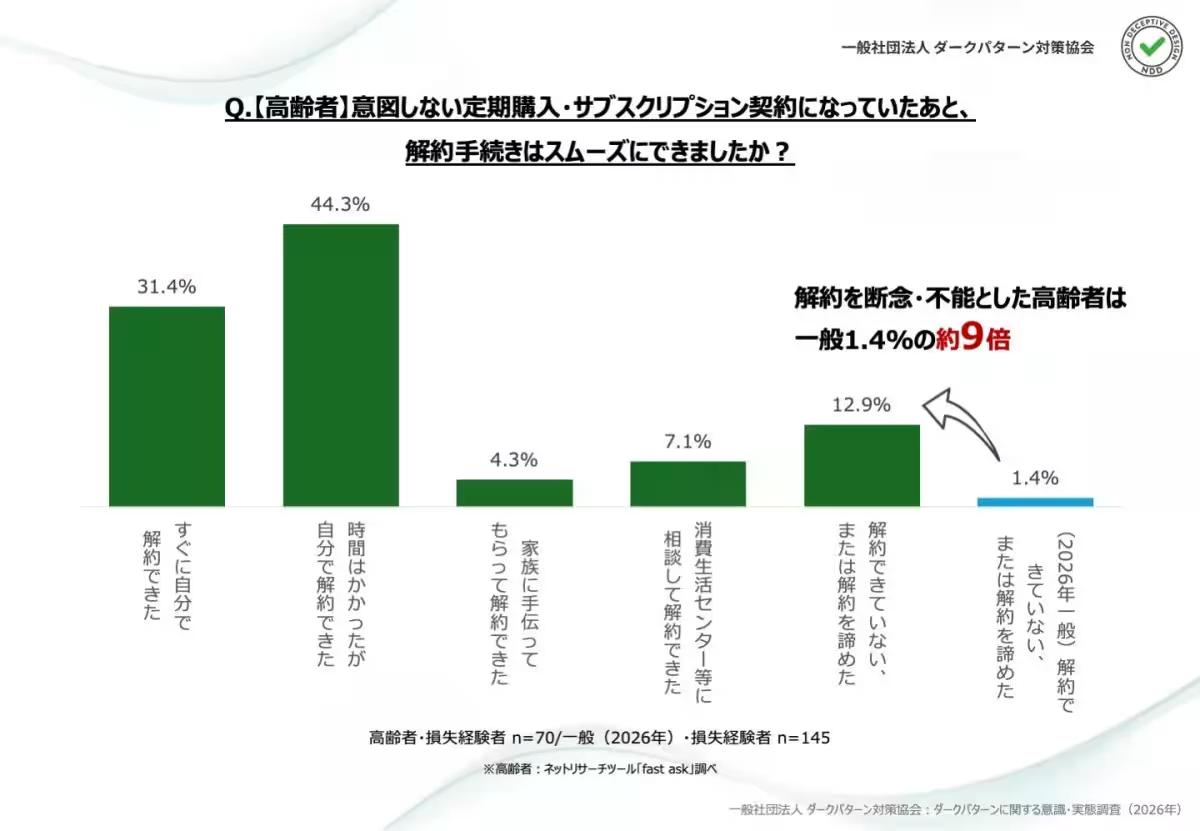
The latest survey found that nearly 30% of consumers reported having experienced some form of financial damage due to these practices, a statistic that has remained stagnant since 2024. This troubling consistency indicates a systemic issue that continues to evade effective regulatory measures. The data gathered highlights a concerning generational divide in both awareness and the impact of these practices. For instance, while the elderly may face a heightened risk of long-term financial traps, younger users often lack the awareness to identify when they’re being manipulated or exploited.
Demographic Insights: Generation Gaps in Awareness and Impact
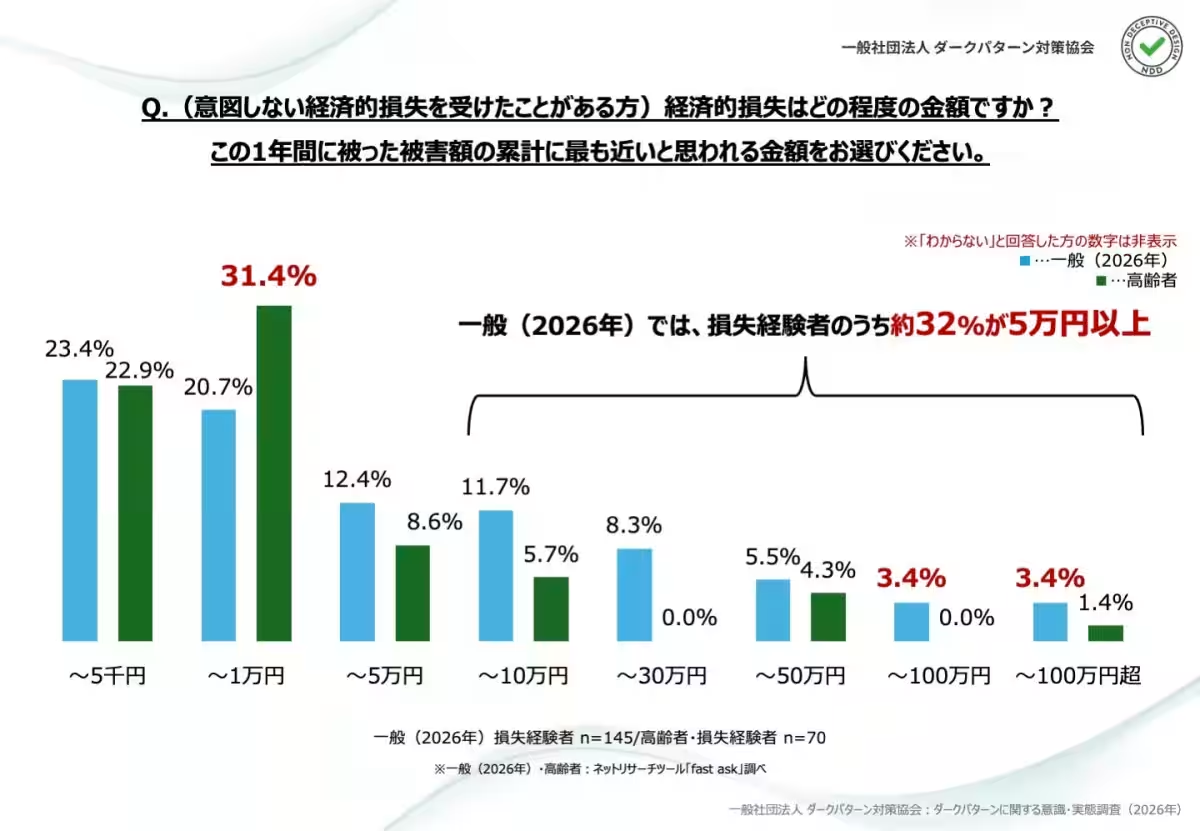
The survey, which surveyed approximately 10,000 individuals, revealed that around 26 million people are estimated to have encountered dark patterns with associated losses spanning various age groups: 208,000 elderly individuals, and approximately 286,000 students from elementary to university levels were among those affected. Notably, victims included a significant percentage who experienced high-value financial losses—over ¥50,000 for about 7%—indicating that the impact of these deceptive designs is profound and multi-faceted.
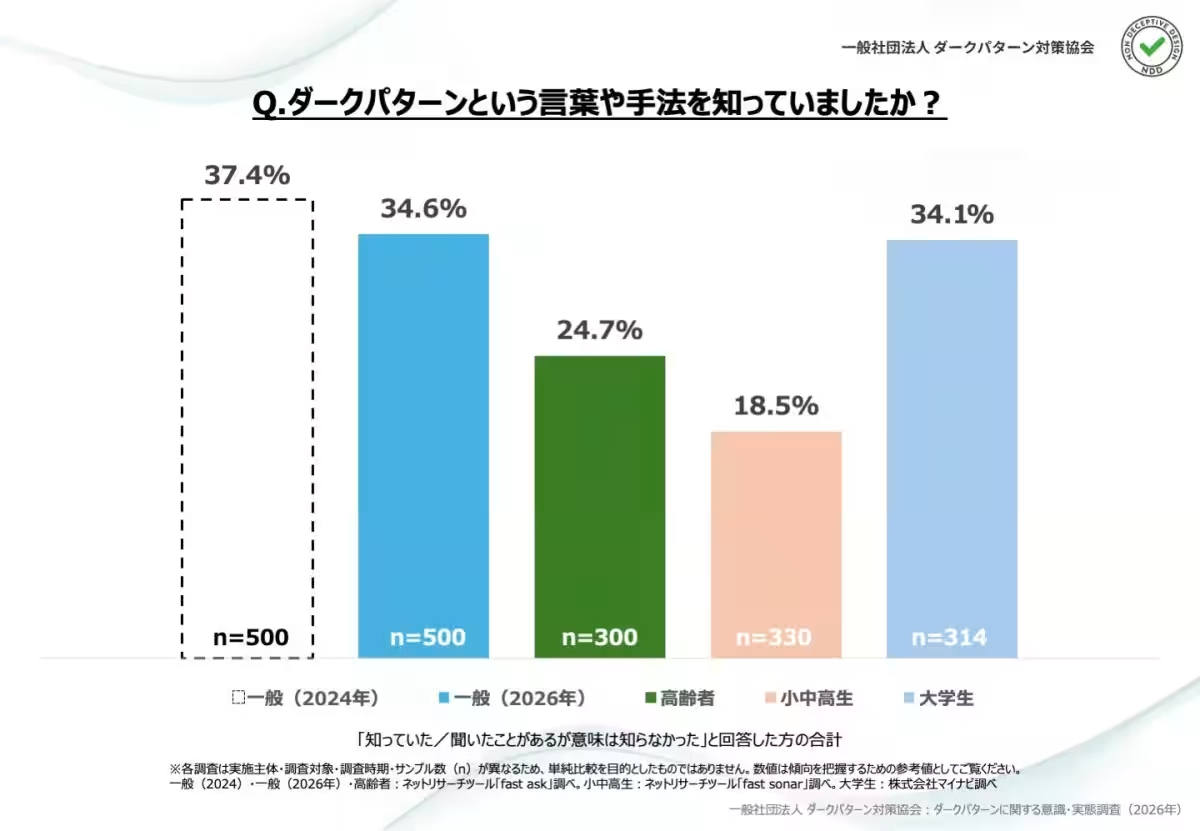
Interestingly, the awareness of dark patterns varies greatly across age demographics. The general population recognized these phenomena at a rate of approximately 34.6%, but alarmingly, only 18.5% of students and just 24.7% of elderly individuals reported familiarity with these terms. Such gaps in understanding can lead to higher vulnerability, particularly for those who are less engaged with digital environments.
Consumer Trust and Corporate Responsibility
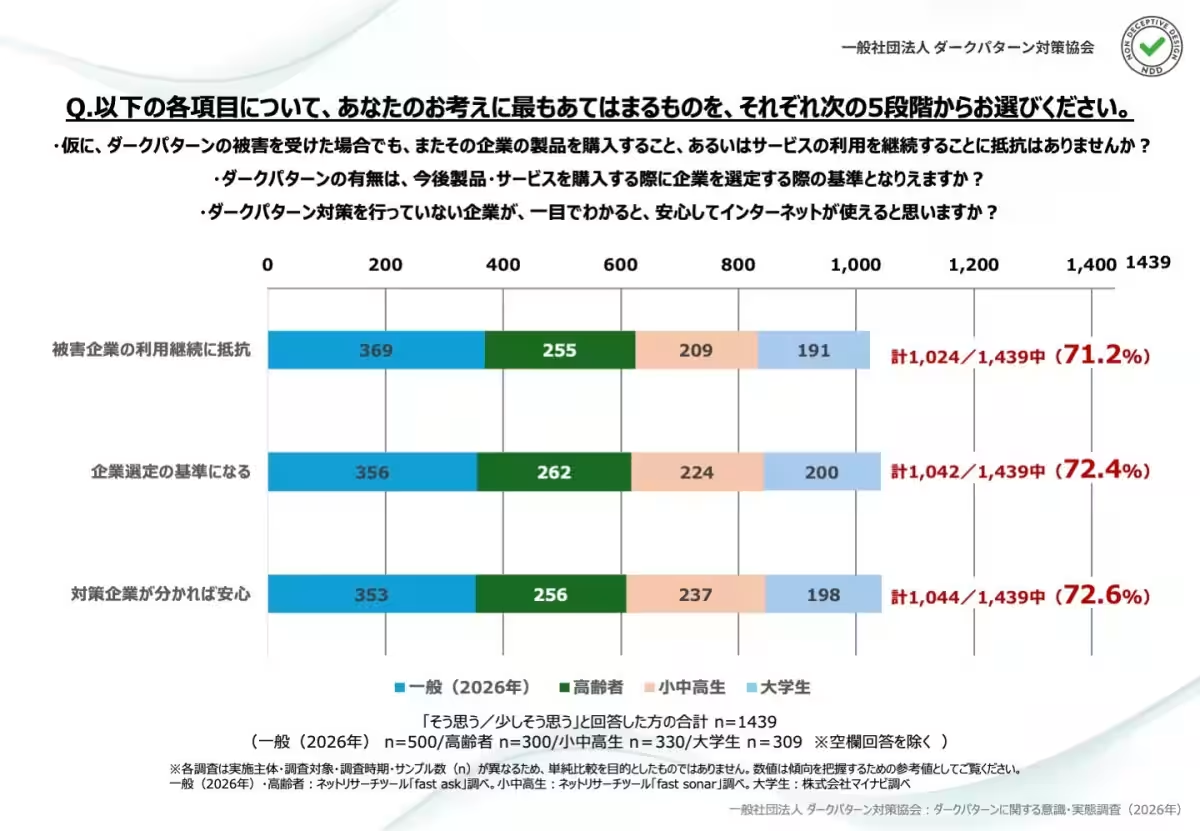
Perhaps one of the starkest findings from the survey was that over 70% of respondents indicated that they would prefer not to engage with companies that employ dark patterns. As consumers increasingly prioritize transparency and ethical practices, firms that fail to address their use of dark patterns risk losing both credibility and customer loyalty. This highlights the need for organizations to actively engage in measures to combat dark patterns, ensuring that their digital interfaces are designed with user trust in mind.
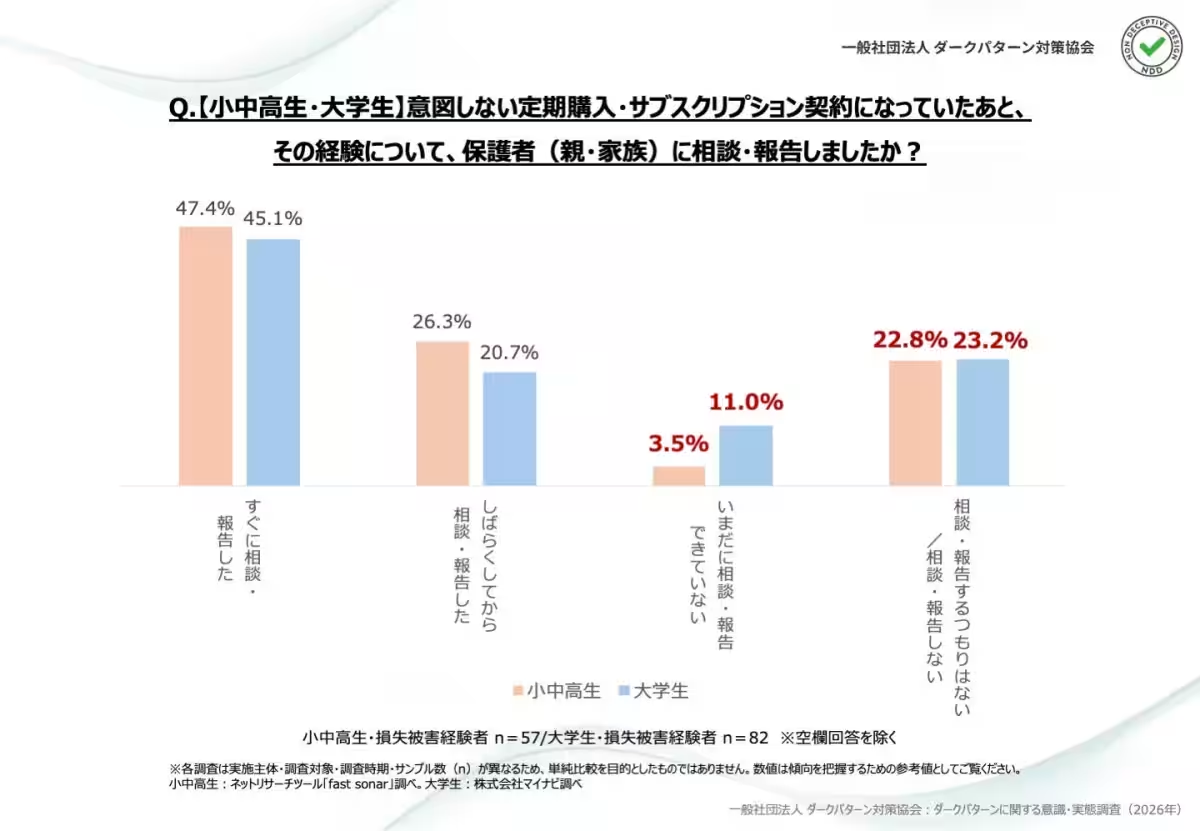
Additionally, awareness campaigns targeting vulnerable groups such as the elderly and students are imperative. Education on identifying dark patterns and promoting discussions within households can empower potential victims to seek assistance and recognize when they are being misled.
Long-term Solutions: Advocacy and Consumer Education
The Japan Dark Patterns Action Association emphasizes that to combat the rising tide of dark patterns, both consumer education and corporate responsibility are crucial. By fostering a culture of transparency and accountability among businesses, and by equipping consumers, especially younger generations, with the knowledge needed to recognize these malicious designs, meaningful progress can be made.
The need for a proactive stance from both consumers and corporations is clear; collaborative efforts can create a safer digital ecosystem where everyone can engage confidently. The findings of this 2026 survey paint a troubling picture but also serve as a pivotal call to action for consumers and corporations to work together to thwart the adverse effects of dark patterns in Japan's rapidly evolving digital landscape.
Topics Consumer Technology)
【About Using Articles】
You can freely use the title and article content by linking to the page where the article is posted.
※ Images cannot be used.
【About Links】
Links are free to use.