




New Living Spaces: 1 in 4 Individuals Over 50 Consider Relocation Amid Life Changes
Exploring Housing Changes for Individuals Over 50
As life circumstances shift, a recent study conducted by Nexwill, a Tokyo-based company specializing in the purchase of unique real estate properties, shed light on the challenges faced by individuals over 50 regarding housing. The survey surveyed 600 men and women aged 60 and above, revealing that approximately 25% of respondents are considering reassessing their living situations due to new life phases. This growing trend is particularly significant as it underscores various concerns ranging from financial implications to inheritance and property management.
The Desire for Change
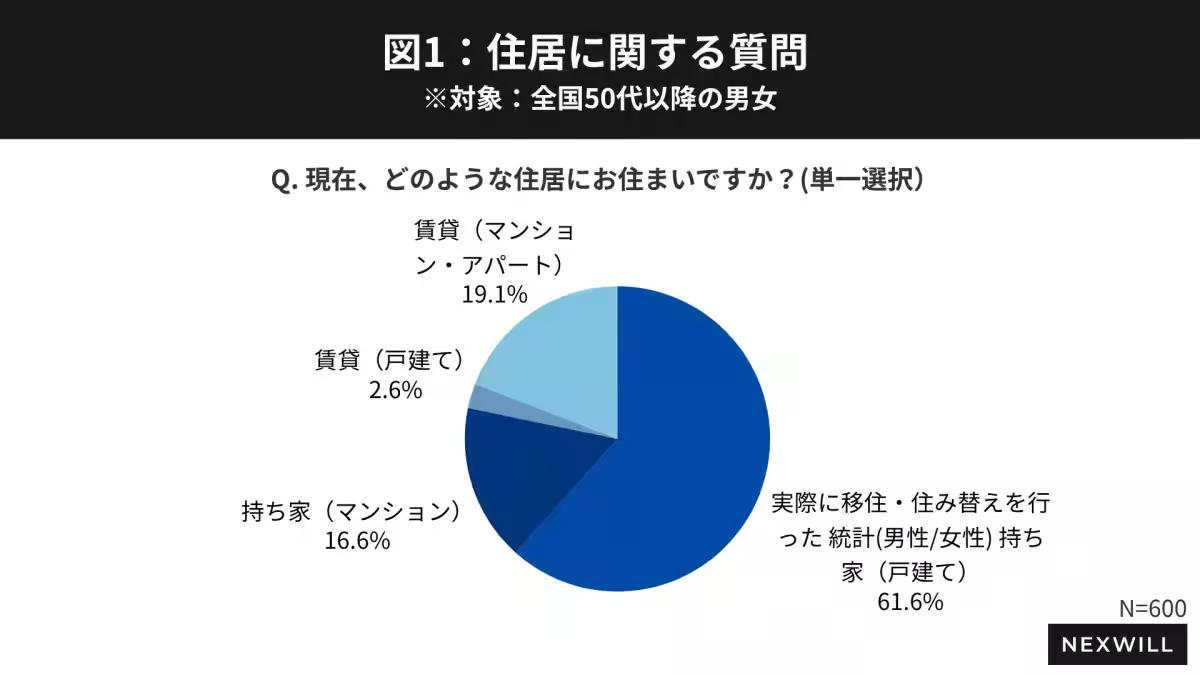
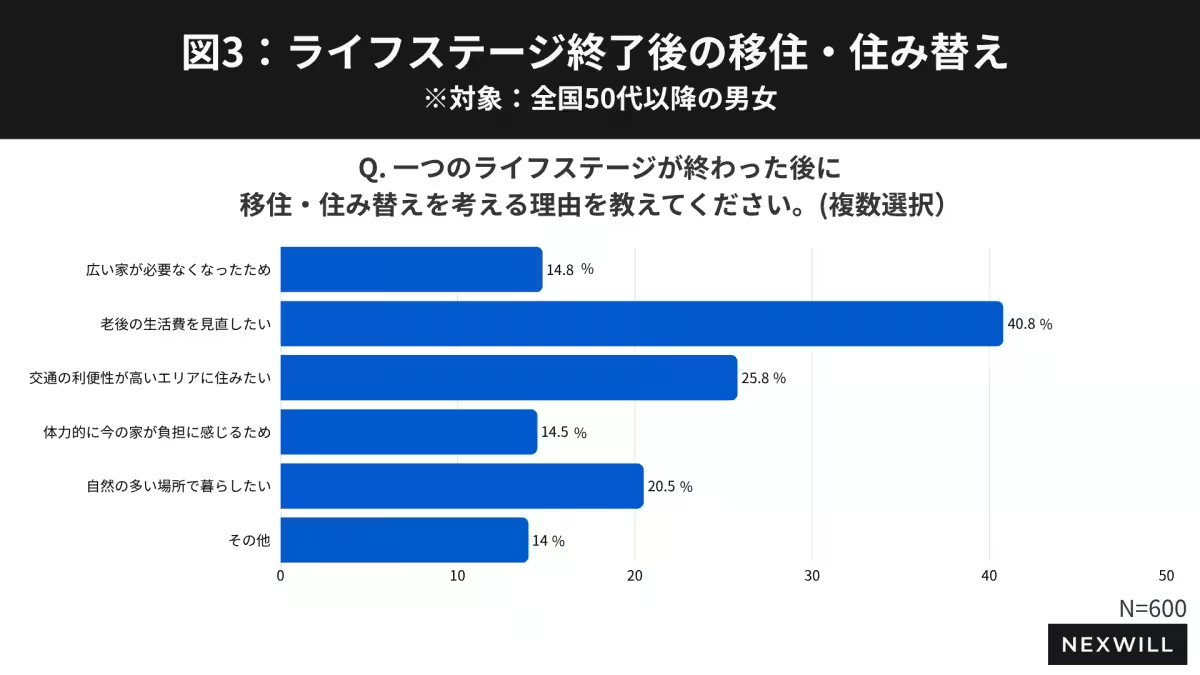
About 77.3% of those surveyed identified their current residences as owned properties, highlighting a robust ownership culture among those aged over 50. When prompted about potential housing adjustments prompted by life changes, 1 in 4 indicated they have either already made changes, are actively considering them, or would contemplate moving if conditions were favorable. This statistic points to an increasing need for individuals to evaluate their living environments as they navigate pivotal life transitions, such as retirement, children leaving home, or relocating for work.
Key Reasons for Considering Relocation
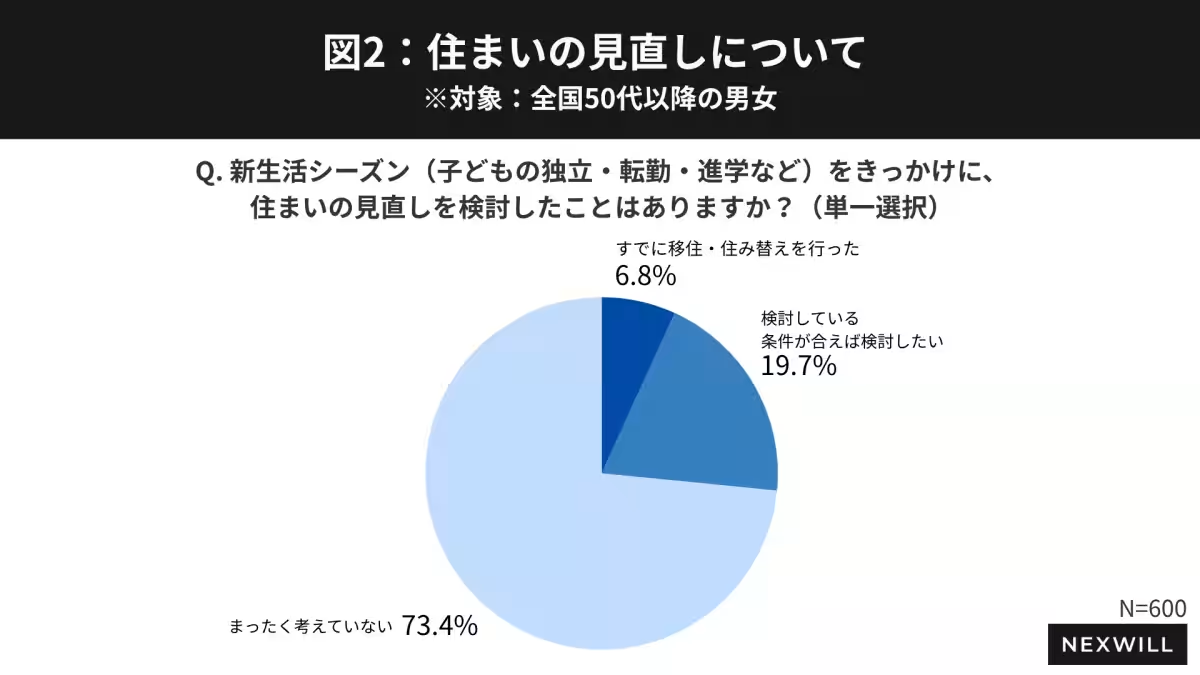
The motivations behind considering relocation resonate with underlying financial concerns. The predominant reason cited was the desire to reassess living expenses, emphasized by 31.3% of respondents. Following this were statements about the need for improved accessibility, indicating that 19.8% prefer areas with better transportation facilities. Additionally, 11.4% mentioned that they no longer require larger homes now that their children are independent, showcasing significant shifts in family dynamics leading to a need for smaller, more manageable living spaces.
Digital Anxiety Surrounding Property Ownership
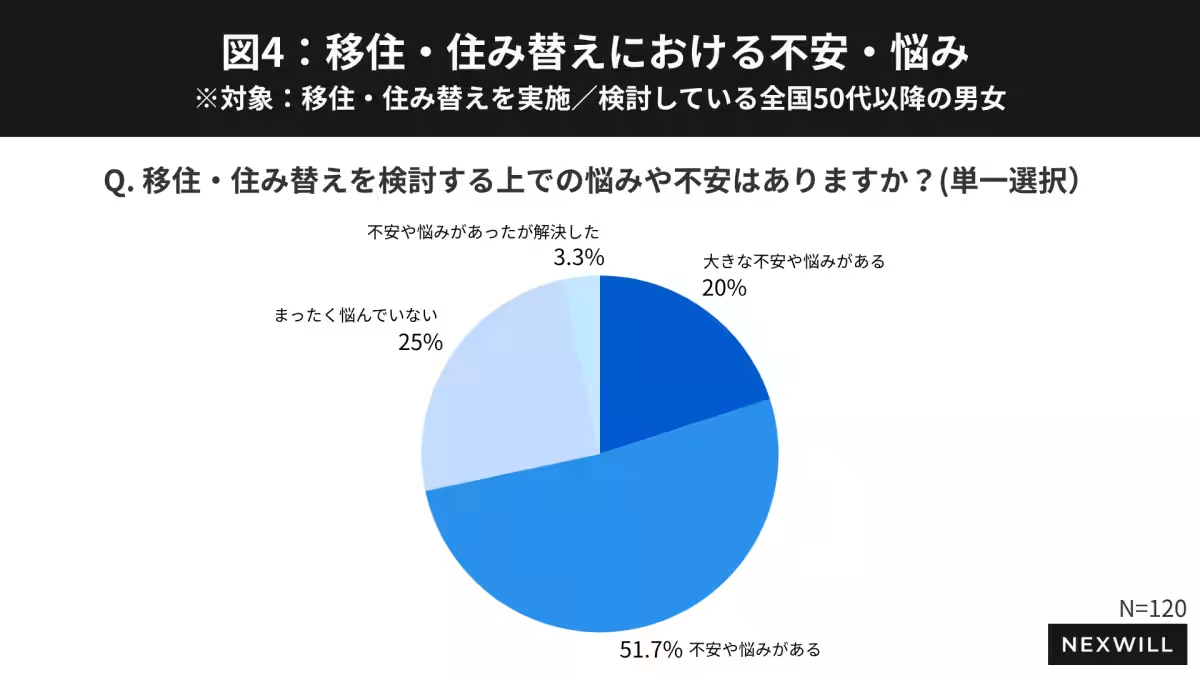
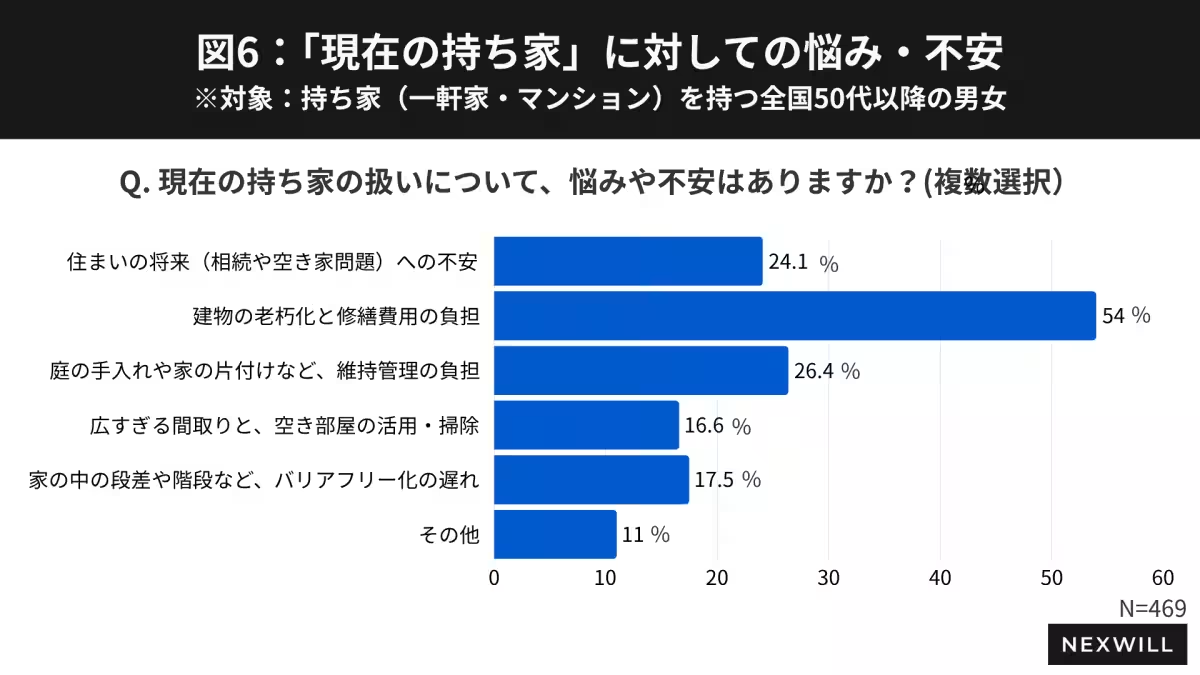
Interestingly, nearly 70% of individuals contemplating relocation expressed apprehension regarding the transition. Fear was commonly rooted in the potential costs associated with maintaining their current homes. The top concern revolved around aging properties and the associated repair fees, affecting 54% of respondents. Other significant worries included managing property upkeep (26.4%) and uncertainties surrounding future inheritance and vacant houses (24.1%). This multifaceted anxiety reveals that economic, practical, and emotional factors intertwine, complicating what appears to be a straightforward decision process.
The Impact of Financial and Practical Challenges
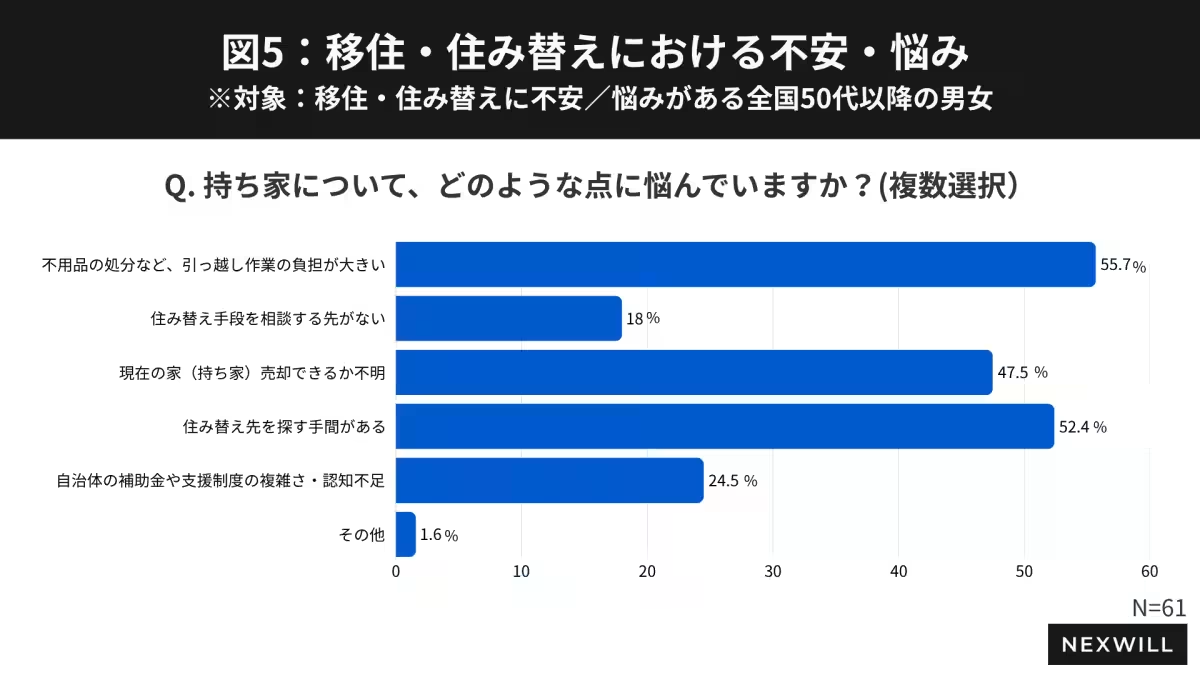
Delving deeper into specific concerns, the survey indicated that logistical challenges greatly burden those contemplating relocation. Among those currently grappling with property dilemmas, a worrying 34% cited the burdensome nature of moving tasks, such as disposing of unwanted items. This was closely followed by 32% who noted the complexity involved in sourcing suitable new properties, reflecting a general sentiment of feeling overwhelmed. Additionally, uncertainties surrounding the sale of their current homes were noted by 29%, escalating anxiety levels further.
A Call for Comprehensive Support
Overall, the findings present a compelling narrative of how life transitions intertwine with residential considerations for those over 50. While the growing desire for change marks progress, substantial barriers still hinder many from making these transitions. Consequently, Nexwill advocates for a support system that aids clients from consultation through to resolution, emphasizing the need for seamless guidance as individuals navigate these critical life changes.
The company's approach involves a one-stop solution for addressing concerns related to vacant properties, thereby facilitating more efficient asset management and encouraging productive uses of real estate. Furthermore, Nexwill's initiatives promote collaboration with local governments to address the pressing issue of vacant houses, demonstrating a comprehensive commitment to community involvement, education, and effective real estate solutions.
Nexwill continues to stand at the forefront of addressing these unique challenges while providing much-needed relief and support to individuals looking at their housing options in light of life changes.




Topics Consumer Products & Retail)
【About Using Articles】
You can freely use the title and article content by linking to the page where the article is posted.
※ Images cannot be used.
【About Links】
Links are free to use.