




Exploring Spending and Investment Trends for 2026: Insights from a Recent Survey
Overview of Financial Perspectives for 2026
In late December 2025, a collaborative survey conducted by Loyalty Marketing Co., Ltd., the operator of the popular point service Ponta, alongside the radio program Biz Topi, explored the financial sentiments of working men and women aged 20 to 50. The findings shed light on consumer behavior and investment trends anticipated for the upcoming year. Approximately 60% of respondents indicated an intention to restrain their spending habits, reflecting a cautious approach in light of economic uncertainties.
Key Findings
Topic 1: A Year of Restraint
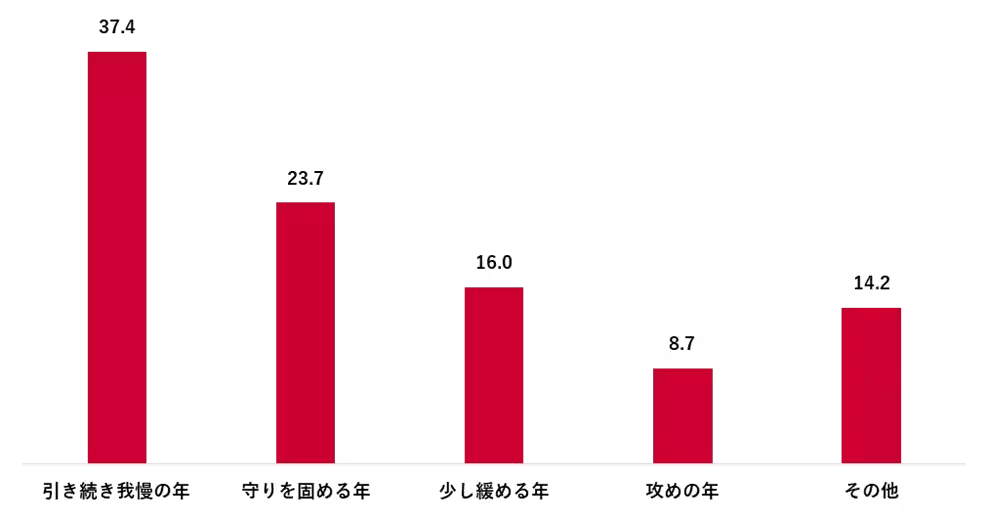
When asked how they foresee their financial situation in 2026, 37.4% anticipated continuing the trend of restraint regarding spending. In total, around 60% of participants expected to remain in a “saving and defense mode,” indicating that the combined effects of economic policies and personal economic confidence are leading people to be more careful with their finances. Despite potential benefits from government initiatives under the Takaichi administration, such as responsible and active fiscal policies, many still expressed skepticism about feeling secure enough to spend freely.
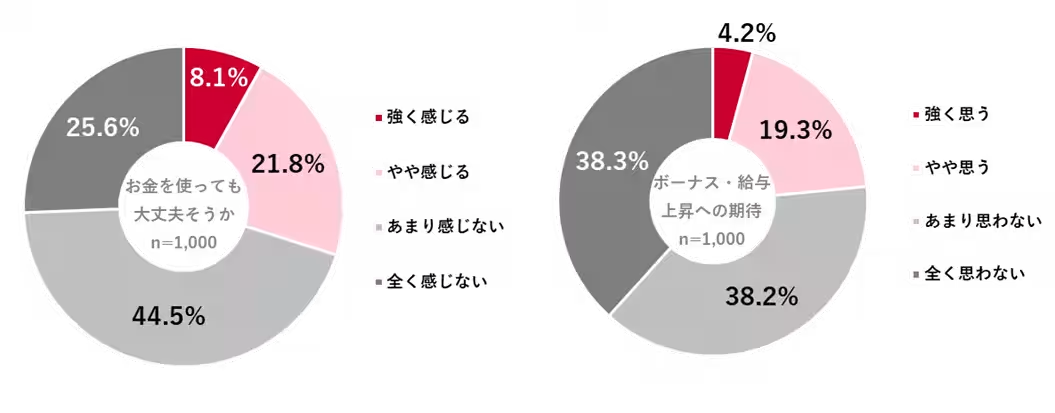
- - Statistically: Approximately 70% of respondents did not feel an optimistic outlook regarding their income or bonuses, with 25.6% feeling no sense of confidence and 44.5% remaining unconvinced about any financial relief.
Topic 2: Regret-Free Spending Areas
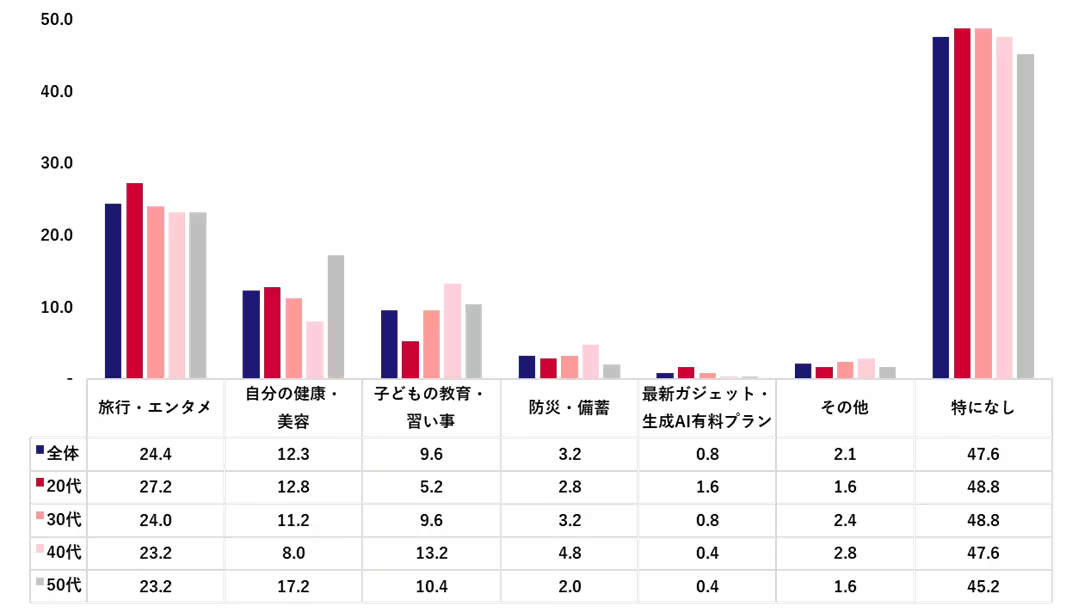
Interestingly, when queried on which spending areas they would consider regret-free, responses revealed a clear preference for experiences over material purchases. 24.4% of respondents named “travel and entertainment” as vital spending areas, while 12.3% favored health and beauty expenditures. This aligns with broader trends highlighting a shift in consumer priorities toward experiences and self-investment rather than acquiring physical goods.
Topic 3: Restraint on Major Purchases
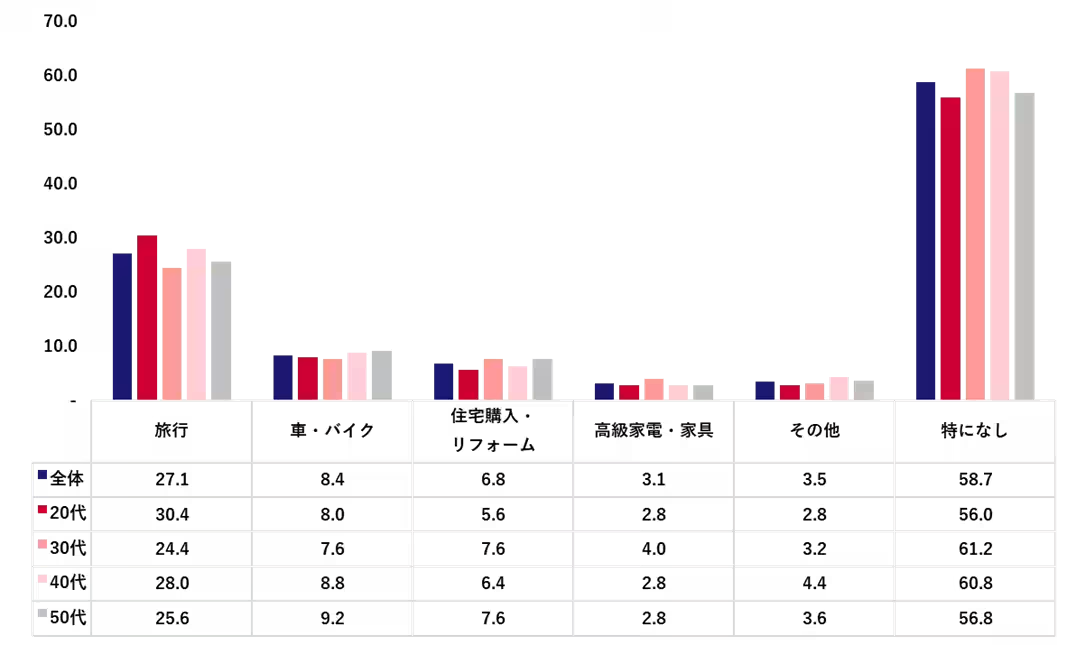
Close to 60% declared that they would refrain from making significant purchases, reflecting a general sentiment of financial caution. For those eager to make exceptions, “travel” emerged as the leading choice among those wanting to loosen their spending restrictions, garnering 27.1% of responses.
Topic 4: Savings Over Immediate Spending
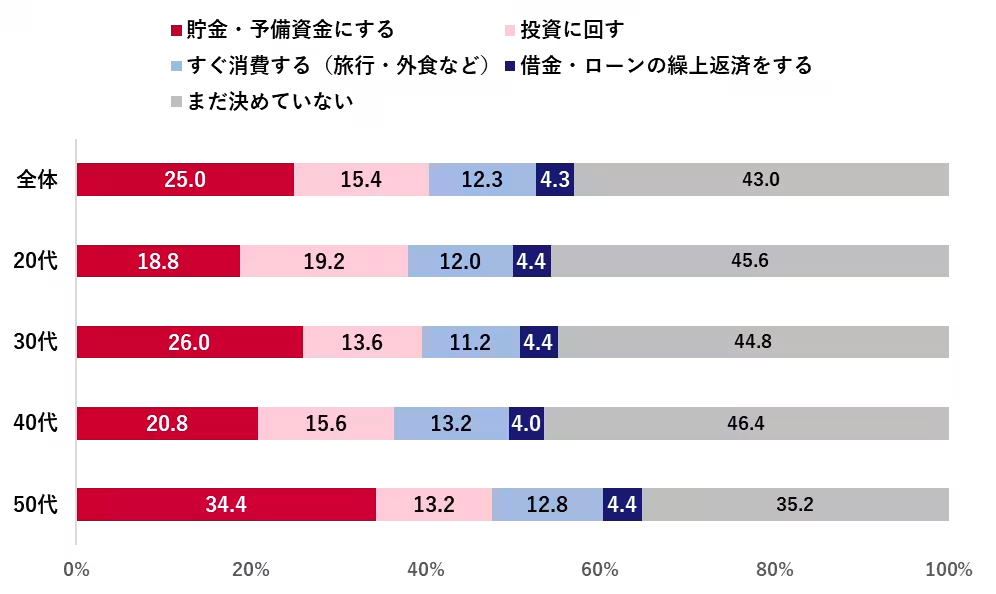
When posed with the scenario of receiving tax cuts or government benefits in 2026, 43% of participants were unsure about their spending plans. Those inclined towards prudent financial management indicated they would prioritize saving or investments, with 25% aiming to allocate funds toward savings and 15.4% expressing an intention to invest. Only 12.3% intended to spend immediately, emphasizing a broader trend toward saving and investing over spending.
Topic 5: Cautious Investment Strategy
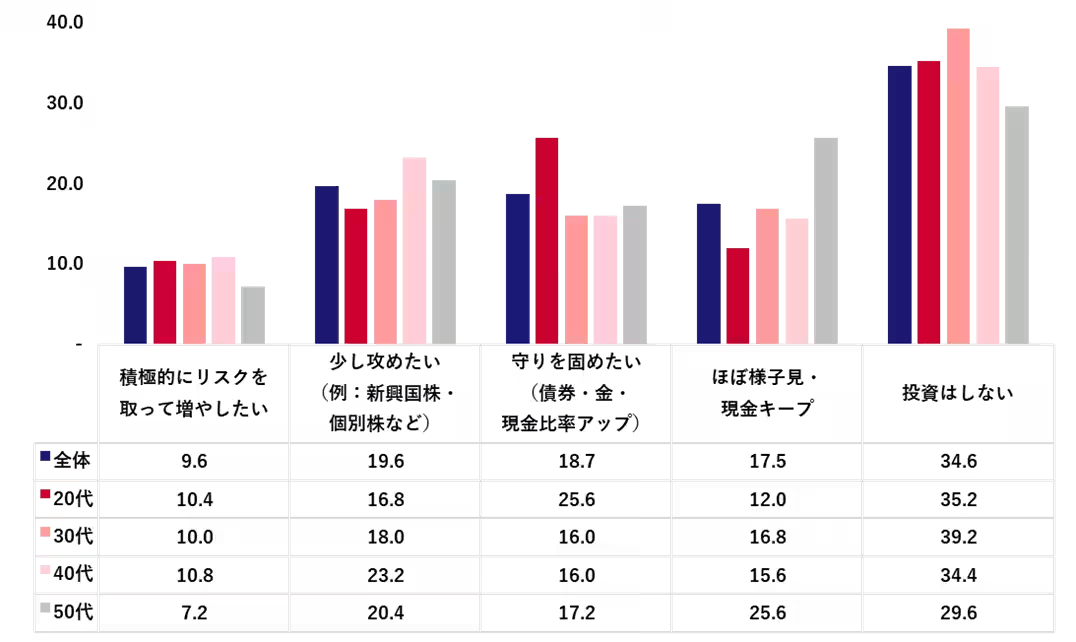
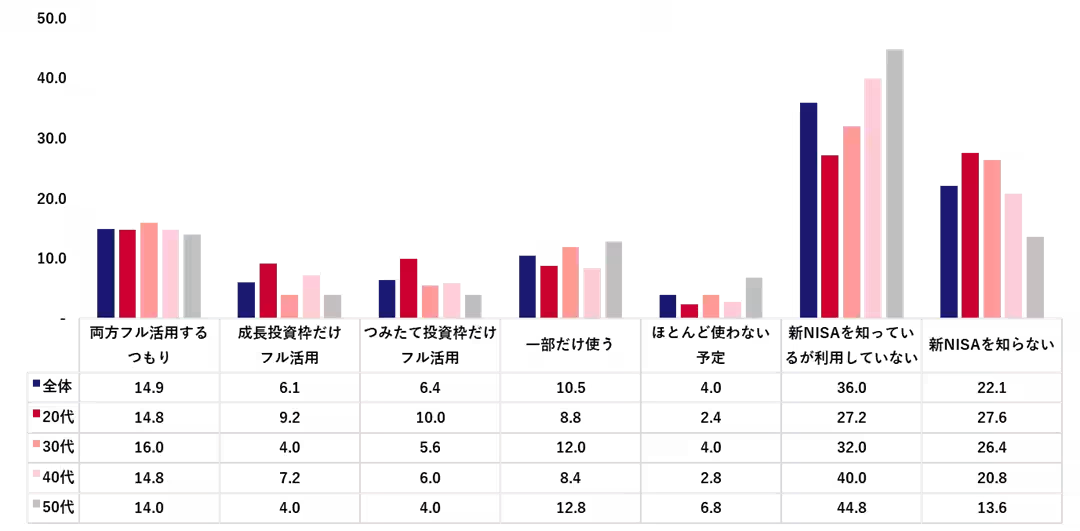
The survey results also revealed a predominant cautious approach towards investments for 2026. About 34.6% of participants declared they would not invest at all, while a combined 29.2% showed willingness to adopt a more aggressive investment strategy. Especially notable was the discovery that 36% of respondents were aware of the new NISA (Nippon Individual Savings Account) but had yet to utilize it, suggesting a gap in engagement with this financial product.
Expert Commentary
Economic analyst Mari Mabuuchi remarked on the implications of the survey, noting that the continued 'rescue and defense mode' among consumers reflects a growing trend towards conscientious spending. Simultaneously, she highlighted the willingness to invest in experiences such as travel and health as evidence of shifting values - away from consumer goods toward meaningful experiences and personal enrichment.
Consumption economic analyst Hiroaki Watanabe also expressed concern about the low consumer confidence reflected in the survey. He emphasized that urgent measures such as reducing consumption tax on essential goods could stimulate consumer spending and positively impact the economy.
In summary, the survey highlights a significant transformation in consumer attitudes toward money leading up to 2026. With a clear preference for saving and responsible investment, the upcoming year may well be marked by a notable shift in how individuals choose to engage with their finances.
Survey Methodology
The survey was conducted online from December 23 to December 26, 2025, targeting working men and women aged 20 to 50 residing in Japan. A total of 1,000 valid responses were collected through the Ponta Research panel, ensuring a diverse representation across demographic lines.


Topics Financial Services & Investing)
【About Using Articles】
You can freely use the title and article content by linking to the page where the article is posted.
※ Images cannot be used.
【About Links】
Links are free to use.