



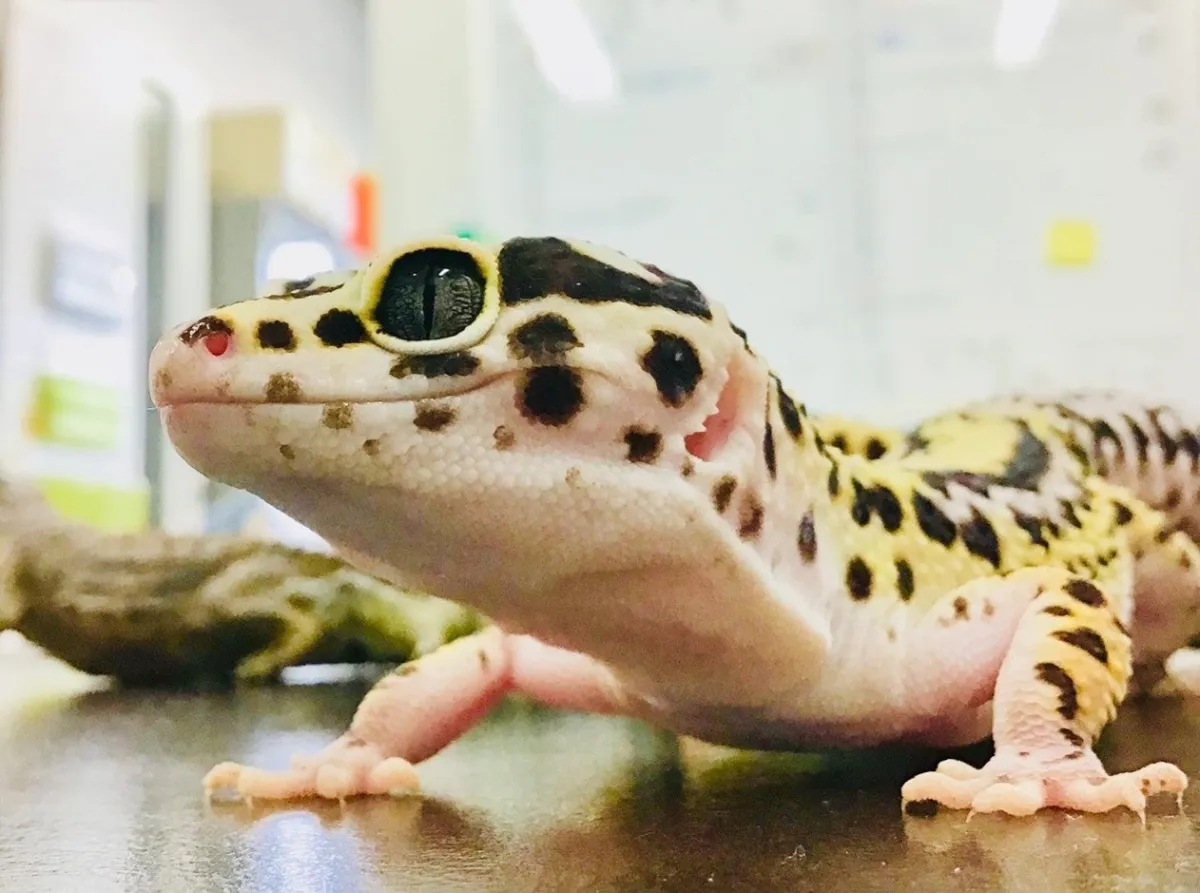
Revealing the Dynamics of Gene Expression Behind Temperature-Dependent Sex Determination in Reptiles
Uncovering Gene Dynamics in Reptiles' Sex Determination
Introduction
The intricate relationship between temperature and sex determination has fascinated scientists for decades. In reptiles, this phenomenon, known as temperature-dependent sex determination (TSD), has mostly been studied in crocodiles and turtles. However, a significant gap in research has existed regarding the specifics of gene expression in lizards and snakes. A recent study conducted by a research team led by Professor Shinichi Miyagawa from Tokyo University of Science focuses on the leopard gecko (Eublepharis macularius), aiming to unravel the molecular dynamics involved in TSD.
Research Overview
The significance of this research lies in its comprehensive analysis that combines histological observations of gonadal differentiation with extensive gene expression analysis through RNA sequencing. The team investigated when and how temperature impacts the fate of sex in leopard geckos during embryonic development. Their findings suggest that understanding the molecular mechanisms of TSD could aid in comparing and enhancing our knowledge of vertebrate sexual determination across different taxa.
Key Findings
1. Gene Expression Before Morphological Changes: The team discovered that critical genes associated with sexual differentiation began to show diverging expression patterns as early as embryonic stage 34, despite the noticeable morphological differences between male and female gonads appearing only at stage 37. This early distinction indicates that the sex of the embryo is determined before formal gonadal structures are even formed.
2. Timing of Gene Expression: Analysis revealed that genes involved in testis formation, such as AMH, DMRT1, and SOX9, are expressed earlier than those associated with ovary development, like FOXL2 and CYP19A1. This suggests a slower progression in the ovarian differentiation pathway compared to testicular differentiation.
3. Temperature-Responsive Genes: A notable discovery was the expression of the temperature-responsive gene KDM6B, which is implicated in epigenetic regulation. Unlike findings in turtles and alligators, where KDM6B is activated in lower temperatures, the leopard gecko exhibited expression at higher temperatures during initial development, indicating species-specific responses in TSD mechanisms.
4. Isoform Production via Alternative Splicing: The research also suggested discrepancies in gene expression levels at different temperatures, hinting at the possibility that alternative isoforms of certain genes are expressed depending on whether the temperature favors male or female development.
Implications of Research
With many reptiles determining sex based on incubation temperature, the findings carry broad ecological implications, particularly in the context of climate change. Warmer temperatures could lead to skewed sex ratios, threatening the viability of certain species. Understanding the intricate mechanisms that govern TSD can provide vital insights into how environmental shifts influence reptile populations and their ecosystems.
Professor Miyagawa emphasized the importance of this research in predicting how climate change affects wildlife development, stating, "Through further investigation of RNA splicing roles, we aim to elucidate the fundamental mechanisms by which environmental factors dictate biological fate."
Conclusion
This unprecedented study not only sheds light on the gene expression dynamics associated with TSD in the leopard gecko but also sets a precedent for future comparative research across reptiles. By bridging gaps in knowledge, it establishes a critical foundation for understanding the evolutionary implications of temperature effects on sex determination in a changing world.
Acknowledgments
This research was supported by the Japan Society for the Promotion of Science (JSPS) through several scientific research grants. The findings were published online on February 18, 2026, in the international journal, Developmental Biology.
Topics Other)
【About Using Articles】
You can freely use the title and article content by linking to the page where the article is posted.
※ Images cannot be used.
【About Links】
Links are free to use.