



Addressing the Language Barrier in Disaster Preparedness for Foreign Residents in Japan
Overcoming Language Barriers in Disaster Preparedness for Foreign Nationals in Japan
Introduction
Understanding the nuances of disaster preparedness is crucial, especially for foreign residents in Japan. A recent survey conducted by Renxa Inc., a company focused on lifestyle support for foreigners, sheds light on the pressing issue of language barriers during emergencies. The survey, which gathered responses from 426 foreign residents across 55 countries and regions, revealed that more than 40% struggle to comprehend critical disaster-related information presented in Japanese.
Survey Highlights
The survey sought to understand the awareness and preparedness of foreign residents regarding disasters in Japan. Here are some key findings:
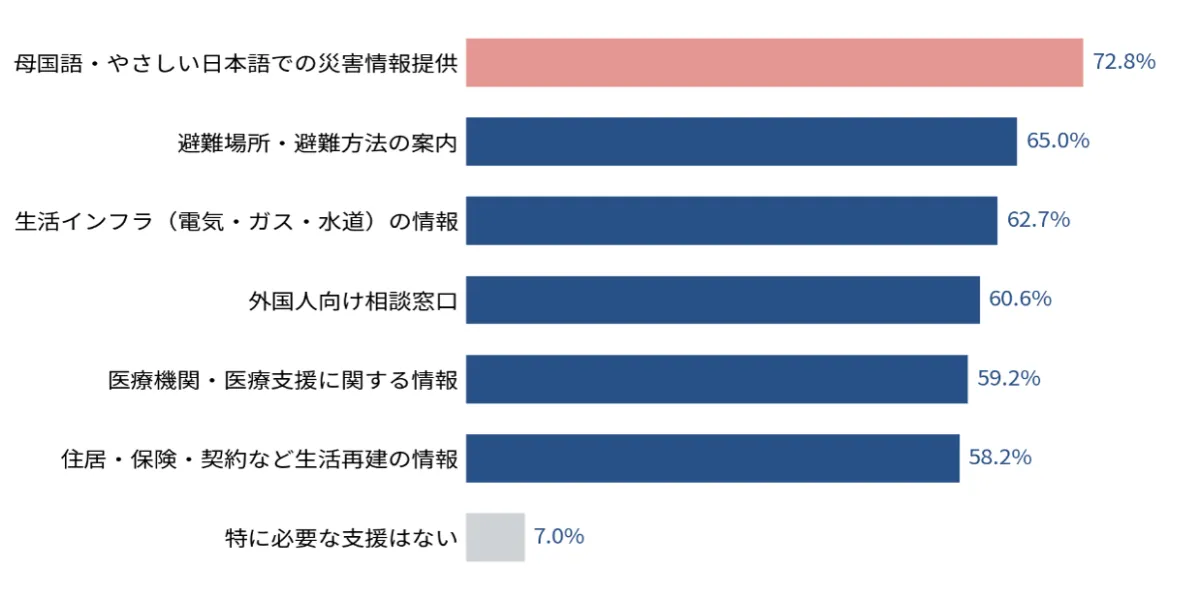
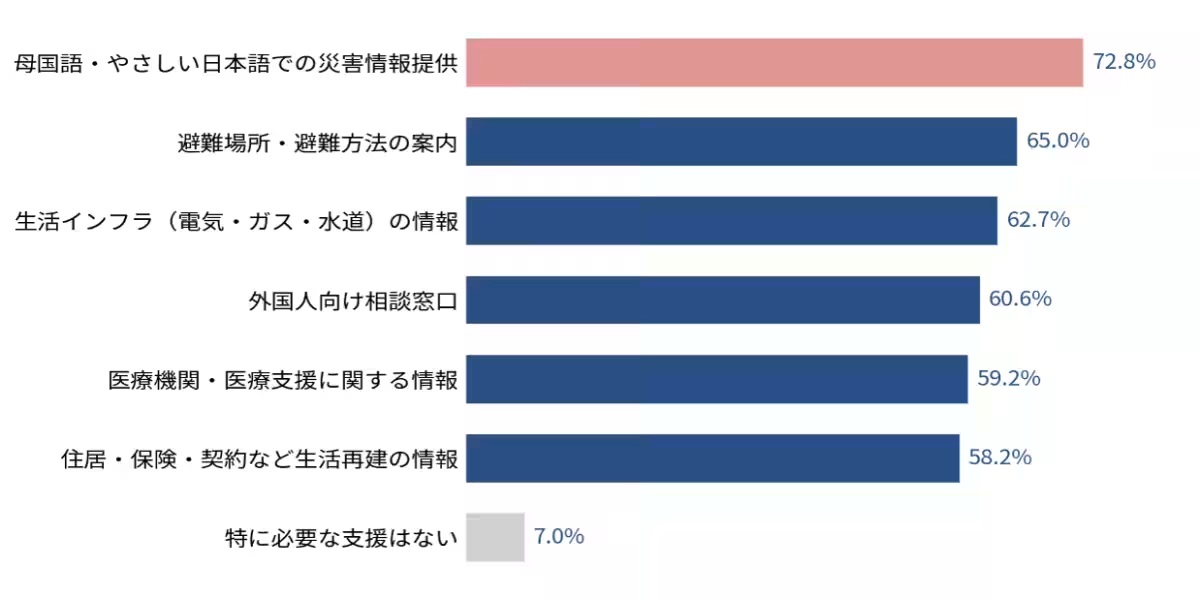
1. Demand for Information in Native Languages: An overwhelming 72.8% of respondents indicated that they require disaster information in their native language or easy-to-understand Japanese during emergencies. This highlights the urgency of providing language-appropriate support for non-Japanese speakers.
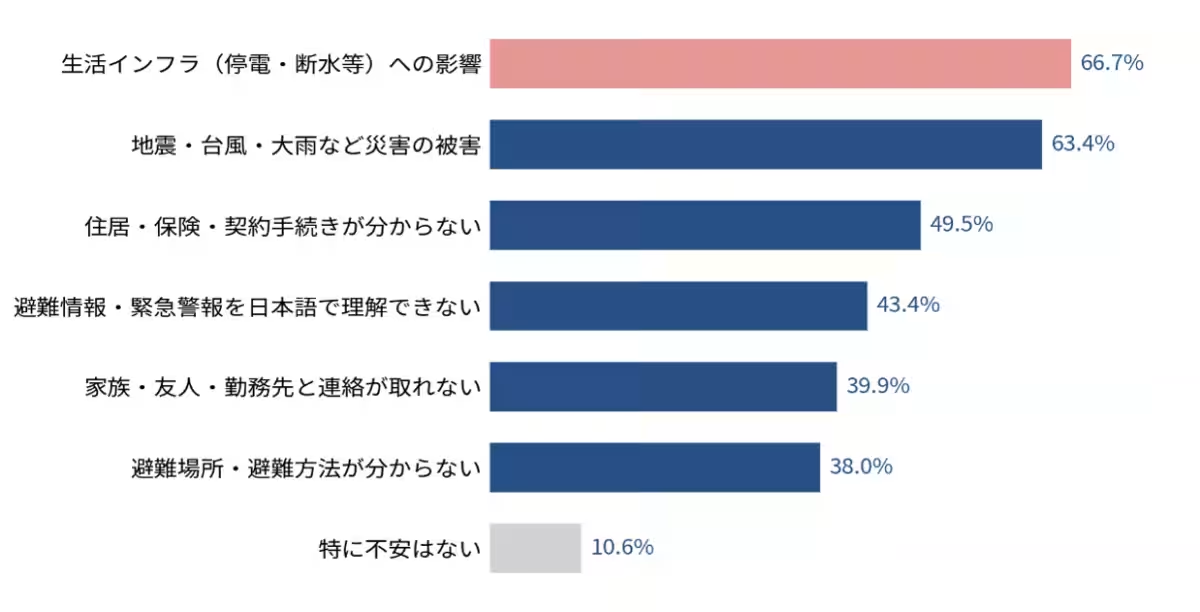
2. Concerns About Infrastructure: The survey identified that 66.7% of participants are most anxious about the impact of disasters on essential services such as electricity, water, and gas. This concern surpassed fears related to actual disaster events, which stood at 63.4%.
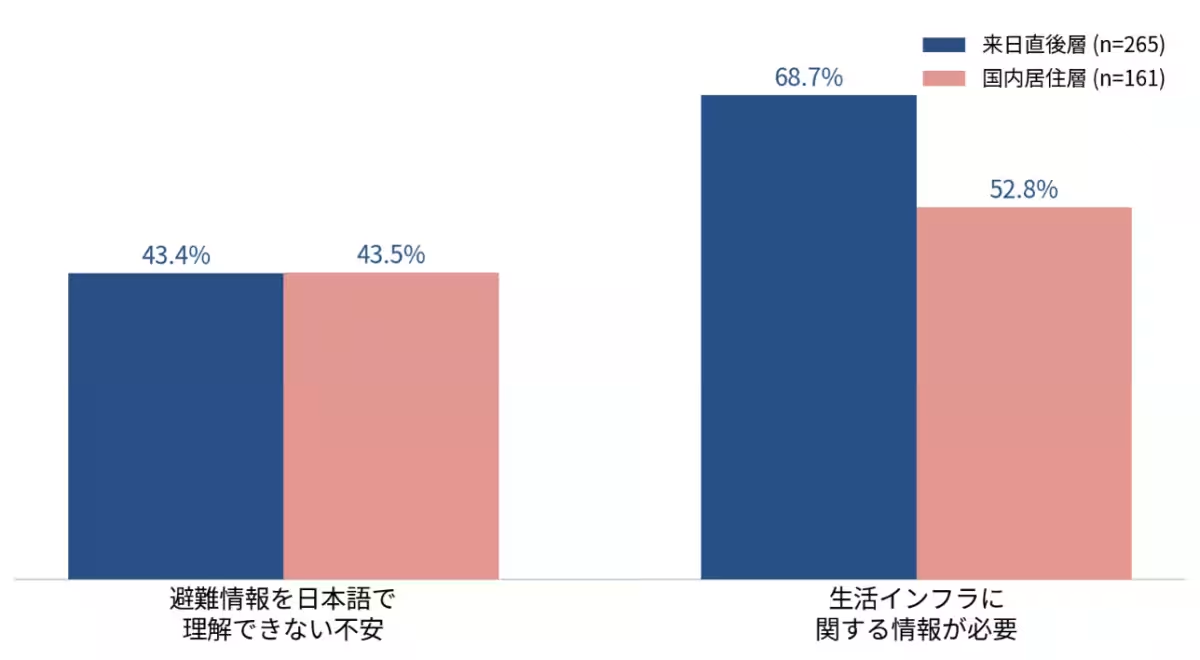
3. Understanding Emergency Alerts: Both the newly arrived group (43.4%) and those already residing in Japan (43.5%) expressed similar concerns about not understanding evacuation information and emergency alerts in Japanese. This indicates a persistent need for multilingual support, regardless of how long individuals have been in the country.
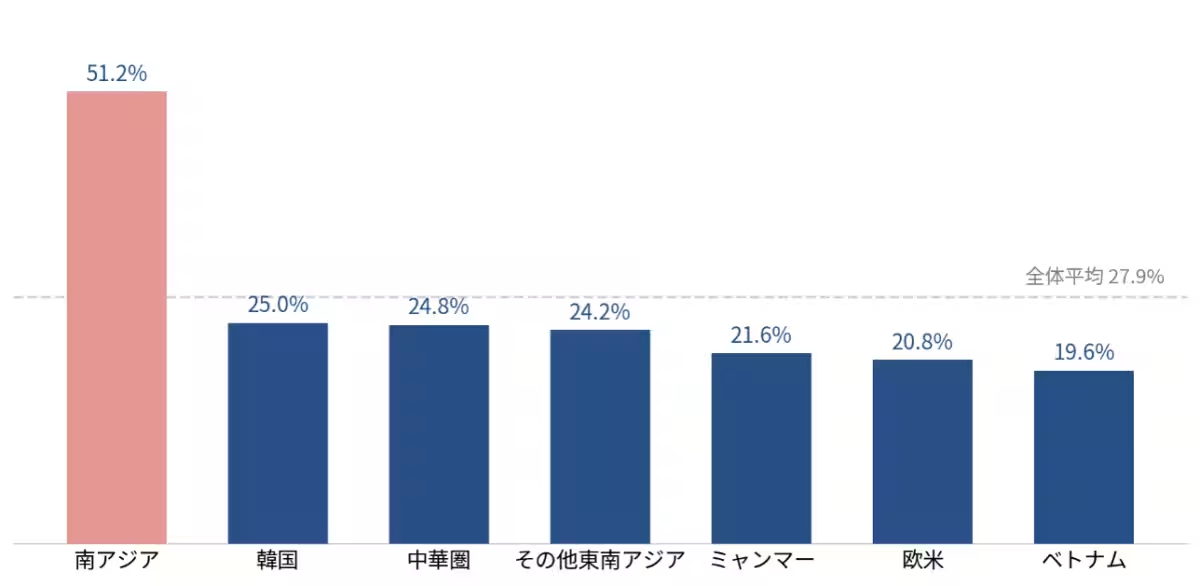
4. Preparedness Gaps Among Ethnic Groups: A striking 51.2% of South Asian respondents reported having no specific disaster preparedness measures in place, significantly higher than the overall average of 27.9%. This gap underlines the necessity of tailored approaches to disaster preparedness, considering the unique backgrounds of different nationalities.
The Need for Multilingual Support
Renxa's survey results reveal a clear demand for accessible information in emergencies. The fear of not understanding critical alerts due to language barriers can lead to panic and inappropriate responses during disasters. Therefore, addressing the language gap is paramount to ensuring the safety and well-being of foreign residents.
Lifestyle Advisor Global: A Step Towards Relief
Renxa Inc.'s initiative,
Topics Policy & Public Interest)



【About Using Articles】
You can freely use the title and article content by linking to the page where the article is posted.
※ Images cannot be used.
【About Links】
Links are free to use.