



Understanding the Reality of Obesity Measures: Awareness vs. Action
The Disconnect Between Obesity Awareness and Action
A recent survey conducted by Wellness Dining Co., Ltd., located in Sumida, Tokyo, has revealed concerning insights regarding the awareness and attitudes towards obesity among Japanese adults aged 25 to 65. With 300 participants surveyed, the findings showcase a significant gap between understanding obesity and taking active steps to manage it.
Key Findings from the Survey
Lack of Confidence in Nutritional Balance
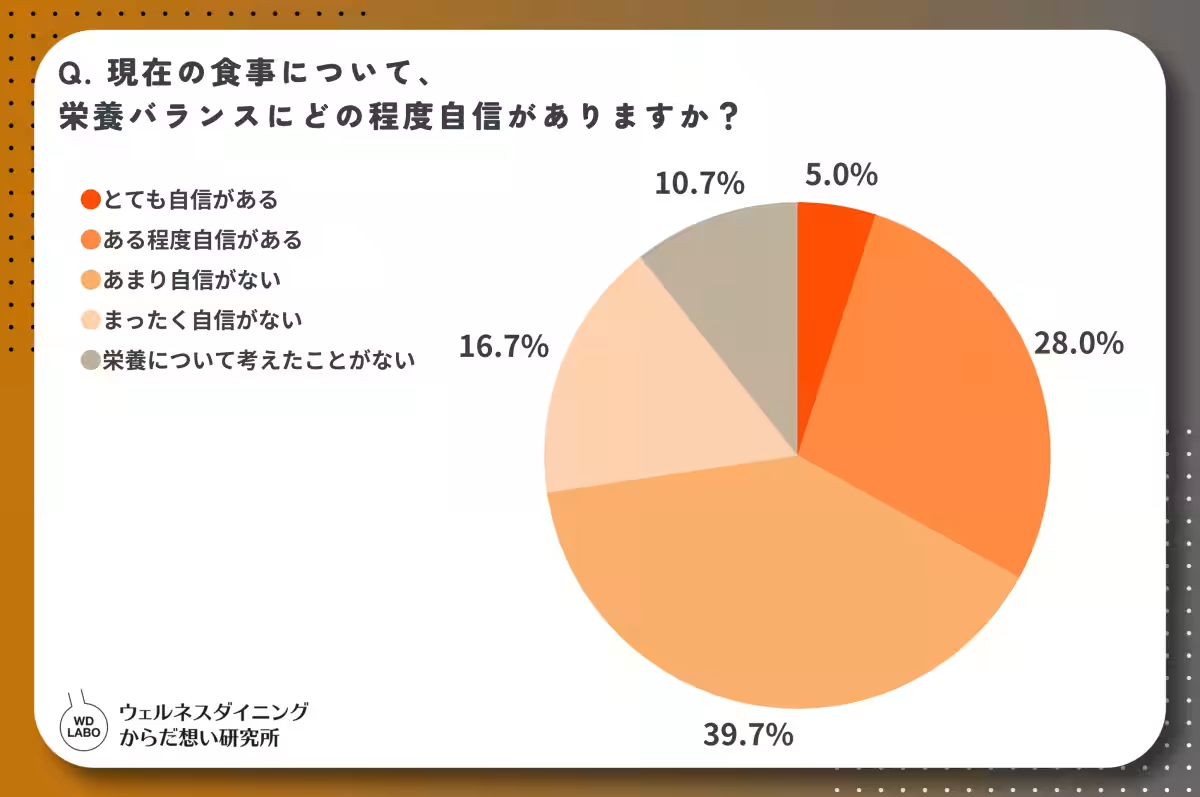
The results indicate that approximately 56.4% of respondents expressed a lack of confidence in their current dietary nutritional balance. This suggests there is a widespread uncertainty about the adequacy of their diet, combined with the recognition of issues with weight and body image.
High Awareness of the Term But Limited Understanding
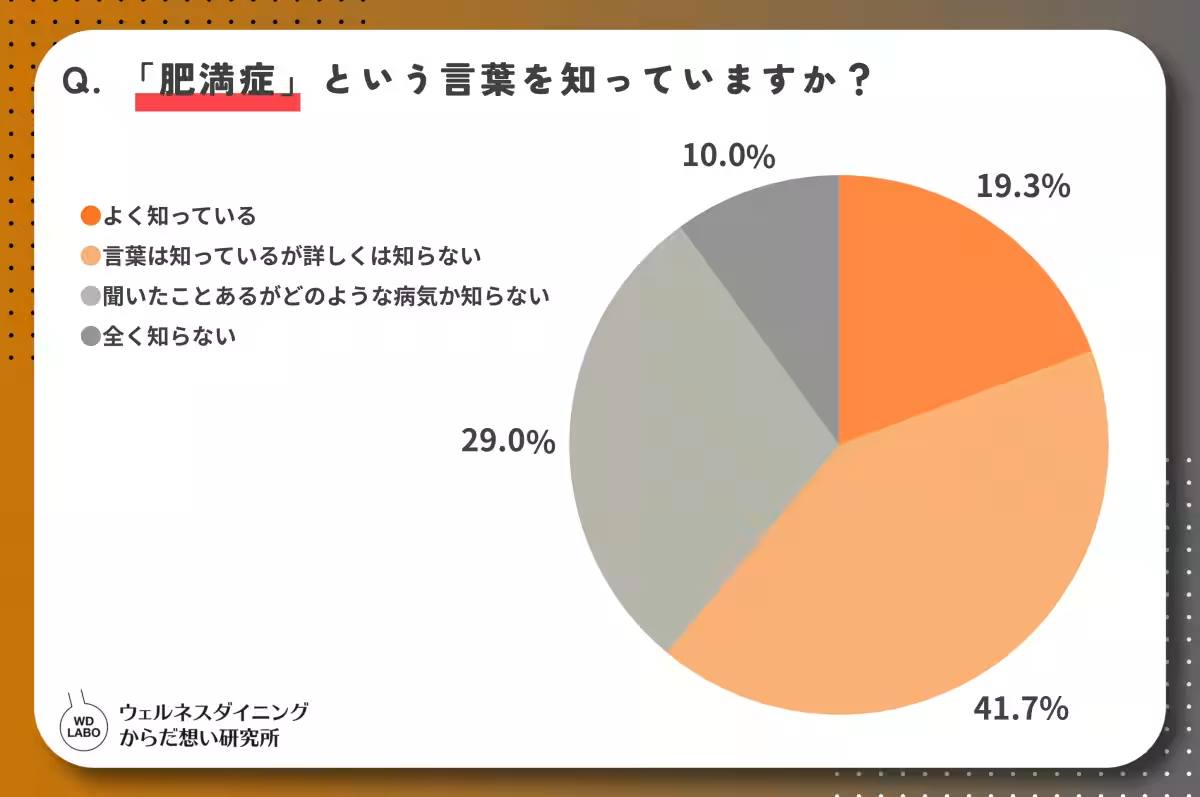
While nearly 90% of participants reported familiarity with the term “obesity,” an alarming 70% admitted to not knowing its detailed implications. This signals a critical need for educational outreach about what obesity truly entails, reinforcing the disparity between awareness and comprehensive understanding.
Dietary Measures and Actions Taken
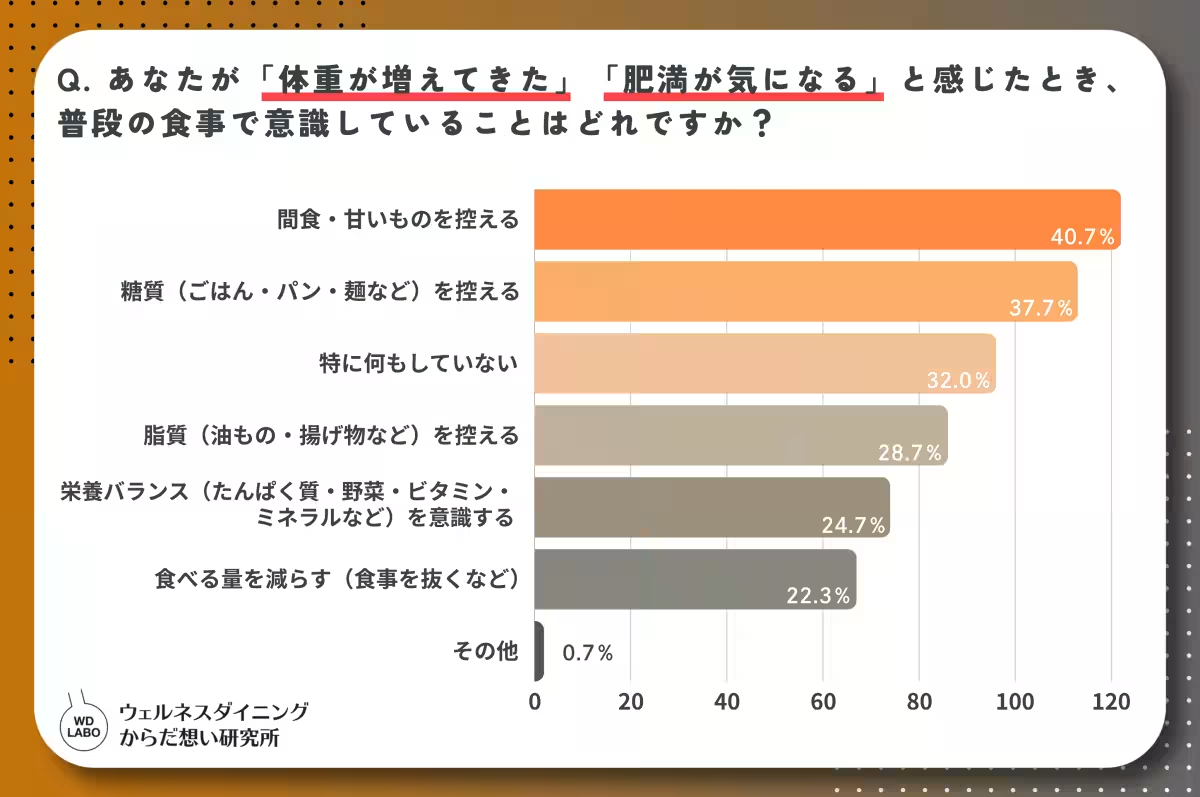
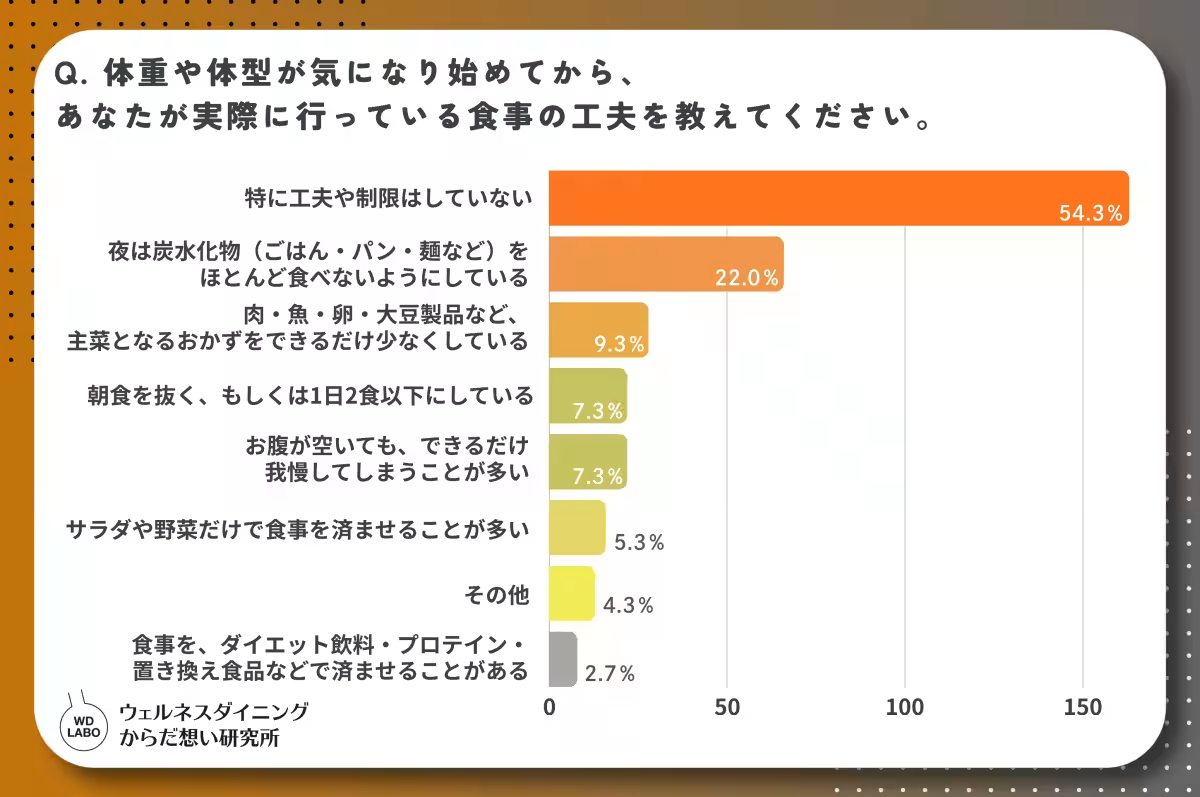
When queried about dietary measures taken in response to weight concerns, the most common strategy adopted was to limit snacks and sweets, with 40.7% opting for this approach. However, 54.3% admitted they were not making any specific dietary modifications. The lack of structured dietary approaches reflects a potential inertia in tackling obesity effectively.
Inadequate Nutritional Awareness
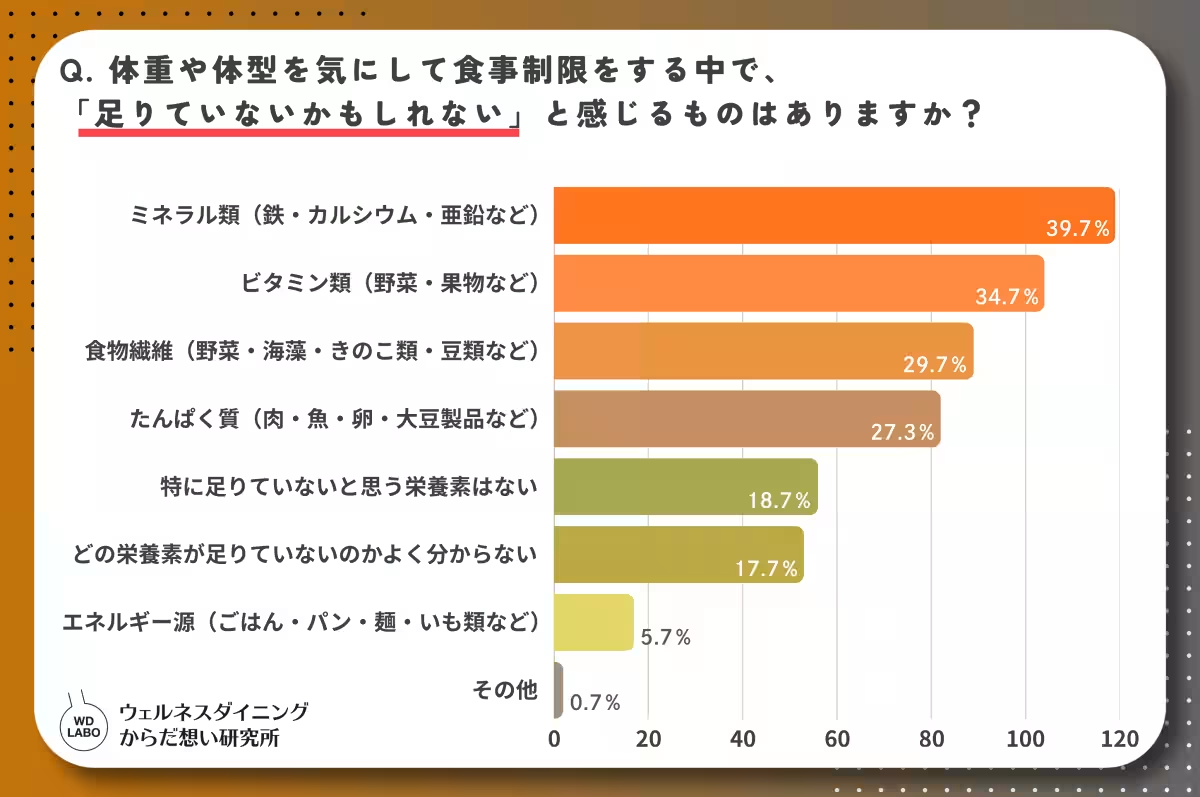
Even among those attempting to manage their diets, there exists a struggle to maintain an adequate nutritional balance. A significant portion of respondents indicated that they feel deprived of essential nutrients such as minerals (39.7%) and vitamins (34.7%) during their dietary restrictions. This highlights the inherently unsustainable nature of their strategies, which places them at risk of deficiencies.
Support from Experts
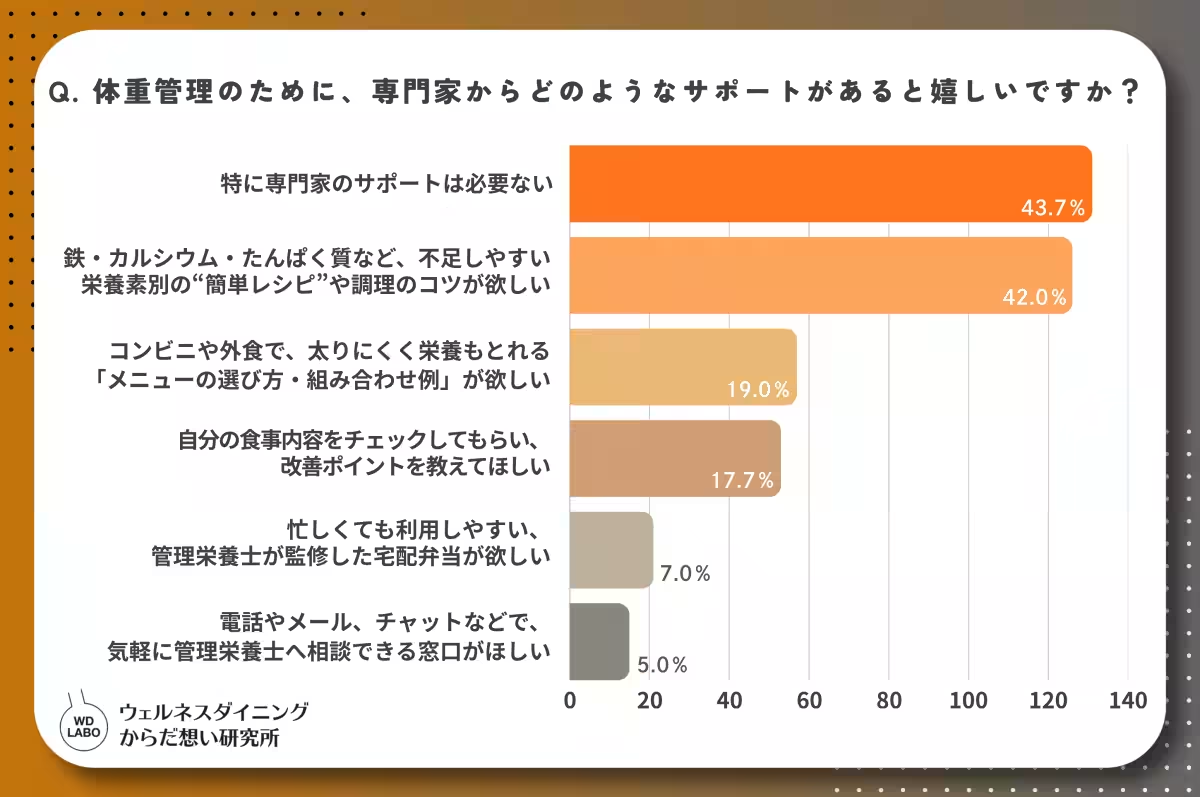
Interestingly, while 43.7% expressed that they did not feel a need for professional support, a notable 42% desired some form of expert advice regarding recipes and cooking tips focused on nutrients that are often lacking in diets. This shows a duality in the population -- they acknowledge the complexity of nutritional needs but lack actionable strategies to address them.
Bridging the Knowledge and Action Gap
With awareness of obesity high but actionable measures low, it becomes critical for society to find ways to bridge this gap. It is essential for individuals to not only recognize the need for dietary changes but also to understand how to achieve them effectively.
Practical Approaches to Healthy Weight Management
A focus on balanced nutrition rather than restrictive diets is vital. Here are some effective strategies:
1. Incorporate a Variety of Nutrients: Following the principle of “mago way,” consumption of a variety of foods, including legumes, seaweed, vegetables, fish, and mushrooms, is essential for ensuring adequate intake of vitamins and minerals.
2. Ensure Sufficient Protein: Getting enough high-quality protein from sources like poultry, fish, eggs, and plant-based equivalents is crucial for maintaining muscle mass and overall health.
3. Emphasize Sustainability Over Perfection: Finding manageable methods such as utilizing meal delivery services or pre-prepared healthy meals can ease the burden of daily meal preparation, making dietary changes sustainable over time.
These strategies support not just weight management but overall health and vitality.
Final Thoughts
In conclusion, while awareness of obesity is high among individuals, the actual measures taken to combat it are lacking. Individuals need to transform their knowledge into actionable, sustainable practices focusing on balanced nutrition. With concerted efforts in awareness and education, the gap can be bridged, leading to healthier lifestyles for many.
Survey Overview
- - Survey Name: Obesity Awareness Survey
- - Conducted by: Wellness Dining Co., Ltd.
- - Participants: 300 adults aged 25-65
- - Method: Internet-based closed questionnaire
- - Period: July 2026
- - Note: Percentages may not total 100% due to rounding.
About Wellness Dining
Wellness Dining is dedicated to supporting healthy lifestyles through well-balanced meal options, including tailored diets for those needing nutritional guidance. Their goal is to engage with individuals and provide assistance beyond just meal provision, ensuring comprehensive support for health improvement.


Topics Health)









【About Using Articles】
You can freely use the title and article content by linking to the page where the article is posted.
※ Images cannot be used.
【About Links】
Links are free to use.