



Challenges Arising from Mandatory IC Chip Identification Implementation: A Study by Liquid
The Challenges of Mandatory IC Chip Identification: Insights from Liquid's Survey
In a recent study conducted by Liquid Inc., part of ELEMENTS Group, 500 individuals aged 20 and above participated to examine the implications of mandatory IC chip identification. This requirement is emerging in response to a rise in identity fraud, which often involves the forgery of identification documents. As a result, the use of IC chips from driver's licenses and My Number cards has been mandated for online identity verification processes such as account openings and mobile contracts.
The purpose of the survey was to gauge users' understanding of this upcoming legal change and to identify the operational challenges associated with the implementation of the IC chip method. The data revealed notable obstacles in user experience, particularly in processing efficiency and accessibility.
Key Findings from the Survey
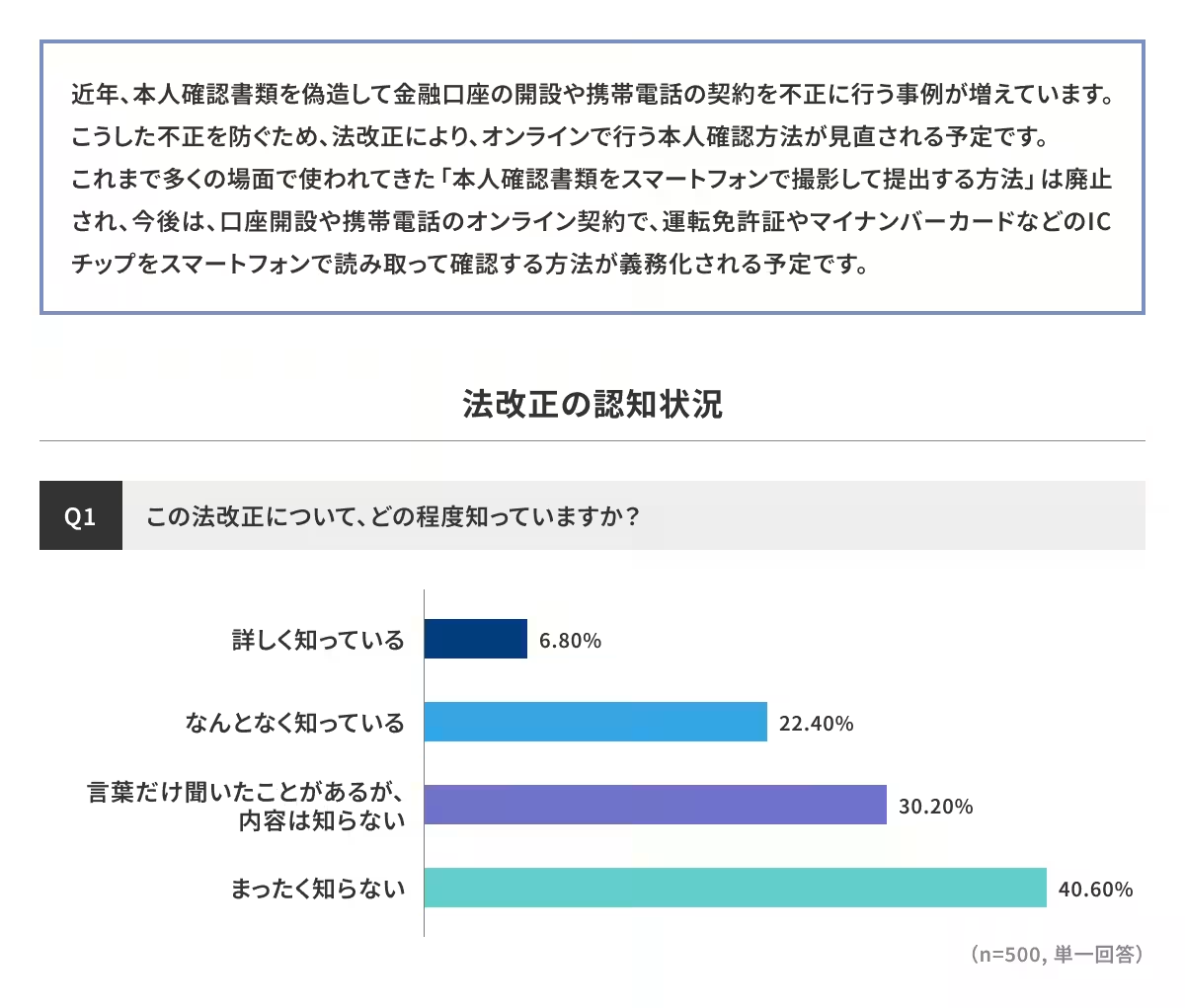
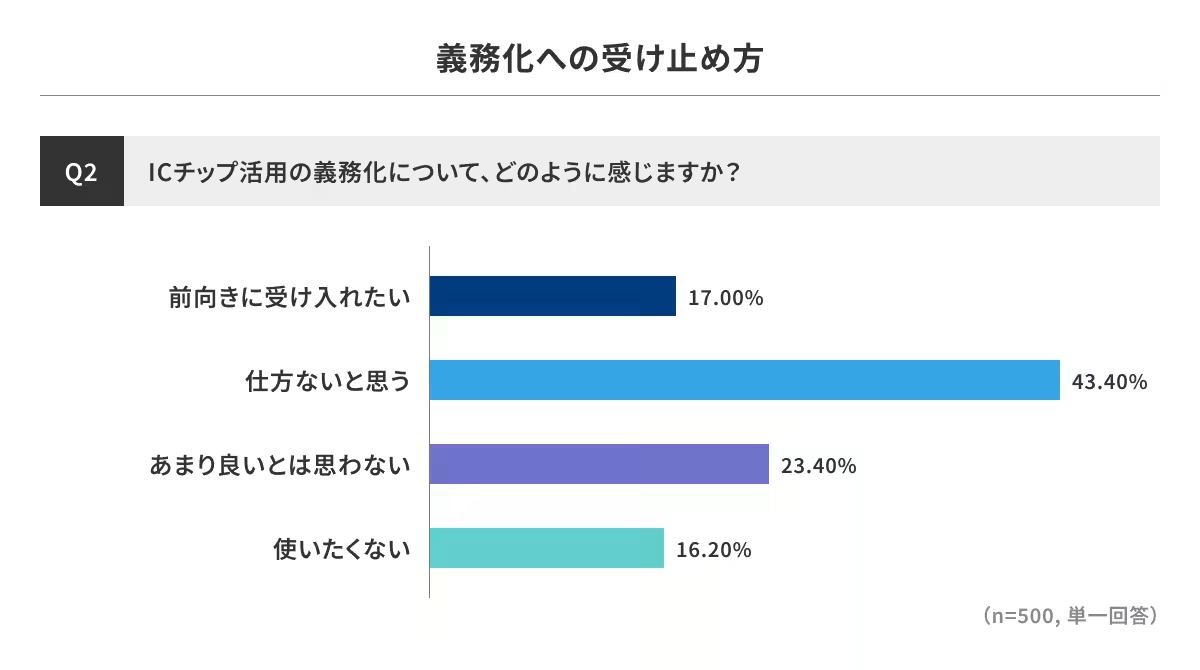
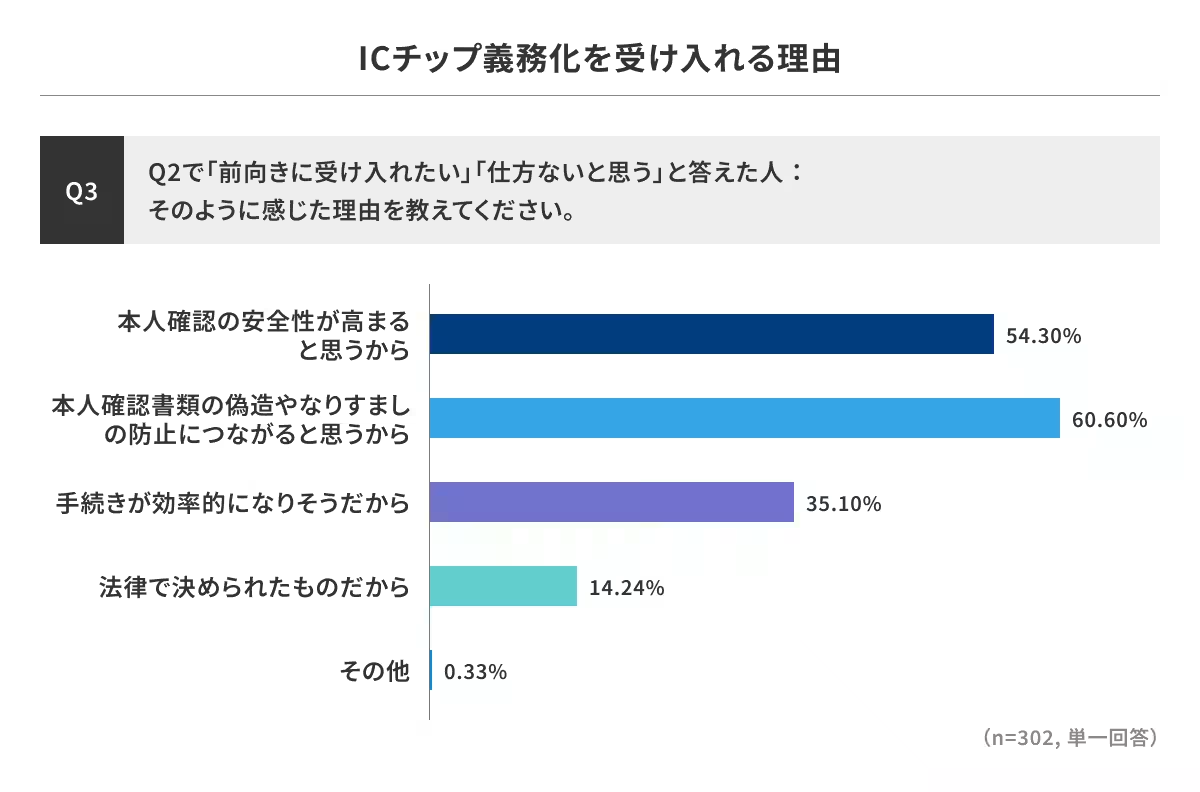
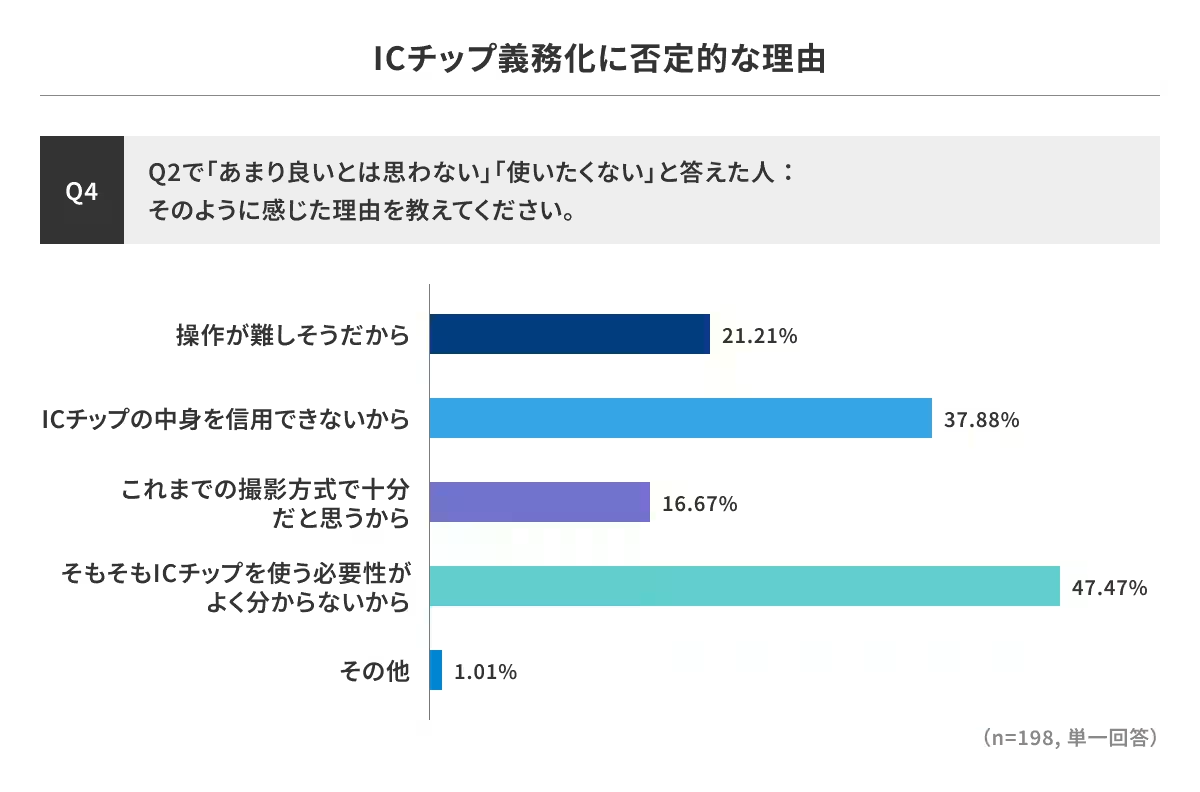
The findings indicated that while over 60% of respondents expressed a positive attitude toward the mandatory use of IC chips, a significant gap exists in deeper understanding of the law's specifics where only 6.8% claimed to be well-informed. Many respondents recognized the importance of the system, citing reasons like 'enhanced security' and 'prevention of forgery,' but concerns lingered, particularly around the necessity and reliability of the IC chip content.
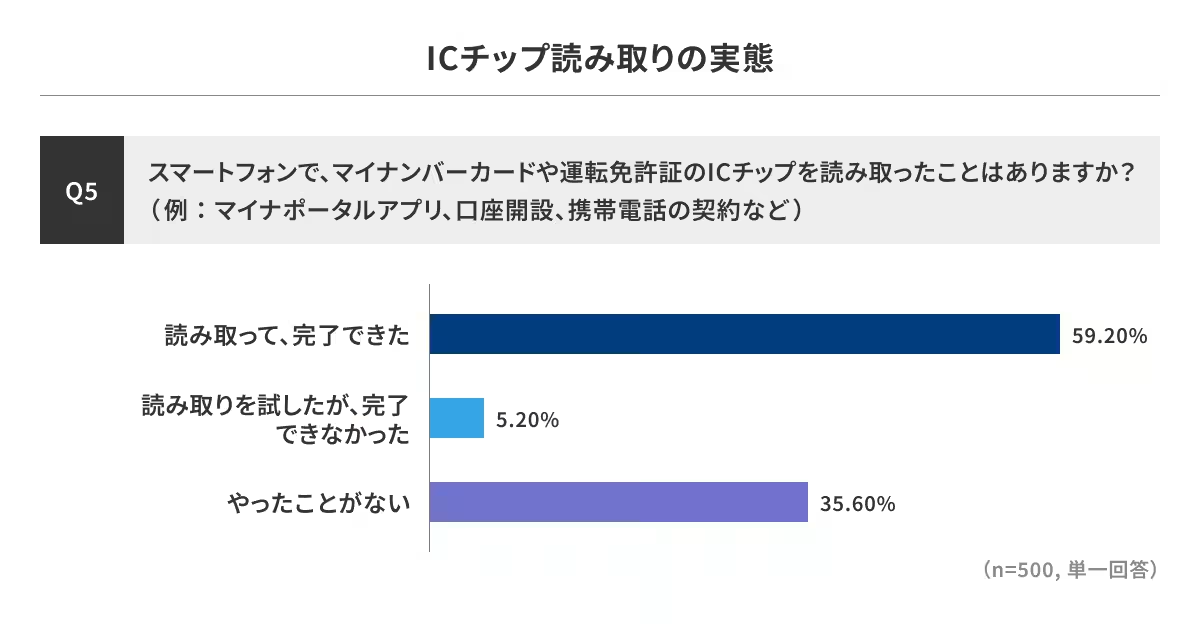
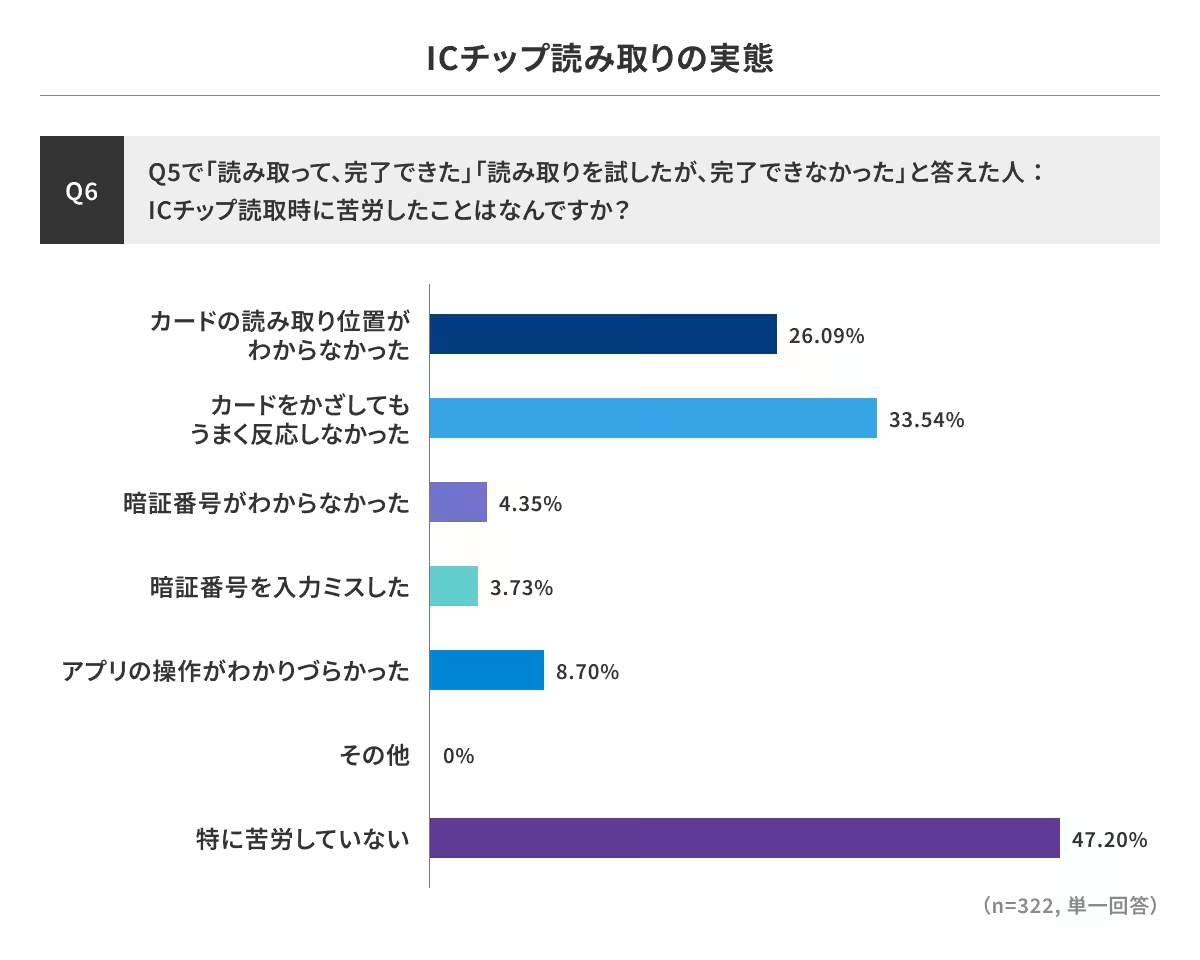
In terms of user experience, many participants acknowledged encountering difficulties, including confusions over read locations and issues with response times when using IC chips. Notably, almost 64.4% had attempted to read an IC chip using their smartphone, demonstrating familiarity, yet many experienced operational glitches that revealed a need for further education and support.
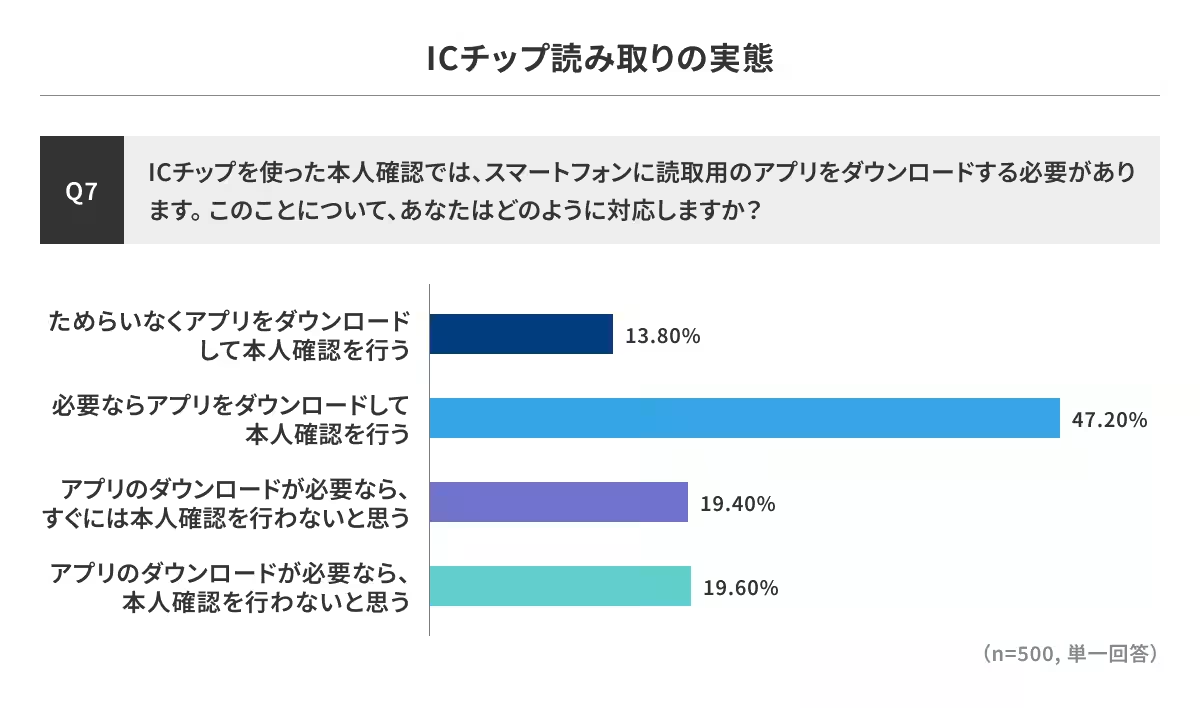
Even with the positive reception of the transition, nearly 39% of survey respondents showed hesitance to download the applications necessary for IC chip reading, indicating psychological hurdles to widespread adoption.
The Expansion of IC Chip Utilization
On the business side, Liquid’s online identity verification service has been adopted by over 600 companies, processing approximately one million identity checks monthly. The increase in companies utilizing the IC chip method has surged by nearly 50% compared to the previous year. Notably, Liquid's eKYC service maintains the leading market share in the electronic Know Your Customer (eKYC) segment, showcasing the substantial scaling of IC chip adoption.
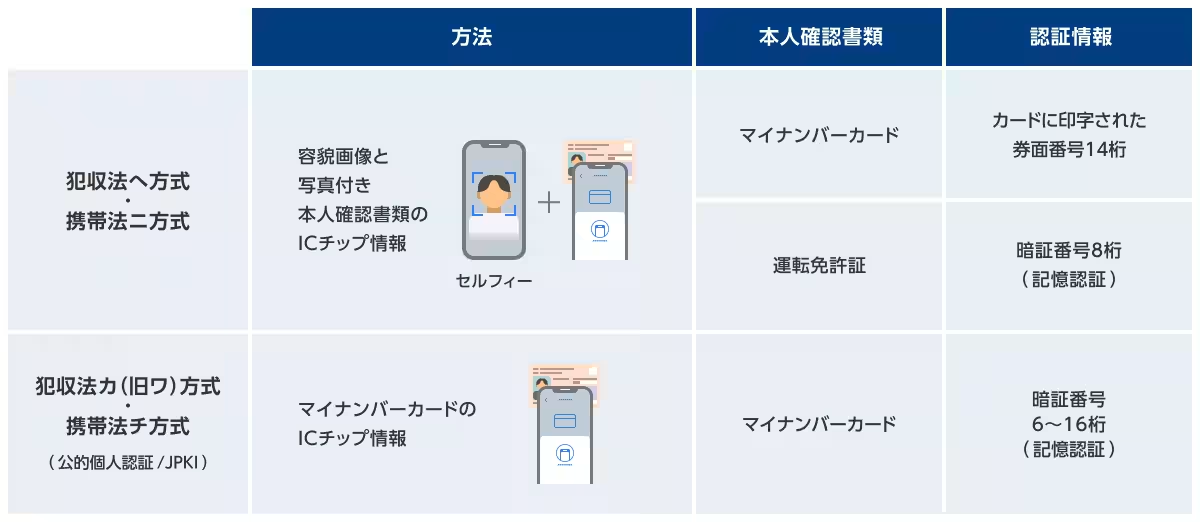
In terms of performance metrics, the survey highlighted that identity confirmation through My Number cards yielded a significantly higher completion rate than alternatives, providing a more efficient pathway for customer verification without the need for PINs, which often led to drop-offs due to forgotten credentials.
Unfortunately, the study also exposed issues with the digital public personal authentication system (JPKI), where approximately 30% of users faced challenges due to forgotten PINs, underscoring operational hurdles linked to identity verification methods that are contingent on numerical security codes.
The Future of IC Chip Identification
Liquid aims to bridge the gap between the evolving regulatory landscape and users' understanding through educational campaigns and a user-friendly service approach. The shift towards digital verification methods is gaining traction, and with it, the emphasis on security and user experience will be pivotal.
The need for a comprehensive support structure alongside the technological implementation cannot be underestimated, particularly as Liquid positions itself as a leader in this transformative era. The ongoing adaptation by businesses and users alike will determine the success of mandated IC chip identification and will set the tone for future digital verification strategies in Japan and beyond.
As Liquid and its affiliates continue to innovate in this space, bridging technological challenges with user education will be essential for seamless transitions to new verification standards.
Topics Business Technology)
【About Using Articles】
You can freely use the title and article content by linking to the page where the article is posted.
※ Images cannot be used.
【About Links】
Links are free to use.