



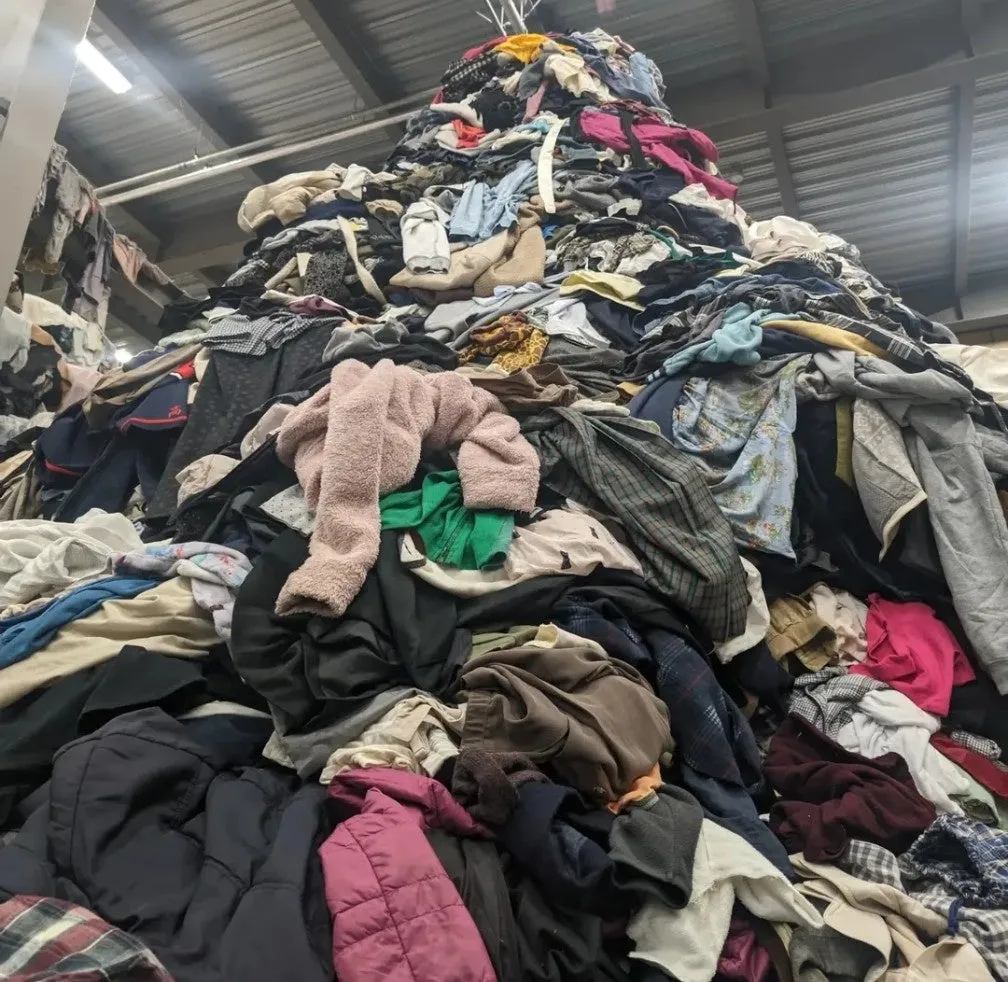
Low-Cost Device for Efficient Sorting of Apparel Waste to Address Textile Disposal Issues
Addressing Textile Waste with Innovative Sorting Technology
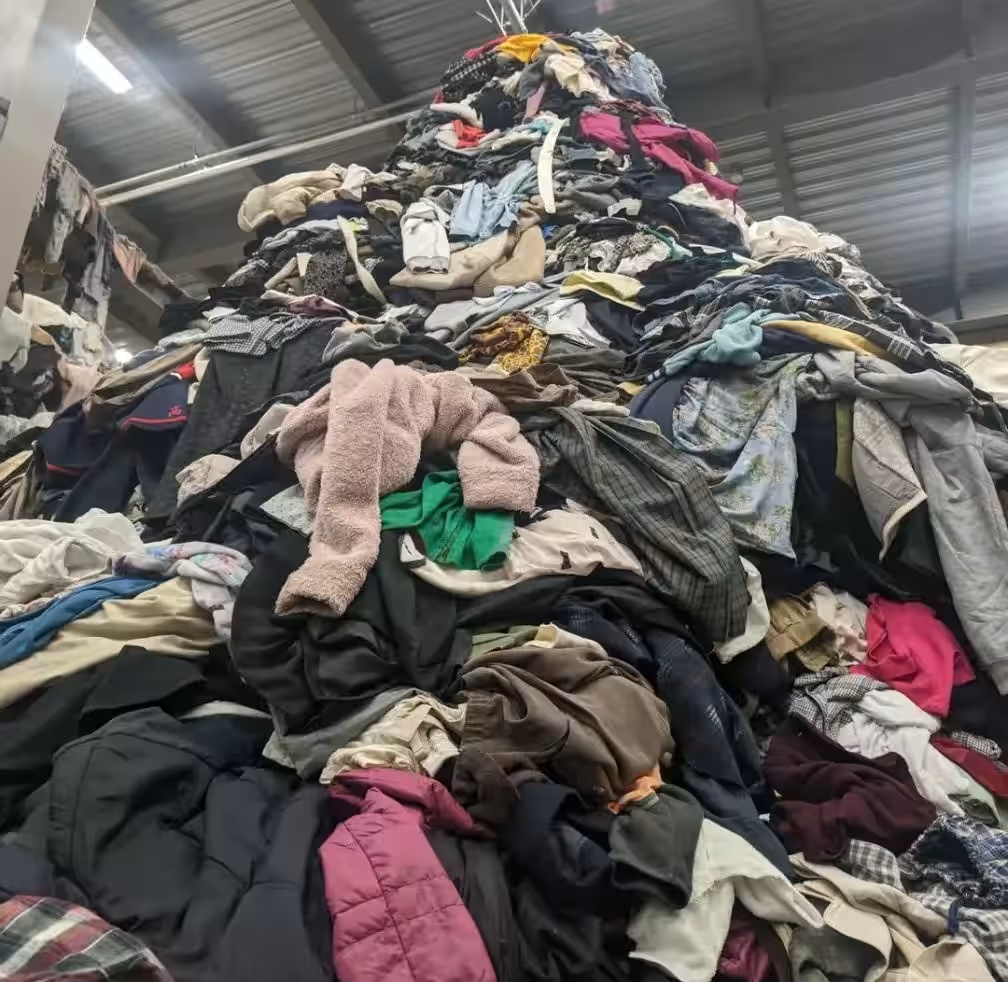
In recent years, the apparel industry has faced increasing pressure to manage textile waste effectively. The challenge lies predominantly in the sorting process, which has relied heavily on labor-intensive methods like visual inspection, touch, and label identification. This method not only consumes time but is far from efficient in a world striving for sustainability.
To tackle this problem, the Nissenken Quality Evaluation Center, a general incorporated foundation, is pioneering the development of a palm-sized near-infrared spectrometer. This device is designed to assist in the sorting of collected garments by accurately identifying their material composition at remarkable speeds. The project has received recognition and funding under the Environmental Research Promotion Fund governed by Japan's Ministry of the Environment.
Overview of the Research
As sustainable fashion becomes more mainstream, the necessity for recycling used clothing has escalated. The current dependence on manual sorting methods creates substantial inefficiencies, hindering the recycling process. The research team aims to combine the compact near-infrared spectrograph with multivariate analysis to create a sorting device that can rapidly and accurately identify fabrics. This device particularly focuses on clothing made of blended materials, specifically those with more than 80% wool content—ideal for recycling purposes.
By achieving an accuracy rate of over 90% in material identification, the team aspires to facilitate more effective recycling by ensuring that suitable materials are sorted for specific purposes. Unlike existing expensive automated systems commonly employed in Europe, Nissenken’s approach emphasizes practicality and cost-efficiency. Their goal is to develop equipment under 1,000,000 yen for easier implementation at domestic sorting and collection sites.
Contribution to Sustainable Society
This initiative aims to address the challenges involved in the preprocessing of fiber-to-fiber recycling. By stabilizing the supply of recyclable resources and reducing the amount of wasted clothing, Nissenken's project is a step toward achieving a sustainable society. The foundation remains committed to advancing research and development that supports environmental initiatives, leveraging their expertise in quality evaluation and testing.
About the Research Background
The research was selected under the Innovative Research and Development category, specifically in the Resource Circulation domain. Leading the research is Miyuki Funahashi, who emphasizes the importance of developing a low-cost, portable sorting assistance device instead of large, expensive machinery. The aim is to implement practical applications of spectrometry and machine learning, aligning with the environmentally focused policies set forth by the Ministry of the Environment under the Sixth Basic Environmental Plan.
Eco-Friendly Goals
By enhancing the recycling process, Nissenken aims to bolster the overall clothing circulation system in the apparel industry. This work contributes directly to the national agenda for promoting sustainable fashion by providing accessible technologies that help streamline the recycling process.
More about Nissenken Quality Evaluation Center
Since its establishment in 1948, Nissenken has played a pivotal role in evaluating the safety and functionality of textile products through rigorous testing and inspection. It stands out as the sole Eco-Test® certified body in Asia, maintaining the highest safety standards.
In addition to testing service offerings—including anti-bacterial, antiviral functionality tests, and chemical analyses—Nissenken provides support for companies looking to expand into overseas markets. Their commitment to fostering innovations in quality assurance and sustainability positions them as a valuable partner in creating new value within the textile industry.
For more detailed information about Nissenken's ongoing projects and research developments, visit their official website.

Topics Consumer Technology)
【About Using Articles】
You can freely use the title and article content by linking to the page where the article is posted.
※ Images cannot be used.
【About Links】
Links are free to use.