



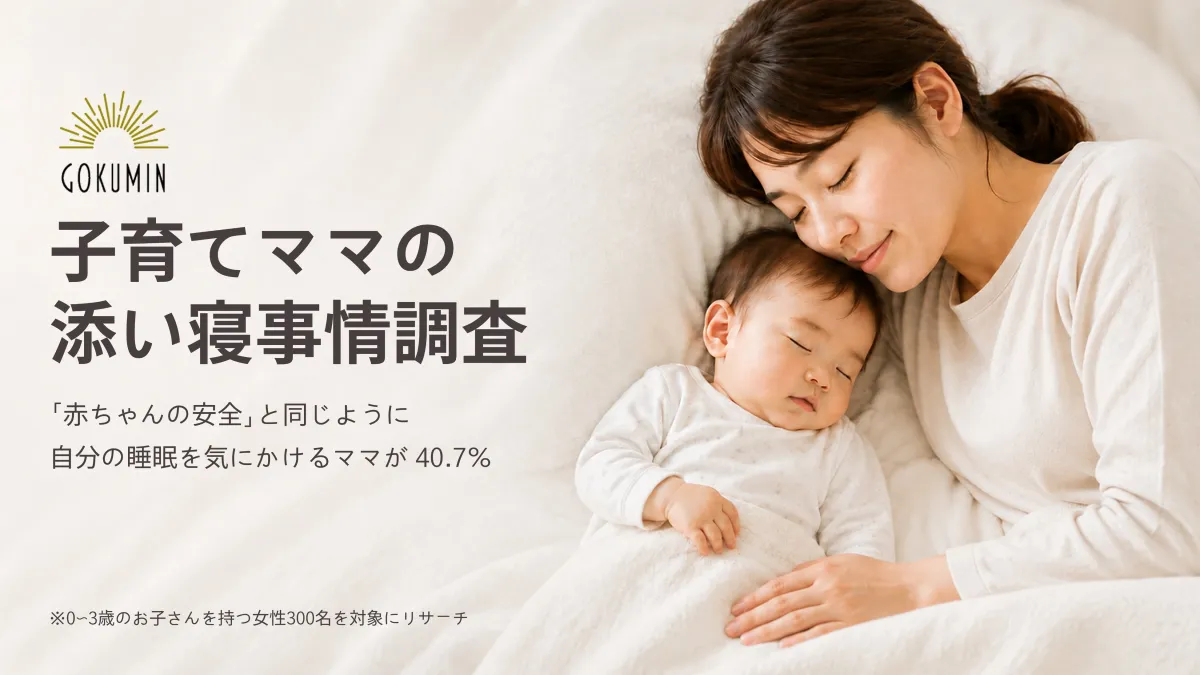
Survey Reveals Insights on Co-Sleeping and Sleep Quality for Mothers with Toddlers
Unraveling the Complexities of Co-Sleeping
In an insightful survey conducted by GOKUMIN, a comprehensive bedding brand based in Tokyo, 300 mothers living with children aged 0 to 3 years shared their experiences regarding the realities of co-sleeping. As many families embrace co-sleeping during the formative years of their child's life, concerns about safety and personal sleep quality emerged as prominent themes.
The Co-Sleeping Reality
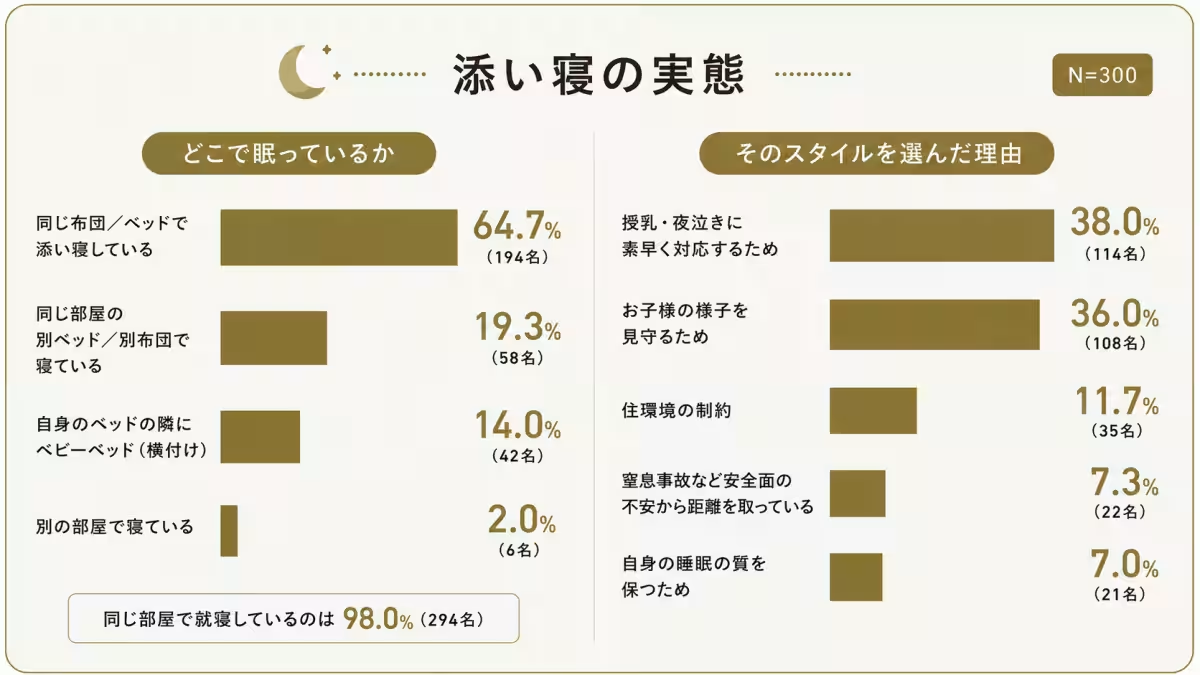
According to the findings, a significant 64.7% of the respondents sleep in the same bed or futon as their child, while 19.3% share the same room but sleep in different beds. Interestingly, only 2% of mothers indicated that they sleep in separate rooms from their toddlers, highlighting the prevailing practice of co-sleeping among the surveyed group.
The mothers cited various reasons for their co-sleeping arrangements. Notably, 38% indicated the need for quick access during breastfeeding or to respond to their child's nighttime cries, while 36% mentioned the desire to keep a close eye on their children. Environmental constraints and safety concerns about suffocation were also voiced by a minority of participants.
Safety and Sleep Concerns
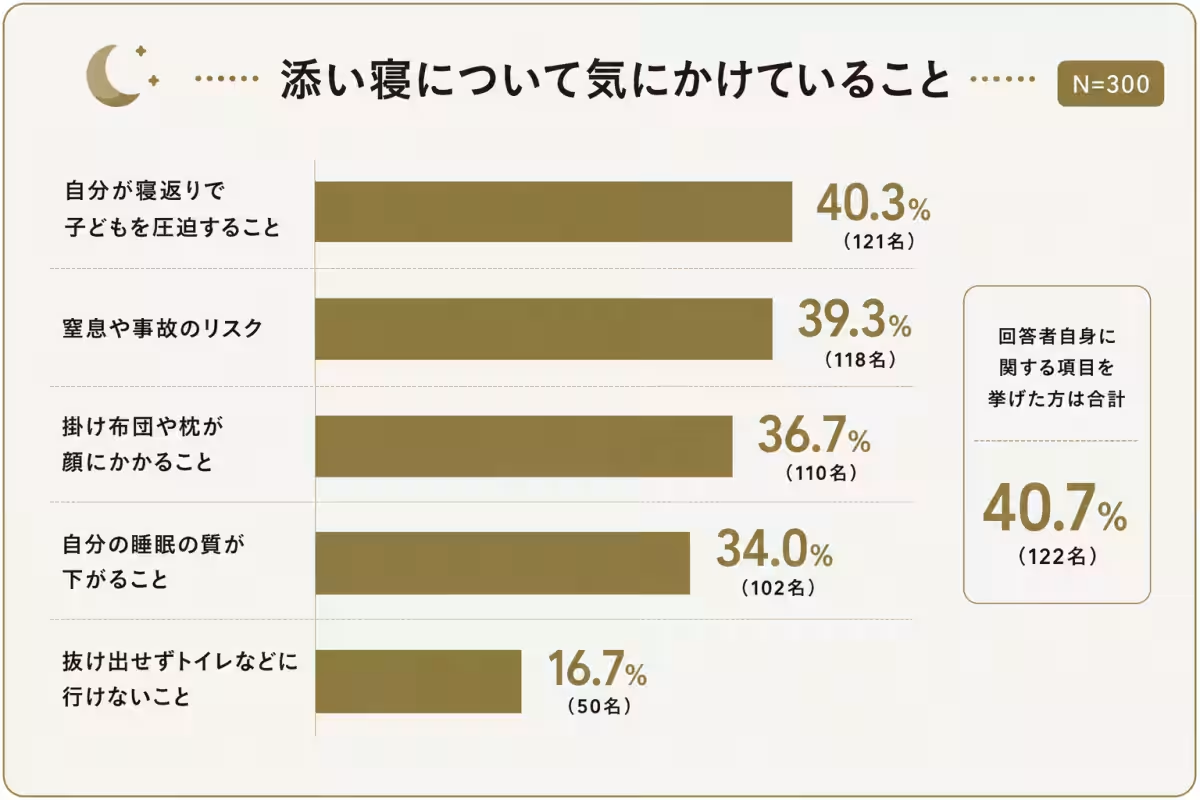
One of the key findings of the survey was the dual concern of mothers regarding their child's safety and their own quality of sleep. Approximately 40.3% of respondents expressed worry about accidentally rolling over and suffocating their child, while 39.3% noted risks surrounding suffocation or accidents. Additionally, 36.7% were concerned about bedding or pillows potentially obstructing their child’s face.
The implications of these concerns are stark, revealing that nearly 40.7% of mothers are not only worried about their child’s safety, but also about how these arrangements affect their ability to rest adequately.
The Caregiver's Dilemma
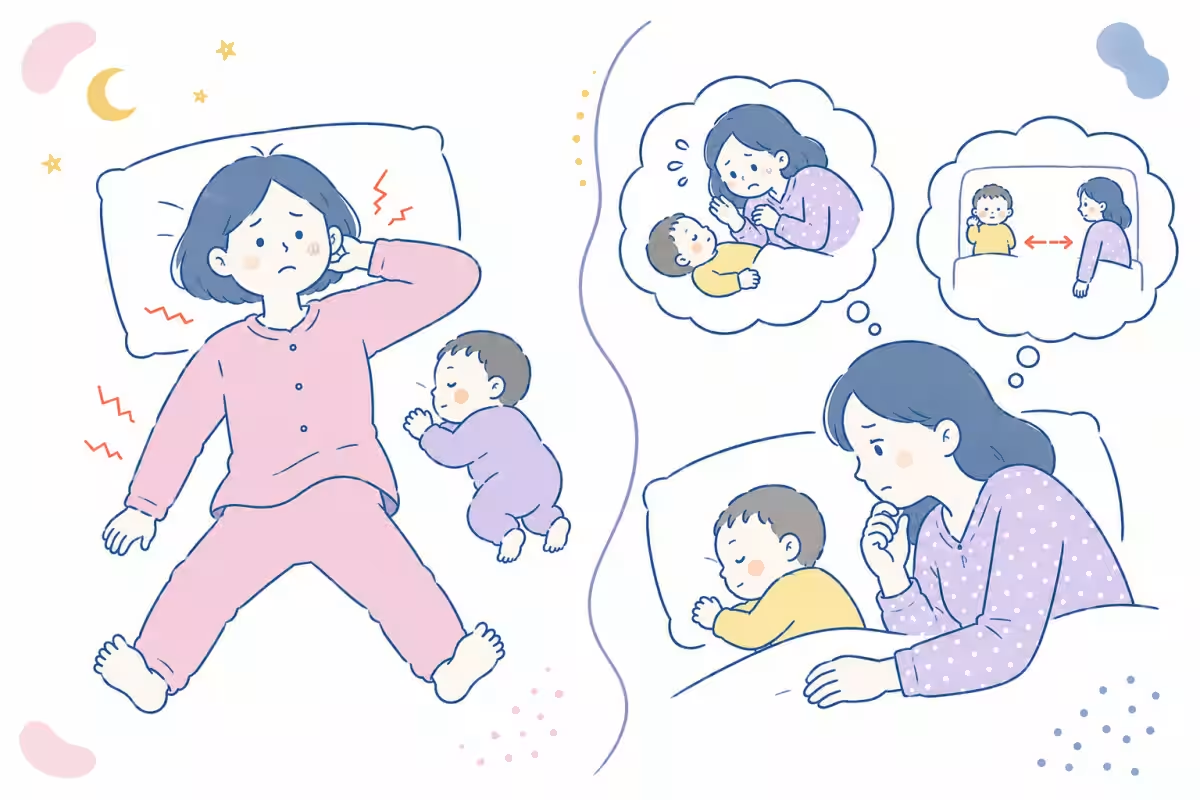
Mothers are caught in a balance between ensuring their child's safety and achieving sufficient sleep themselves. One mother commented, “Sleeping closely with my child brings comfort, yet I constantly fear rolling over onto them and waking up to their nightmovements.” Such comments reflect a pervasive delicacy in the caregiving process where the parent’s well-being is inevitably tied to the child’s.
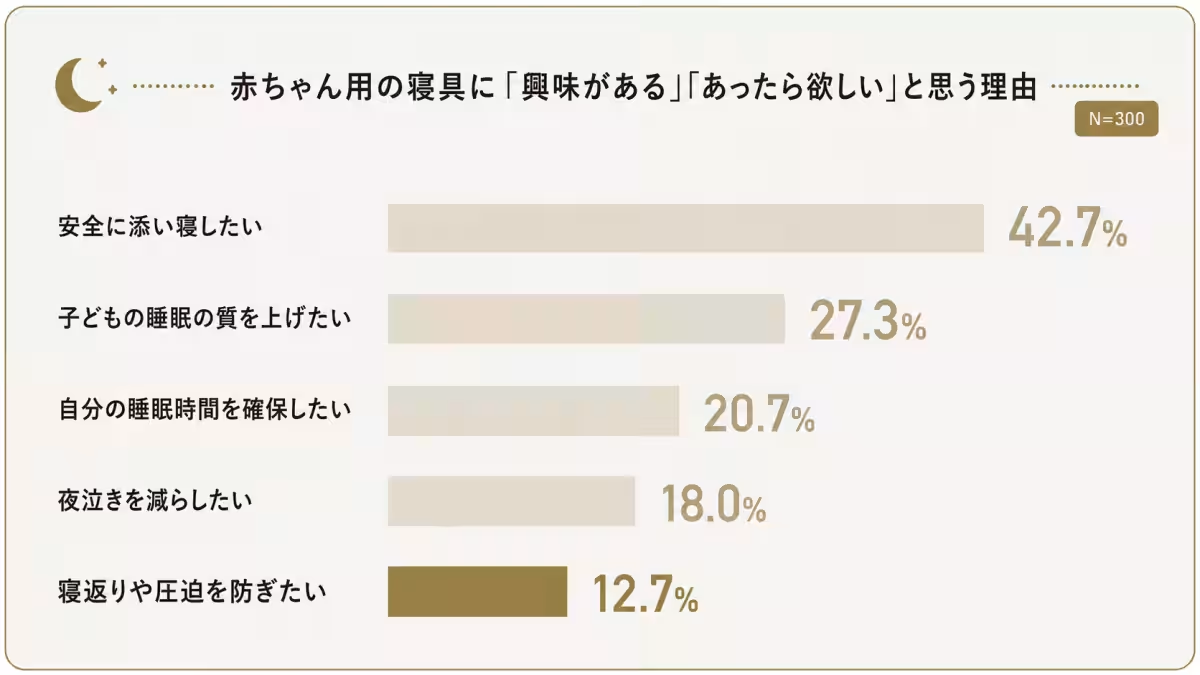
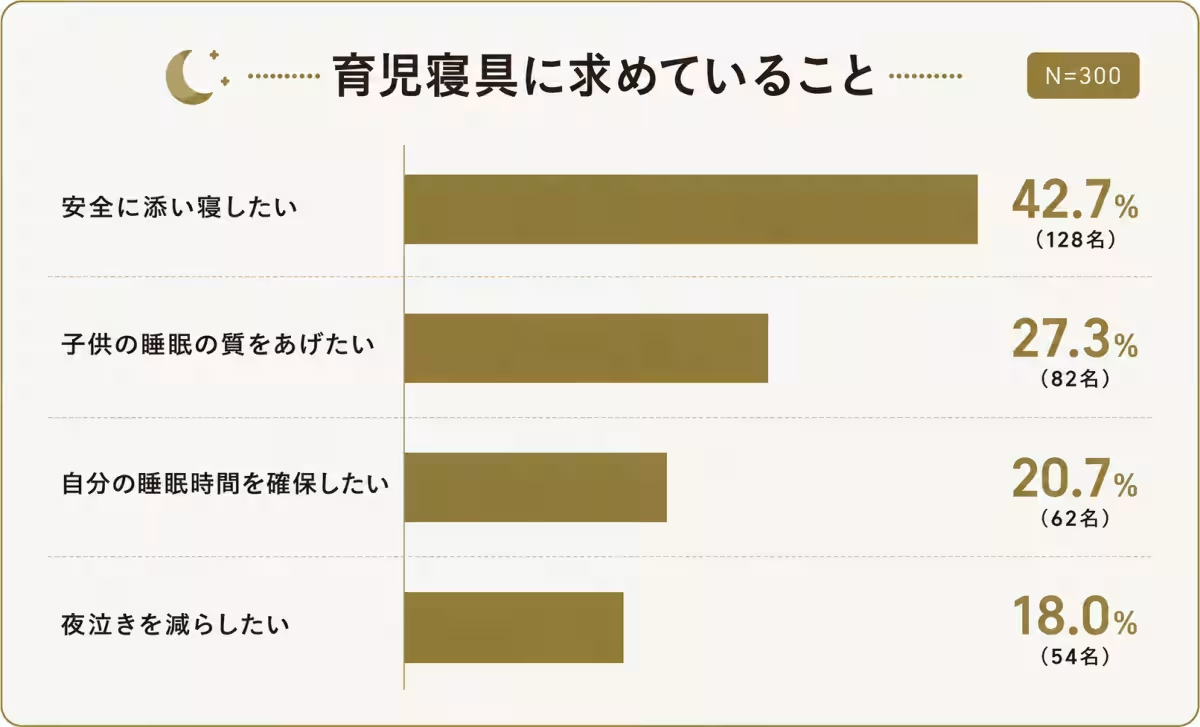
The survey also explored the features mothers look for in sleep products for their children. The majority indicated a desire for solutions that would enhance safety during co-sleeping (42.7%) and improve their child's sleep quality (27.3%). This alignment underscores the belief that a secure sleeping environment contributes significantly to reducing nighttime awakenings for toddlers, subsequently allowing for better sleep for parents.
Personal Experiences and Insights
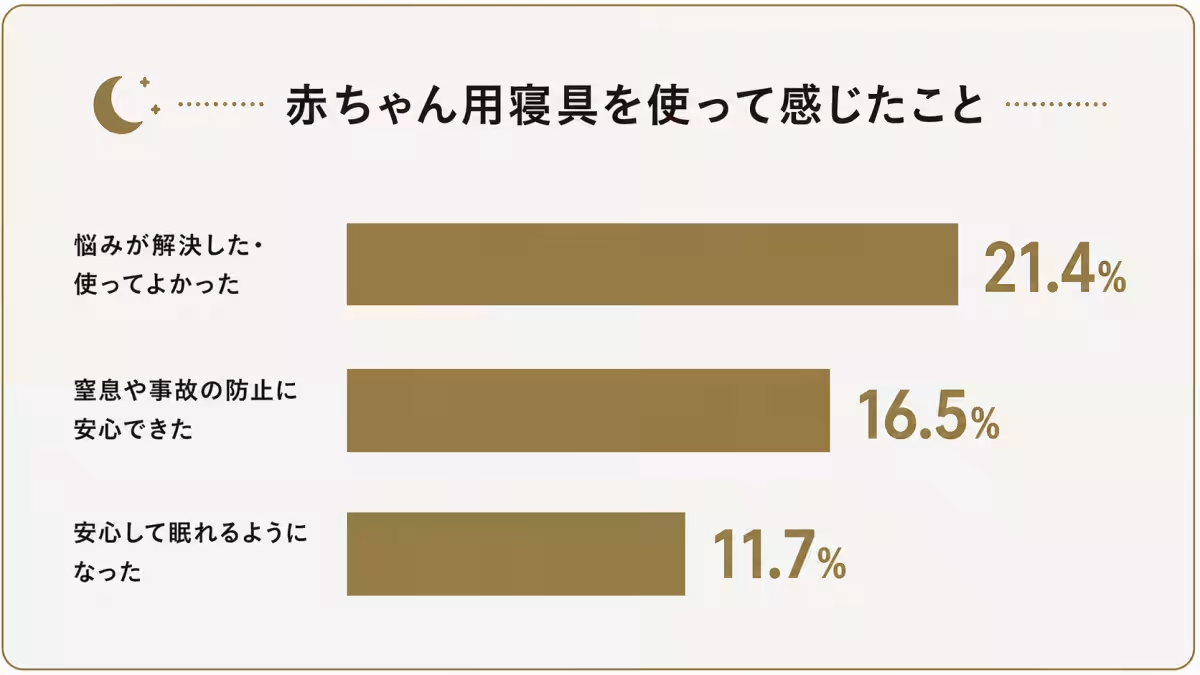
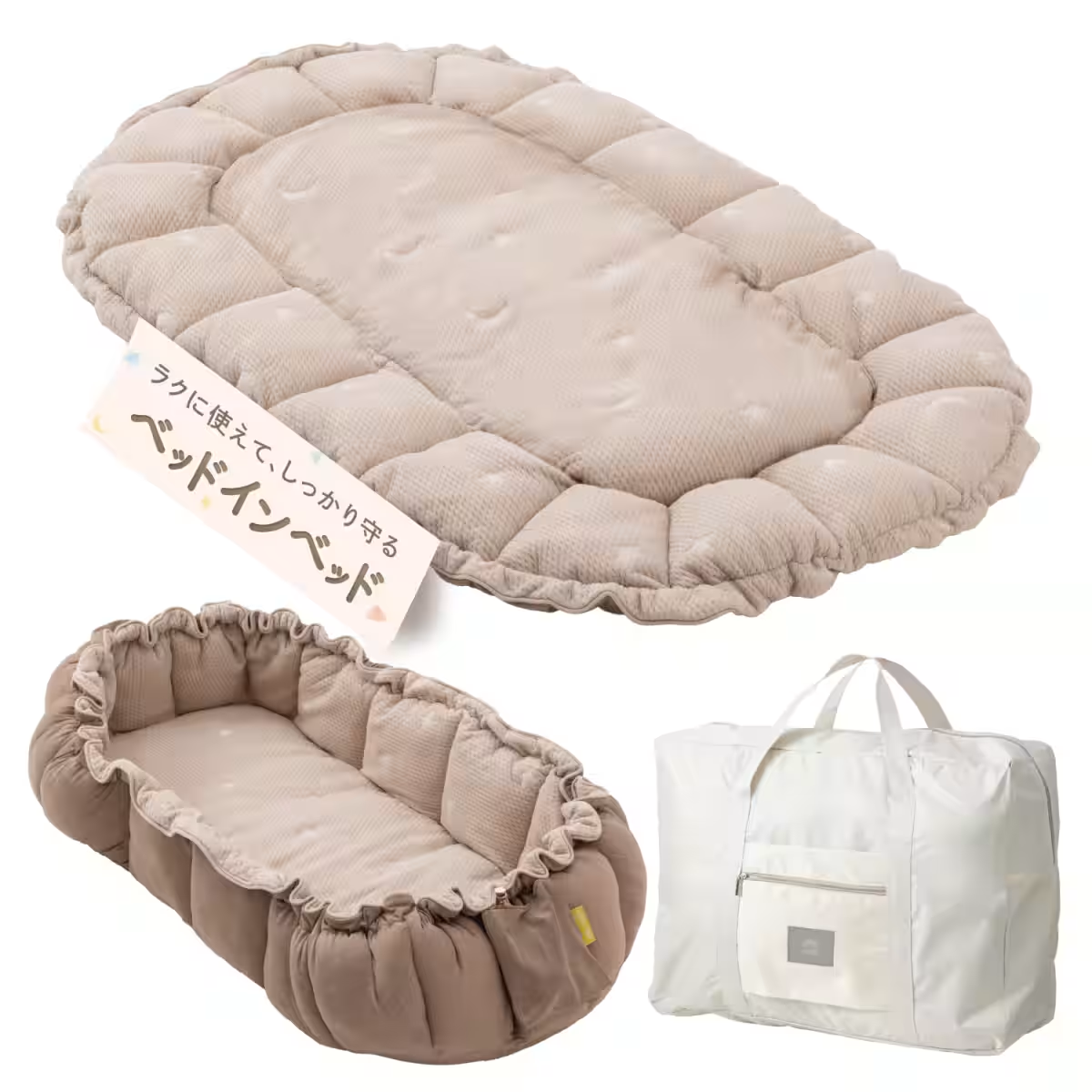
The feedback from respondents further illuminated the conversations surrounding their needs. Many mothers reported that enhanced products had alleviated some of their fears, contributing to a somewhat improved quality of sleep. One available product, the


Topics Consumer Products & Retail)
【About Using Articles】
You can freely use the title and article content by linking to the page where the article is posted.
※ Images cannot be used.
【About Links】
Links are free to use.