




Exploring the Acceptance and Reality of Digital Therapeutics in Japan
Understanding Digital Therapeutics in Japan
Digital therapeutics (DTx) have emerged as a vital component in modern healthcare, blending traditional medicine with innovative technology. Seed Planning Co., based in Bunkyo, Tokyo, has been actively engaged in assessing the acceptance and impact of DTx through comprehensive surveys targeting both physicians and patients. Their recent findings reveal significant trends and potential for growth within the Japanese market, set to reach a valuation of 1.6 billion yen by 2024.
Background and Purpose of the Survey
Over recent years, the pharmaceutical market has seen a shift towards a more integrated approach where medical needs are diversified and technological advancements, such as artificial intelligence, revolutionize healthcare delivery. In Japan, notable strides have been made with the approval of treatment apps, such as smoking cessation systems in 2020 and hypertension programs in 2022, with the expected inclusion of an alcohol dependency treatment program by September 2025.
This movement towards digital therapies reflects a global trend; in the United States, over 35 digital therapeutics have gained FDA approval between 2019 and 2024, while Europe, particularly Germany, leads with 70 products registered in the DiGA directory. These developments highlight the urgent need to categorize DTx as a third method of treatment alongside conventional options.
Survey Details and Insights
Seed Planning’s third round of surveys has shed light on the current landscape of digital therapeutics. The primary objective was to explore the awareness level of DTx among both medical professionals and patients, examining critical factors such as which diseases are deemed suitable for digital interventions, benefits and drawbacks, optimal use cases, and the challenges faced in their adoption compared to traditional treatments.
Key Findings
1. Awareness of DTx
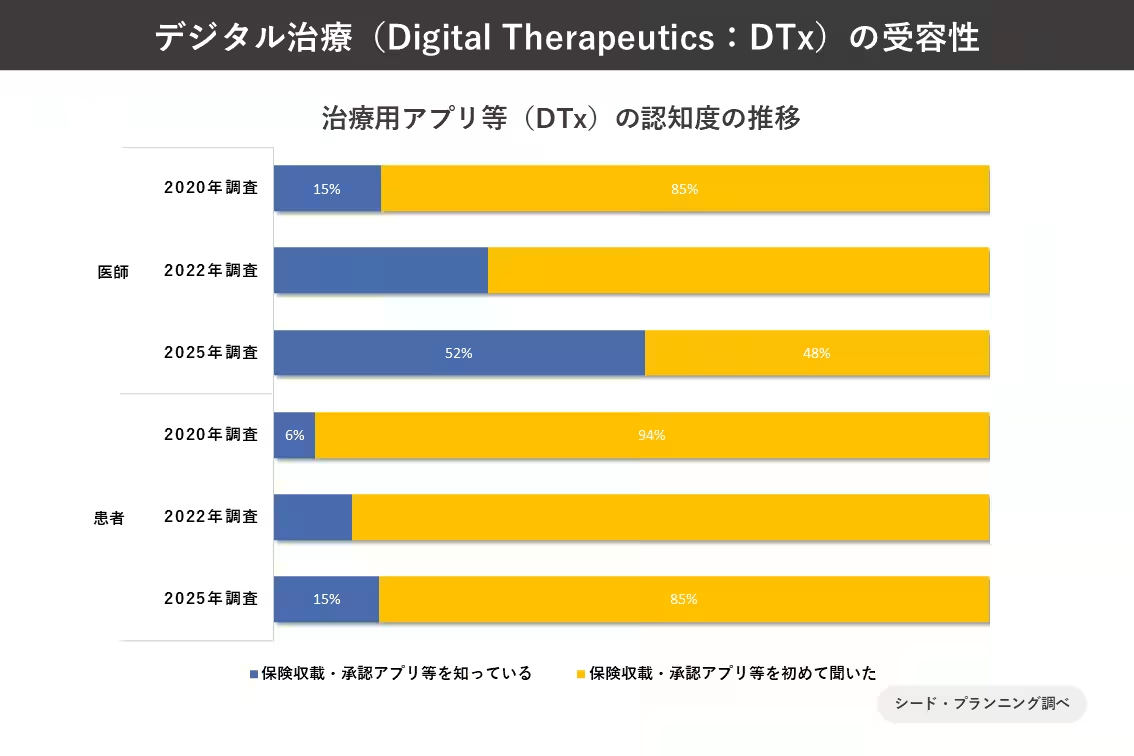
- The recognition of DTx among physicians has surged, with awareness levels climbing from 15% in 2020 to over 51% by 2025. In contrast, patient awareness lags behind, rising merely from 5.8% to 14.8% during the same period. This gap indicates a pressing need for initiatives aimed at enhancing patient awareness and engagement with digital treatment options.
2. Optimal Use Cases for DTx
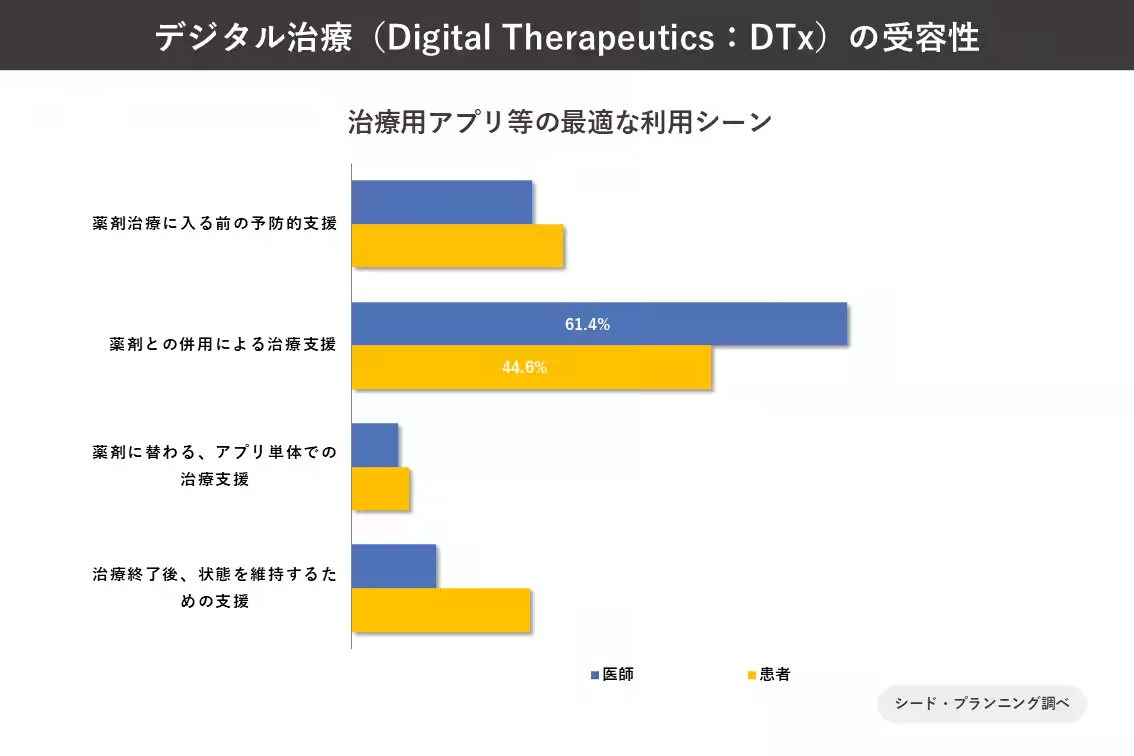
- Both physicians (over 60%) and patients (over 40%) recognized 'combined treatment with medication' as the most favorable application for DTx, signaling a desire for improved medication adherence through supportive digital tools. These findings suggest that integrating treatment apps can play a pivotal role in reinforcing compliance among patients during their treatment journey.
3. Market Projections
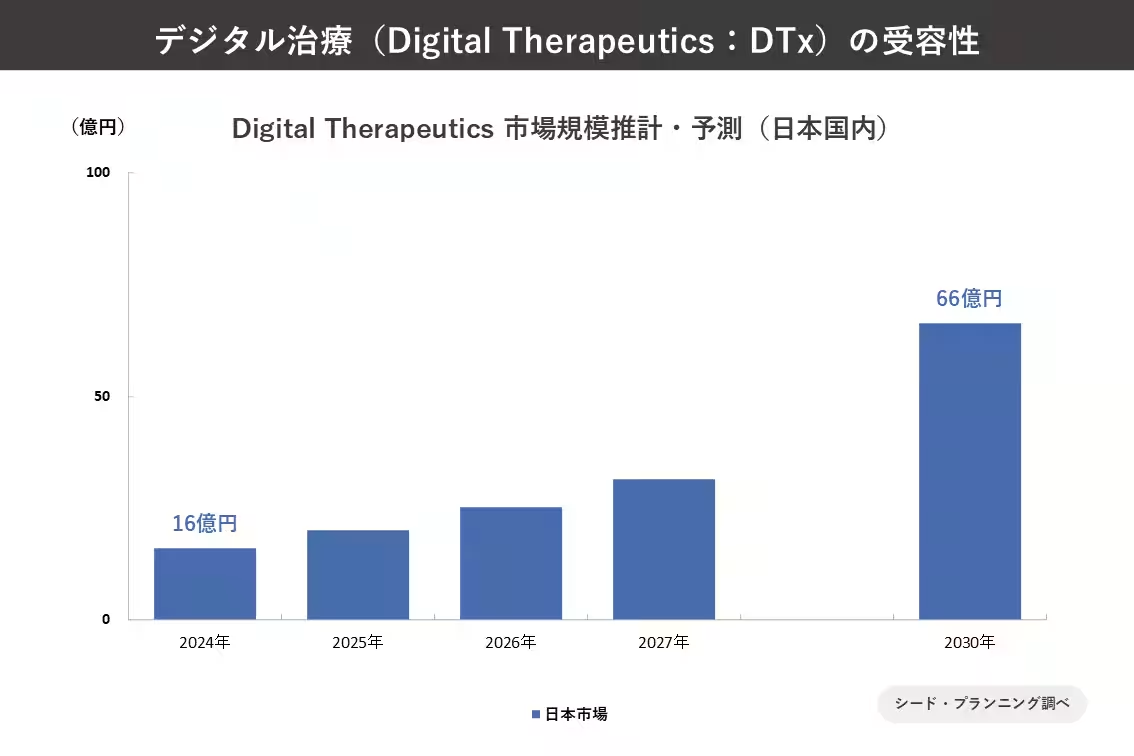
- The impending growth of the digital therapeutics market is promising, with projections estimating it will reach around 1.6 billion yen in Japan by 2024. By 2030, this figure could escalate to approximately 6.6 billion yen, influenced by ongoing legislative efforts to enhance the practical application of program-based medical devices. These projections exclusively account for software products addressing specific diseases, excluding broader telemedicine systems or diagnostics, suggesting the actual market size may be significantly larger.
Survey Methodology
The survey utilized a mix of web-based questionnaires targeting 210 registered physicians and a panel of 520 patients, spanning stakeholders in the U.S. and Europe (including Germany, France, Belgium, and the UK) as well as Japan and broader Asia (China, South Korea). The research was conducted from January to July 2025, focusing on demographics and experiences related to digital therapeutics.
Conclusion
The future of digital therapeutics in Japan appears bright, with significant potential for expansion and application in various treatment scenarios. However, enhancing patient awareness remains a critical challenge. Continued efforts to integrate DTx into routine clinical practice could mark a significant evolution in how patients experience healthcare, making it imperative for stakeholders to champion public education and industry collaboration to realize the promise of digital treatments.
For more insights on this topic, visit Seed Planning’s official announcement here.

Topics Health)
【About Using Articles】
You can freely use the title and article content by linking to the page where the article is posted.
※ Images cannot be used.
【About Links】
Links are free to use.