



AI Utilization in Businesses: Bridging the Gap Between Efficiency and Satisfaction
Introduction
The landscape of artificial intelligence (AI) is changing rapidly, with businesses increasingly relying on it for efficiency gains. A recent survey conducted by Spike Studio during DXPO Tokyo 2025 in the autumn edition highlighted a compelling trend: 98.5% of respondents reported utilizing generative AI in some capacity. Despite this high adoption rate, a significant disconnect exists between recognizing the benefits of AI and actual satisfaction with its outcomes.
Survey Overview
The survey was conducted at two major events:
- - Summer Edition (August 2025)
- Participants: 200
- - Autumn Edition (November 2025)
- Participants: 65
These responses provide insights into the current state of AI adoption among businesses and help identify areas for improvement.
Current State of AI Utilization
The results from the autumn edition of the survey presented some crucial numbers:
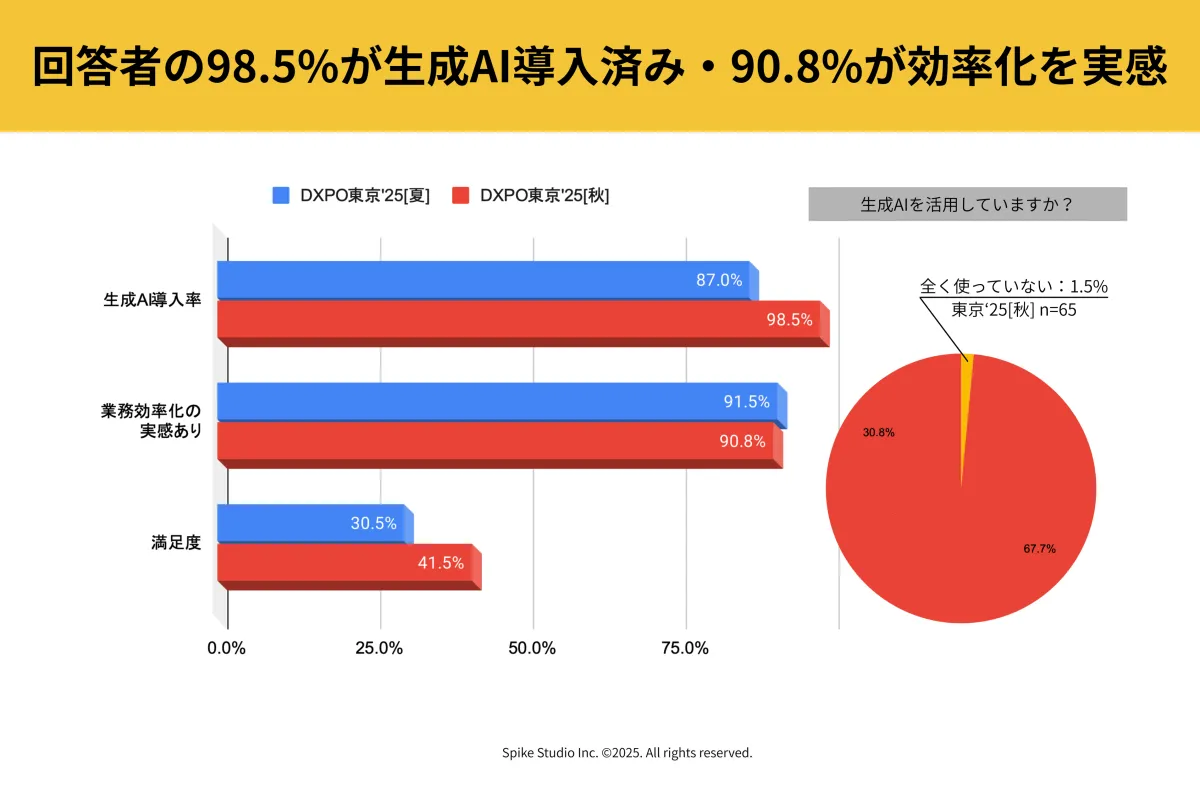
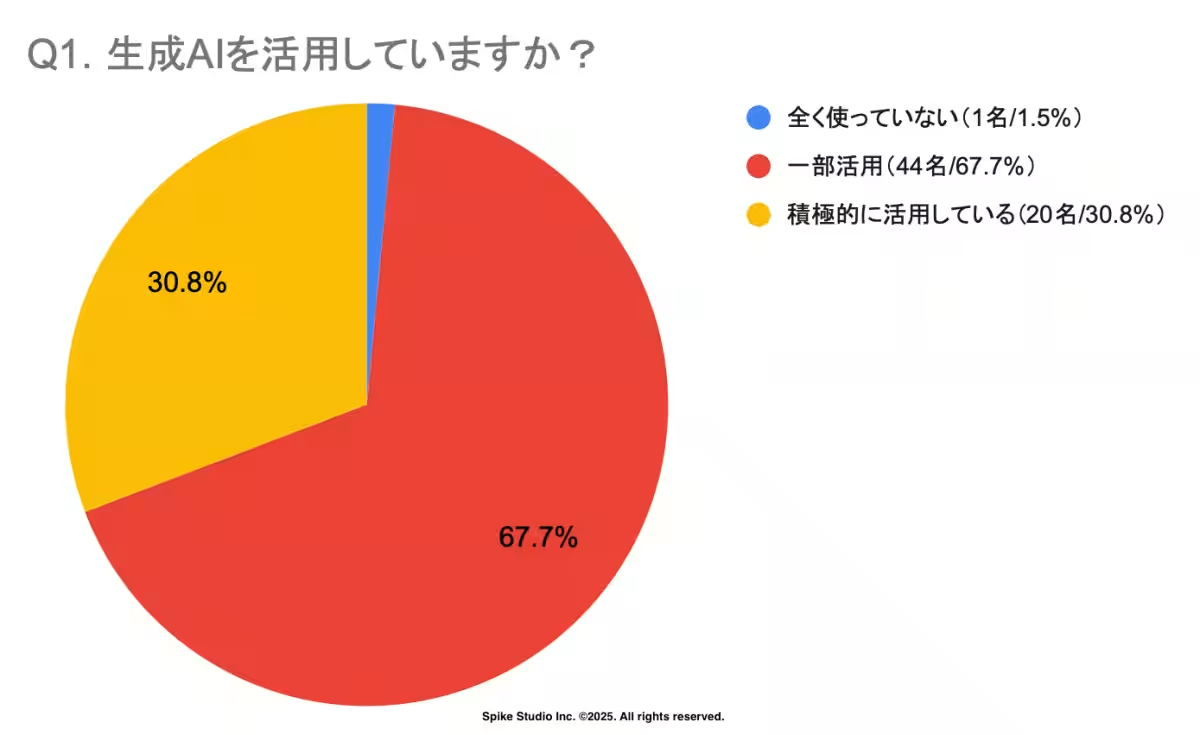
- - 98.5% of participants reported using generative AI, either actively (30.8%) or partially (67.7%). This suggests that very few, only 1.5%, have not engaged with AI in any form.
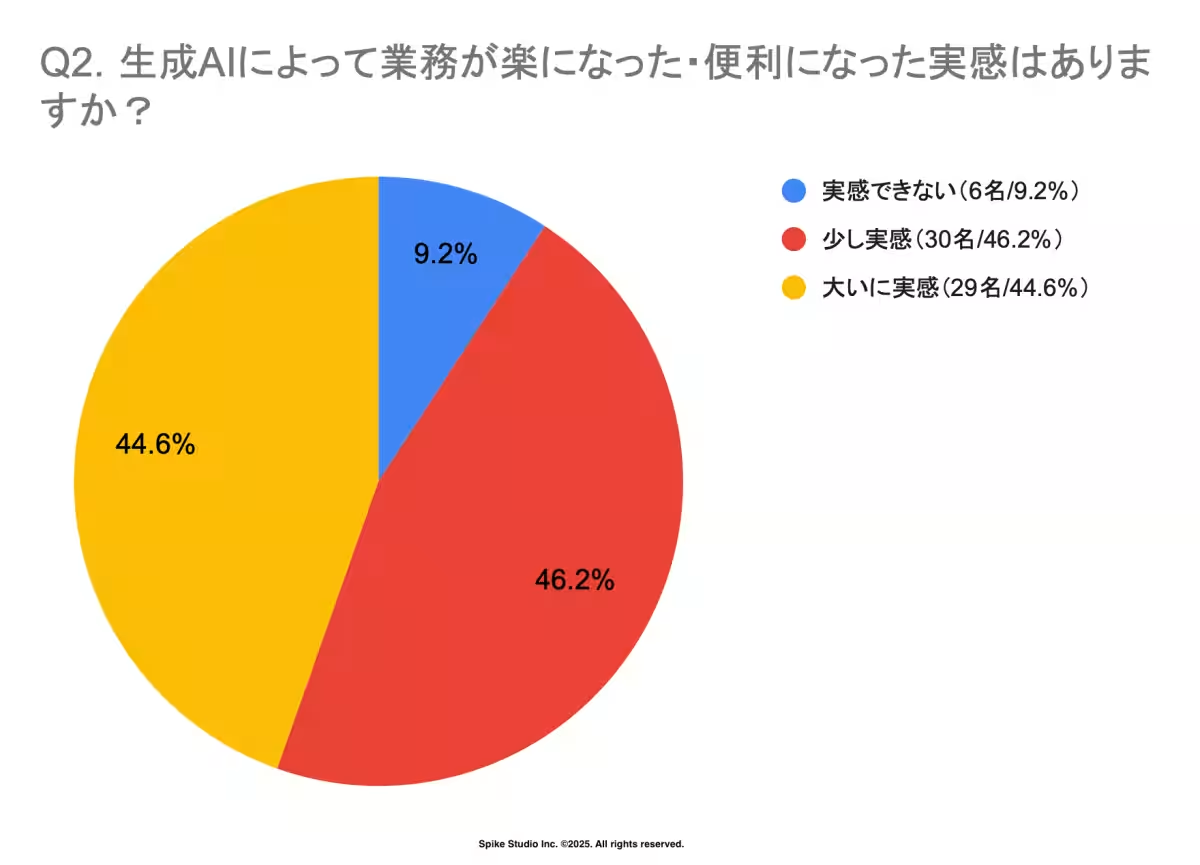
- - 90.8% believe that AI has made their work easier or more efficient, indicating that the technology is indeed streamlining processes across various sectors.
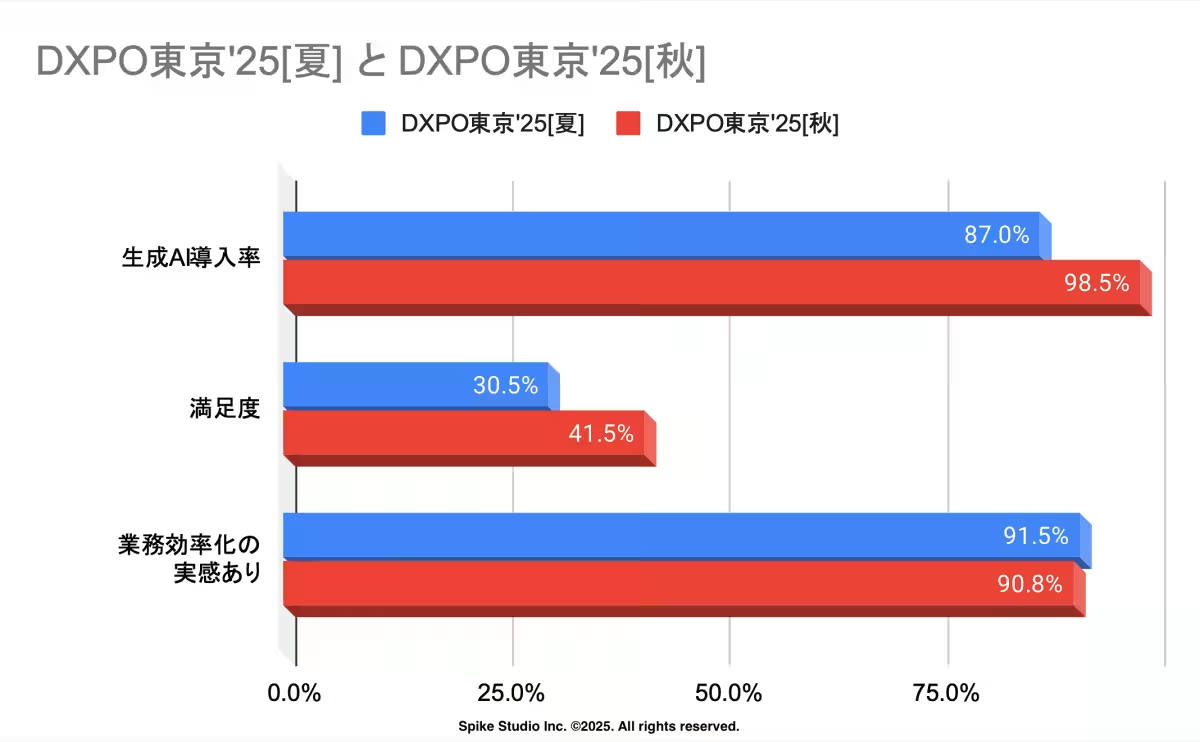
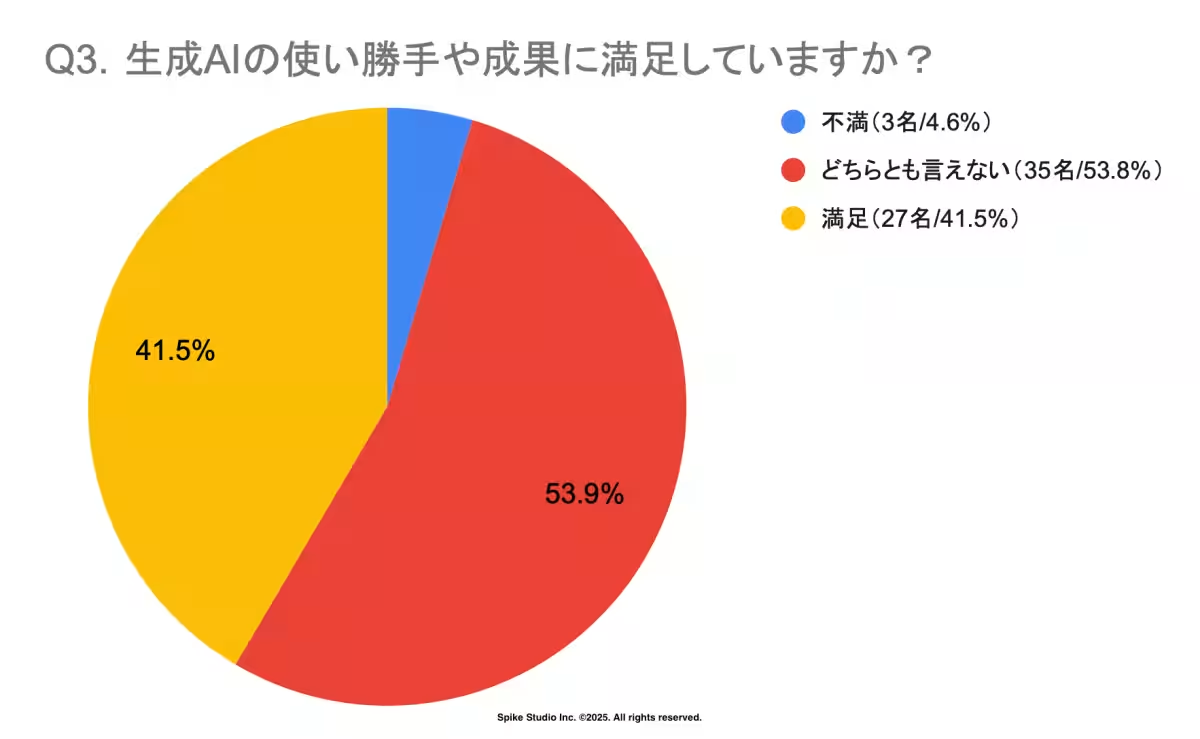
- - However, when asked about satisfaction regarding the usability and effectiveness of AI, only 41.5% expressed that they were satisfied, while a substantial 53.8% remained neutral. This gap between recognizing efficiency and achieving satisfaction signifies potential hurdles in full-scale AI integration within organizations.
Changes Observed from August to November
Comparing results from the summer and autumn editions showcased emerging trends:
- - Increased adoption rates revealed that AI has become a near-universal tool; the summer reported 87% versus the autumn's 98.5%.
- - The perceived effectiveness in improving work efficiency remained stable, with 91.5% in August and slightly declining to 90.8% in November.
- - Satisfaction rates increased from 30.5% in August to 41.5% by November, denoting a positive shift in perception; however, over half of respondents still found it challenging to assess the outcomes.
Challenges Faced by Organizations
Despite the promising rates of AI adoption, several businesses face common challenges hindering satisfaction:
1. Lack of Quantifiable Results: Many organizations struggle to measure specific AI impacts, such as time saved on tasks or cost reductions, leading to vague satisfaction.
2. Disjointed Processes: Some organizations incorporate AI only into isolated tasks without integrating it into the broader workflow, leaving many manual processes unchanged.
3. Unorganized Data and Knowledge: When information is scattered, the quality of AI outputs becomes unpredictable, leading to fluctuations in satisfaction.
These challenges underscore that while organizations may experience some efficiency, without proper metrics and integration, the perceived value of AI remains low.
Steps to Achieve Satisfaction
To improve satisfaction, successful organizations implement several key strategies:
1. Comprehensive Understanding: Dedicating time to understand business processes before applying AI ensures that the deployment targets areas that genuinely need improvement.
2. Testing on a Small Scale: Initiating AI usage within small teams or projects allows organizations to build confidence and establish successful processes before expanding use across the company.
3. Knowledge Management Systems: Building a solid framework for managing AI-generated knowledge can prevent reliance on individual insights and enhance reproducibility of successful outcomes.
Conclusion
The findings from DXPO Tokyo 2025 affirm that while the adoption of AI has nearly become a standard practice among businesses, the journey doesn’t end with implementation. Organizations that skillfully integrate AI into their workflows and effectively leverage knowledge management will likely distinguish themselves in a competitive landscape moving forward. As we progress into 2026, the effectiveness of AI will pivot on how well organizations can embed it into their operational structures, not merely on the volume of technology deployed. Each organization faces a unique circumstance, but those that can overcome the outlined challenges will emerge as leaders in this new era of AI utilization.
Topics Consumer Technology)
【About Using Articles】
You can freely use the title and article content by linking to the page where the article is posted.
※ Images cannot be used.
【About Links】
Links are free to use.