



Understanding Trust and Source Verification in AI Search Results: A Comprehensive Survey Analysis
A Deep Dive into Trust Dynamics in AI Searches
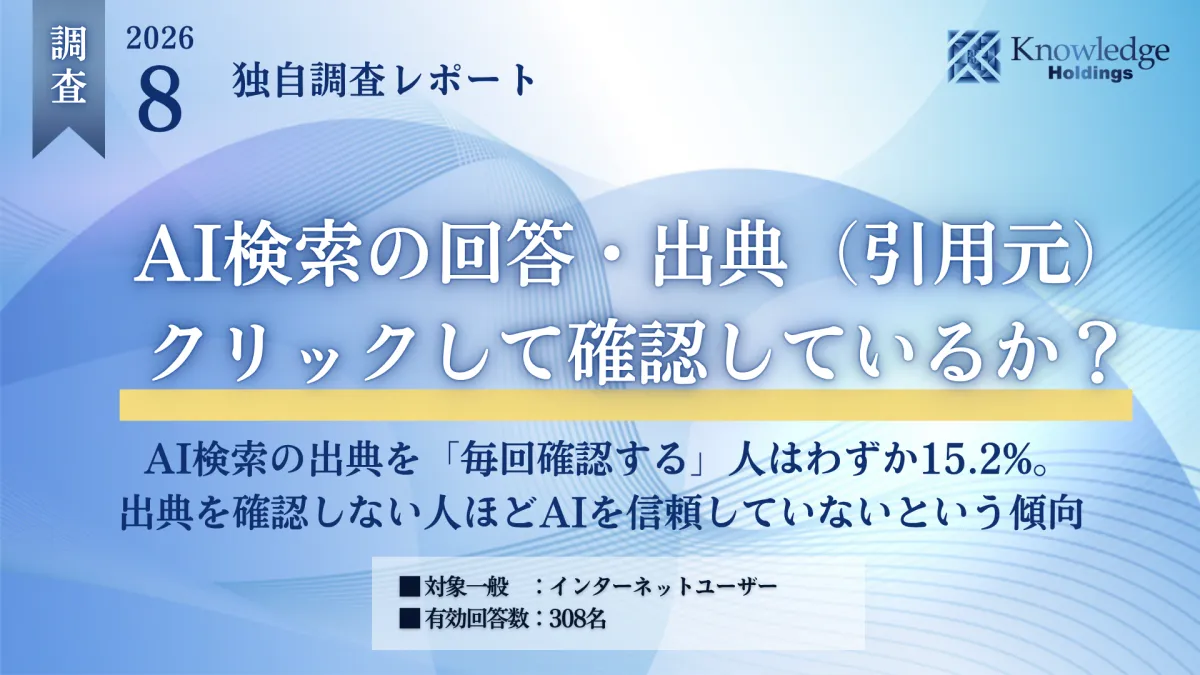
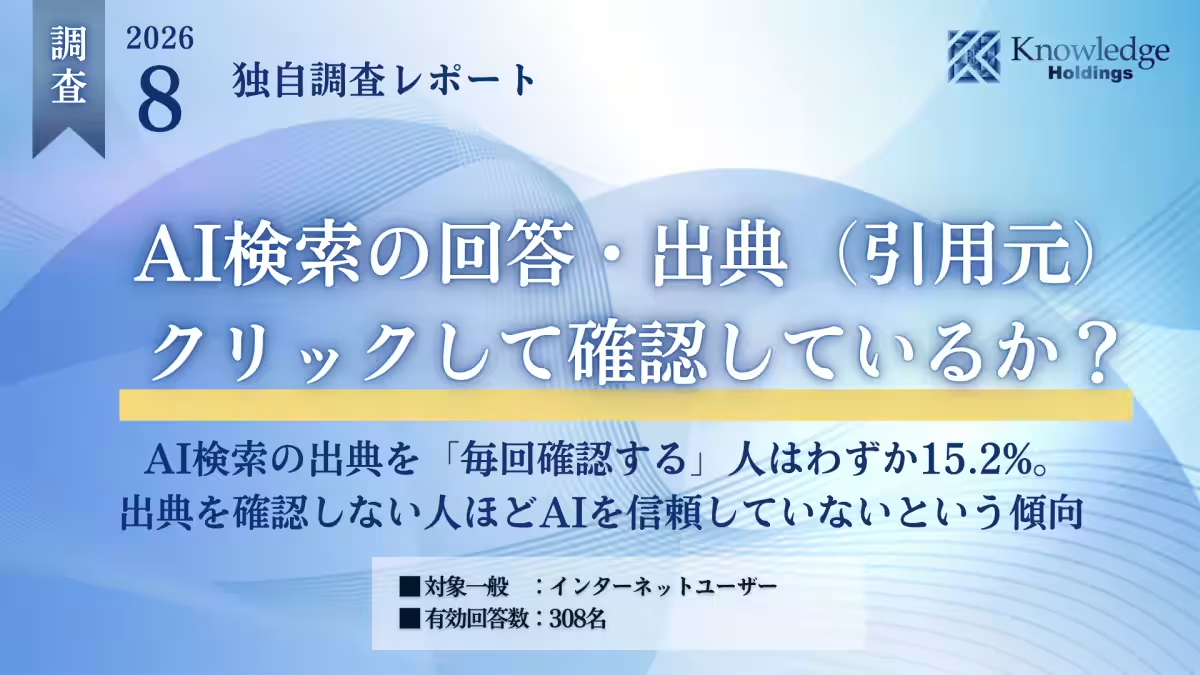
In a recent survey conducted by Knowledge Holdings, a company specializing in content marketing and SEO support, striking statistics have surfaced regarding user habits surrounding AI searches. The research, targeting 308 internet users aged between 20 and 59, revealed a troubling trend: a mere 15.2% of respondents confirm the sources of AI-generated answers. This statistic exposes a significant gap in user engagement with AI content, prompting a closer examination of what drives trust and skepticism towards AI search results.
Survey Overview
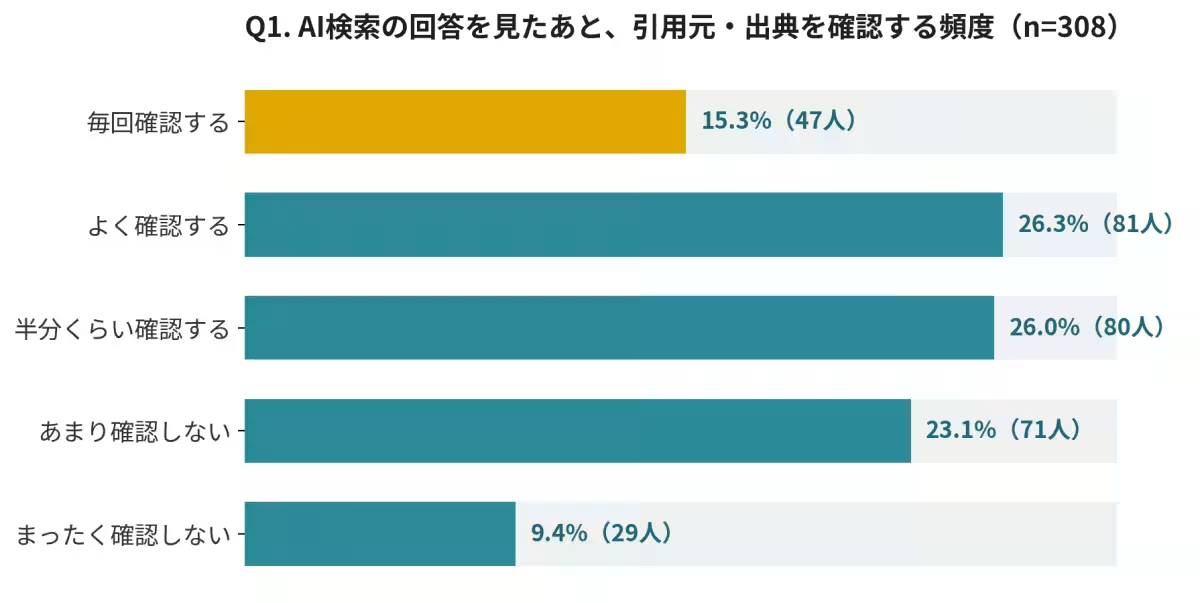
The survey was executed online in July 2026, aimed at understanding how often users verify sources when they receive answers from AI tools like ChatGPT and Gemini. The results indicate a polarization: while 41.6% of users often check the sources, an alarming 32.5% do not verify them at all. This duality in user behavior raises questions about the trustworthiness of AI outputs and the implications for content creators.
User Source Verification Behavior
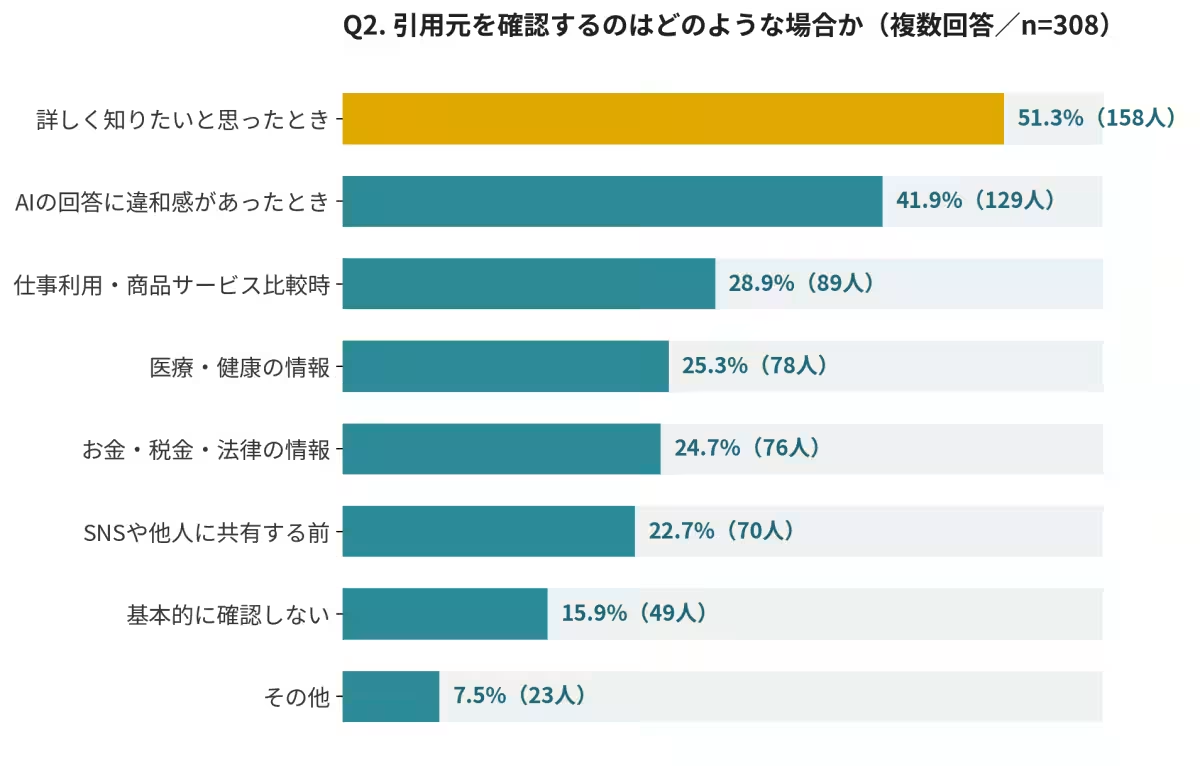
The survey explored when users are most likely to check sources. It turns out that 51.3% usually verify sources when they are particularly interested in the topic or seek more details. Conversely, 41.9% do so primarily when they feel something is amiss with the AI's response. This suggests that curiosity and skepticism are significant motivators for source verification, overshadowing the need for accuracy in specialized fields like medicine and finance (25.3% and 24.7%, respectively).
Conditional Trust in AI Outputs
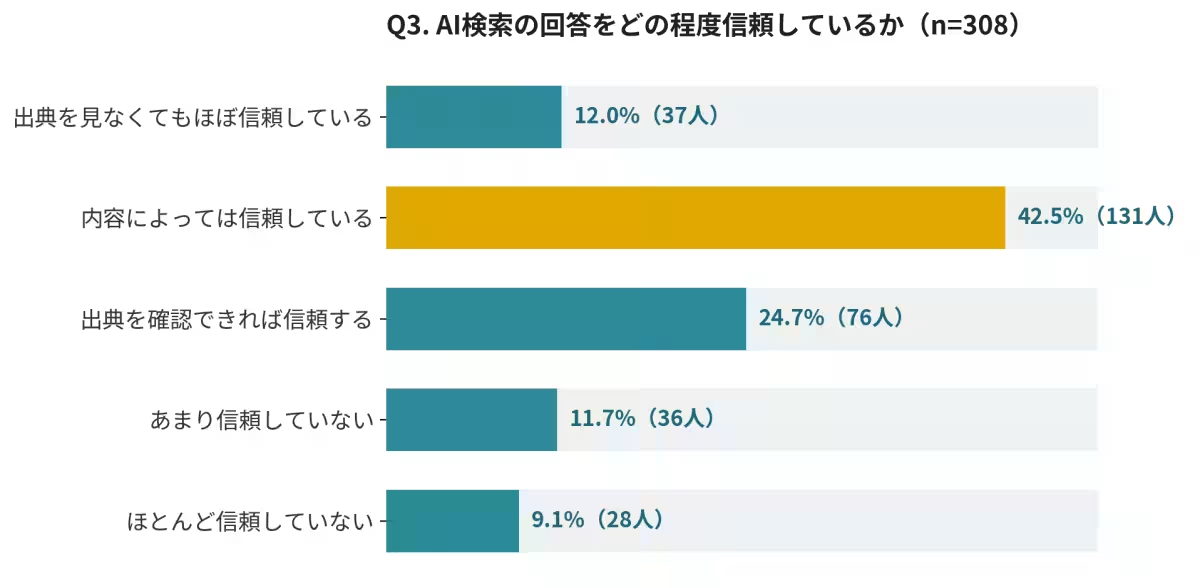
Another surprising finding from the survey highlights that 67% of respondents have conditions surrounding their trust in AI-generated information. Specifically, 42.5% said they trust AI responses based on the content, while 24.7% would be willing to trust them if source verification is possible. Only a scarce 12.0% reported unconditional trust in AI, which indicates a prevalent wariness among users that could hinder the overall credibility of these technologies.
The Paradox of Verification and Trust
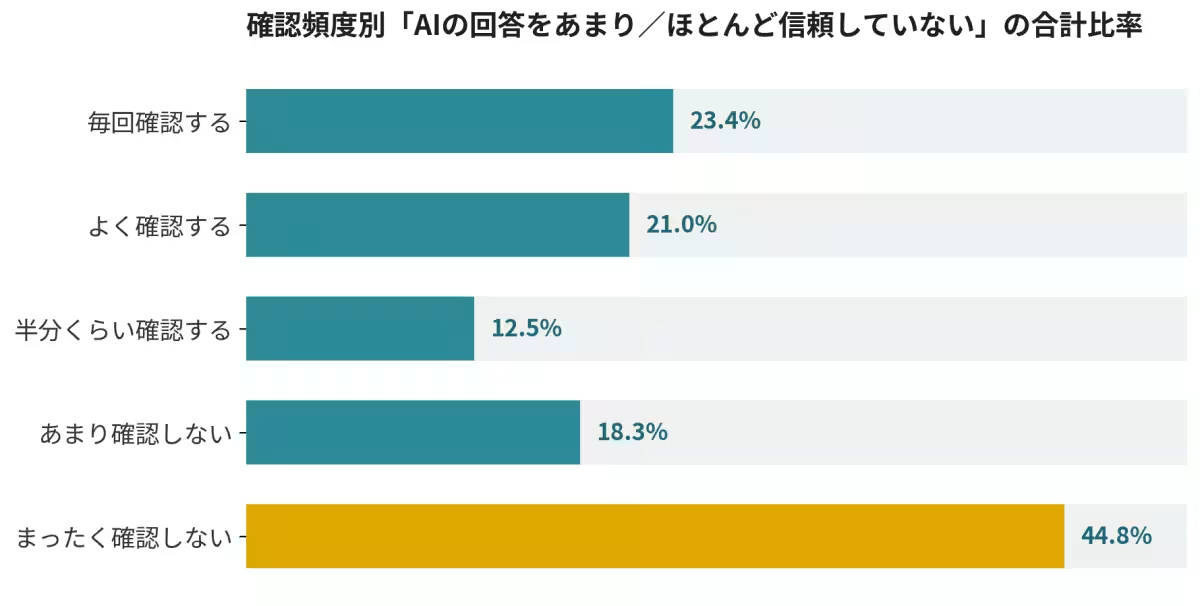
The research further explored the relationship between source verification frequency and trust in AI. Interestingly, those who never verify sources displayed significantly higher distrust (44.8%) towards AI responses, contrasting sharply with the 12.5% distrust reported by users who verify sources about half the time. This juxtaposition highlights a critical insight: trust in AI is not merely a function of verification but is also influenced by the user's overall experience and engagement with the technology.
Implications for Content Creators
For businesses aiming to engage users through AI searches, the findings underscore a pivotal takeaway: simply being referenced by AI tools is not enough. Companies must design their content in a way that is engaging and credible, especially for those users who are more assertive in their inquiry and skepticism. Notably, when users are either confused or curious, they are more likely to click on citations. This behavior signals the necessity for creators to bolster their content's E-E-A-T (Expertise, Authoritativeness, Trustworthiness) to foster trust and encourage users to delve deeper into the provided information.
Knowledge Holdings is adapting its SEO and content marketing services to equip businesses with strategies designed for the AI-centric landscape. By offering integrated solutions spanning SEO, MEO (Map Engine Optimization), and LLMO (AI Search Optimization), along with personalized consulting through the proprietary AXiY system, they aim to ensure businesses can maintain relevance in evolving search environments. This comprehensive strategy is rooted in the belief that building a solid information asset is essential for succeeding in an era where AI recommendations increasingly shape user decisions.
Conclusion
The findings from Knowledge Holdings' survey illuminate critical insights regarding user behavior related to AI searches. Understanding the factors that influence trust and source verification can empower businesses to create more effective content that meets user expectations. As AI continues to revolutionize the way we access information, equipping users with the means to critically engage with AI outputs will be a crucial differentiator in driving trust and enhanced user experiences.
Topics Consumer Products & Retail)




【About Using Articles】
You can freely use the title and article content by linking to the page where the article is posted.
※ Images cannot be used.
【About Links】
Links are free to use.