



The Need for Standardization in Solar Power Cost Projections: A Survey of Industry Professionals
Introduction
A detailed survey conducted by International Kogyo Co., Ltd. has revealed compelling insights about the electricity cost projections used by solar power and battery sales staff. The survey included responses from 111 professionals actively engaged in the sales and proposal of solar panels and energy storage systems. The findings indicate a notable uncertainty regarding electricity cost increase assumptions, prompting calls for greater industry standardization.
Survey Findings
Customer Inquiries on Cost Assumptions
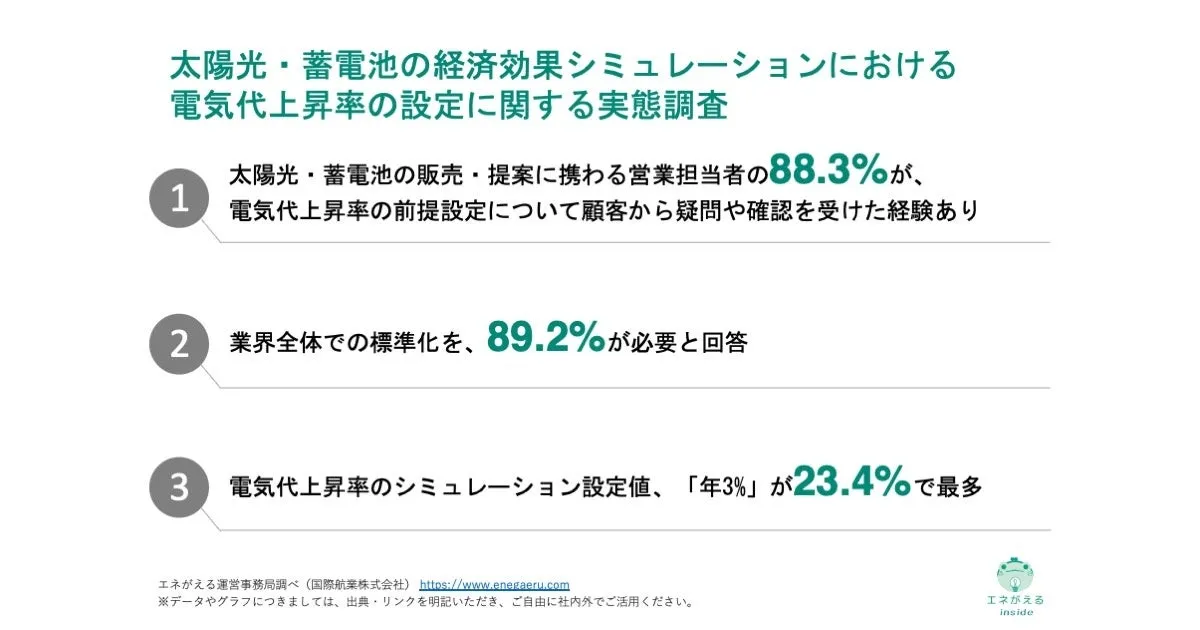
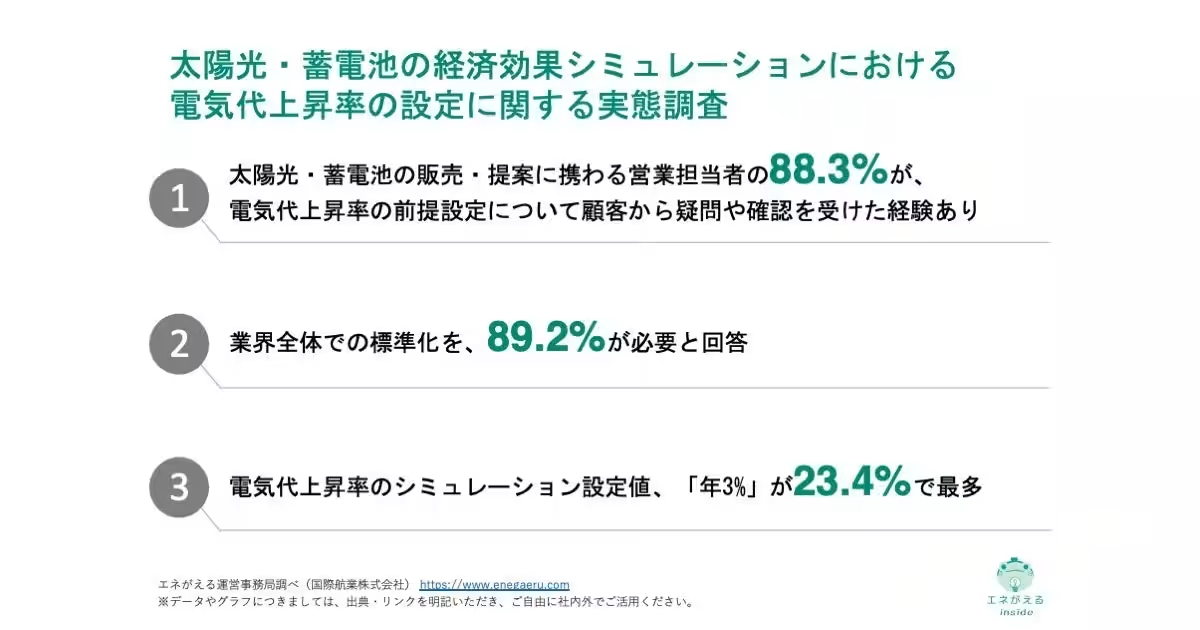
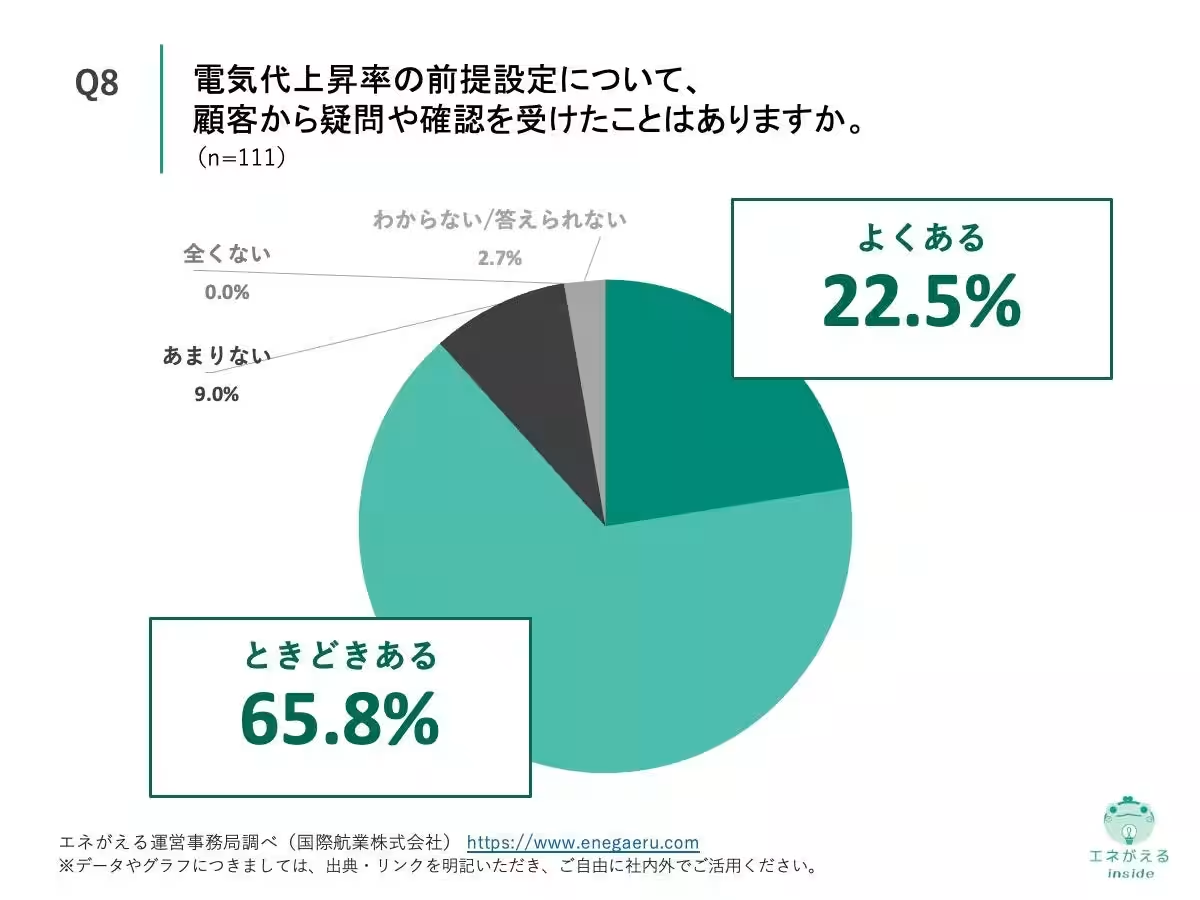
Among the respondents, a striking 88.3% reported being questioned by customers about the assumptions behind electricity cost projections. This high percentage indicates that customers are more informed and cautious when it comes to understanding the economic implications of solar investments.
Demand for Standardization
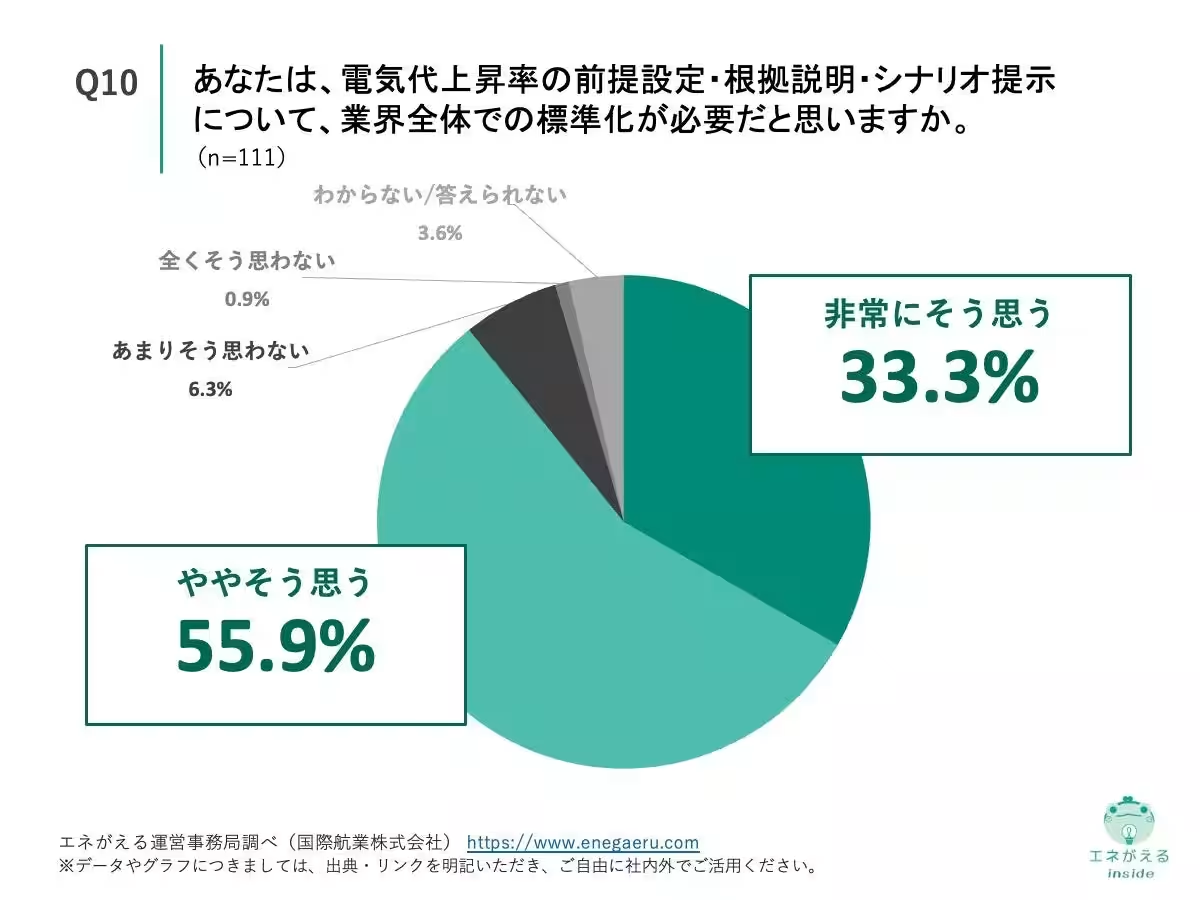
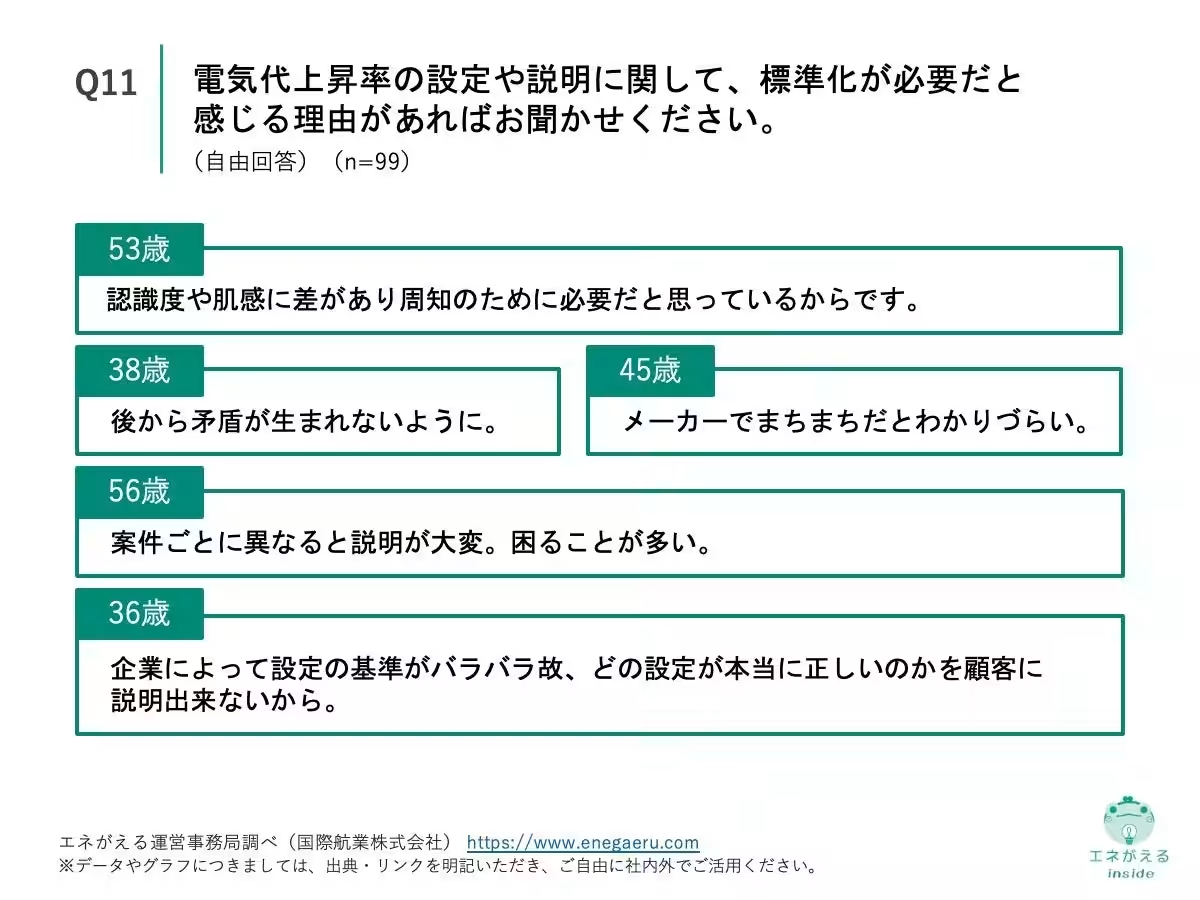
Furthermore, the survey highlighted that 89.2% of sales representatives believe standardizing the assumptions for cost increase projections across the industry is essential. This indicates a collective urgency for a framework that aligns expectations and methodologies, thereby boosting consumer confidence.
Breakdown of Cost Increase Projections
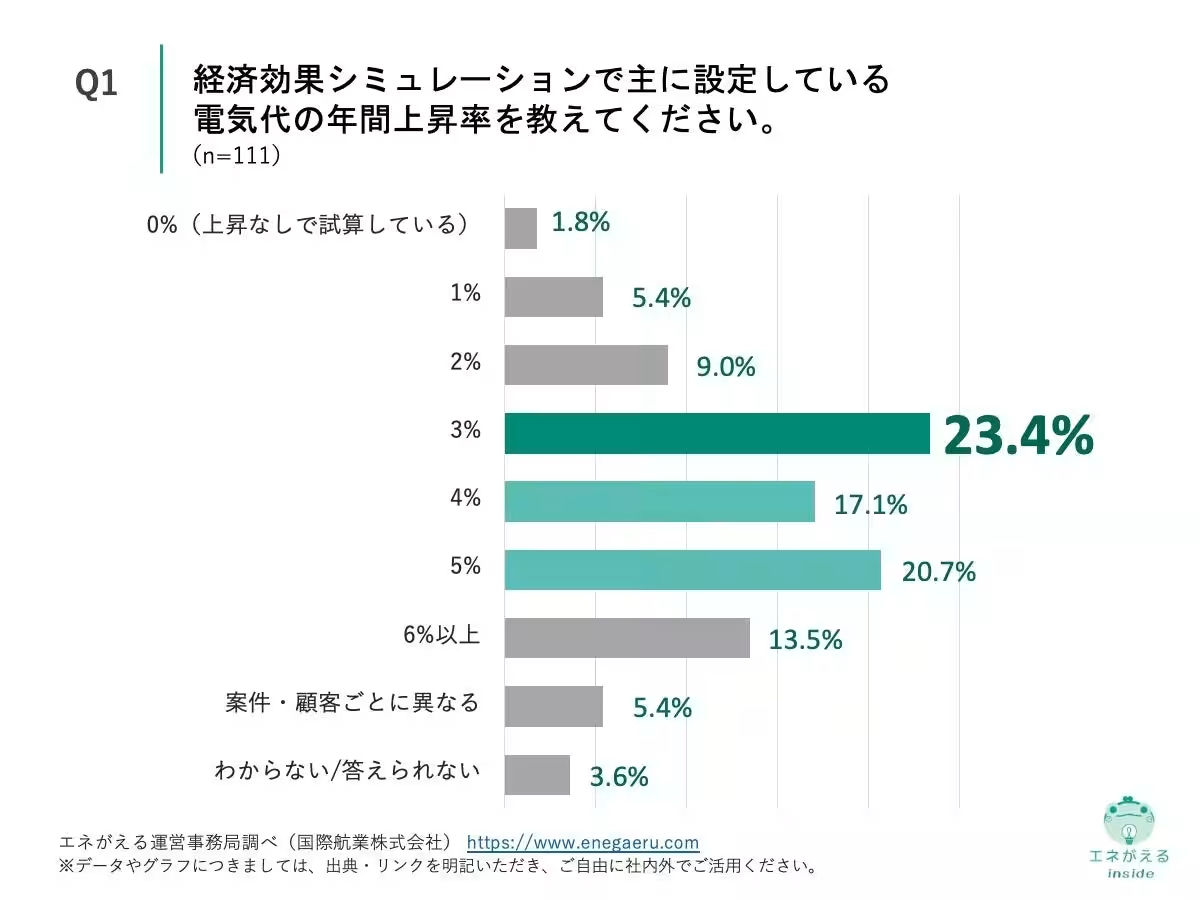
When asked about their typical electricity cost increase assumptions, the most frequently cited figure was 3%, representing 23.4% of respondents. Other notable percentages were 5% at 20.7% and 4% at 17.1%. This clustering around a few specific percentages suggests that while there are common practices, inconsistencies remain which could confuse customers.
Internal Standards in Companies
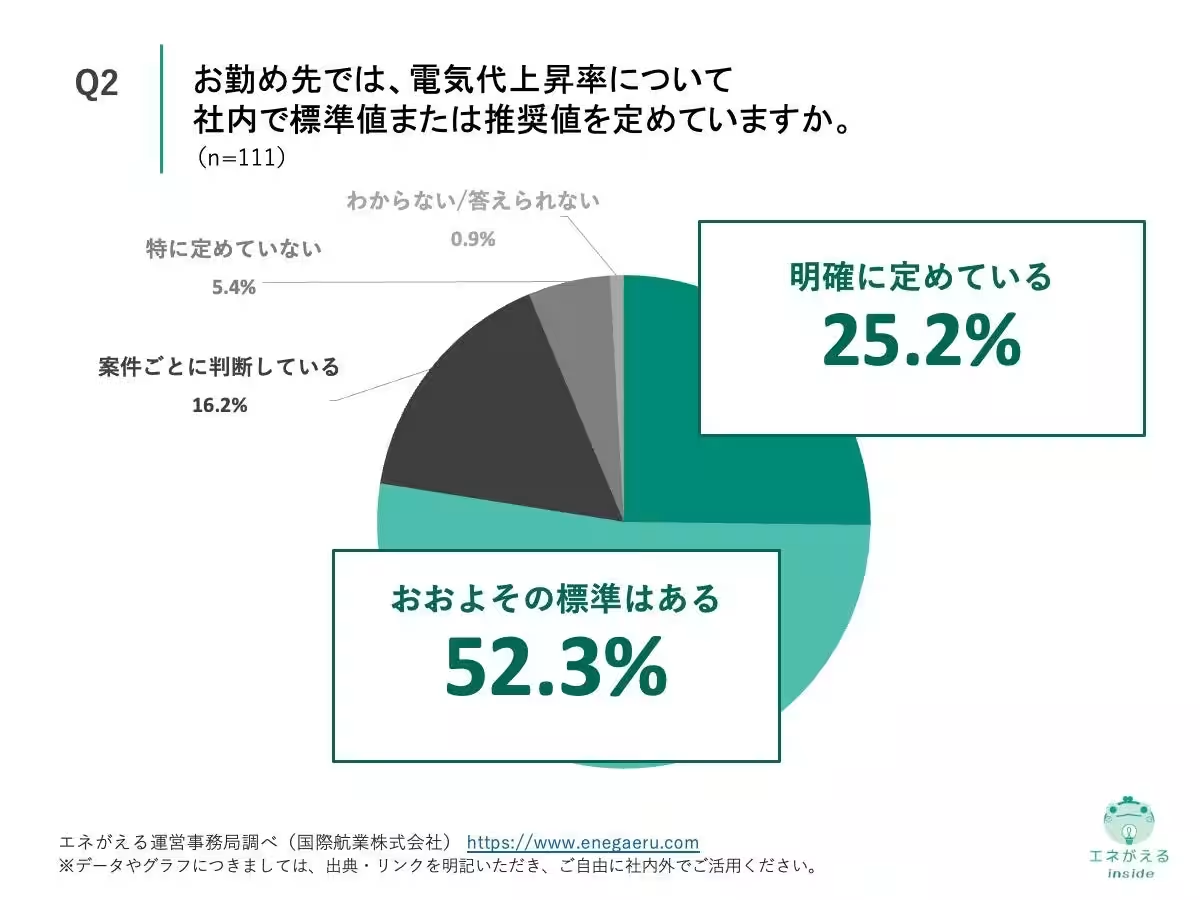
Interestingly, 77.5% of respondents indicated that their companies have some form of internal standard or recommendation for electricity cost increases. Of these, 25.2% have a defined standard, while 52.3% maintain a general guideline.
Explanation to Customers
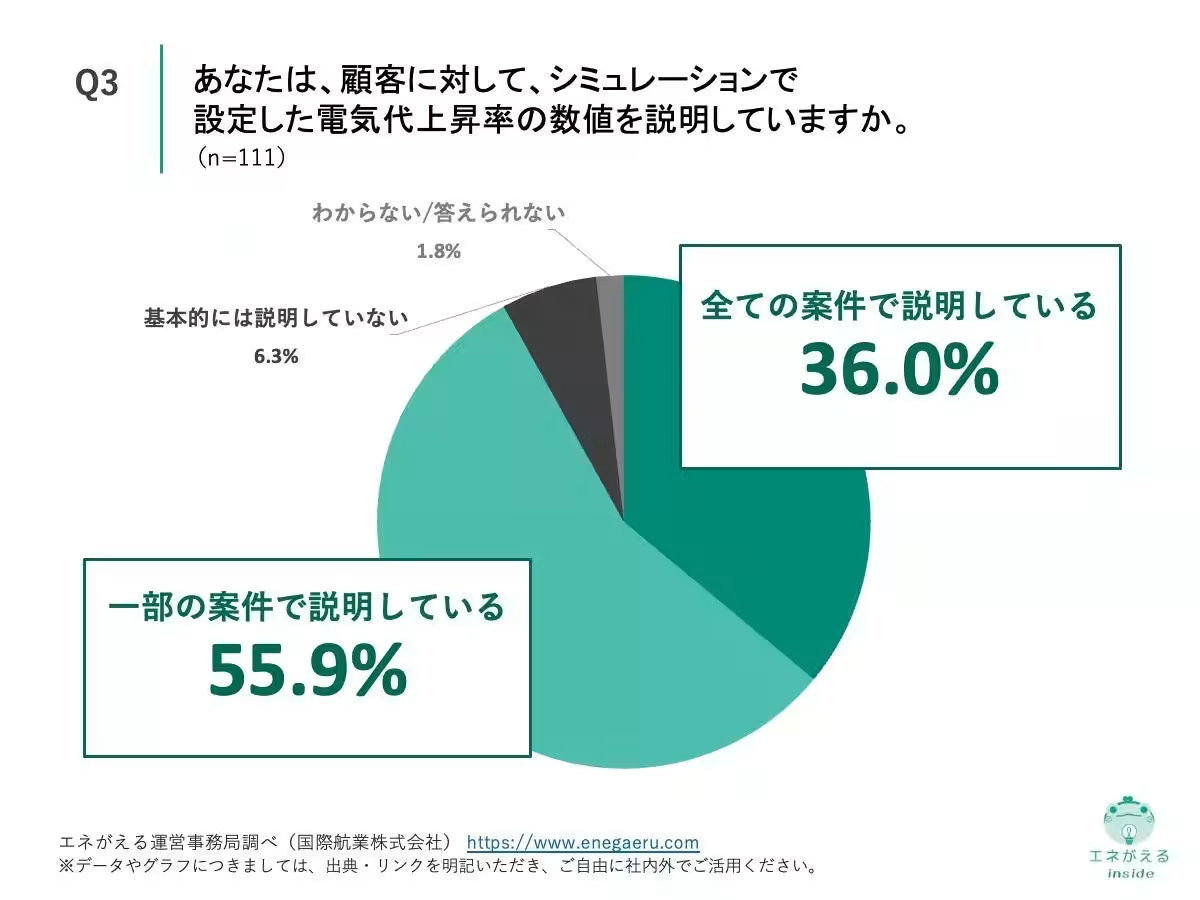
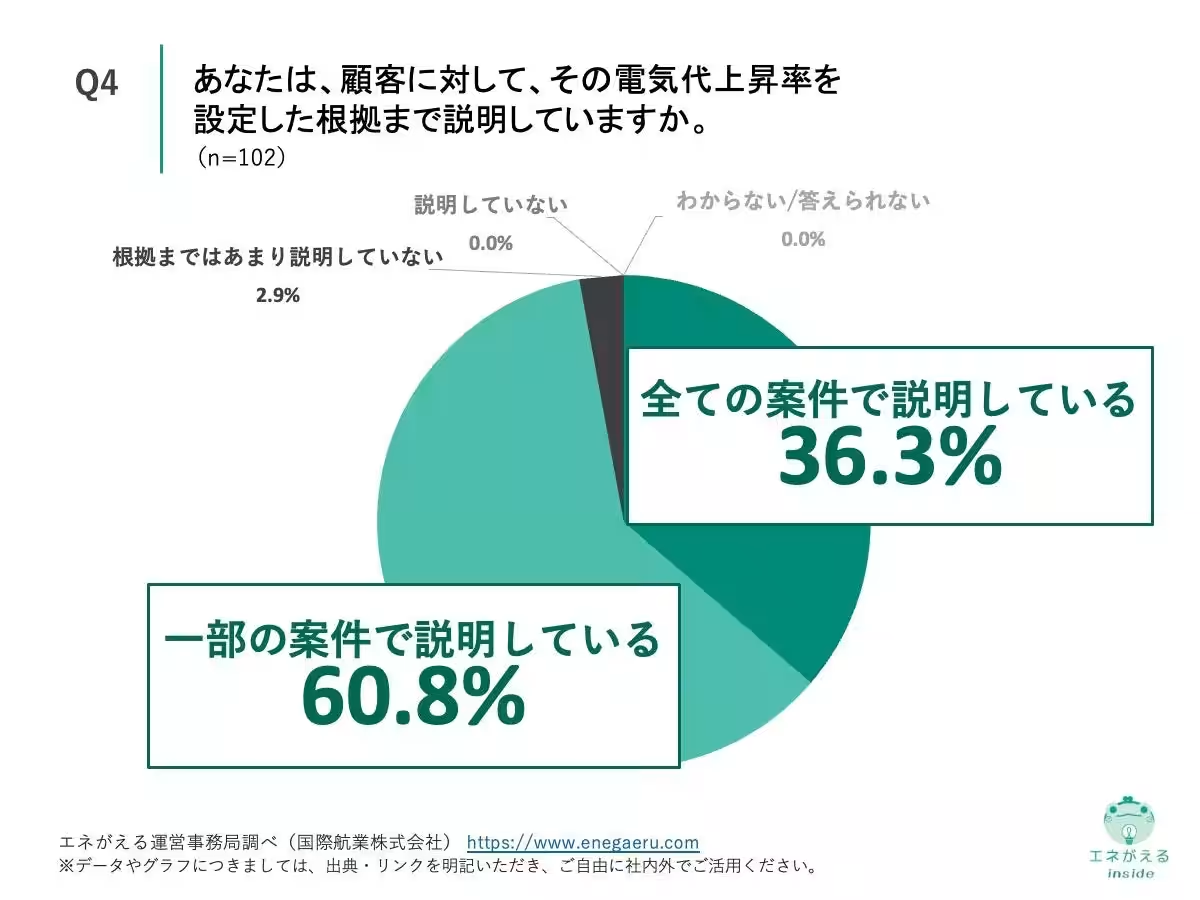
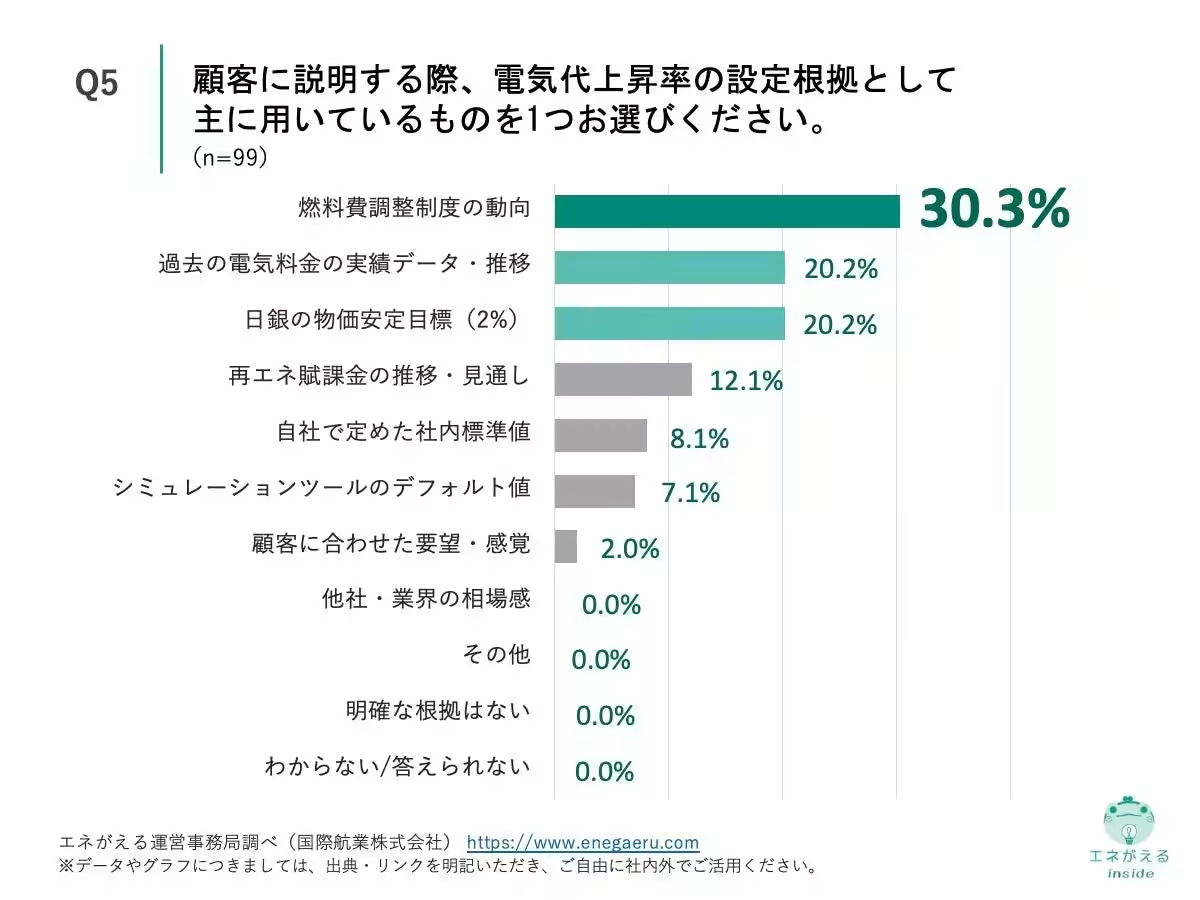
Almost all respondents—91.9%—communicated the cost increase assumptions to their clients. Notably, among those who explained these figures, 97.1% provided justifications. The preferred basis for these justifications predominantly points to the trends in the fuel cost adjustment system, utilized by 30.3% of sales representatives.
Simulation Scenarios Presented
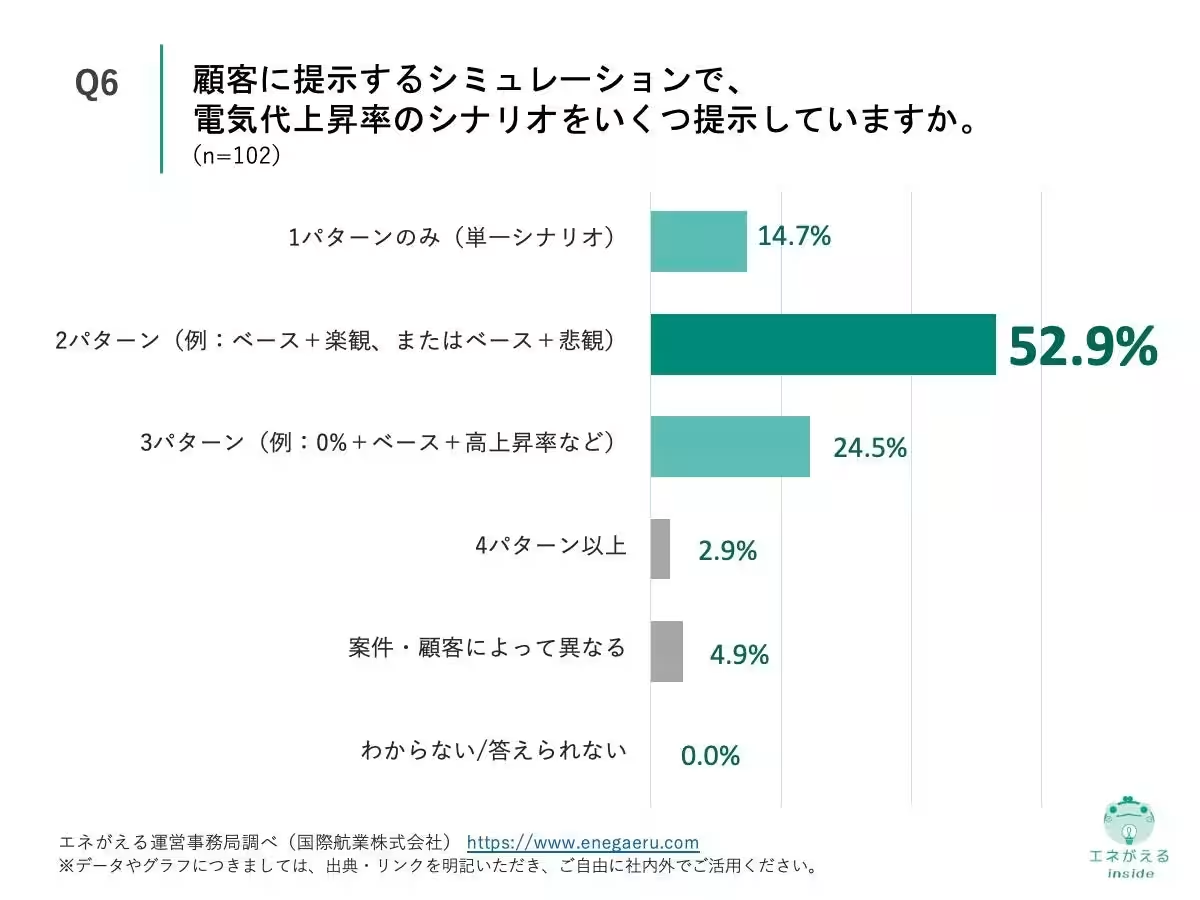
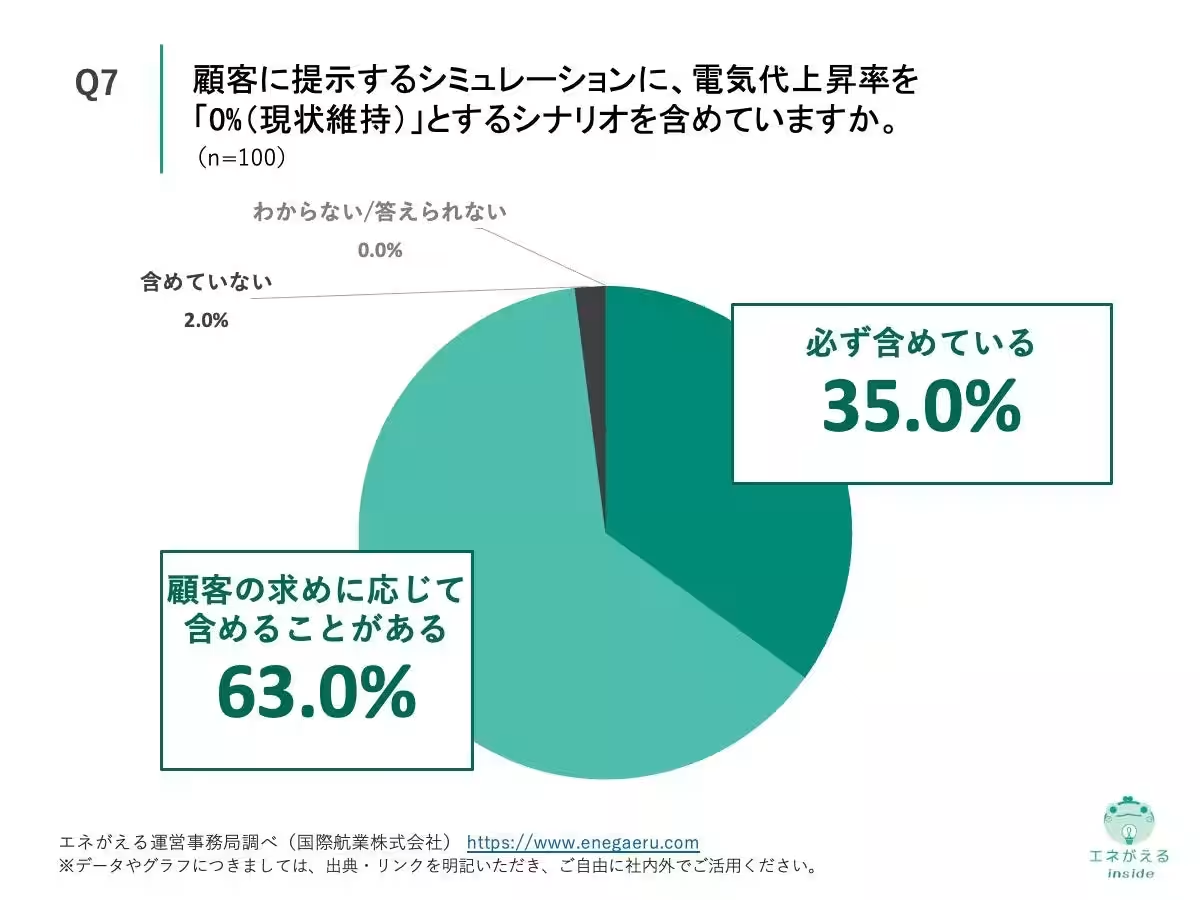
Sales staff were also asked about the number of scenarios they present to customers. Over half (52.9%) indicated they provide two scenarios, showcasing a balance between optimism and caution. However, merely 35.0% always included a 0% increase scenario, implying a significant segment waits for customer requests before addressing this case.
Customer Reactions
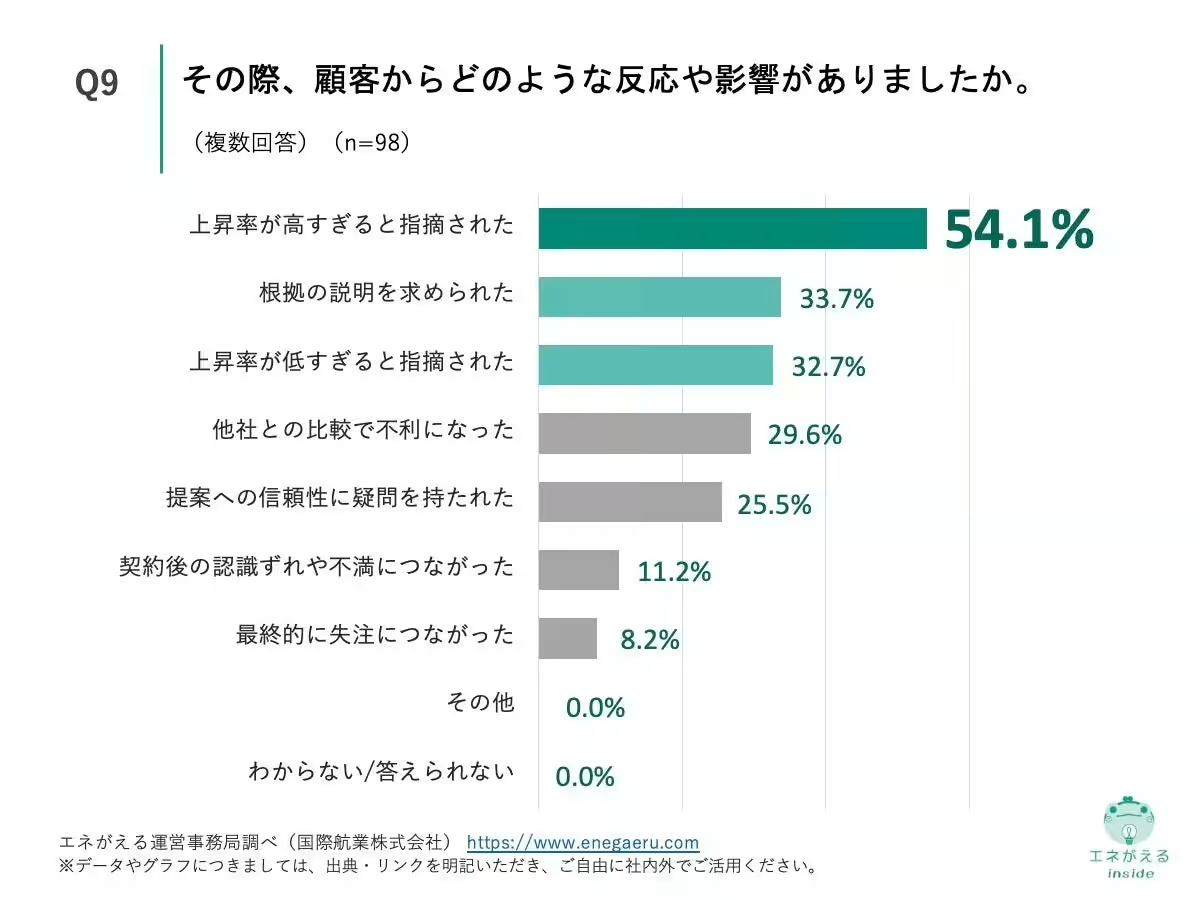
Notably, 54.1% of sales personnel reported that customers often deem cost increase projections as excessively high. Furthermore, 33.7% were asked to justify these projections, indicating a prevalent concern about the accuracy and reliability of the forecasts.
Conclusion
The results from this survey underscore a pressing need for clearer and standardized methodologies regarding electricity cost projections within the solar industry. As customer scrutiny intensifies due to the volatile energy market, establishing uniform protocols will not only enhance customer trust but also streamline sales processes. Without addressing these discrepancies, the potential for misunderstandings and loss of business will likely persist.
Final Thoughts
The concerns raised herein illustrate the importance of not only meeting customer expectations but also ensuring that the sales approach is built on a transparent, standardized foundation. As the landscape of energy provision evolves, adopting these best practices will be integral to the future success of solar energy sales.
About International Kogyo Co., Ltd.
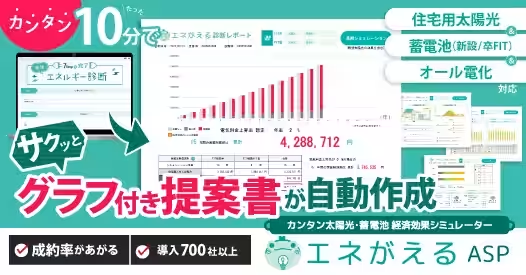
International Kogyo is committed to leveraging geospatial information technology across various sectors, including disaster prevention and environmental sustainability. For more information, visit their website or learn more about their energy simulation tool, Enegaeru, intended to simplify complex energy assessments.
Topics Consumer Products & Retail)
【About Using Articles】
You can freely use the title and article content by linking to the page where the article is posted.
※ Images cannot be used.
【About Links】
Links are free to use.