



Understanding the Supply Chain Risk Landscape in the Tokai Automobile Manufacturing Industry
Insights into Supply Chain Risk Management in Tokai’s Automobile Sector
A recent study conducted by Spectee highlights major challenges facing the automobile manufacturing sector in the Tokai region of Japan, which includes Aichi, Gifu, Shizuoka, and Mie prefectures. This survey, aimed at assessing the preparedness and response strategies of industry leadership and supply chain management professionals, uncovers crucial insights into the vulnerabilities present within the sector as it grapples with external risks, particularly from natural disasters and geopolitical events.
Background
The automobile industry heavily relies on an extensive network of suppliers, making it particularly susceptible to disruptions. The layout of this sector in Tokai is vulnerable, especially with the predicted high likelihood of catastrophic earthquakes, such as the Nankai Trough Earthquake, within the next 30 years. Consequently, the management and mitigation of supply chain risks are critical for sustaining operations and ensuring business continuity.
Survey Highlights
Production Disruptions
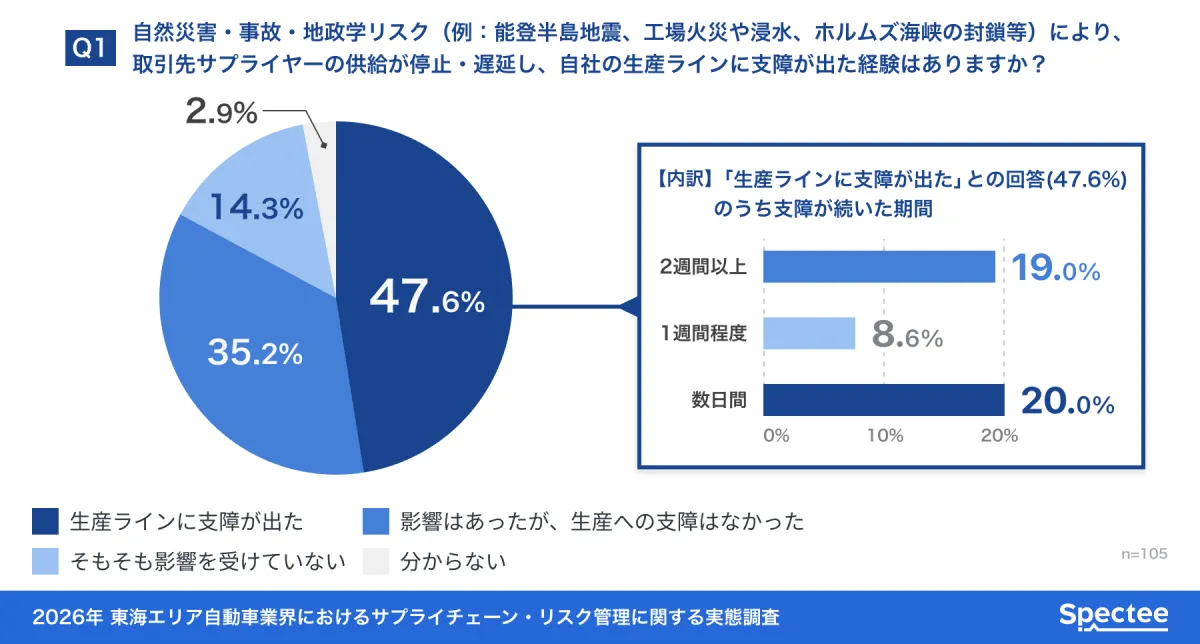
The report indicates that nearly half (47.6%) of respondents experienced disruptions in production due to supplier-related issues, with over 80% acknowledging some form of impact. Such disruptions have varied in duration, with 20% citing interruptions lasting several days and 19% facing issues for over two weeks. These findings underscore the reliance on suppliers and the widespread effects of their failures on production lines.
Delay in Assessing Supplier Damage
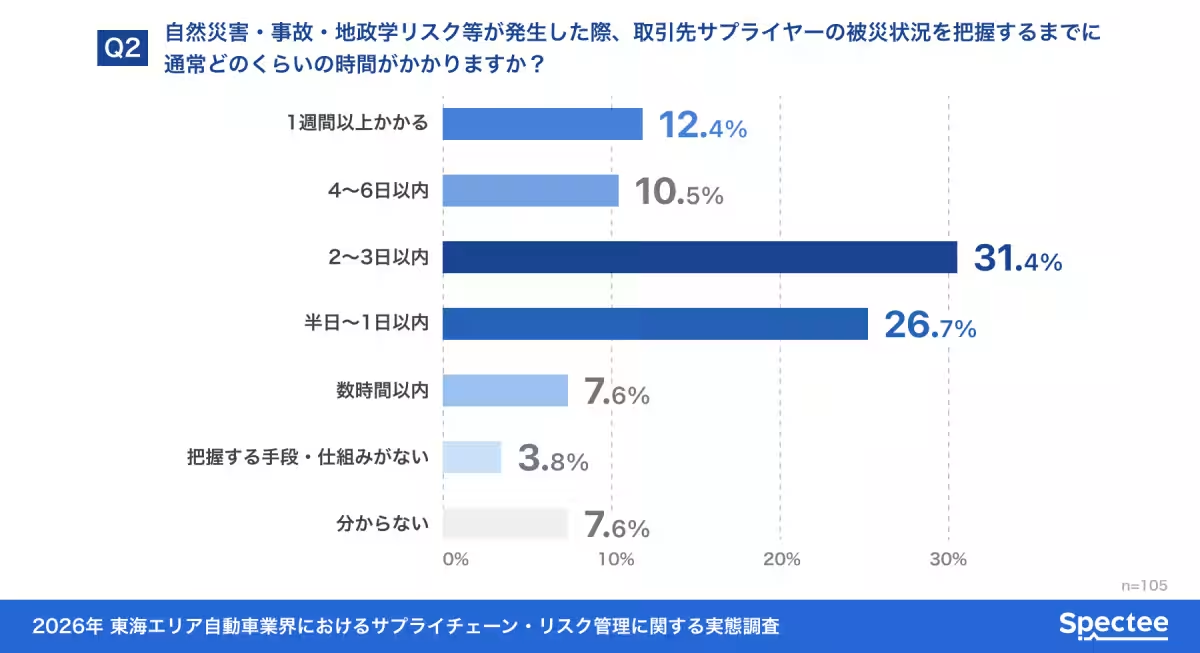
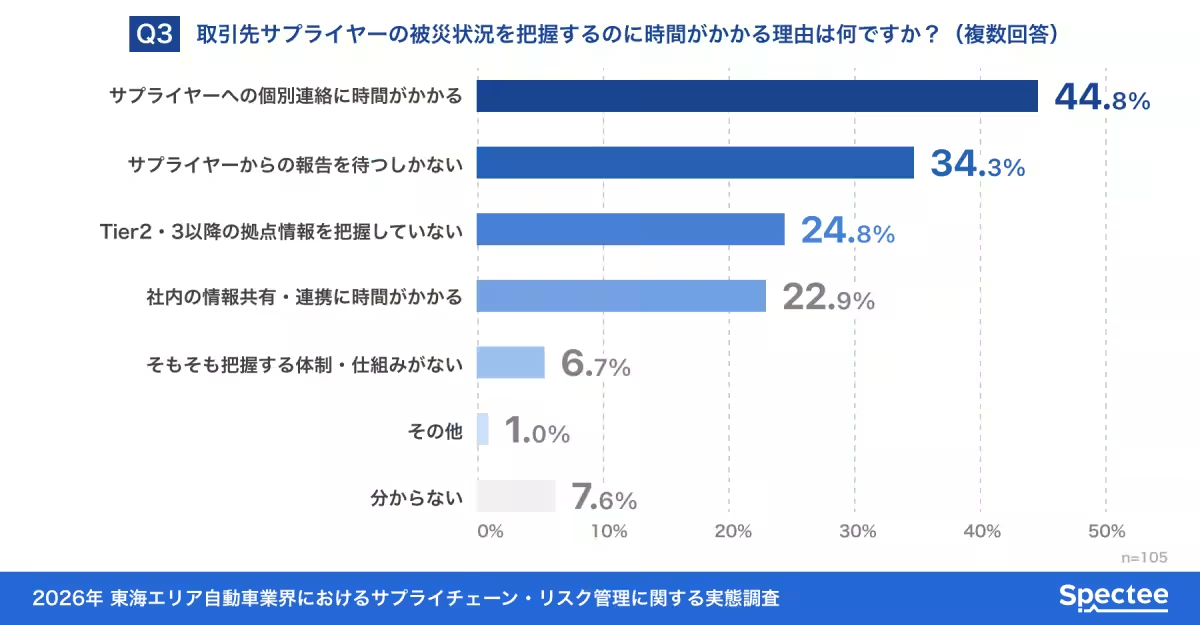
When assessing the time taken to ascertain the disaster status of suppliers, more than half (54.3%) reported that the process takes at least 2 to 3 days. Often, this delay stems from the need for direct communication with suppliers and waiting for their reports. This reflects a critical gap in many companies' practices, as the current communication structures are insufficient for rapid recovery.
Business Continuity Planning (BCP)
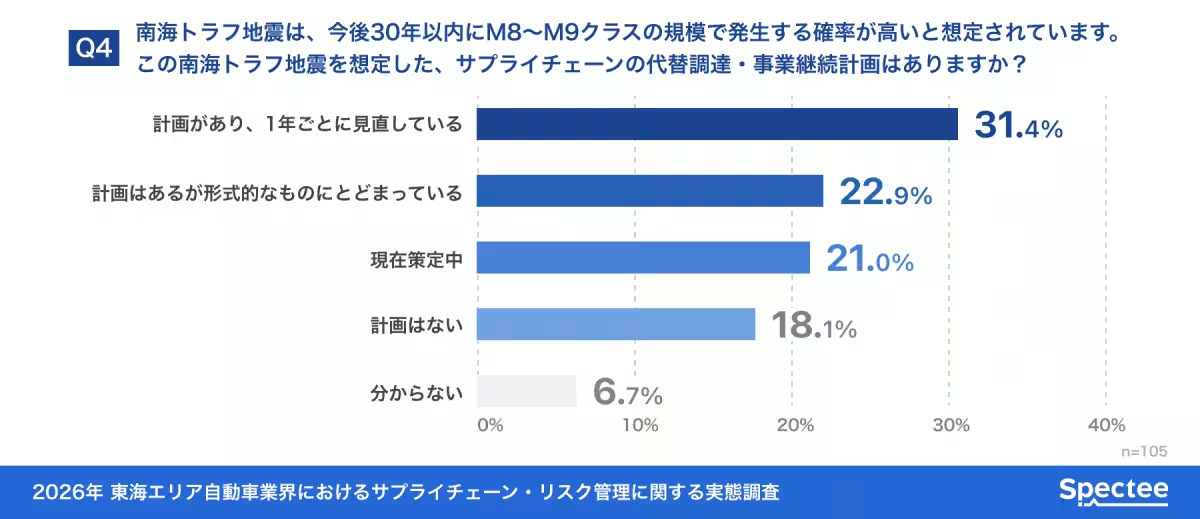
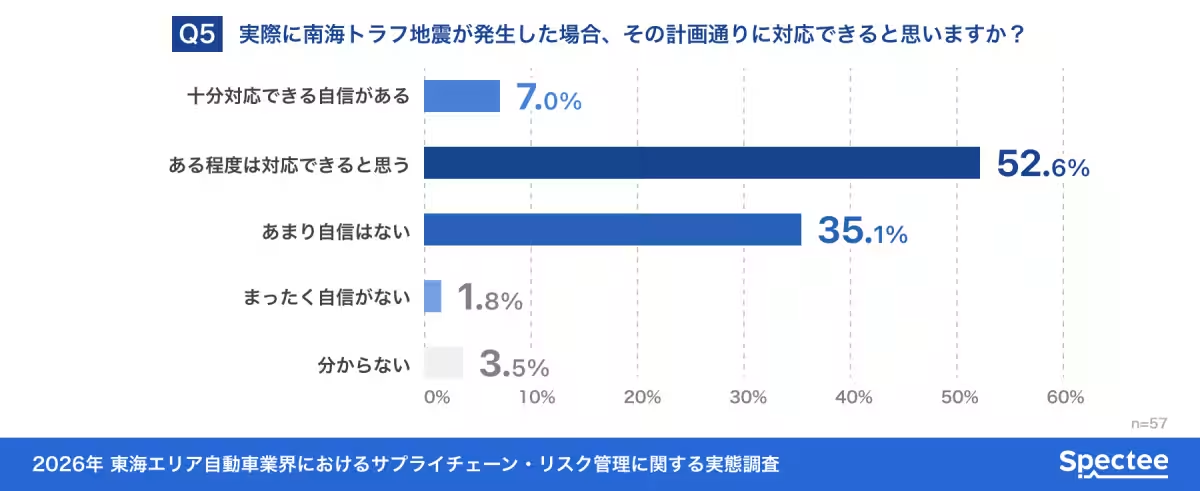
In preparation for potential disasters like the Nankai Trough earthquake, over half (54.3%) of the surveyed firms have some form of BCP in place. However, around 40% expressed doubts about their capability to implement these plans effectively, revealing a concerning disparity between planning and actionable confidence.
Complexity and Management of Supply Chains
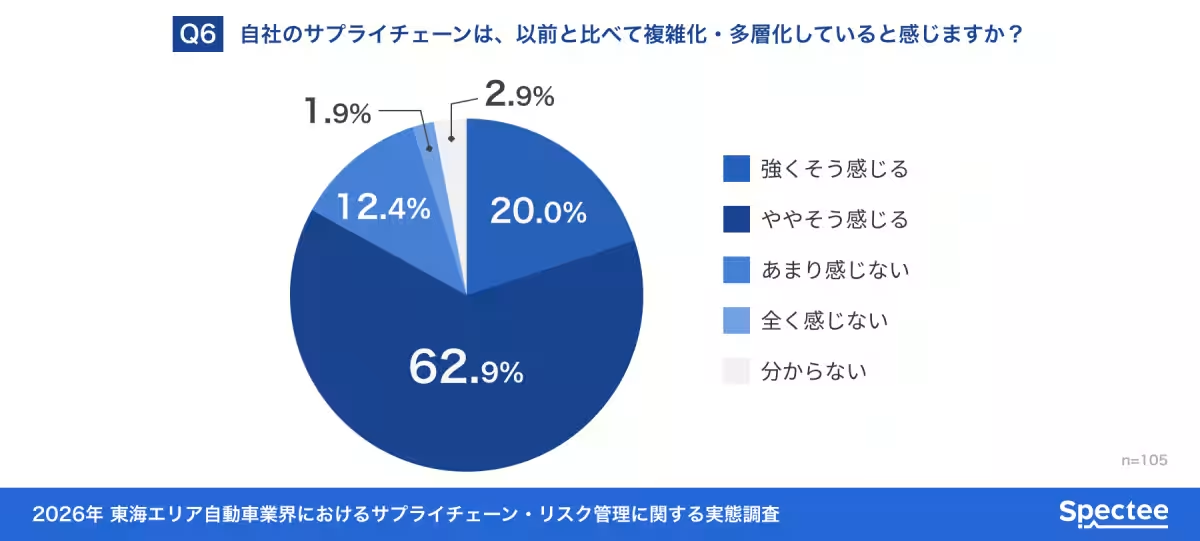
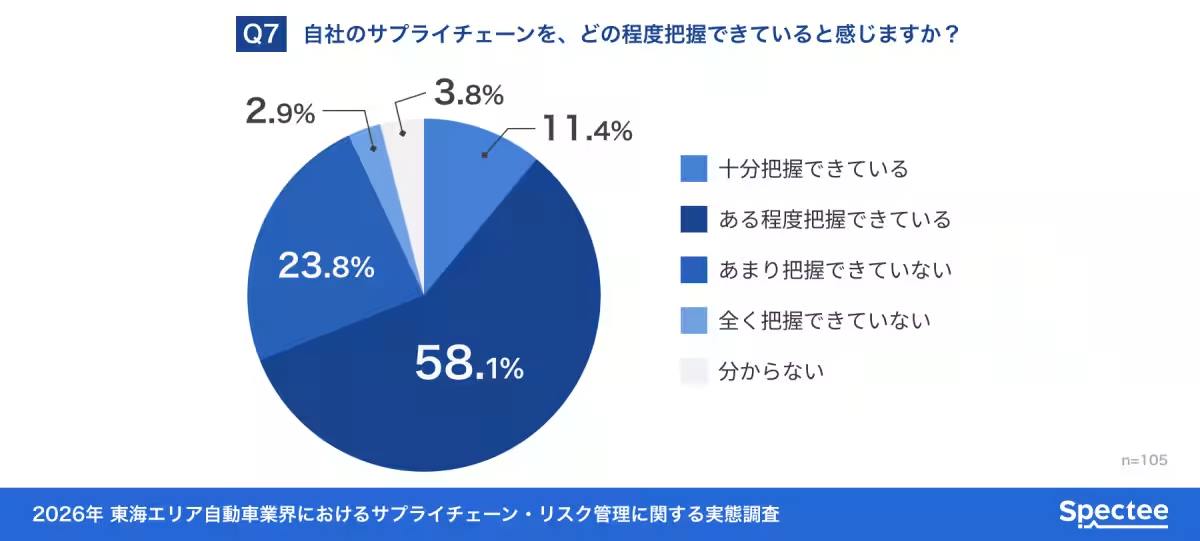
A striking 82.9% of respondents noted that their supply chains have become more complex and multi-tiered. However, only 11.4% felt they had a comprehensive understanding of their supply chains, indicating significant gaps in visibility and effective management practices.
Dependence on Risk Management Guidelines
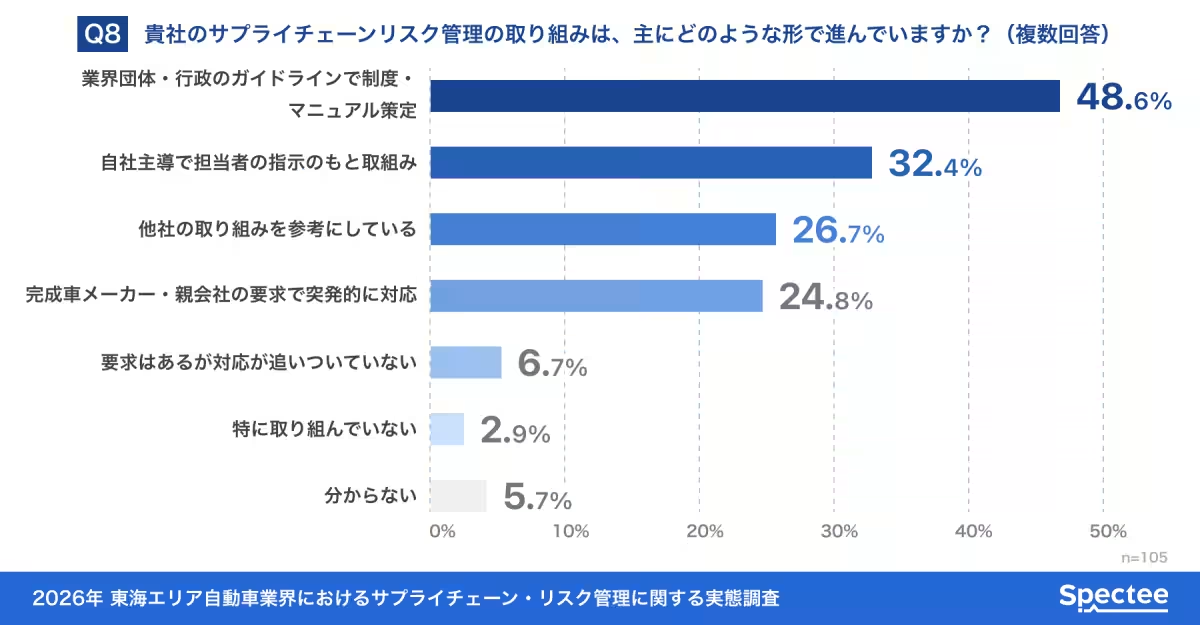
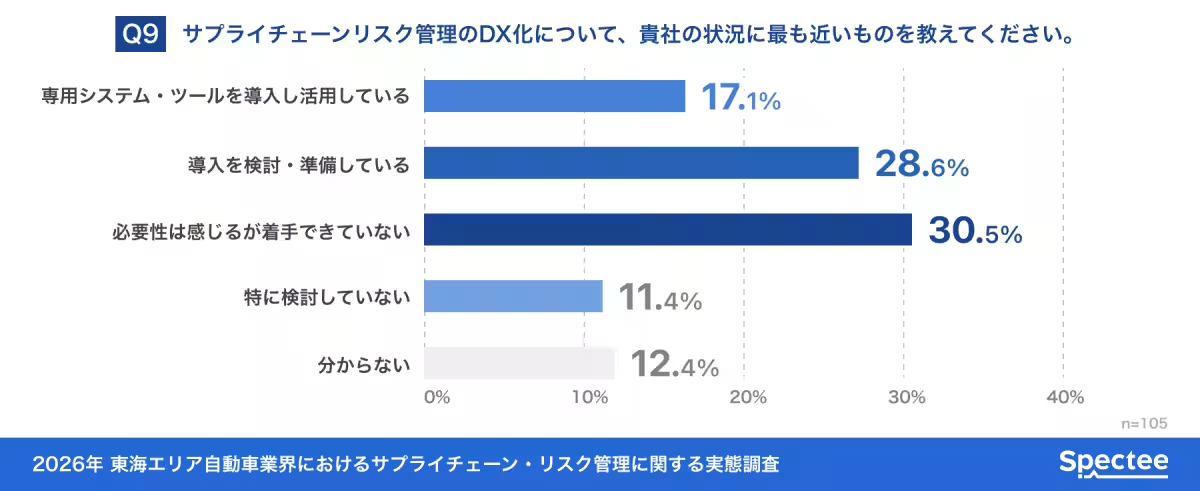
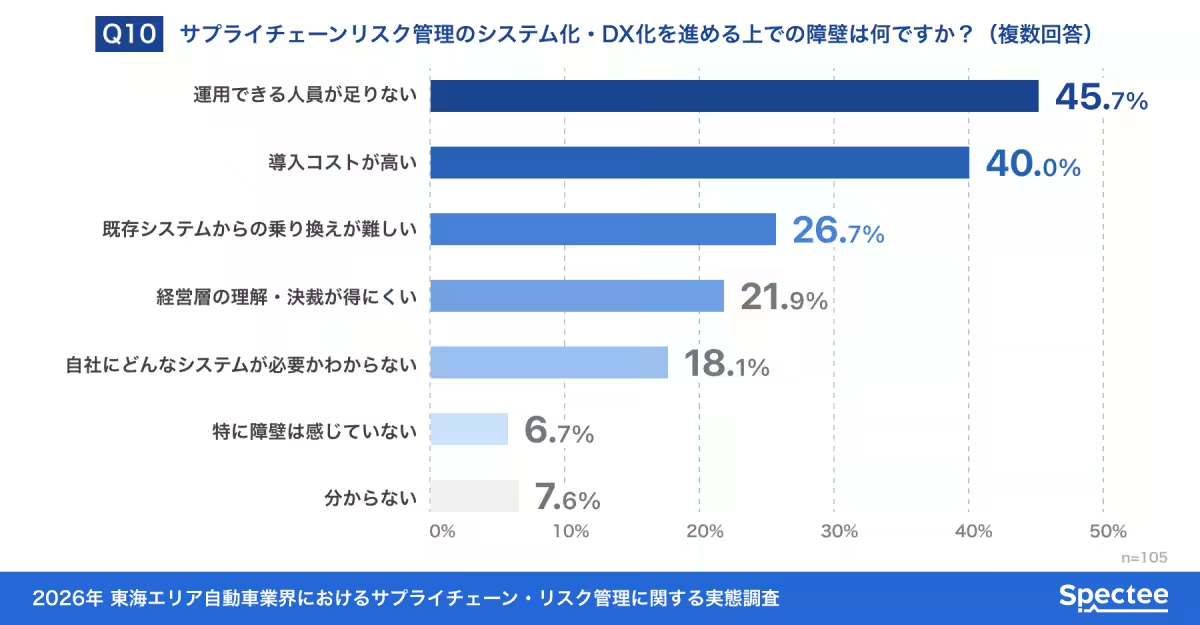
Most companies (48.6%) reported following industry guidelines and administrative directives for their risk management strategies. However, only a small fraction has adopted specialized systems to enhance risk management, with barriers such as lack of personnel being a significant obstacle.
The Role of Spectee
Spectee's CEO, Kenjiro Murakami, emphasizes the need for advanced risk management solutions in this landscape of uncertainty. He asserts that, while many firms acknowledge the need for improved BCP, the confidence in executing these plans remains alarmingly low. Additionally, the reliance on human resources for crisis management is becoming increasingly untenable in today’s fast-paced environment.
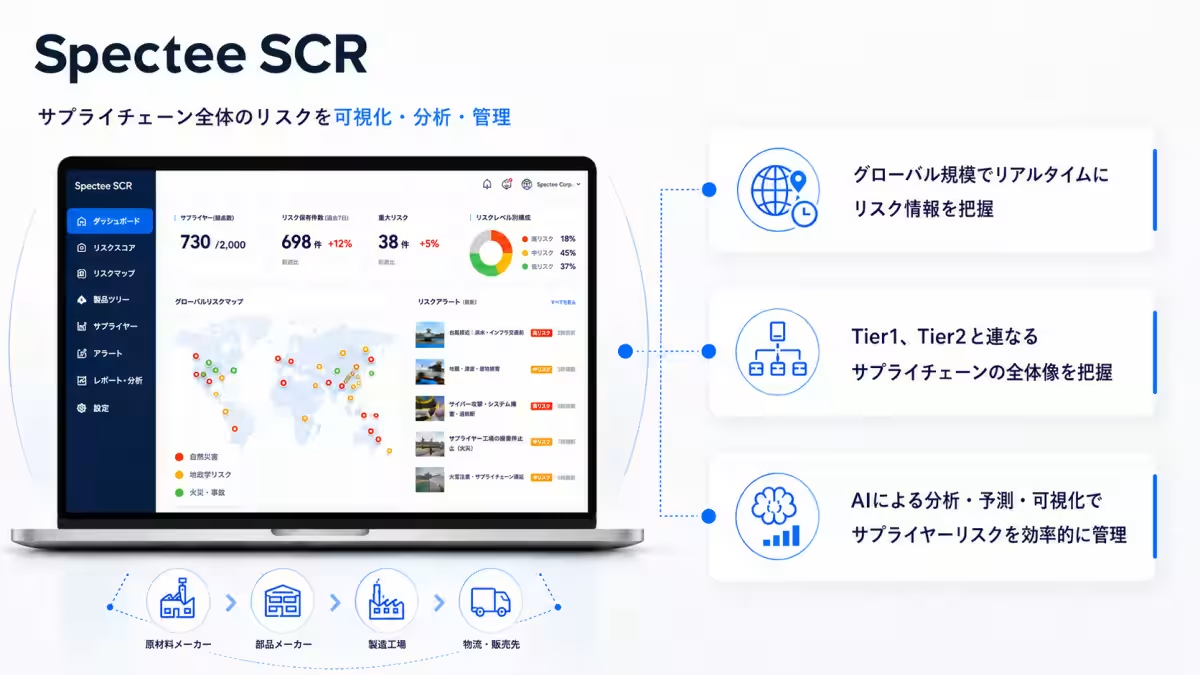
To address these issues, Spectee offers a next-generation supply chain risk management cloud platform, named Spectee SCR. This innovative tool leverages AI technology to visualize complex supply chains, rapidly identifying impacted suppliers and assessing the extent of disruptions in real-time. This enhances decision-making capabilities, allowing companies to navigate uncertainties effectively.
Conclusion
As the automobile industry in the Tokai region continues to evolve amidst rising risks, the findings from Spectee's survey serve as a wake-up call for businesses to fortify their supply chain management practices. Overcoming challenges related to disaster preparedness, supplier visibility, and resource allocation is imminent for ensuring resilience and sustainability in the face of inevitable disruptions. As industries strive to adapt, leveraging modern technologies like those offered by Spectee will be vital in cultivating a robust and responsive supply chain ecosystem.
Topics Consumer Products & Retail)
【About Using Articles】
You can freely use the title and article content by linking to the page where the article is posted.
※ Images cannot be used.
【About Links】
Links are free to use.