



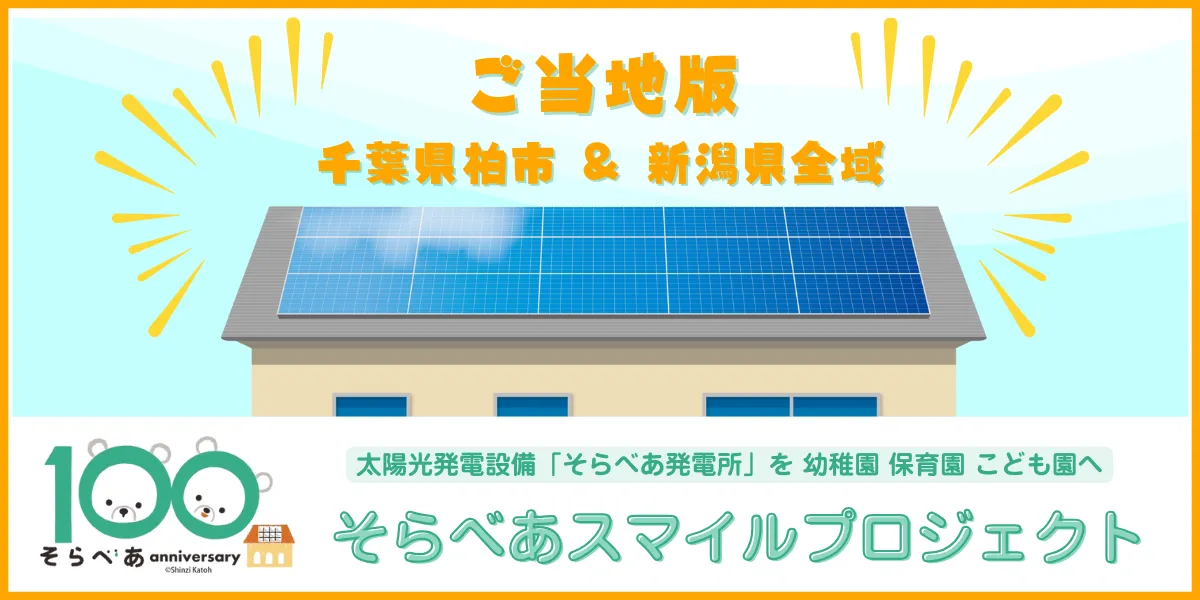
Local Solar Power Initiative Launched for Kindergartens in Chiba and Niigata
Local Solar Power Initiative Launched for Kindergartens in Chiba and Niigata
On October 1, 2025, the Solar Bear Foundation (represented by President Hideki Tomita and located in Minato, Tokyo) will begin accepting applications for a noteworthy community project aimed at enhancing environmental education and promoting renewable energy. The project, known as the local version of the “Solar Bear Smile Project,” is made possible by substantial support from Zero Watt Power Co., led by President Kazuhiko Sato and headquartered in Kashiwa, Chiba. This initiative marks Zero Watt Power’s celebration of a decade in service, contributing significantly to sustainable energy solutions.
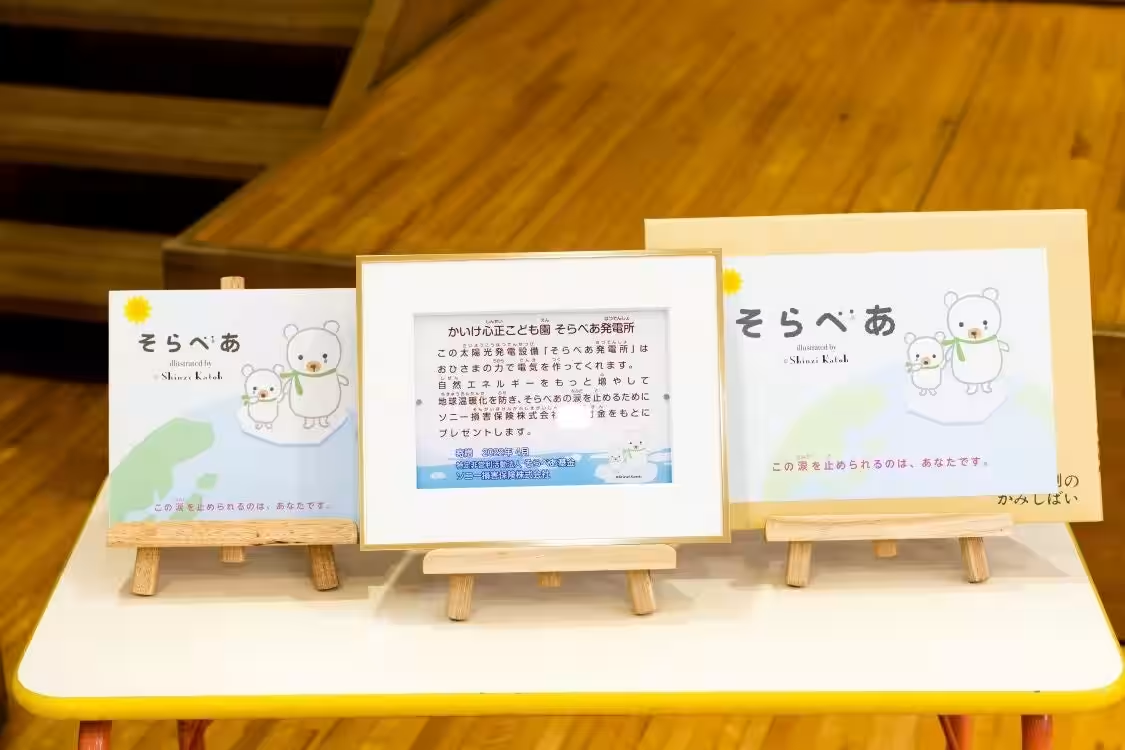
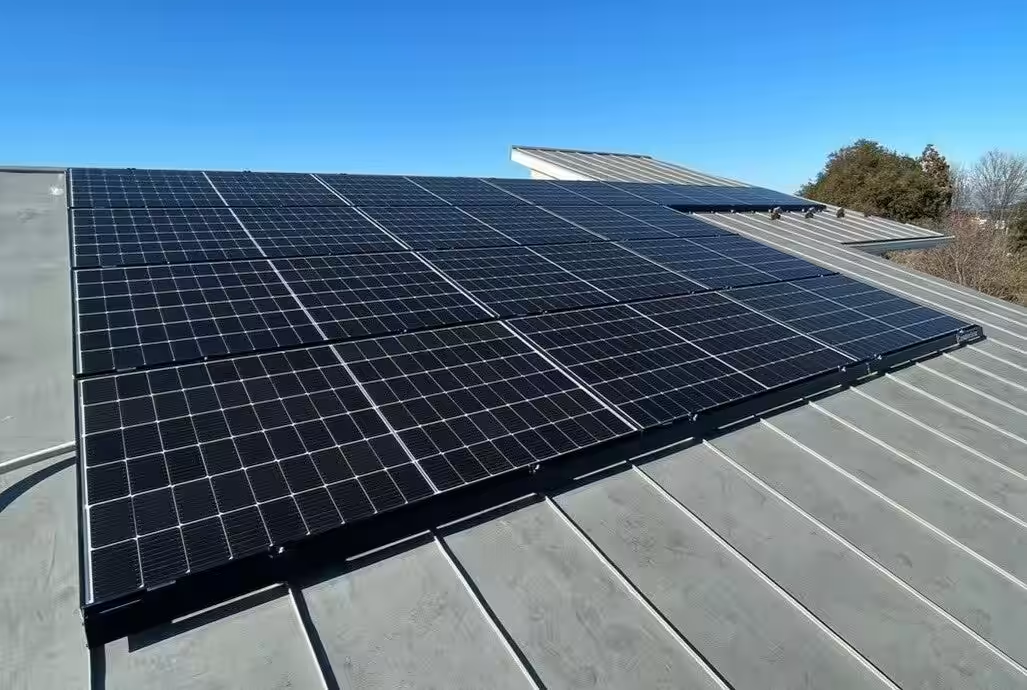
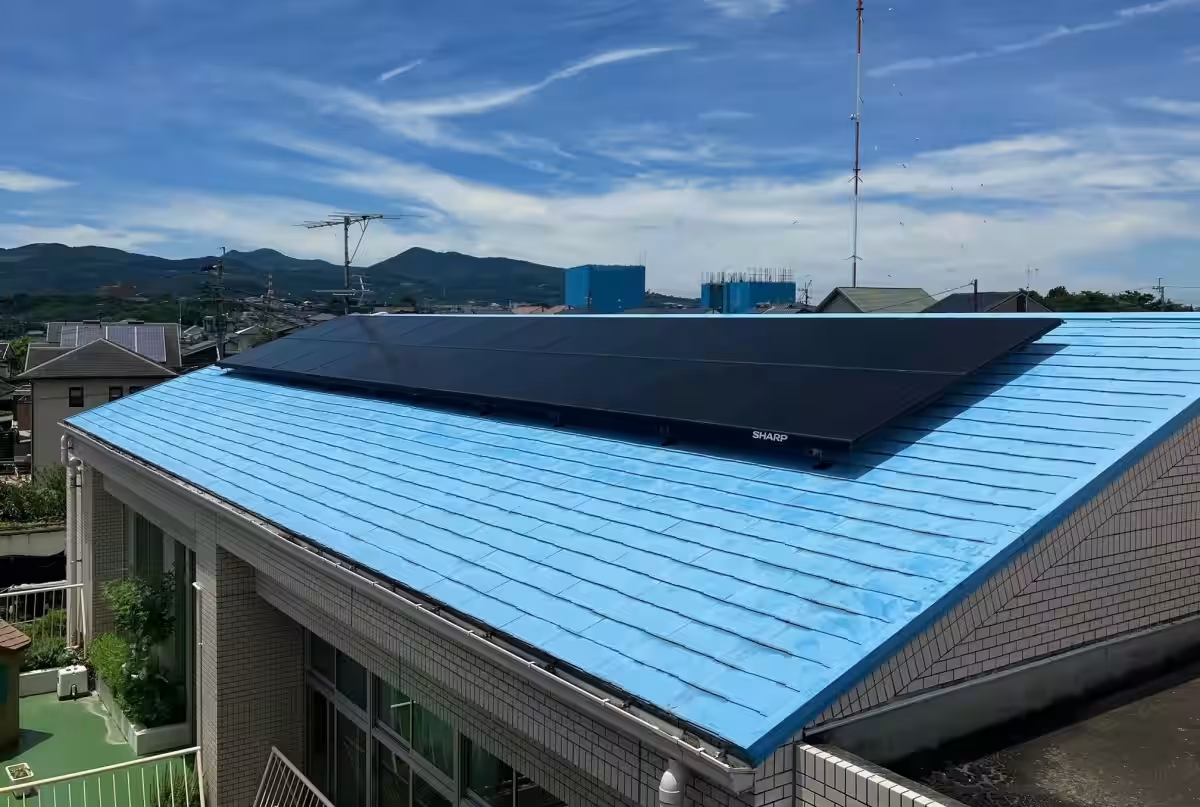
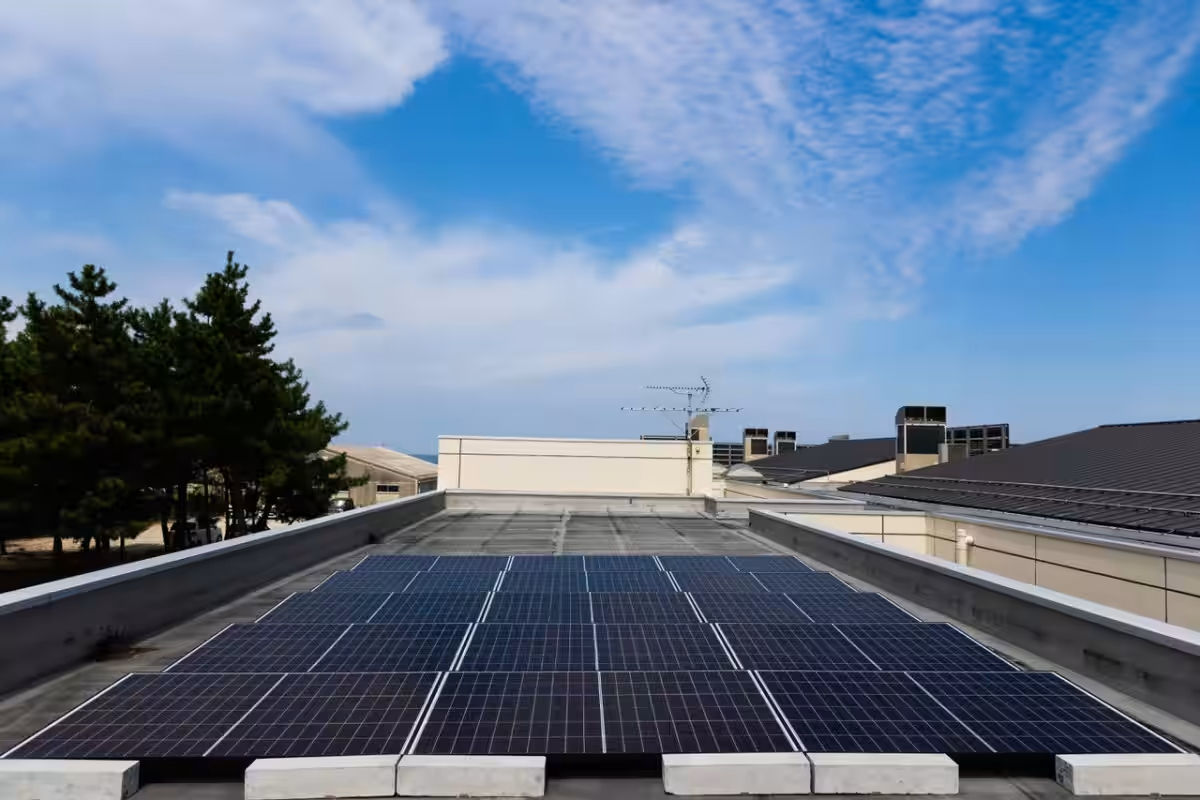
The program seeks to provide solar power facilities, specifically the “Solar Bear Power Station” (equivalent to 5 kW) to local kindergartens and childcare facilities. Applications are open for areas within Kashiwa, Chiba, and all of Niigata Prefecture, including Sado City, where Zero Watt’s subsidiary operates. This project’s fundamental goal is to equip educational institutions serving preschool children with renewable energy resources, fostering both environmental responsibility and awareness from a young age.
About the Solar Bear Smile Project
The Solar Bear Smile Project aims to donate solar power facilities to kindergartens, nurseries, and other preschools across the country, striving for a sustainable future where children can live in a healthy environment. Through widespread support from various businesses, this initiative has expanded significantly, gifting solar power stations to numerous educational institutions while also enhancing environmental education efforts. Since its inception, the project has successfully installed nearly 100 solar power stations and continues to grow its impact.
Application Details
The initiative is set to accept applications from October 1, 2025, through November 28, 2025. The selected educational institutions will be notified by March 2026, with installation expected to commence in April 2026. The selection process will focus on both minimizing environmental impact and advancing educational initiatives.
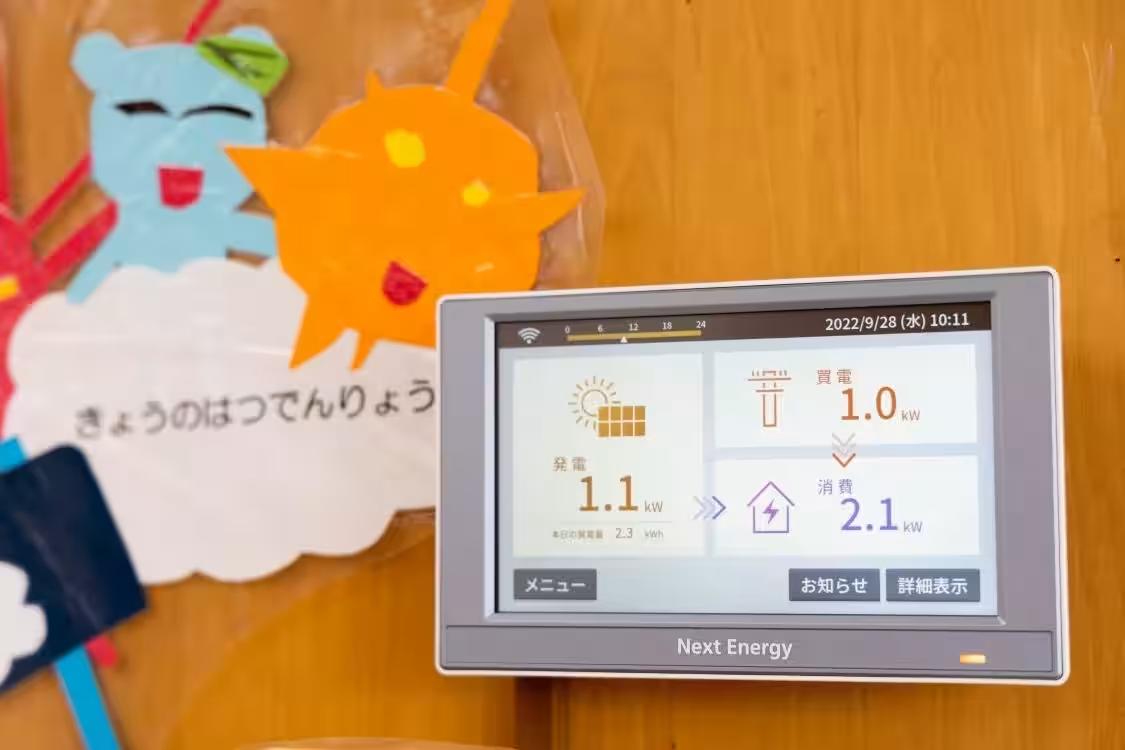
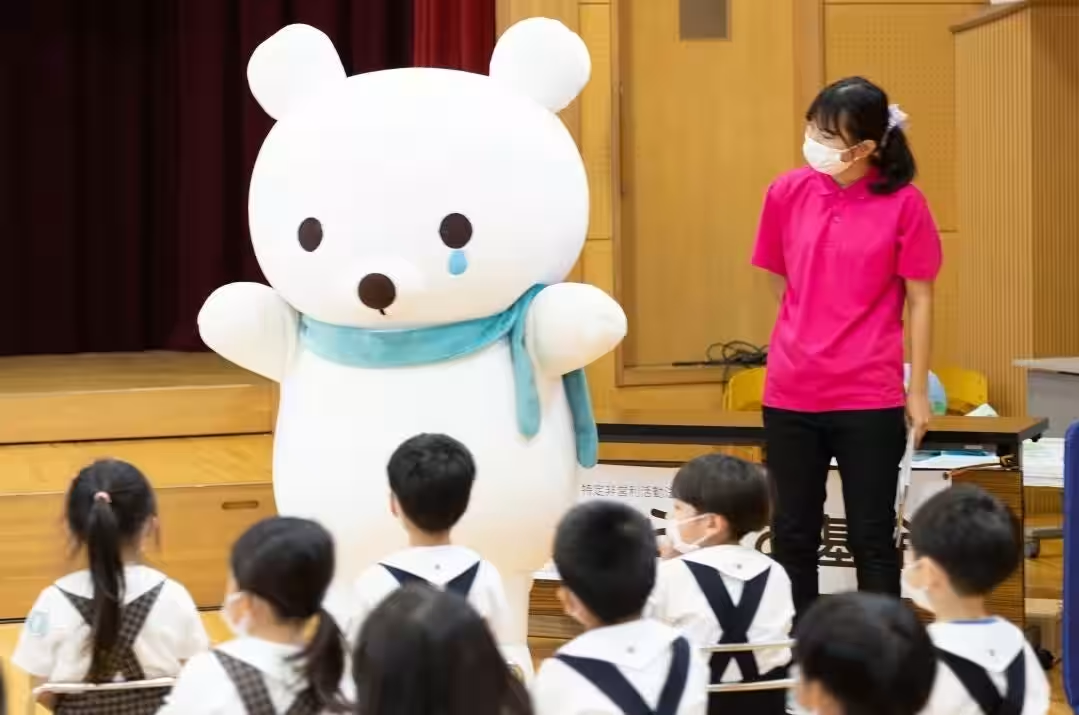
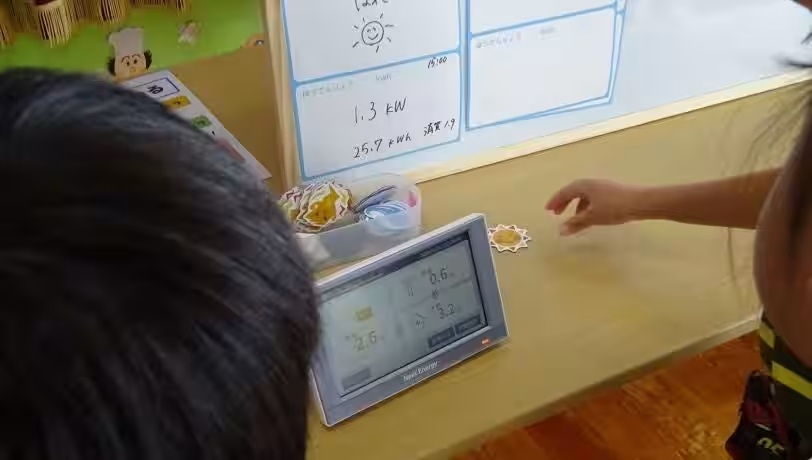
Each selected institution will receive not just the solar power station but also additional support in the form of educational materials, monitoring devices, and an environmental education and eco-action support program called “Solar Bear Day.” This program will assist facilities with their environmental initiatives for a period of three years after receiving their solar power station.
Community Impact
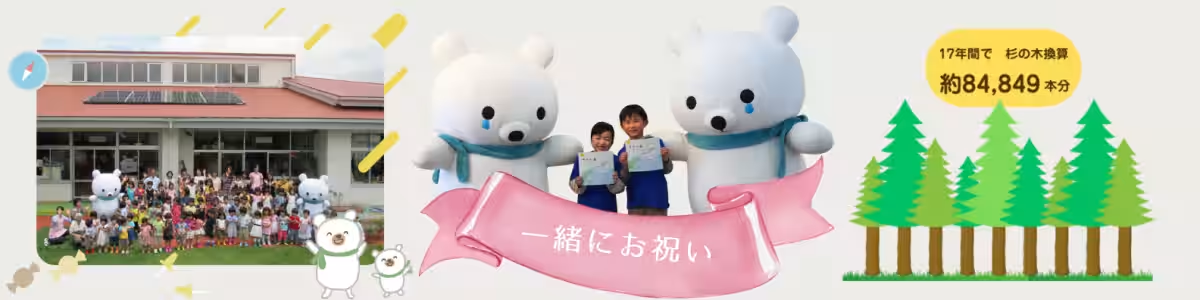
Since the launch of the Solar Bear Smile Project in 2008, the initiative has successfully donated a total of 96 solar stations as of 2025, significantly contributing to renewable energy generation across Japan. The solar installations collectively yield around 2.465 million kWh of energy, contributing to a CO₂ reduction of approximately 1,188 tons, equivalent to the environmental benefit provided by nearly 85,000 cedar trees.
The ongoing commitment of the Solar Bear Foundation extends beyond mere installation of solar power stations; it actively promotes educational efforts that inform young children about the importance of renewable energy and environmental conservation. This endeavor is part of broader sustainable development goals that will ensure future generations inherit a liveable planet.
How to Apply
Interested parties in Chiba and Niigata who harbor a passion for enhancing environmental education within their institutions are encouraged to check the detailed application guidelines available on the Solar Bear website. Applications must be submitted either via email or postal service before the deadline, ensuring all necessary documents are enclosed.
For further information on the program, applicants can visit Solar Bear's official website or contact the organization directly.
In conclusion, the Solar Bear Smile Project represents a significant step towards fostering environmental stewardship among the youth, providing essential resources to educational institutions while advocating for the adoption of renewable energy. As the project unfolds, it is set to inspire countless children to engage with and protect the environment they inhabit.



Topics Environment)
【About Using Articles】
You can freely use the title and article content by linking to the page where the article is posted.
※ Images cannot be used.
【About Links】
Links are free to use.